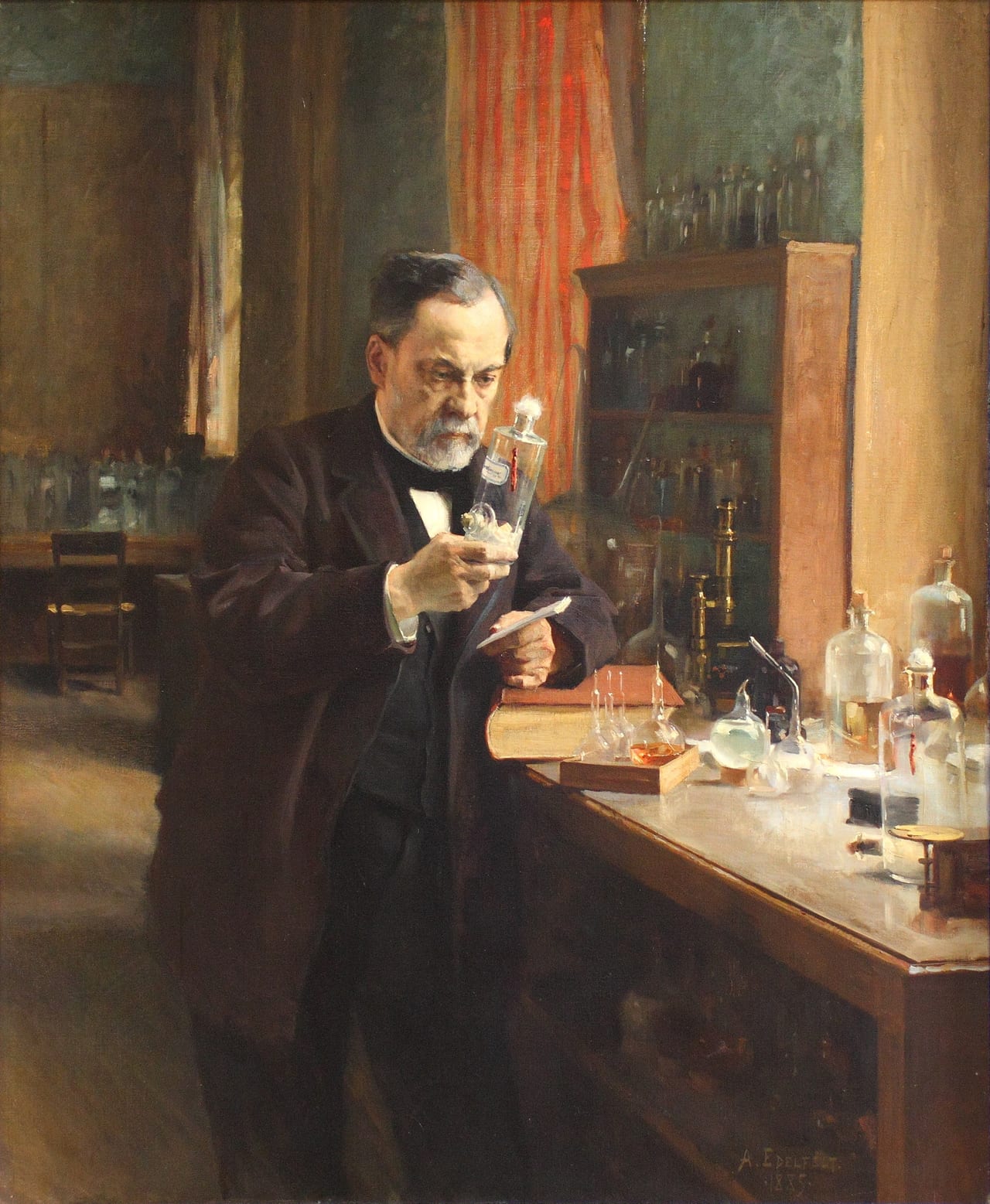
Pasteur's portrait by Edelfelt
Albert Edelfelt · 1885

Albert Edelfelt
Grand Duchy of Finland · 1854–1905
Albert Gustaf Aristides Edelfelt was a Finnish painter noted for his naturalistic style and Realist approach to art. He lived in the Grand Duchy of Finland and made Finnish culture visible abroad, before Finland gained independence. He was considered the greatest Finnish artist of the second half of 19th and the first half of the 20th centuries, and one of the most prominent contributors to the Golden Age of Finnish Art. == Early life and education == Edelfelt was born 1854 in Porvoo, son of the Swedish architect Carl Albert Edelfelt (1818, 1869), who had lived in Finland since his early youth, and Alexandra Edelfeldt (née Brandt 1833, 1901). His father died when he was still young, and his mother had to raise him and his younger siblings alone compounded by financial difficulties.
Independent artist guide by Momentable. Biography from Wikipedia; artworks credited to the museums that hold them.
 LIVENow streaming · Pasteur's portrait by Edelfelt
- life
- 1854–1905life
- rights
- Public domainrights
The work
A selection of 1 works, free to stream.
Pasteur's portrait by Edelfelt
Albert Edelfelt · 1885
Musée d'Orsay
Works worth knowing
What Albert Edelfelt made, and why each one is worth looking at.
Pasteur's portrait by Edelfelt
Albert Edelfelt · 1885
Musée d'Orsay
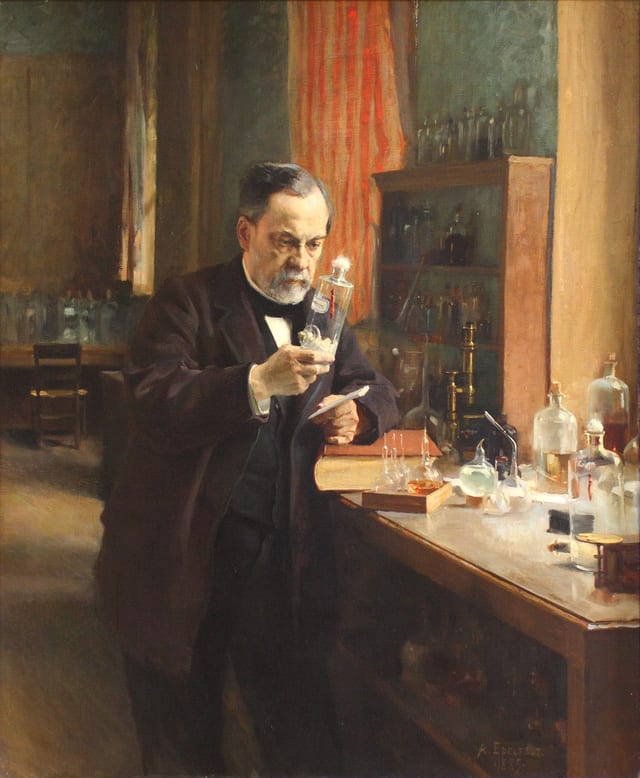
Pasteur's portrait by Edelfelt is the best-known portrait of the French chemist Louis Pasteur. Painted by Albert Edelfelt (1854 to 1905) in 1885, the painting shows Pasteur in his laboratory at the rue d'Ulm, surrounded by his experimental apparatus, the innovative laboratory glassware used in the experimental methods, developed by him on the field of bacteriology in the late 19th century. Pasteur is regarded as one of the main founders of bacteriology, and he is popularly known as the "father of microbiology".
Where the work hangs
The museums that hold it, and their visitor guides.
If you like Albert Edelfelt
Artists held by the same museums.
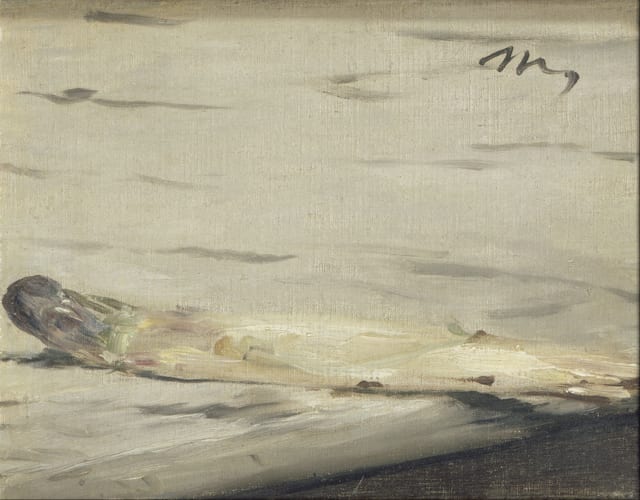
Edouard Manet
French · 13 in the archive
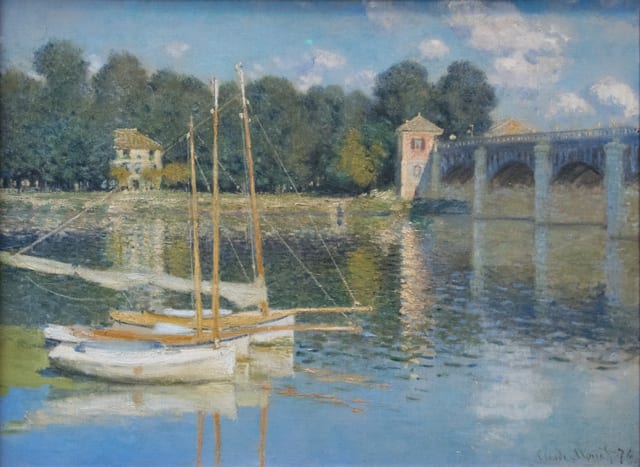
Claude Monet
France · 11 in the archive
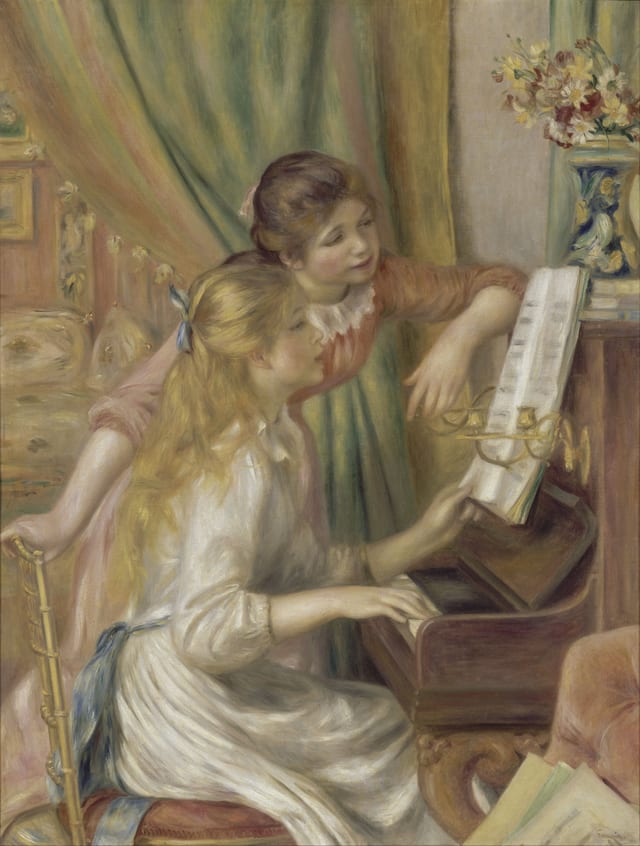
Auguste Renoir
France · 10 in the archive
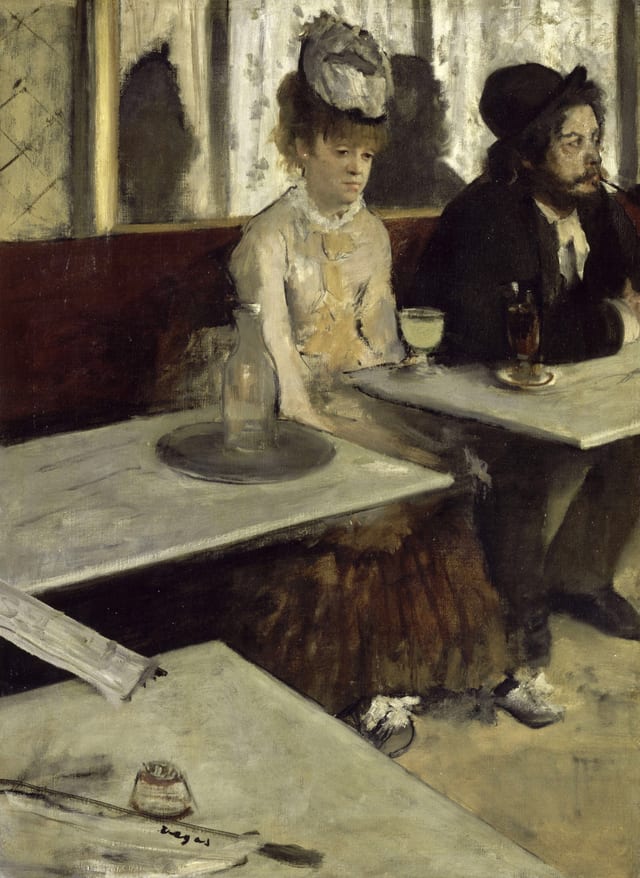
Edgar Degas
French · 7 in the archive
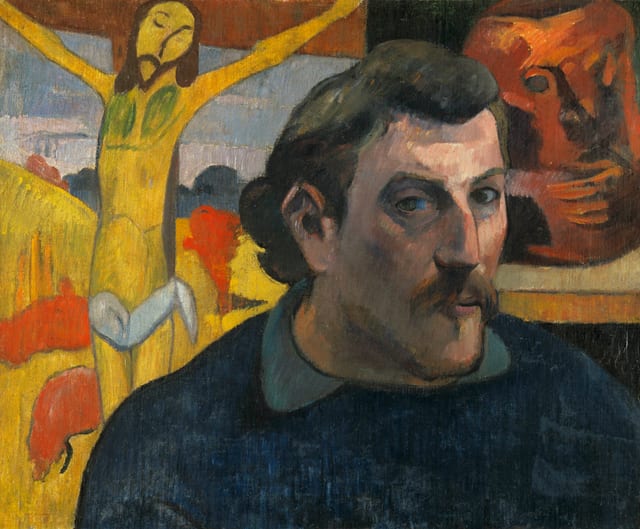
Paul Gauguin
French · 7 in the archive
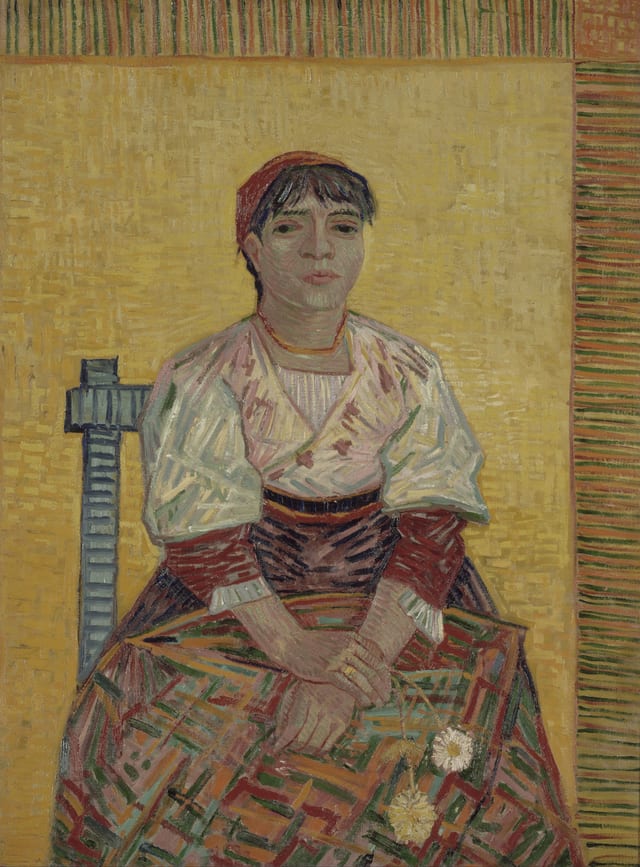
Vincent van Gogh
Dutch · 7 in the archive
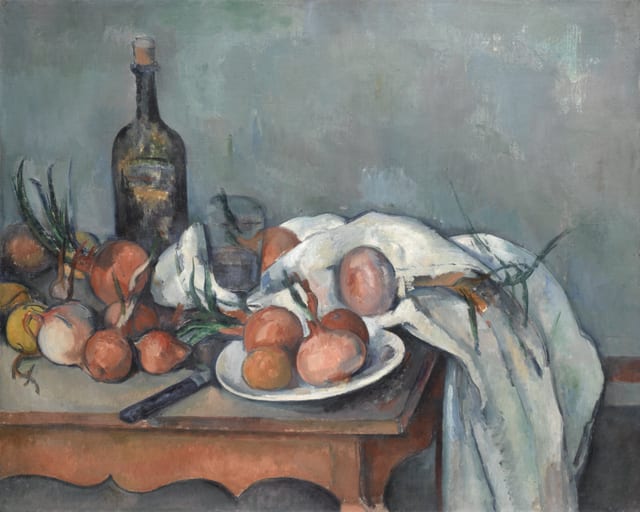
Paul Cézanne
French · 5 in the archive
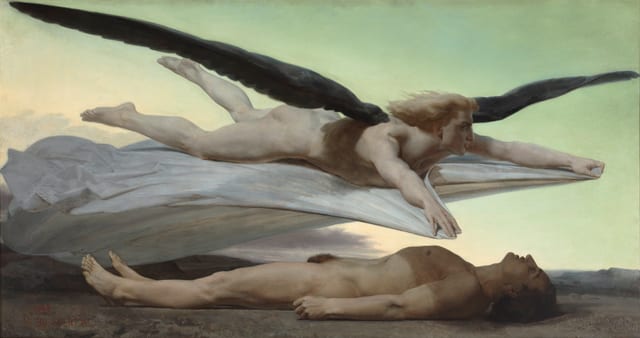
William Adolphe Bouguereau
French · 5 in the archive
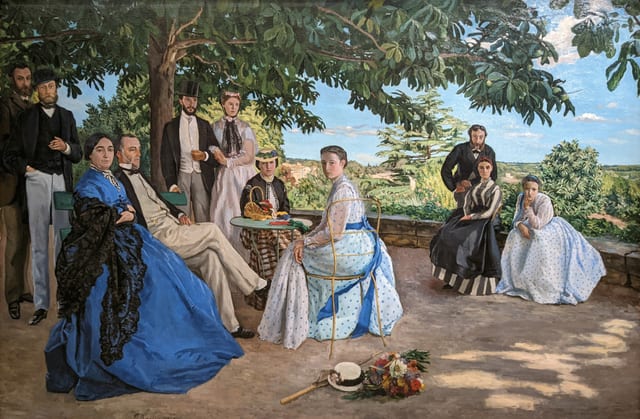
Frédéric Bazille
France · 4 in the archive
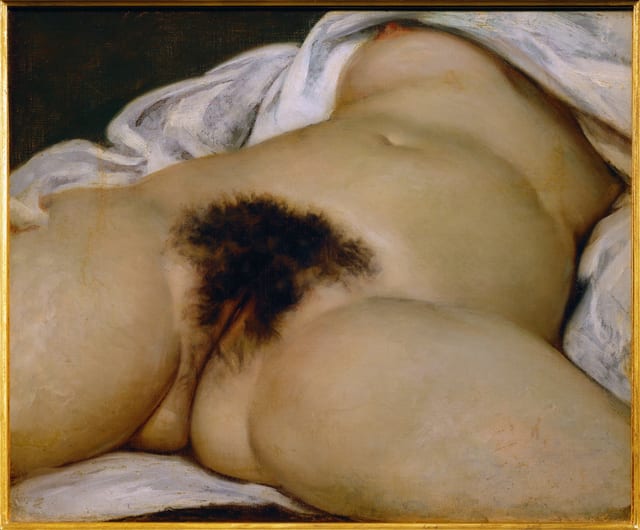
Gustave Courbet
French · 4 in the archive
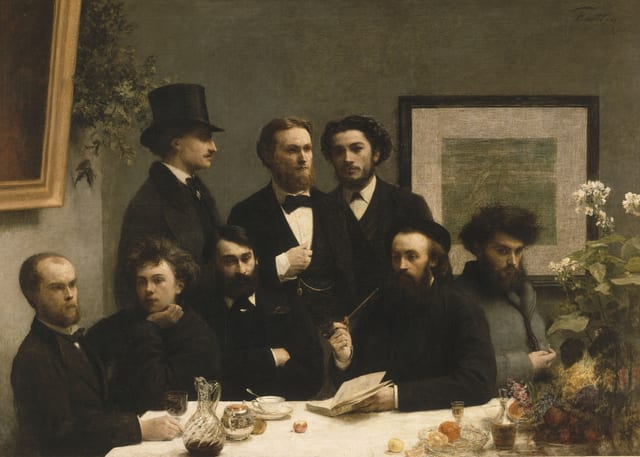
Henri Fantin-Latour
French · 4 in the archive
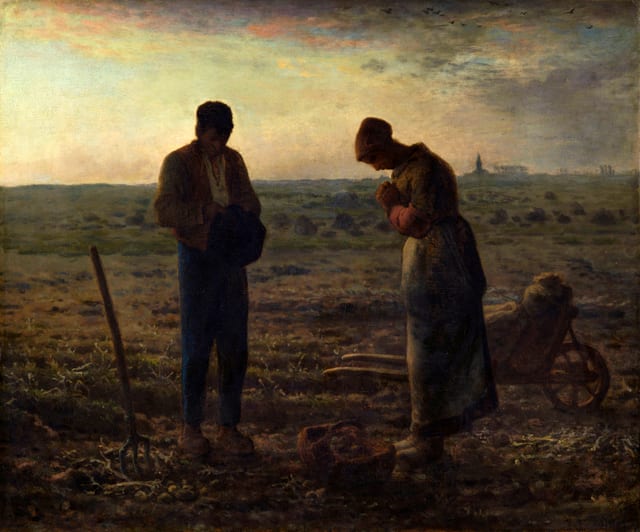
Jean-François Millet
French · 3 in the archive
Invite the masters into your living room.
Albert Edelfelt on your TV, phone, or tablet. Free to start.
View on MomentableIndependent guide by Momentable · biography from Wikipedia · artworks are in the public domain and credited to the museum that holds them