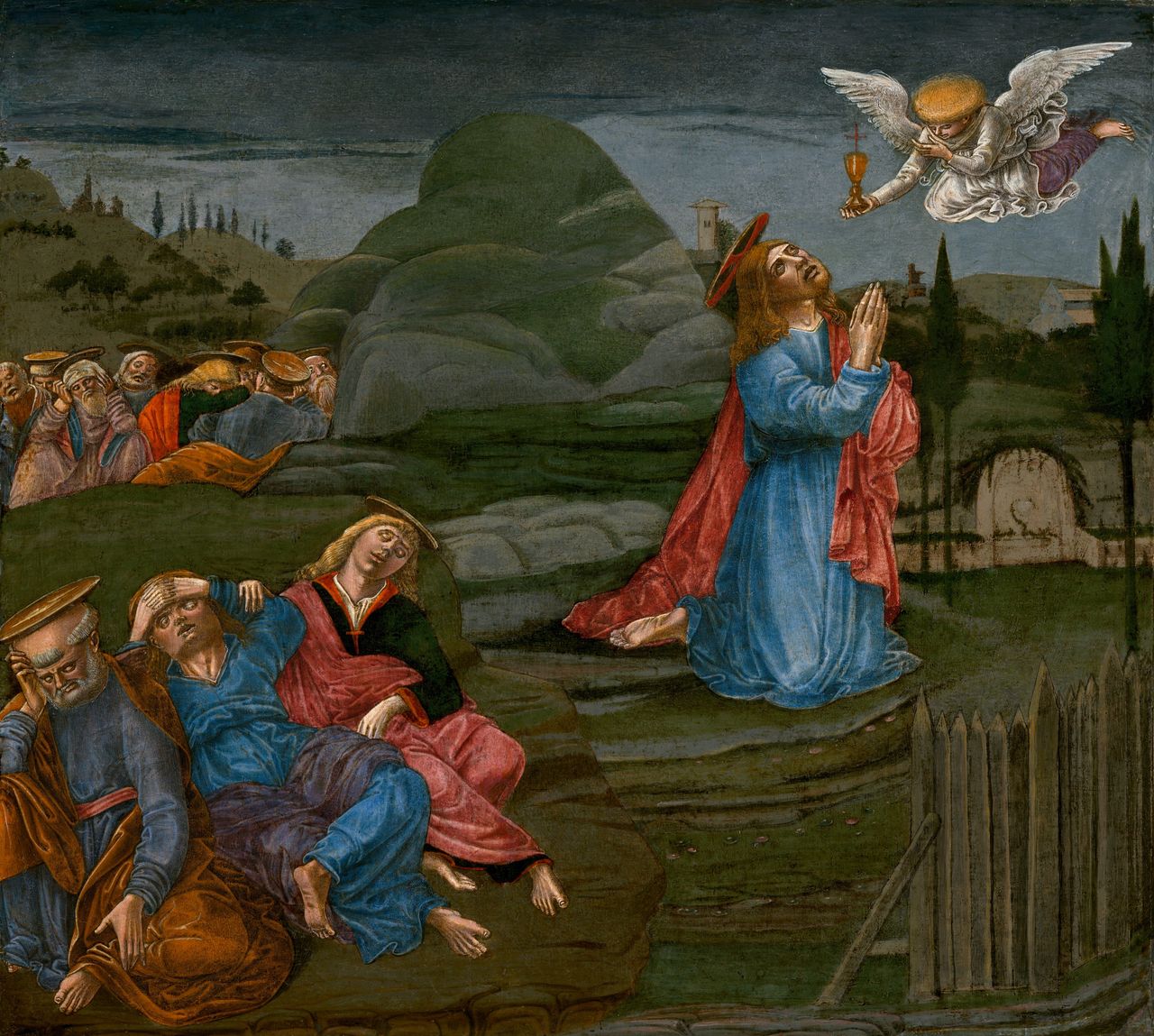
The Agony in the Garden
Benvenuto di Giovanni

Benvenuto di Giovanni
Italian · 1436–1518
Benvenuto di Giovanni, also known as Benvenuto di Giovanni di Meo del Guasta, was an Italian painter and artist known for his choral miniatures, pavement designs, and frescoes. Working chiefly in Siena, he was first recognized to be working as an artist in 1453 and continued his work nearly until his death in approximately 1518. During his lifetime, he was influenced by various artists and in the 1480s, Benvenuto's style changed drastically.
Independent artist guide by Momentable. Biography from Wikipedia; artworks credited to the museums that hold them.
 LIVENow streaming · The Agony in the Garden
- life
- 1436–1518life
- movement
- Sienese schoolmovement
The work
A selection of 2 works, free to stream.
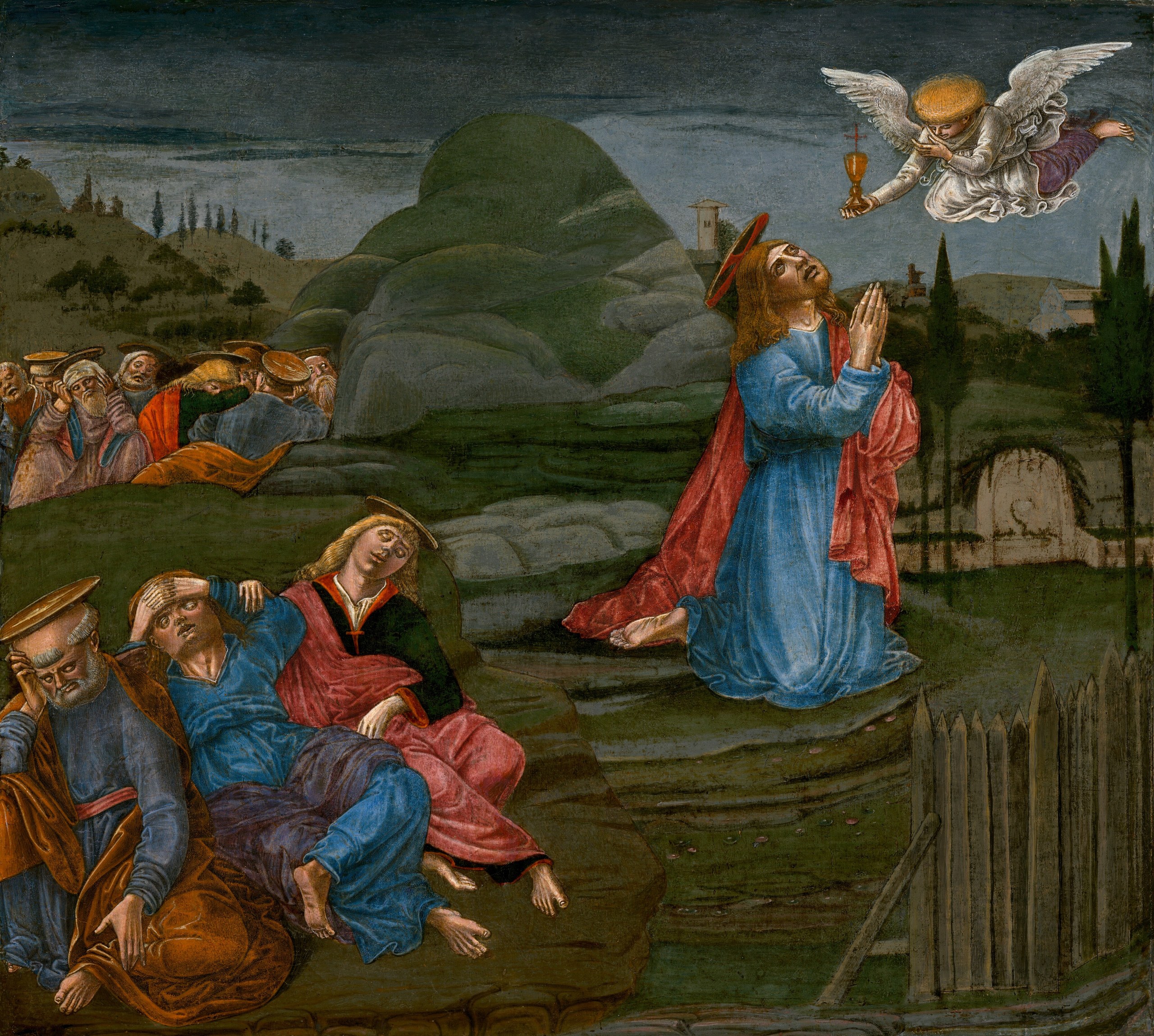
The Agony in the Garden
Benvenuto di Giovanni
National Gallery of Art
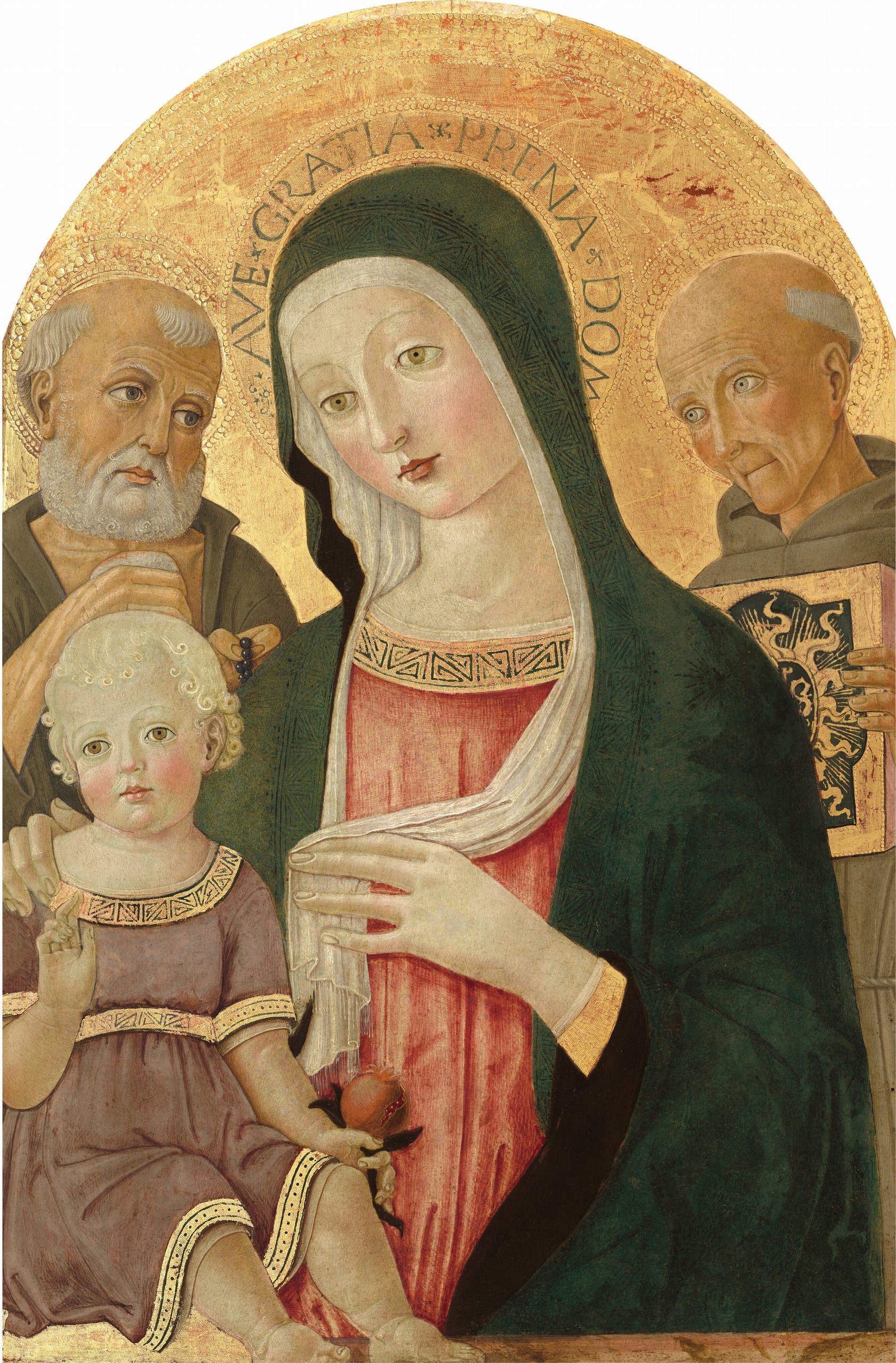
Madonna and Child with Saint Jerome and Saint Bernardino of Siena
Benvenuto di Giovanni
National Gallery of Art
Works worth knowing
What Benvenuto di Giovanni made, and why each one is worth looking at.
The Agony in the Garden
Benvenuto di Giovanni
National Gallery of Art
The Agony in the Garden is an early painting by the Italian Renaissance master Giovanni Bellini, who created it ca.1459 to 1465. It is a tempera painting on panel and is now in the National Gallery, London. This work portrays the Agony in the Garden with Christ kneeling on the Mount of Olives in prayer, with his disciples Peter, James and John sleeping near to him.
Madonna and Child with Saint Jerome and Saint Bernardino of Siena
Benvenuto di Giovanni
National Gallery of Art
Madonna and Child with Saint Mary Magdalene and Saint Ursula or Virgin and Child with Saints Magdalene and Ursula is an oil on panel painting by Giovanni Bellini that belongs to the sacra conversazione genre and dates to 1490. The painting is also referred to as Sacred Conversation. It was previously in the collection of the painter Carlo Maratta, and is now in the Prado Museum in Madrid.
Where the work hangs
The museums that hold it, and their visitor guides.
If you like Benvenuto di Giovanni
Artists held by the same museums.
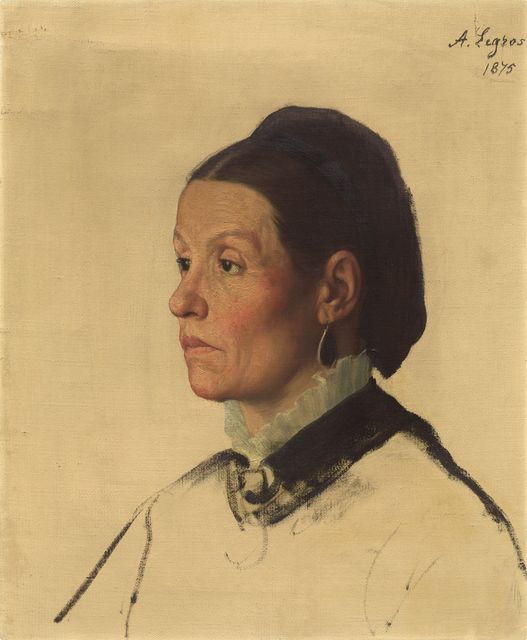
Alphonse Legros
French · 561 in the archive
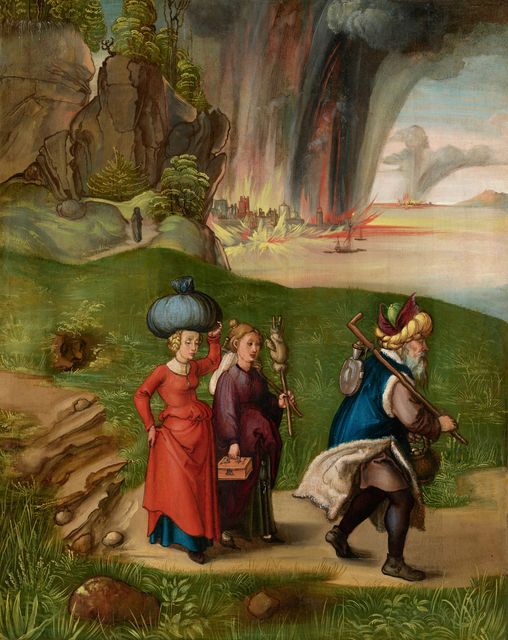
Albrecht Dürer
German · 287 in the archive
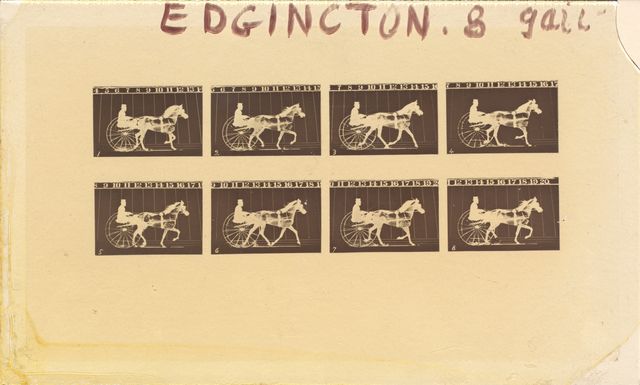
Eadweard Muybridge
English · 259 in the archive
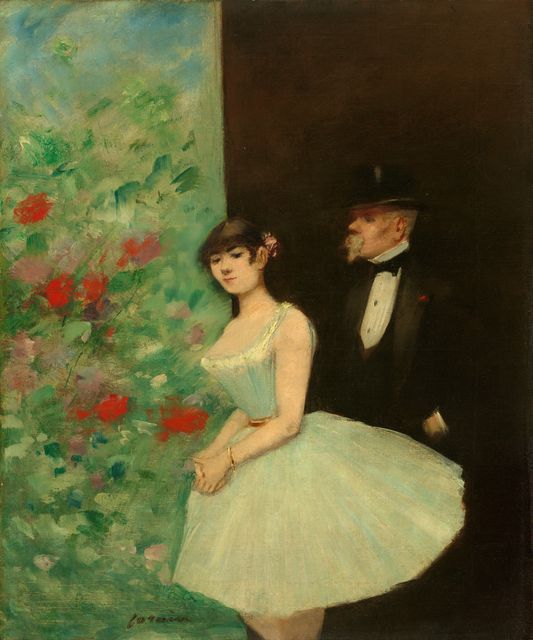
Jean-Louis Forain
French · 259 in the archive
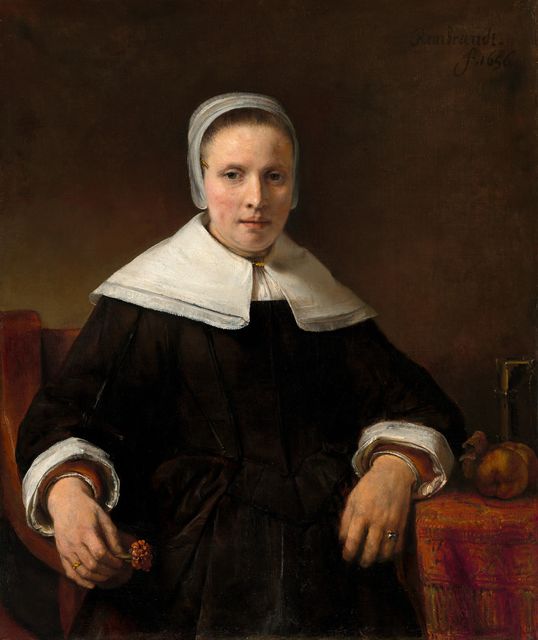
Rembrandt van Rijn
Dutch · 252 in the archive
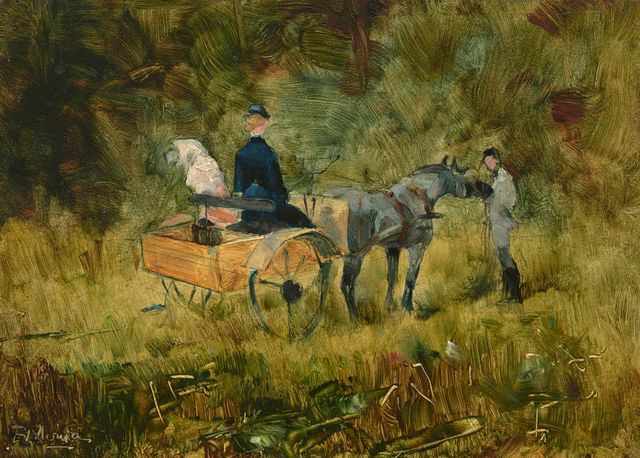
Henri de Toulouse-Lautrec
French · 242 in the archive
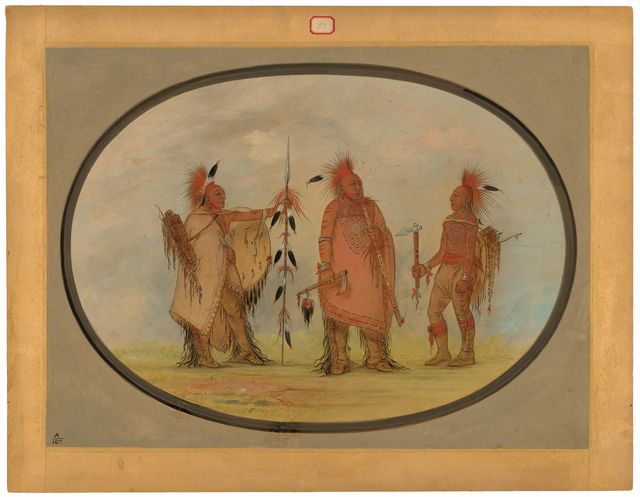
George Catlin
United States · 223 in the archive
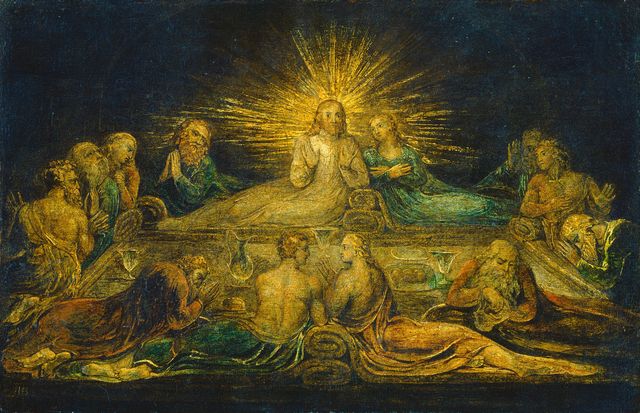
William Blake
United Kingdom of Great Britain and Ireland · 173 in the archive
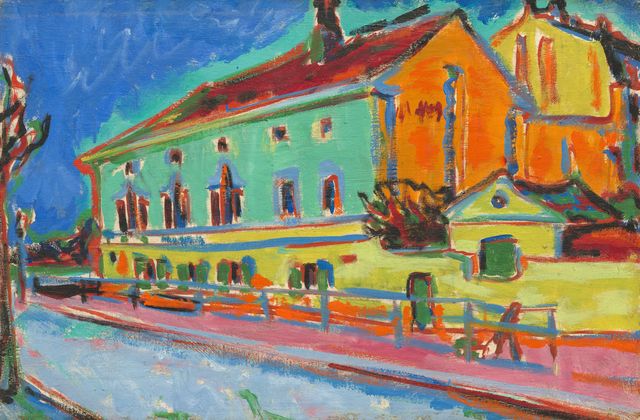
Ernst Ludwig Kirchner
German · 147 in the archive
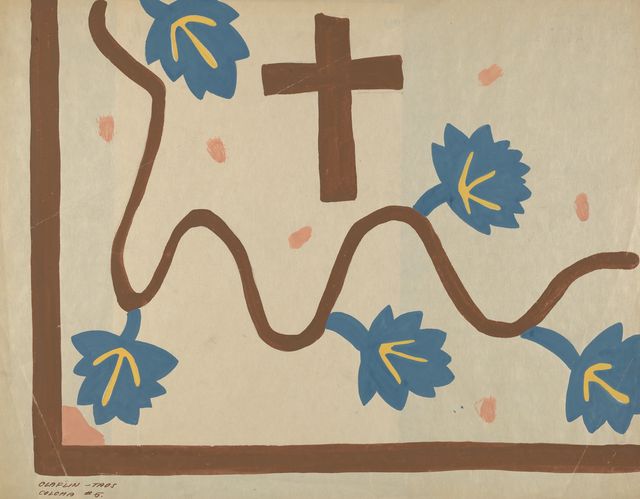
Majel G. Claflin
United States · 135 in the archive
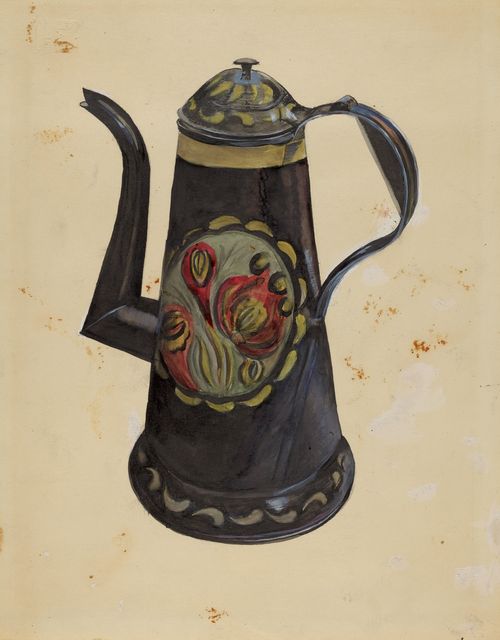
Mina Lowry
United States · 124 in the archive
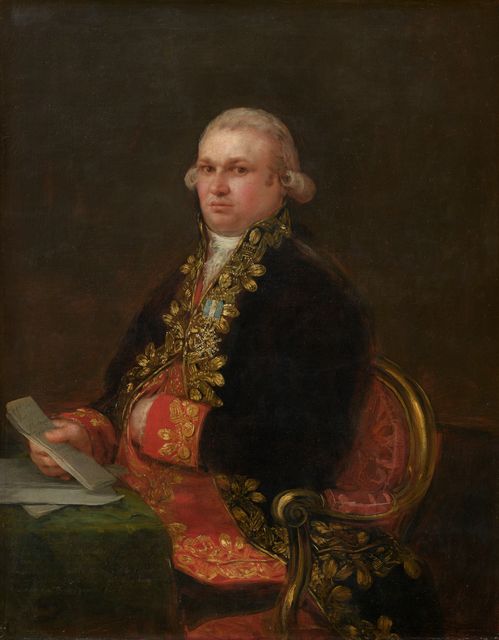
Francisco Goya
Spanish · 113 in the archive
Invite the masters into your living room.
Benvenuto di Giovanni on your TV, phone, or tablet. Free to start.
View on MomentableIndependent guide by Momentable · biography from Wikipedia · artworks are in the public domain and credited to the museum that holds them