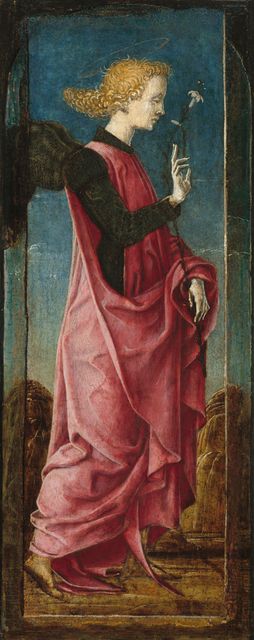
The Archangel Gabriel [middle left panel]
Cosmè Tura

Cosmè Tura
Italian · 1430–1495
Cosmè Tura, also known as Il Cosmè or Cosimo Tura, was an Italian early-Renaissance painter and considered one of the founders of the School of Ferrara. He provided a great contribution to the Renaissance in Ferrara.
Independent artist guide by Momentable. Biography from Wikipedia; artworks credited to the museums that hold them.
![The Archangel Gabriel [middle left panel]](https://art.momentable.art/momentable/nga/41586_w1280.jpg) LIVENow streaming · The Archangel Gabriel [middle left panel]
LIVENow streaming · The Archangel Gabriel [middle left panel]- life
- 1430–1495life
- movement
- Quattrocentomovement
The work
A selection of 2 works, free to stream.
![The Archangel Gabriel [middle left panel]](https://art.momentable.art/momentable/nga/41586_w2560.jpg)
The Archangel Gabriel [middle left panel]
Cosmè Tura
National Gallery of Art
![Saint Francis [far left panel]](https://art.momentable.art/momentable/nga/41585_w2560.jpg)
Saint Francis [far left panel]
Cosmè Tura
National Gallery of Art
How Cosmè Tura worked
From the record of their own practice.
Tura's painting is endowed with great originality in the Italian panorama of the time, featuring lavishly decorated compositions and an almost sculptural plasticity of the figures, in an apparent realism that belongs more to fantasy rather than reality. The colors are bright and unreal, which often make the subjects seem like metal or stone, immersed in a tense and surreal atmosphere, with a dreamlike feeling. The experiences derived from the courtly art of international Gothic, aimed at celebration, are blended and transformed through the influence of the Paduan Renaissance, Piero della Francesca and Flemish painting. The meticulous search for details and impossible landscapes is found again later in painters of the Danube school.
Where the work hangs
The museums that hold it, and their visitor guides.
If you like Cosmè Tura
Artists held by the same museums.
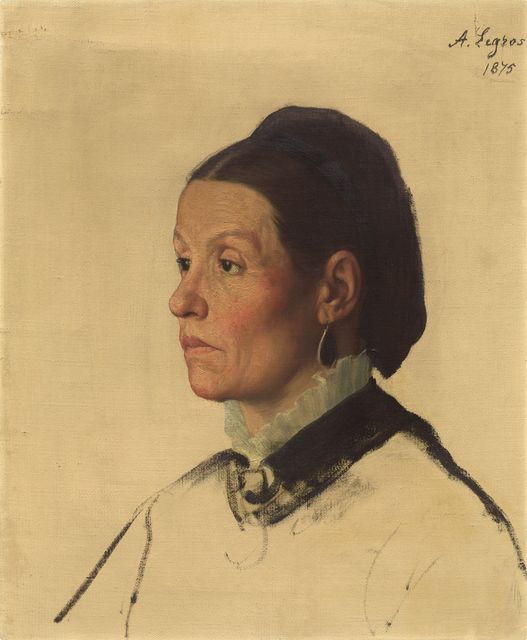
Alphonse Legros
French · 561 in the archive
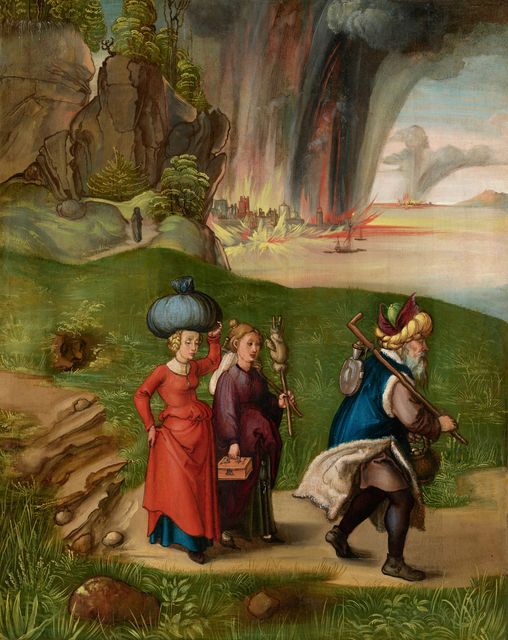
Albrecht Dürer
German · 287 in the archive
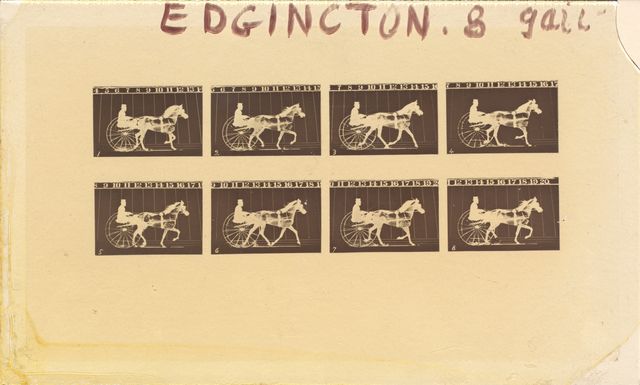
Eadweard Muybridge
English · 259 in the archive
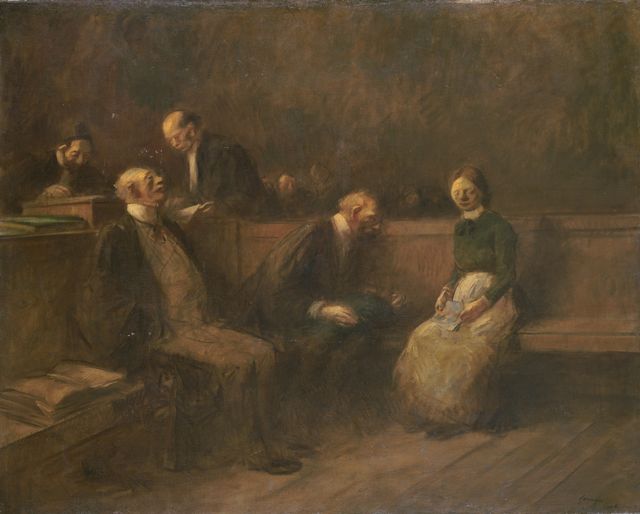
Jean-Louis Forain
French · 259 in the archive
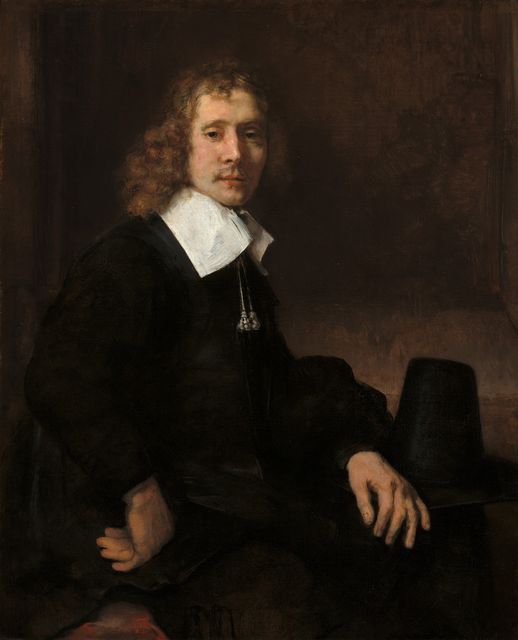
Rembrandt van Rijn
Dutch · 252 in the archive
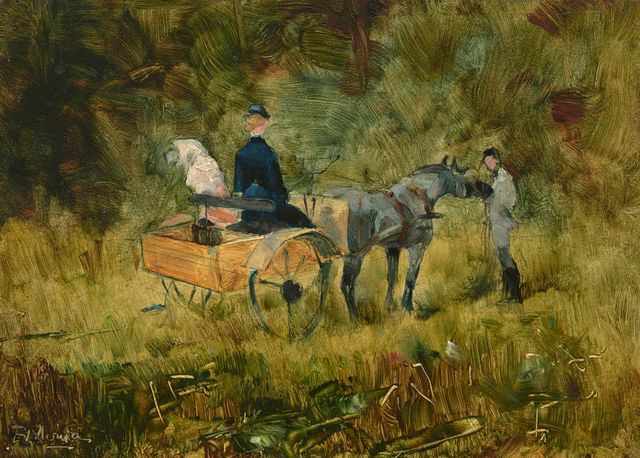
Henri de Toulouse-Lautrec
French · 242 in the archive
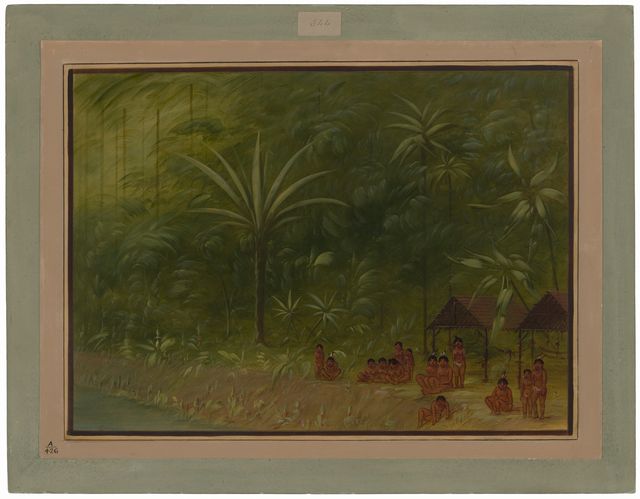
George Catlin
United States · 223 in the archive
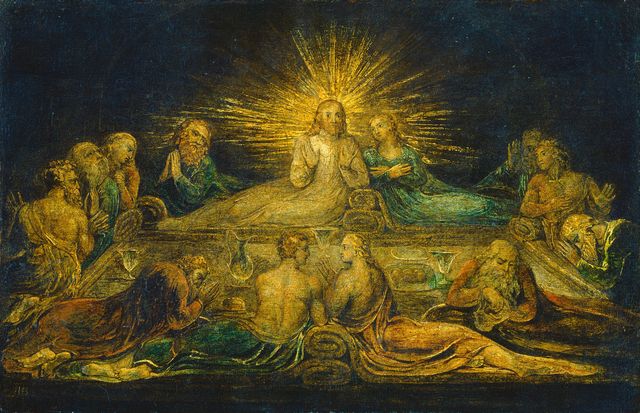
William Blake
United Kingdom of Great Britain and Ireland · 173 in the archive
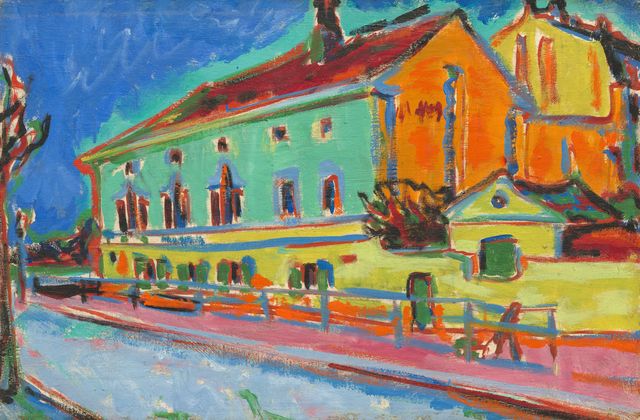
Ernst Ludwig Kirchner
German · 147 in the archive
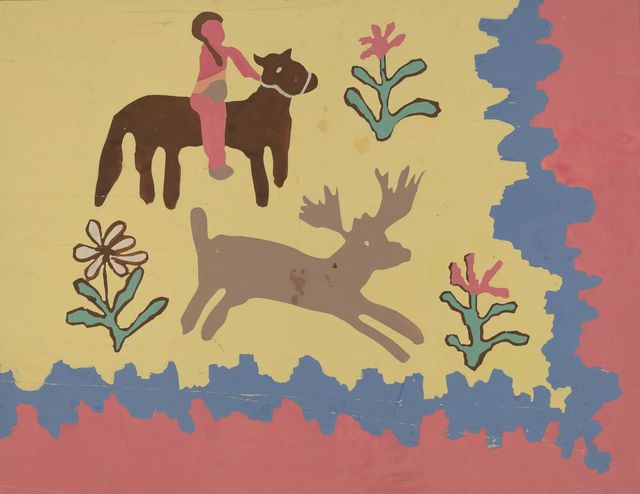
Majel G. Claflin
United States · 135 in the archive
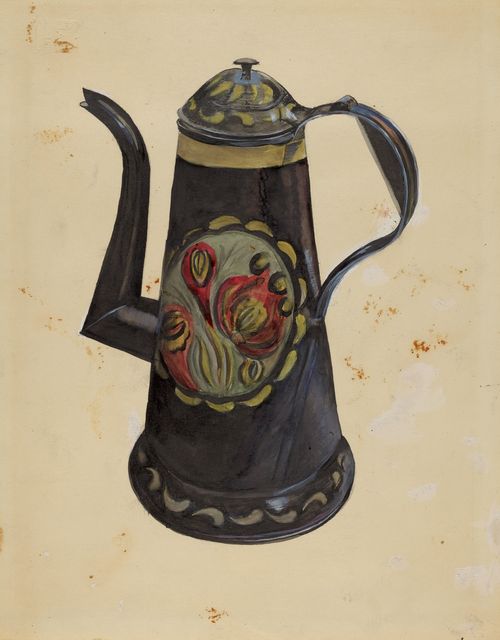
Mina Lowry
United States · 124 in the archive
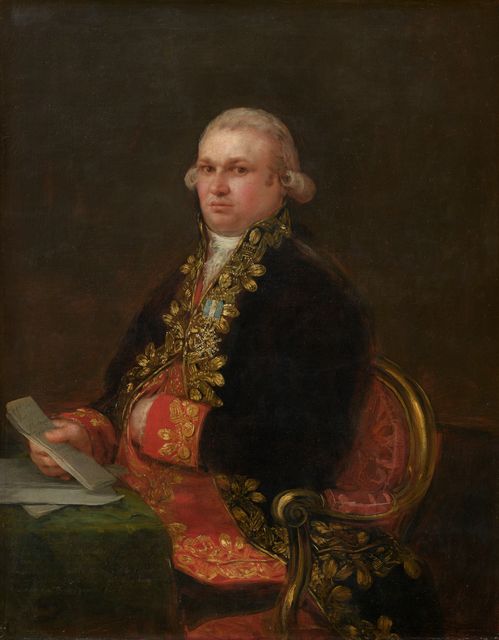
Francisco Goya
Spanish · 113 in the archive
Invite the masters into your living room.
Cosmè Tura on your TV, phone, or tablet. Free to start.
View on MomentableIndependent guide by Momentable · biography from Wikipedia · artworks are in the public domain and credited to the museum that holds them