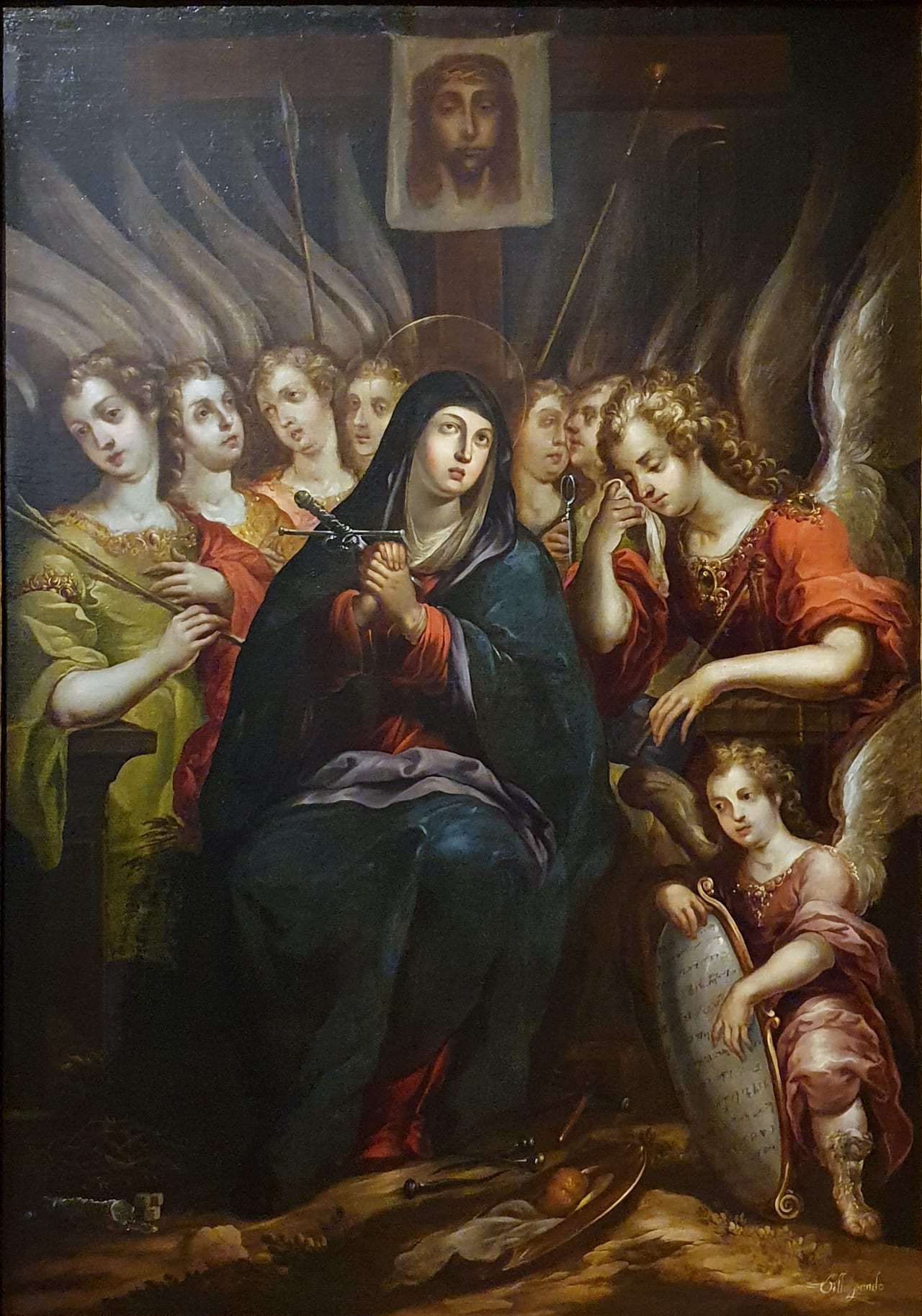
Our Lady of Sorrows
Cristóbal de Villalpando · 1680

Cristóbal de Villalpando
New Spain · 1669–1714
Cristóbal de Villalpando was a Baroque Criollo artist from New Spain, arts administrator and captain of the guard. He painted prolifically and produced many Baroque works now displayed in several Mexican cathedrals, including the cathedrals in Querétaro, Puebla and Mexico City, as well as a depiction of the Zócalo (main square) in Mexico City, showing the damage of the 1692 riot to the viceregal palace three years earlier. == Life == Born in Mexico City to the influential Villalpando family, Cristóbal assumed duties in the local militia as an ensign, as well as painting with Baltasar de Echave Rioja (Echave the Younger) in the Echave workshop. In 1669, he married María de Mendoza and they had four children.
Independent artist guide by Momentable. Biography from Wikipedia; artworks credited to the museums that hold them.
 LIVENow streaming · Our Lady of Sorrows
- life
- 1669–1714life
- rights
- Public domainrights
The work
A selection of 1 works, free to stream.
Our Lady of Sorrows
Cristóbal de Villalpando · 1680
Museo Soumaya
Works worth knowing
What Cristóbal de Villalpando made, and why each one is worth looking at.
Our Lady of Sorrows
Cristóbal de Villalpando · 1680
Museo Soumaya
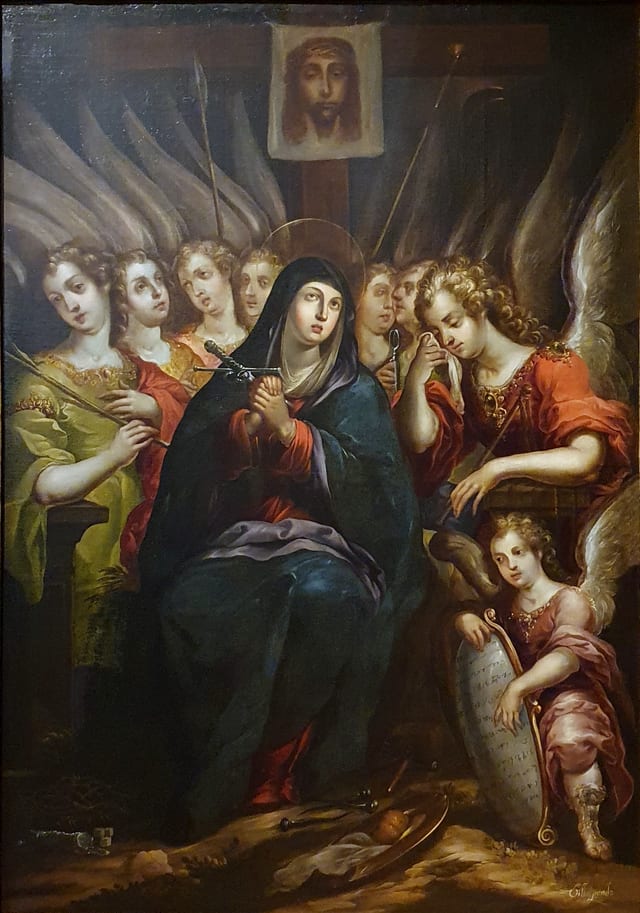
La Dolorosa (Our Lady of Sorrows or Mater Dolorosa) is a work by Cristóbal de Villalpando probably painted between 1680 and 1689 and belonging to the collection of the Museo Soumaya in Mexico City. In the work of Villalpando's early formative period, the influence of Baltasar de Echave Rioja and Pedro Ramírez is noticeable, as the painter's skills were nourished mainly by the artistic circles of the cities of Mexico and Puebla. His baroque style would prolong this pictorial tradition into the 1680s.
How Cristóbal de Villalpando worked
From the record of their own practice.
Villalpando's early works attest to the influence of Peter Paul Rubens; however, as his style continued to develop, he moved away from the extremes of vivid coloring and excessive robustness to a more measured style, using a broad palette and incorporating more of the New World painting traditions. In his later work he moved away from uniform luminosity, employing greater contrast and placing artificial light sources within his paintings to add a touch of drama. His work was much emulated. Villalpando tailored his style to the nature of the work and to its patron. He employed rough blots and smudges to good effect, but used meticulous brushstrokes when required.
Where the work hangs
The museums that hold it, and their visitor guides.
If you like Cristóbal de Villalpando
Artists held by the same museums.
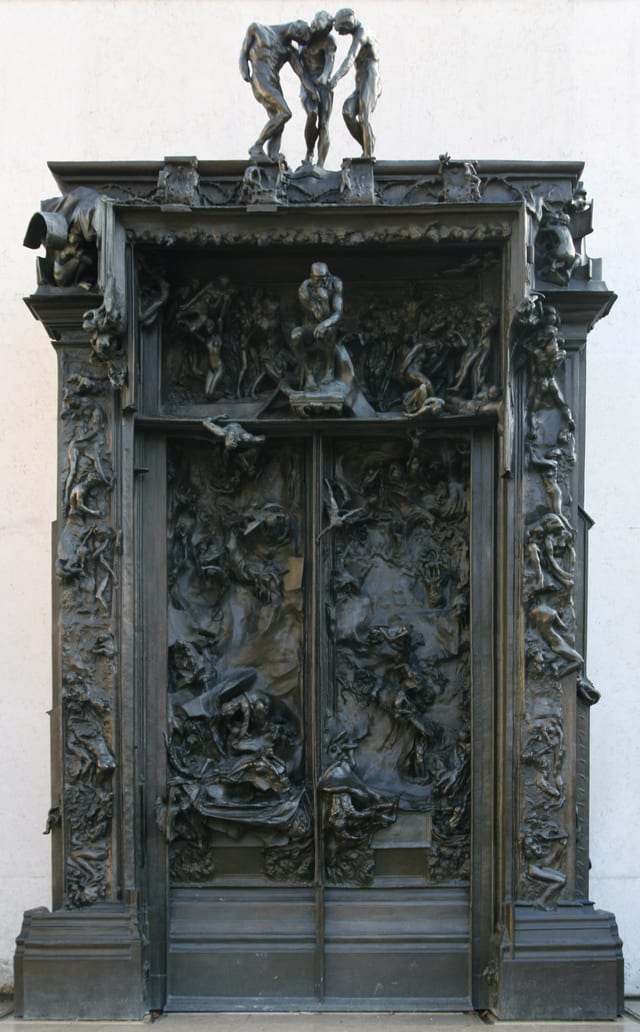
Auguste Rodin
France · 26 in the archive
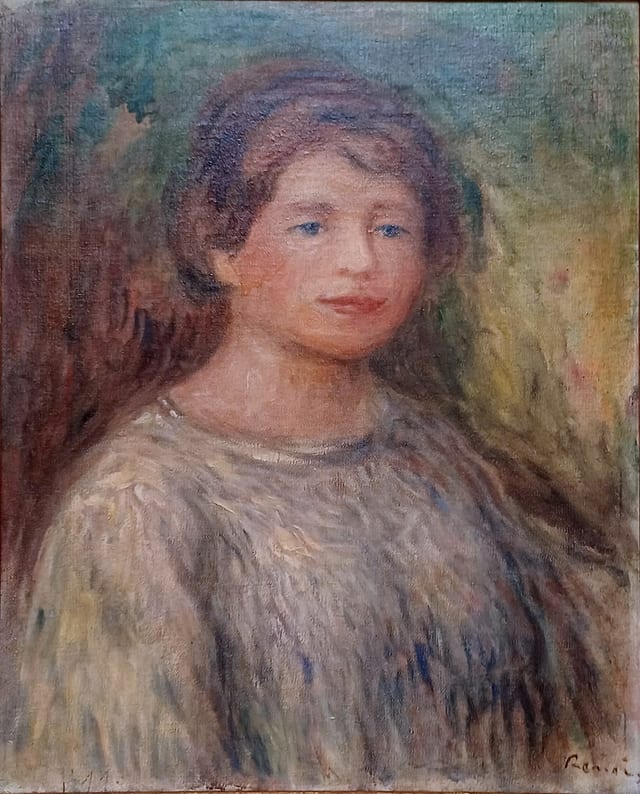
Auguste Renoir
France · 5 in the archive
Vincent van Gogh
Dutch · 4 in the archive
Artemisia Gentileschi
Papal States · 3 in the archive
El Greco
Greek · 3 in the archive
Claude Monet
France · 2 in the archive
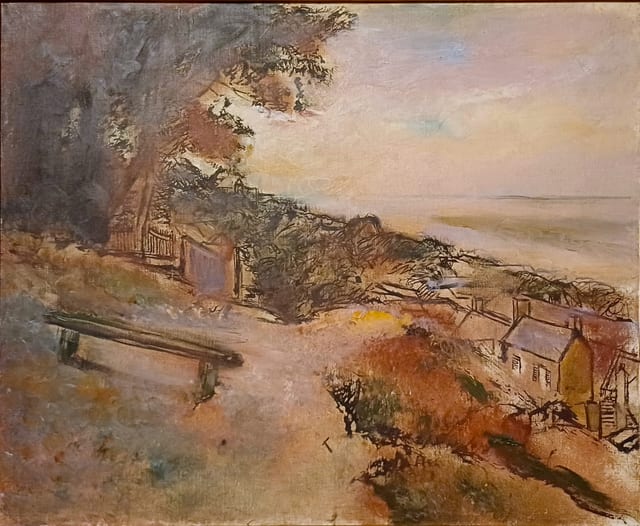
Edgar Degas
French · 2 in the archive
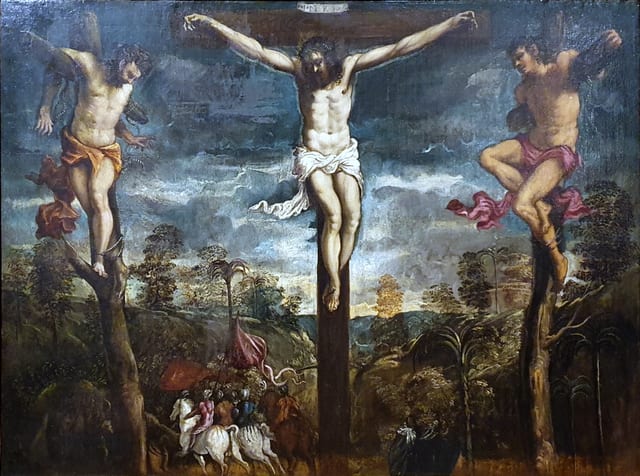
Jacopo Tintoretto
Italian · 2 in the archive
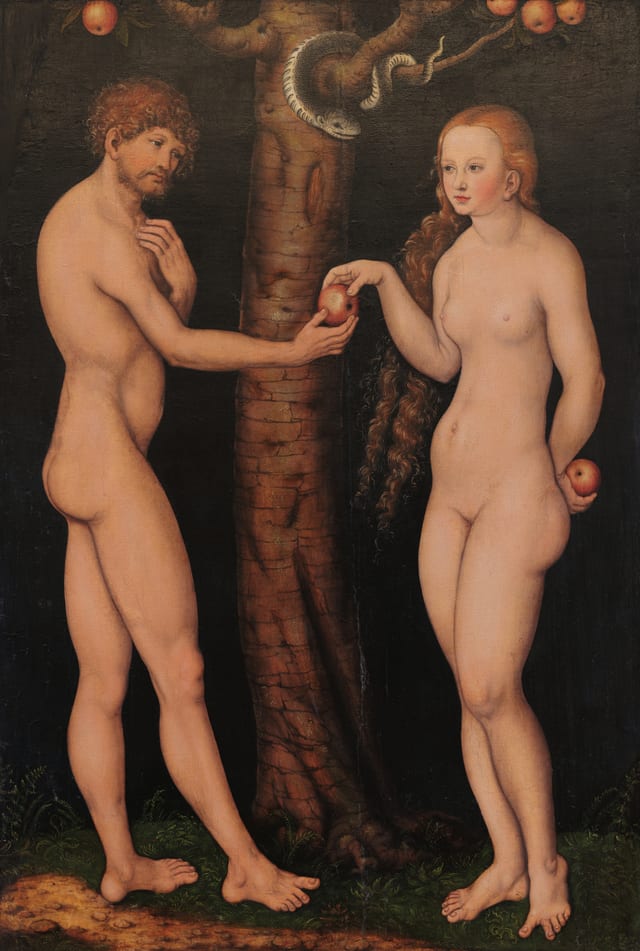
Lucas Cranach the Elder
German · 2 in the archive
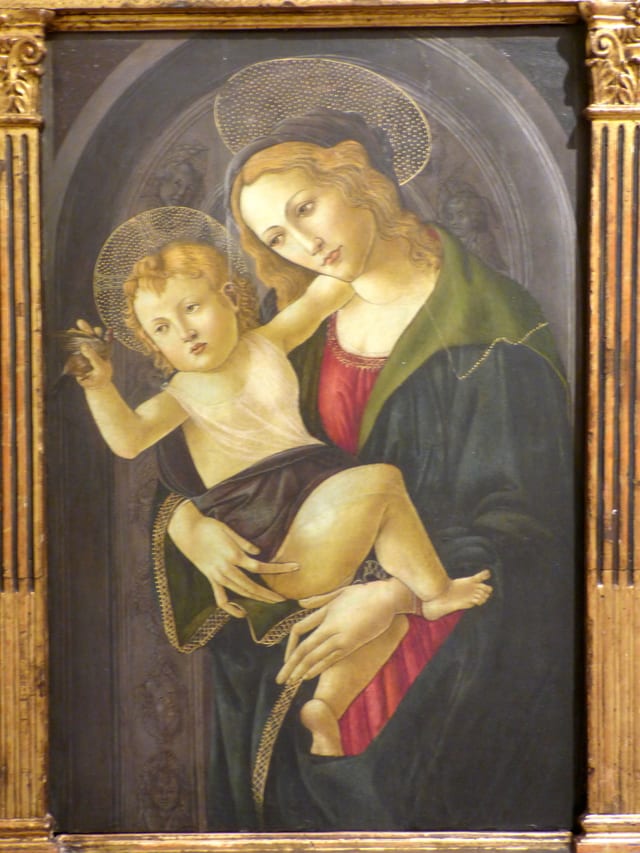
Sandro Botticelli
Italian · 2 in the archive
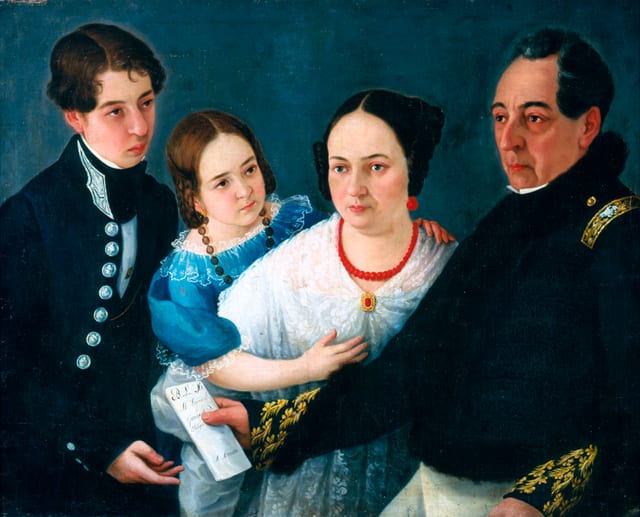
Agustín Arrieta
Mexico · 1 in the archive
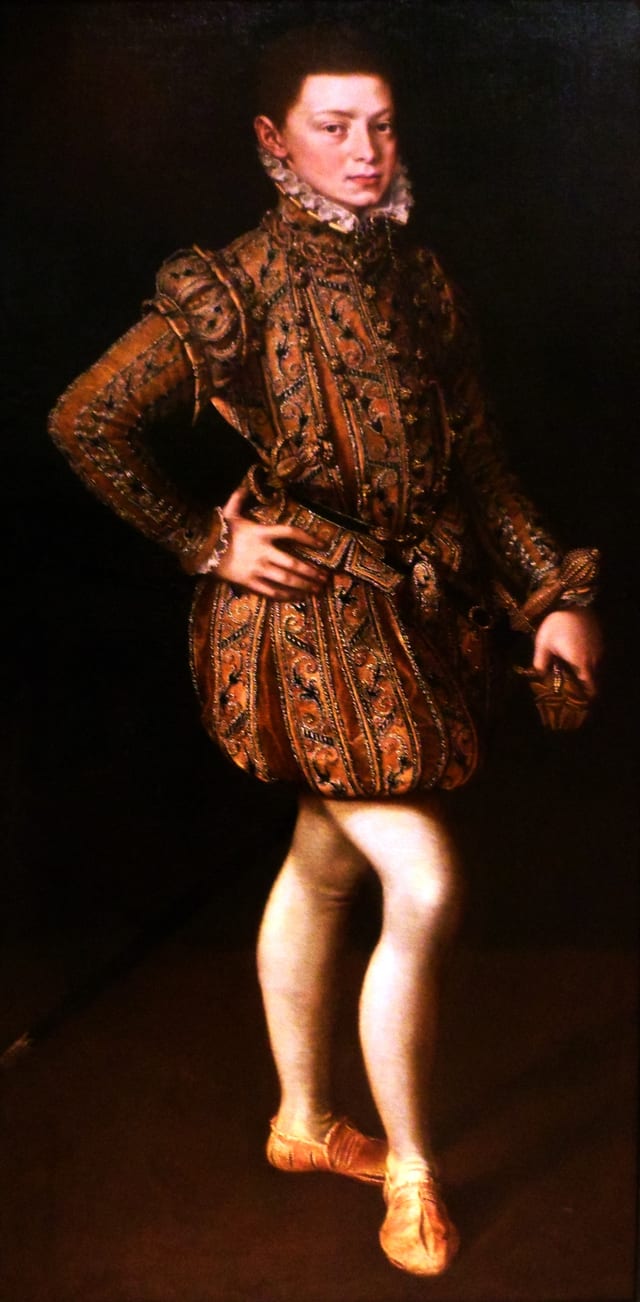
Alonso Sánchez Coello
Crown of Aragon · 1 in the archive
Invite the masters into your living room.
Cristóbal de Villalpando on your TV, phone, or tablet. Free to start.
View on MomentableIndependent guide by Momentable · biography from Wikipedia · artworks are in the public domain and credited to the museum that holds them