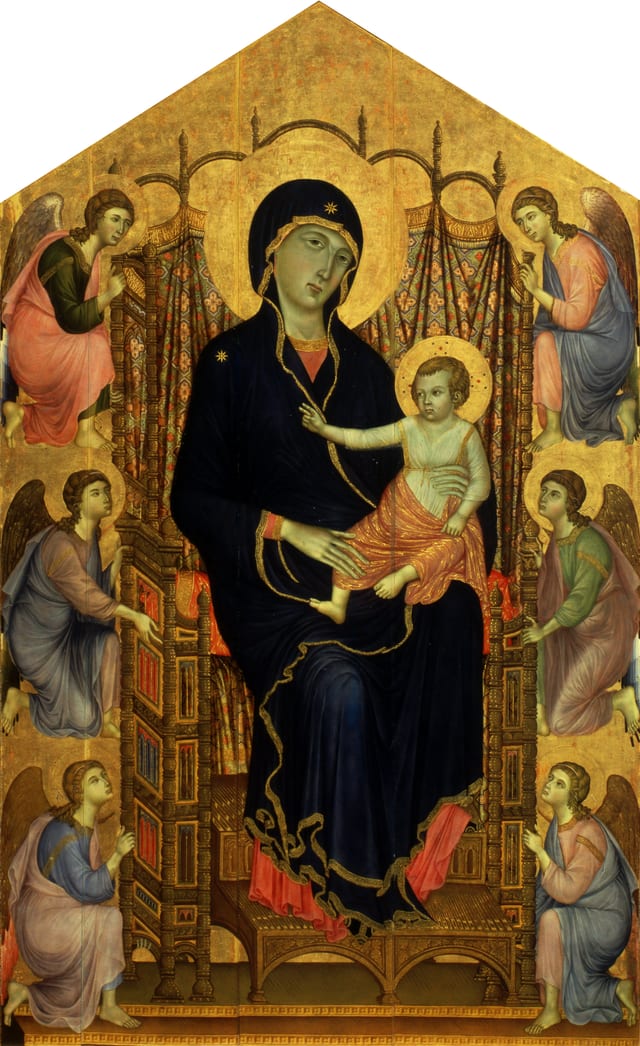
Rucellai Madonna
Duccio di Buoninsegna · 1285

Duccio di Buoninsegna
Italian · 1255–1319
Duccio di Buoninsegna, commonly known as just Duccio, was an Italian painter active in Siena, Tuscany, in the late 13th and early 14th century. He was hired throughout his life to complete many important works in government and religious buildings around Italy. Duccio is considered one of the greatest Italian painters of the Middle Ages, and is credited with creating the painting styles of Trecento Gothic style and the Sienese school.
Independent artist guide by Momentable. Biography from Wikipedia; artworks credited to the museums that hold them.
 LIVENow streaming · Rucellai Madonna
- life
- 1255–1319life
- movement
- Sienese schoolmovement
The work
A selection of 3 works, free to stream.
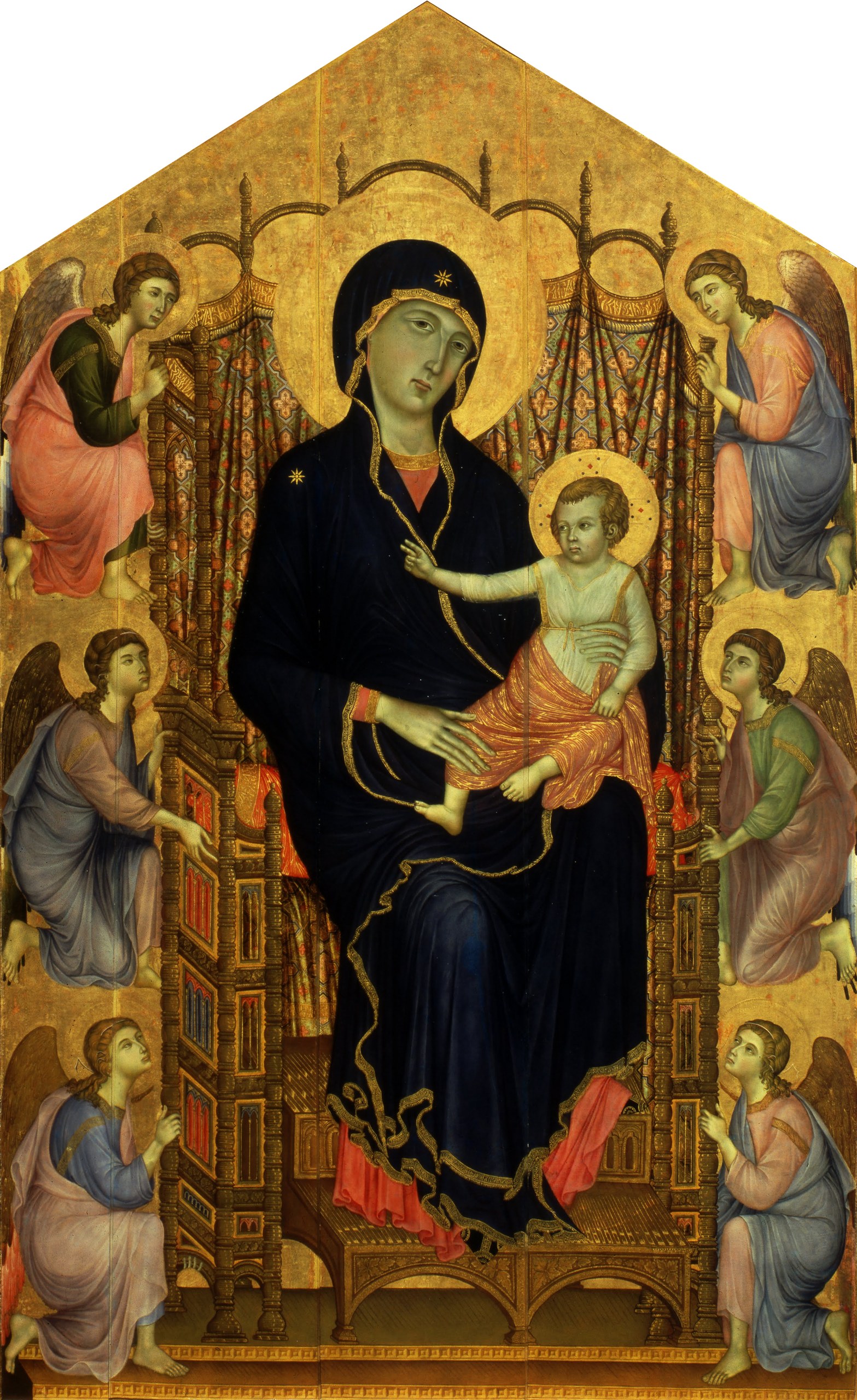
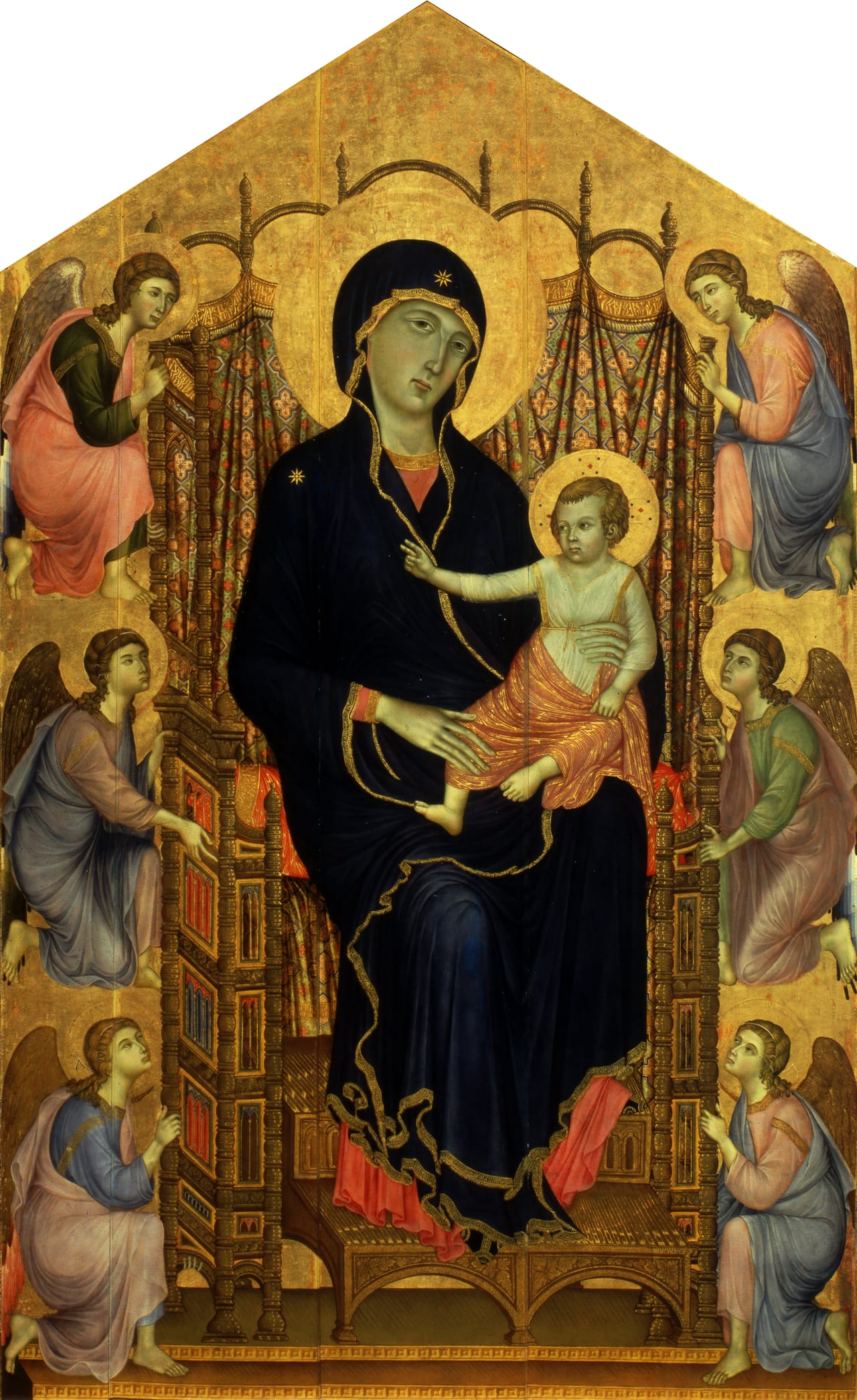
Rucellai Madonna
Duccio di Buoninsegna · 1285
Uffizi Gallery
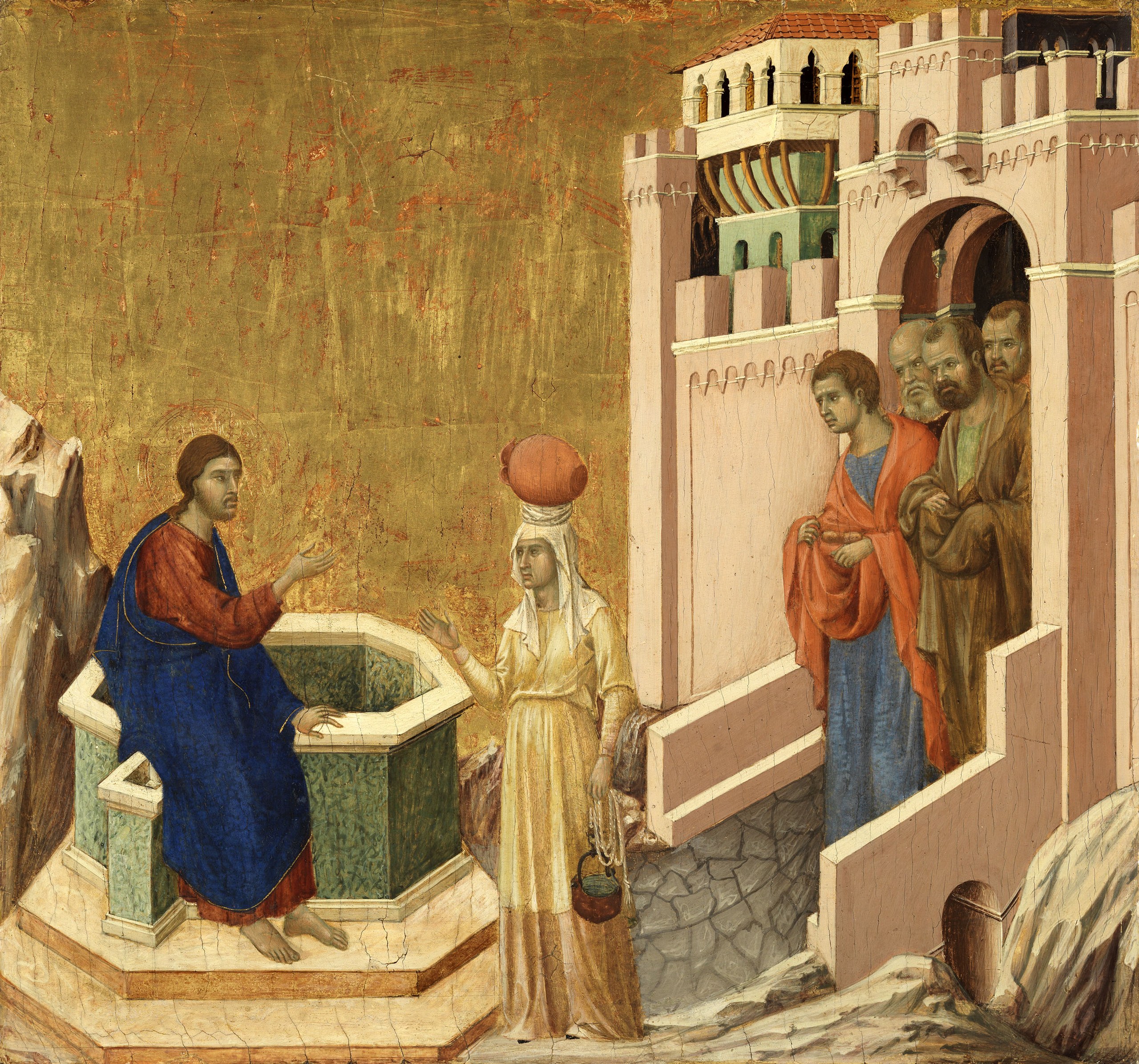
Christ and the Samaritan Woman
Duccio di Buoninsegna · 1310
Thyssen-Bornemisza Museum
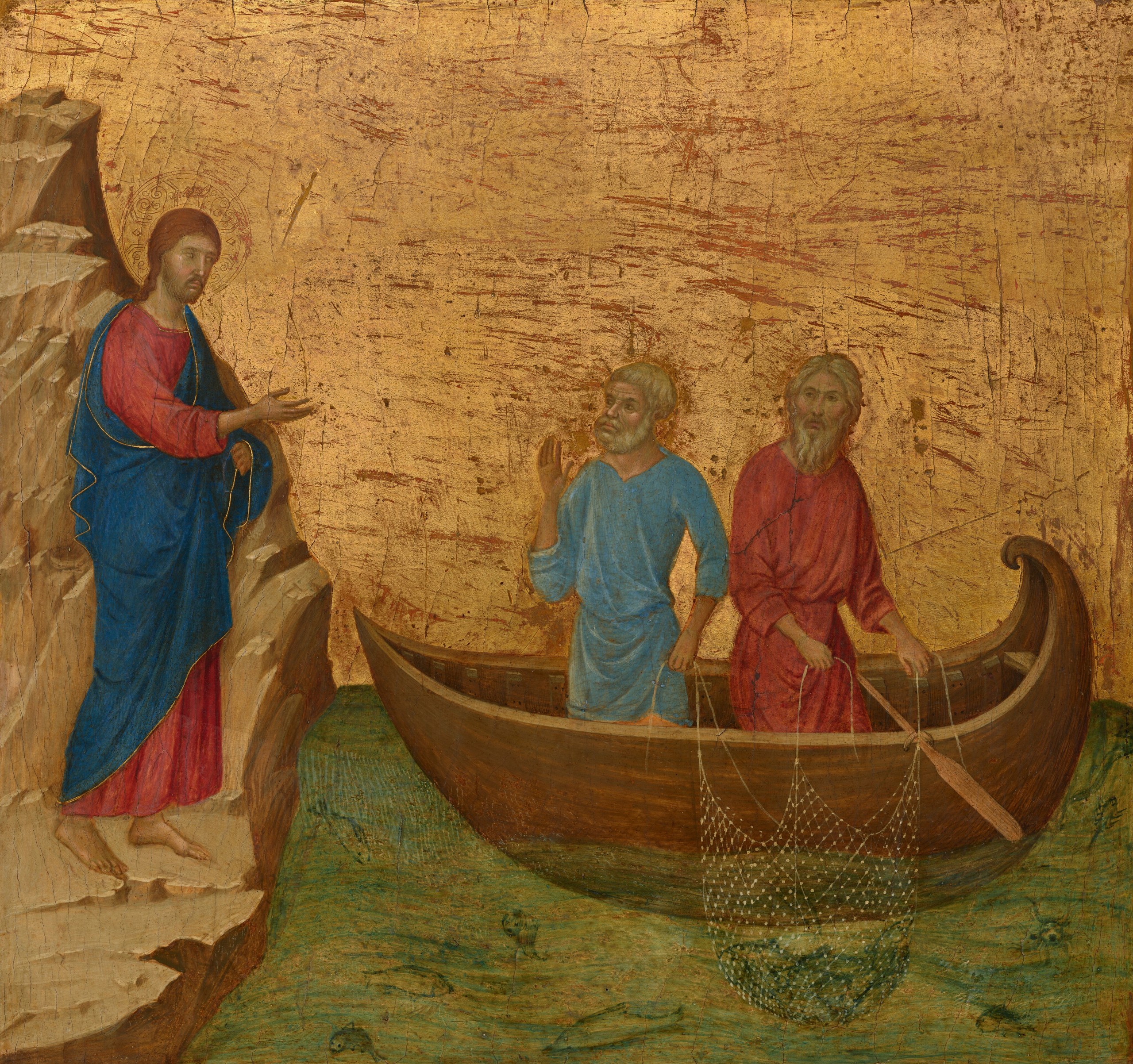
The Calling of the Apostles Peter and Andrew
Duccio di Buoninsegna
National Gallery of Art
Works worth knowing
2 of Duccio di Buoninsegna's works, and what makes each one worth a look.
Rucellai Madonna
Duccio di Buoninsegna · 1285
Uffizi Gallery
The Rucellai Madonna is a panel painting by the Sienese painter Duccio di Buoninsegna showing the Virgin and Child enthroned with Angels. The contract for the work is dated 1285. The painting was probably completed in 1286, and was commissioned by the Laudesi confraternity of Florence to decorate the chapel they maintained in the Dominican church of Santa Maria Novella.
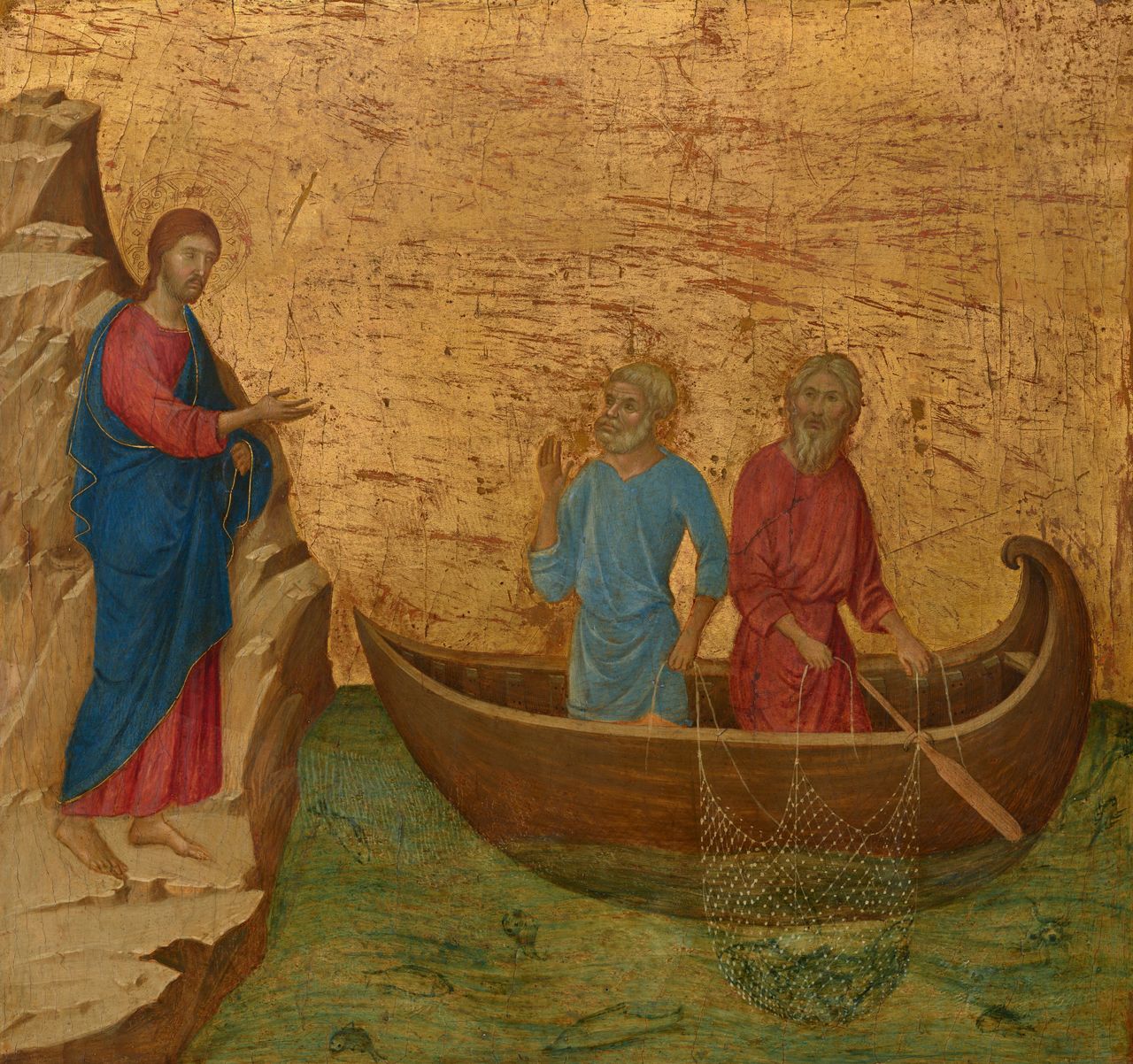
The Calling of the Apostles Peter and Andrew
Duccio di Buoninsegna
National Gallery of Art
The Maestà, or Maestà of Duccio, is an altarpiece composed of many separate paintings commissioned from Duccio di Buoninsegna by the city of Siena in Tuscany in 1308 and is his major work. Duccio's Maestà was the first altarpiece to have both a front and back side. The front panels make up a large enthroned Madonna and Child with saints and angels, and a predella of the Childhood of Christ with prophets.
How Duccio di Buoninsegna worked
From the record of their own practice.
Duccio's known works are on wood panel, painted in egg tempera and embellished with gold leaf. Differently from his contemporaries and artists before him, Duccio was a master of tempera and managed to conquer the medium with delicacy and precision. There is no clear evidence that Duccio painted frescoes. Duccio's style was similar to Byzantine art in some ways, with its gold backgrounds and familiar religious scenes; however, it was also different and more experimental. Duccio began to break down the sharp lines of Byzantine art, and soften the figures.
Where the work hangs
The museums that hold it, and their visitor guides.
If you like Duccio di Buoninsegna
Artists held by the same museums.
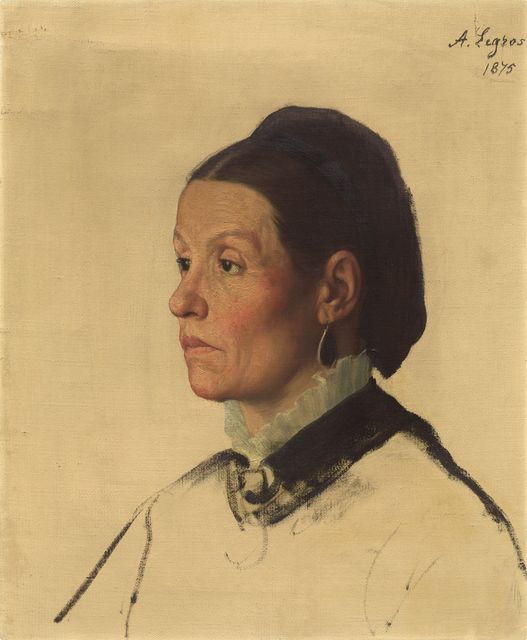
Alphonse Legros
French · 561 in the archive
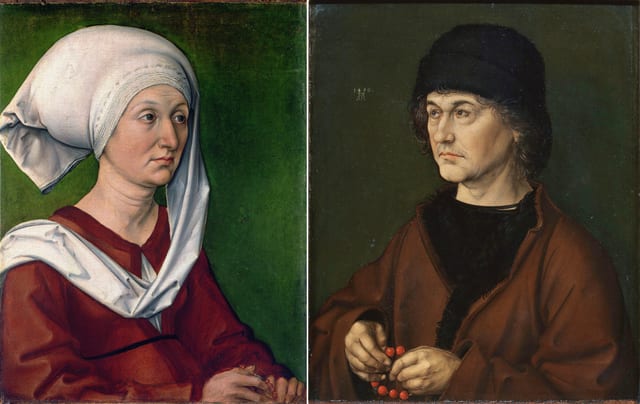
Albrecht Dürer
German · 290 in the archive
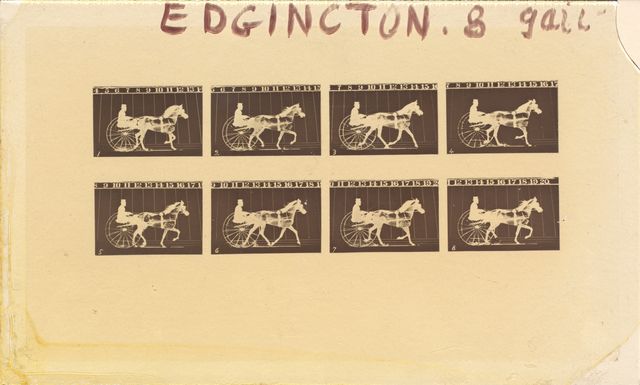
Eadweard Muybridge
English · 259 in the archive
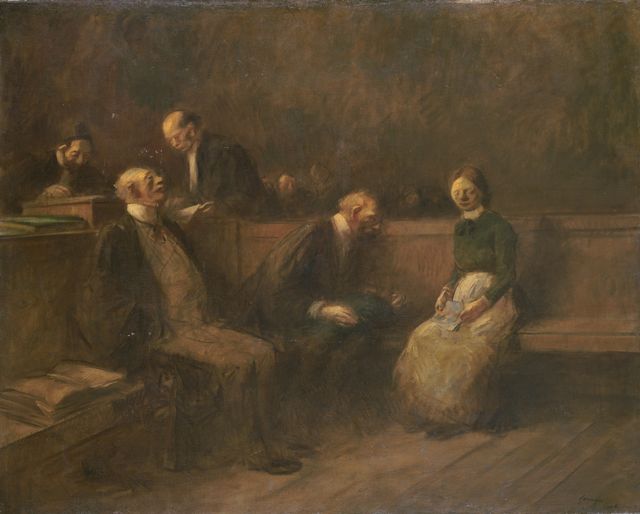
Jean-Louis Forain
French · 259 in the archive
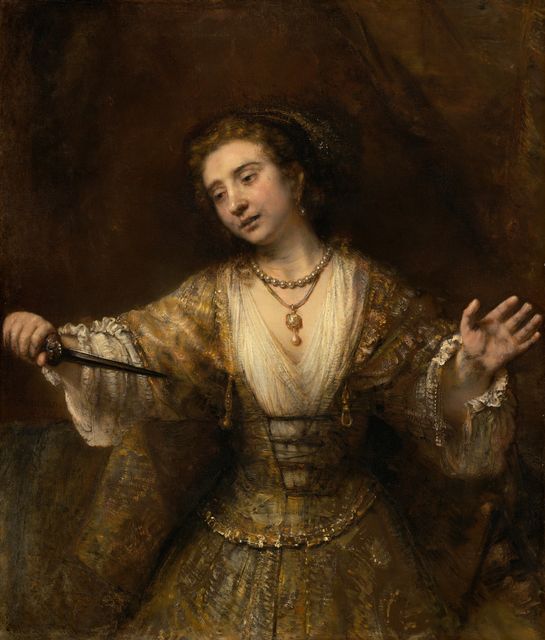
Rembrandt van Rijn
Dutch · 252 in the archive
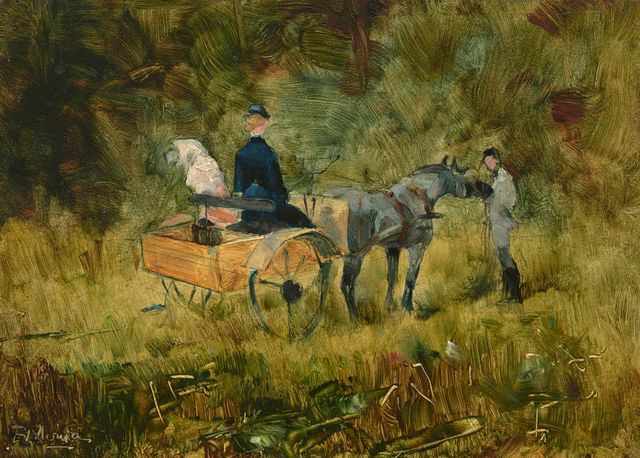
Henri de Toulouse-Lautrec
French · 243 in the archive
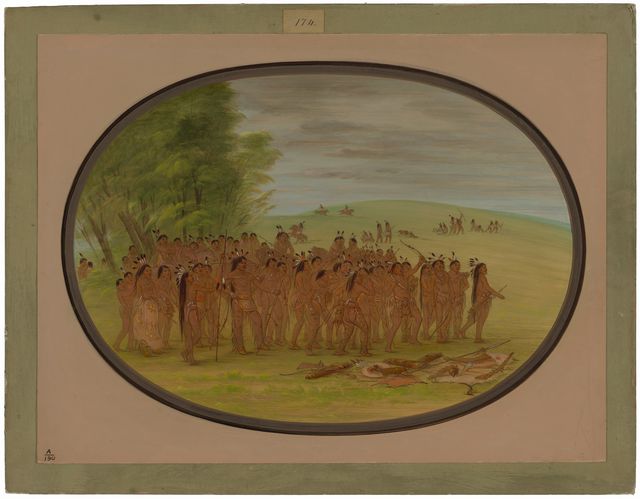
George Catlin
United States · 223 in the archive
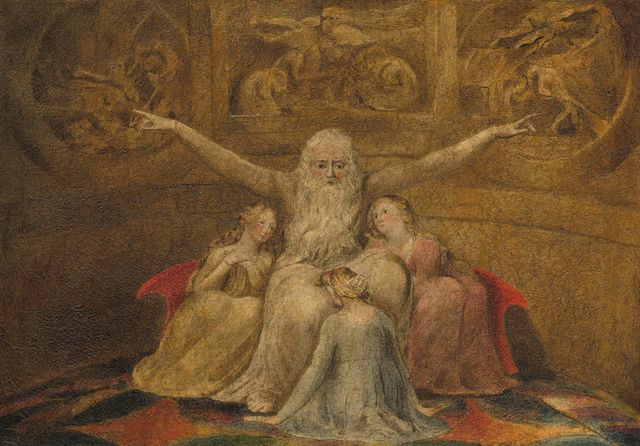
William Blake
United Kingdom of Great Britain and Ireland · 173 in the archive
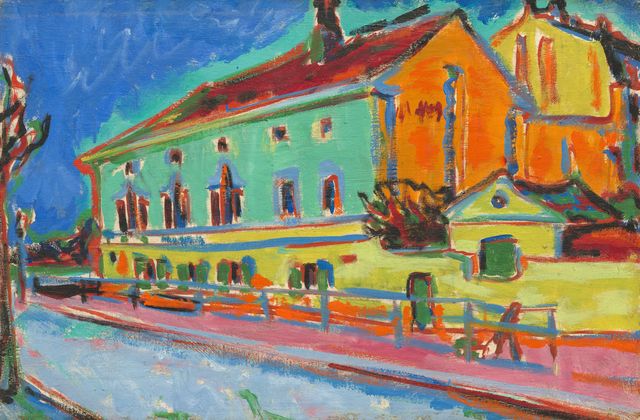
Ernst Ludwig Kirchner
German · 148 in the archive
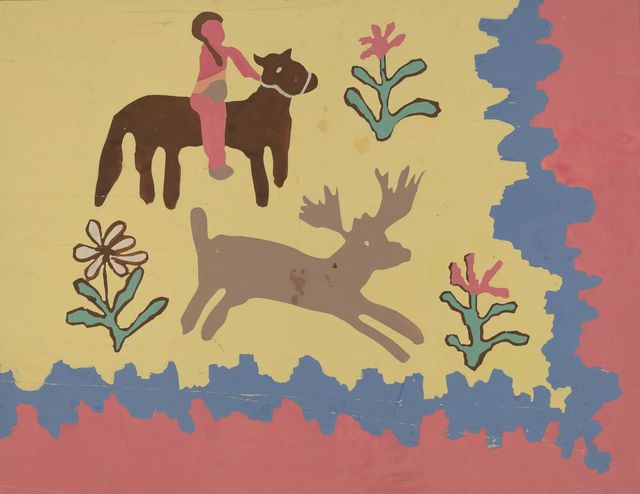
Majel G. Claflin
United States · 135 in the archive
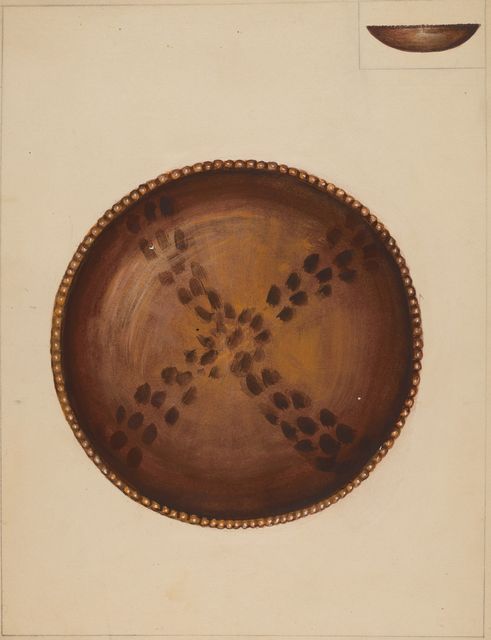
Mina Lowry
United States · 124 in the archive
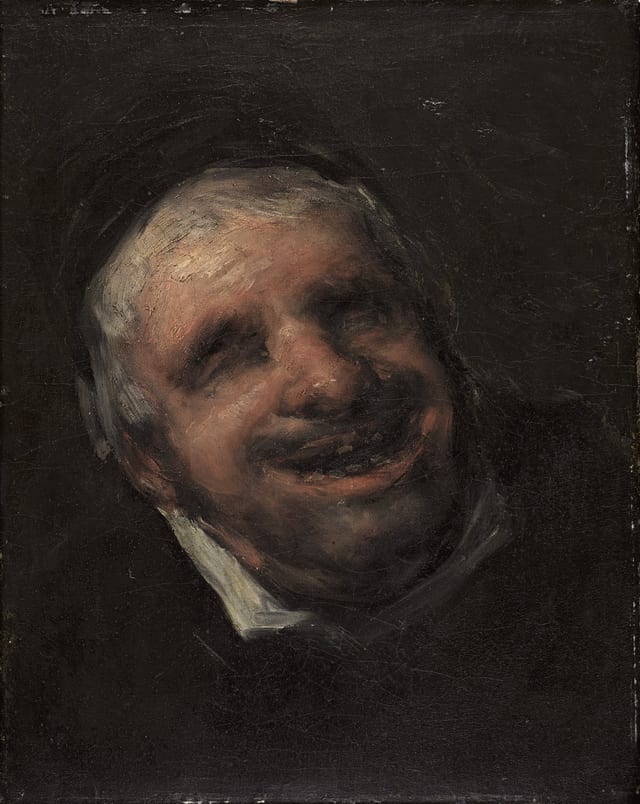
Francisco Goya
Spanish · 115 in the archive
Invite the masters into your living room.
Duccio di Buoninsegna on your TV, phone, or tablet. Free to start.
View on MomentableIndependent guide by Momentable · biography from Wikipedia · artworks are in the public domain and credited to the museum that holds them