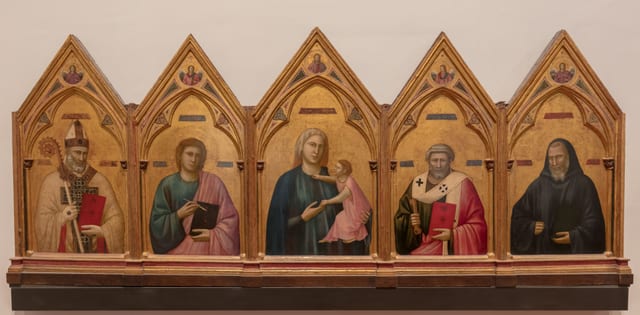
Badia Polyptych
Giotto · 1300

Giotto
Italian · 1267–1337
Giotto di Bondone, known mononymously as Giotto, was an Italian painter and architect from Florence during the Late Middle Ages. He worked during the Gothic and Proto-Renaissance period. Giotto's contemporary, the banker and chronicler Giovanni Villani, wrote that Giotto was "the most sovereign master of painting in his time, who drew all his figures and their postures according to nature" and of his publicly recognized "talent and excellence". Giorgio Vasari described Giotto as making a decisive break from the prevalent Byzantine style and as initiating "the great art of painting as we know it today, introducing the technique of drawing accurately from life, which had been neglected for more than two hundred years".
Independent artist guide by Momentable. Biography from Wikipedia; artworks credited to the museums that hold them.
 LIVENow streaming · Badia Polyptych
- life
- 1267–1337life
- movement
- Proto-Renaissancemovement
The work
A selection of 4 works, free to stream.
Badia Polyptych
Giotto · 1300
Uffizi Gallery
Stefaneschi Triptych
Giotto · 1320
Vatican Museums
Madonna Enthroned
Giotto · 1300
Uffizi Gallery
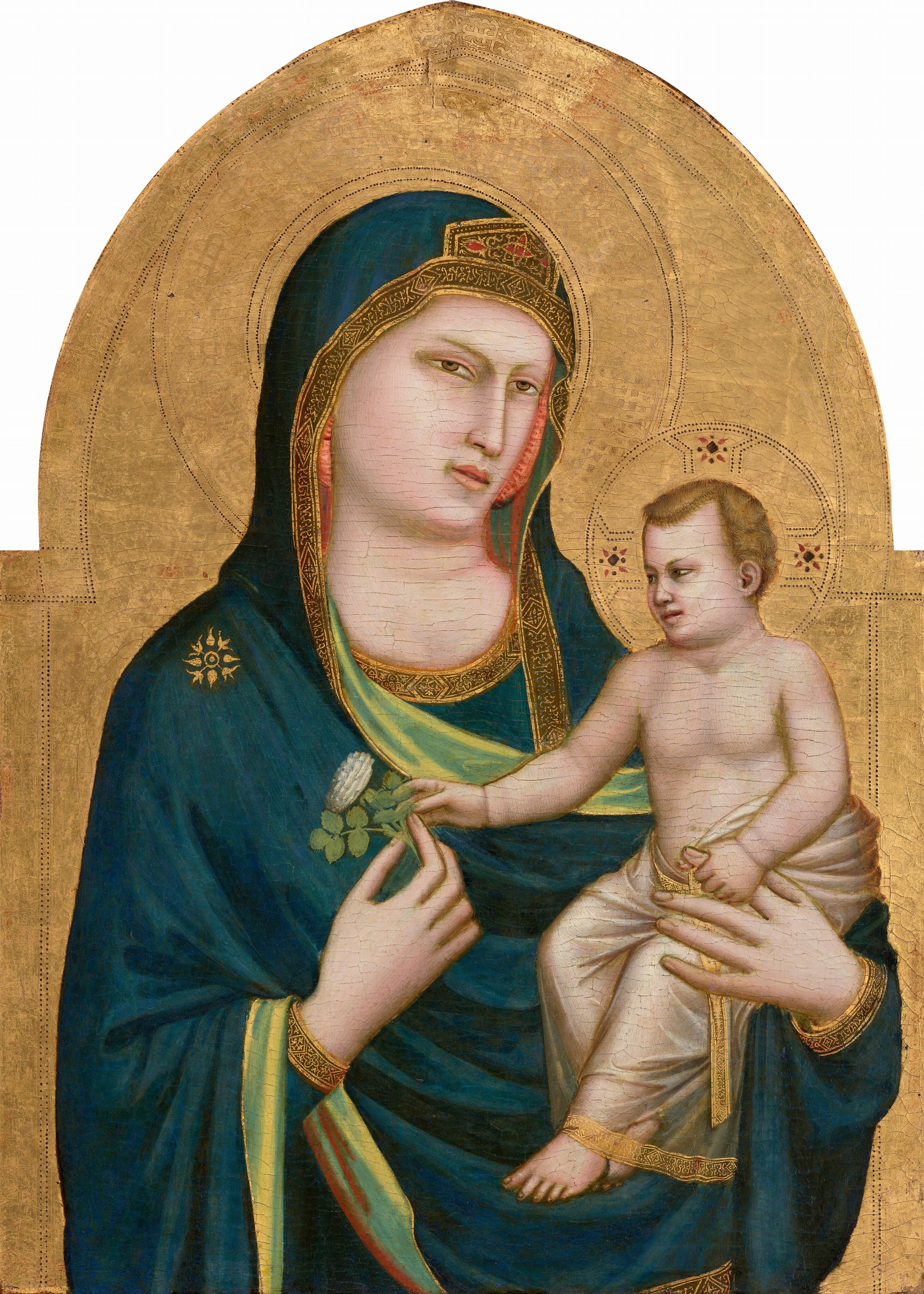
Madonna and Child
Giotto
National Gallery of Art
Works worth knowing
What Giotto made, and why each one is worth looking at.
Badia Polyptych
Giotto · 1300
Uffizi Gallery
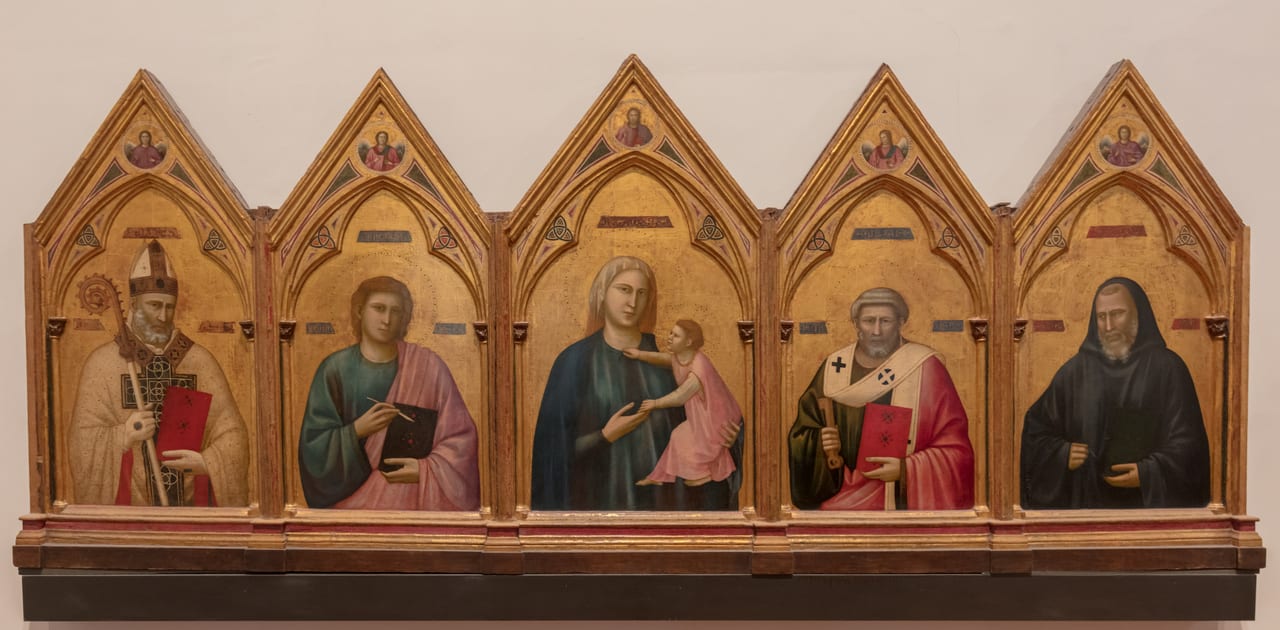
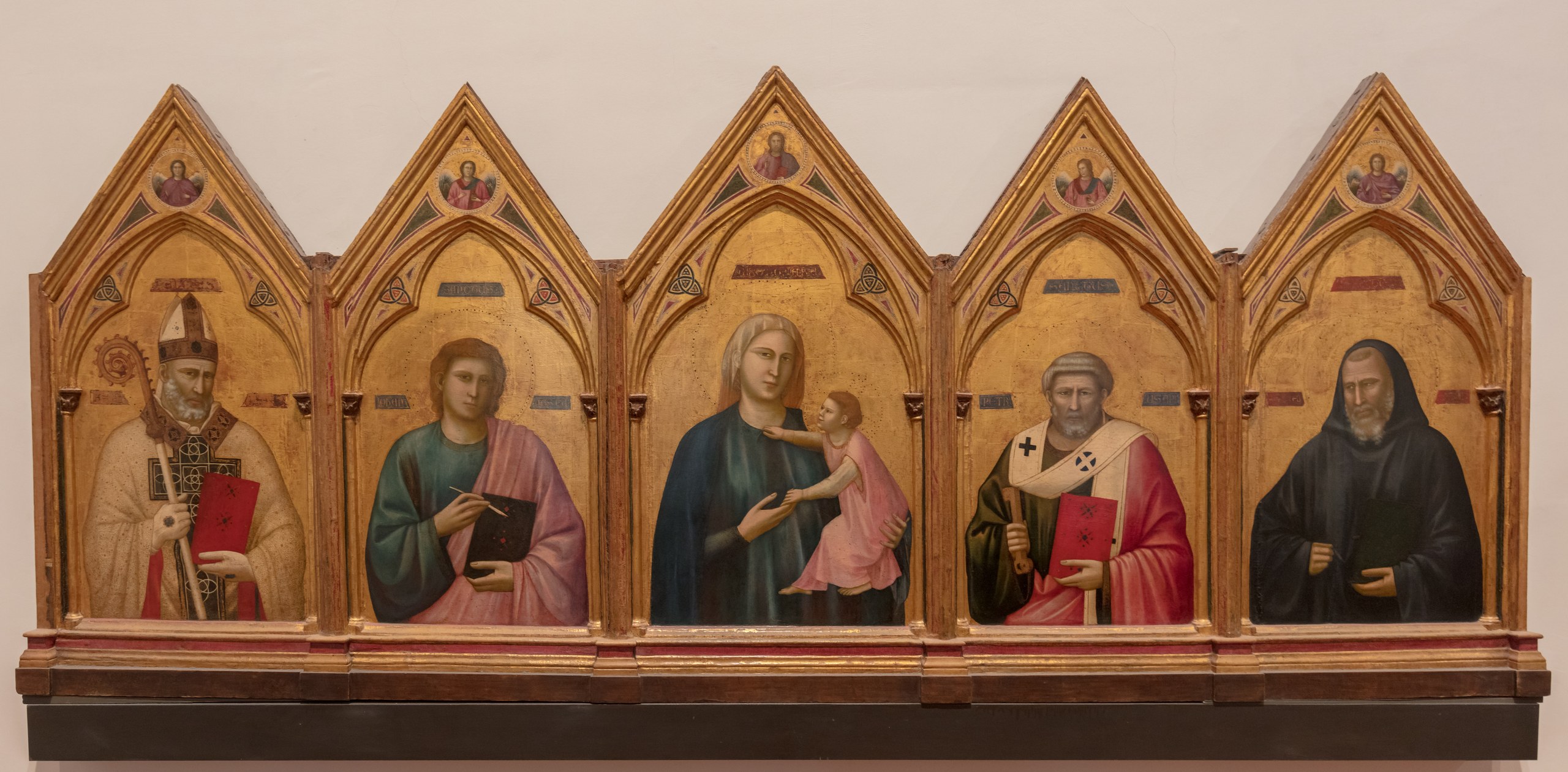
The Badia Polyptych is a painting by the Italian artist Giotto, painted around 1300 and housed in the Uffizi Gallery of Florence. Earlier sources such as Lorenzo Ghiberti's Commentarii and Giorgio Vasari's Lives agree in mentioning the presence of a polyptych by Giotto at the high altar in the Badia Fiorentina. However, the work was not documented anymore for centuries, and was considered to be lost.
Stefaneschi Triptych
Giotto · 1320
Vatican Museums
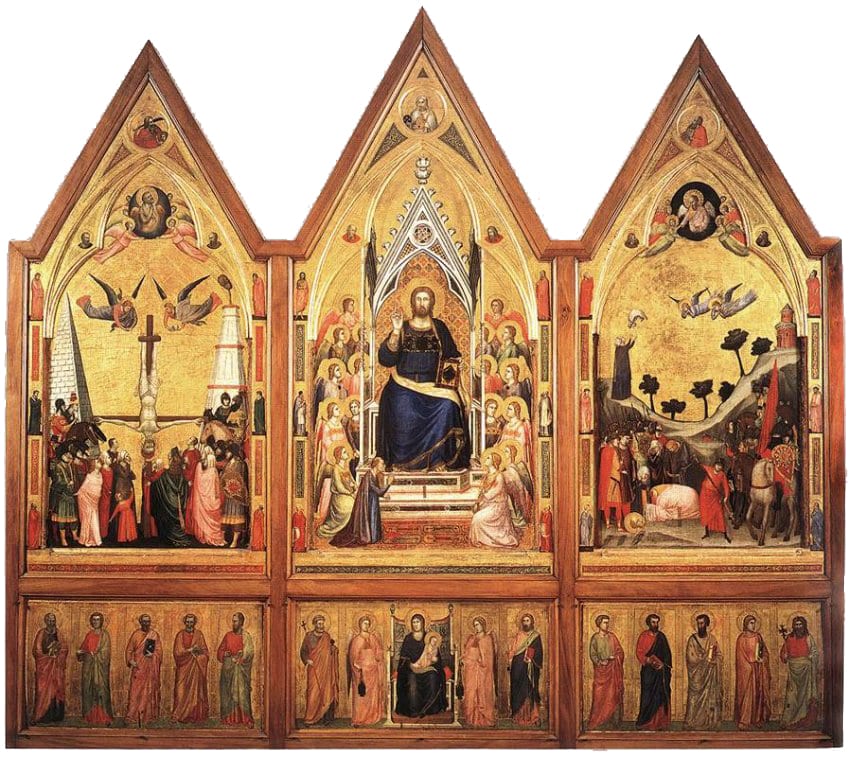
The Stefaneschi Altarpiece is a triptych by the Italian painter Giotto, from c. It was commissioned by Cardinal Giacomo Gaetani Stefaneschi to serve as an altarpiece for one of the altars of Old St. Peter's Basilica in Rome.
Madonna Enthroned
Giotto · 1300
Uffizi Gallery
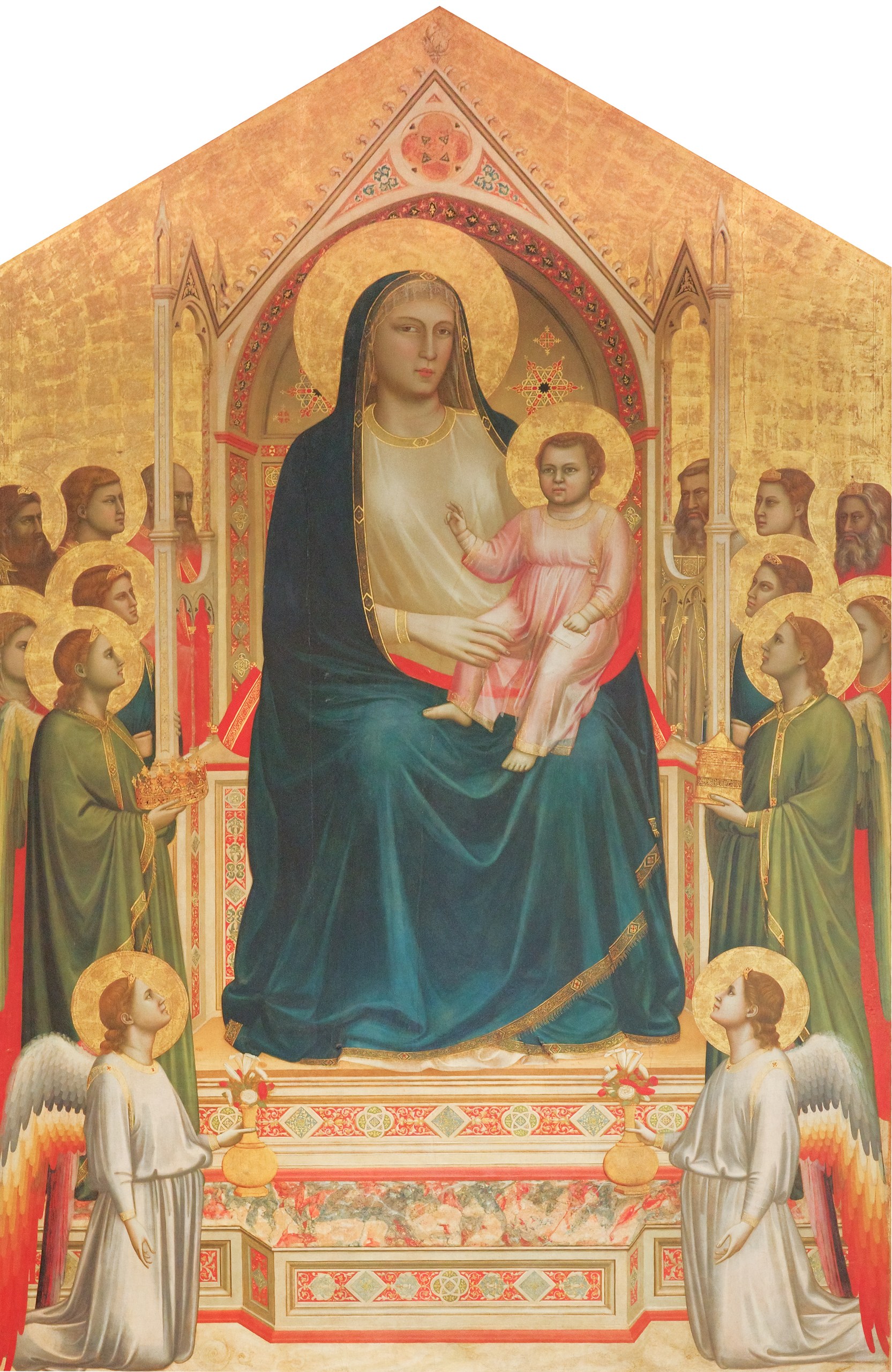
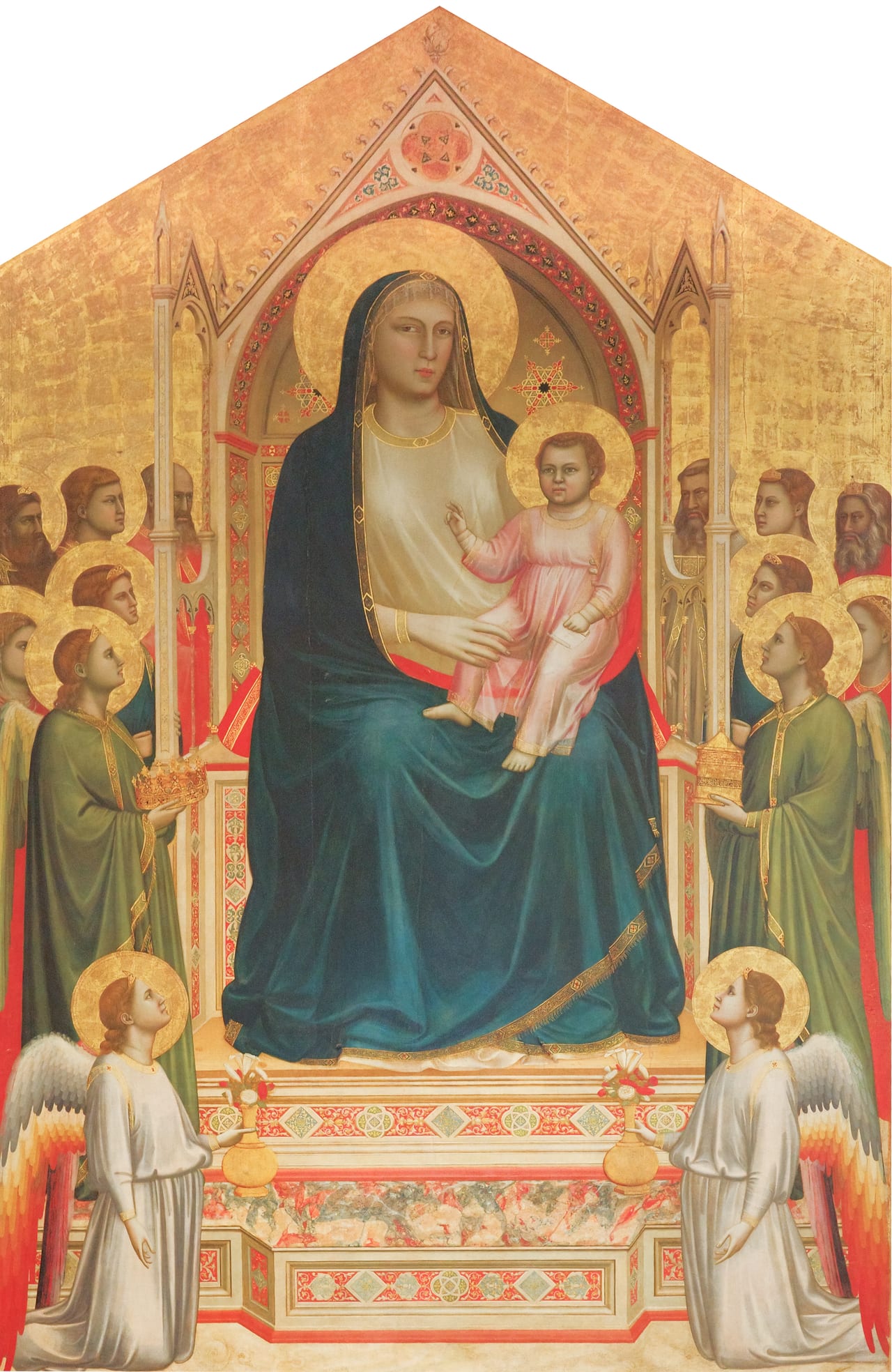
Madonna Enthroned, also known as the Ognissanti Madonna or Madonna Ognissanti, is a painting in tempera on wood panel by the Italian late medieval artist Giotto di Bondone, now in the Uffizi Gallery of Florence, Italy. The painting has the traditional Christian subject, of the Madonna and Child, representing the Virgin Mary and the Christ Child seated on her lap, with saints and angels surrounding them on all sides. This particular representation of the Virgin, enthroned and surrounded by a court-like company, is called a Maestà, a popular representation at the time.
Madonna and Child
Giotto
National Gallery of Art
Madonna Enthroned, also known as the Ognissanti Madonna or Madonna Ognissanti, is a painting in tempera on wood panel by the Italian late medieval artist Giotto di Bondone, now in the Uffizi Gallery of Florence, Italy. The painting has the traditional Christian subject, of the Madonna and Child, representing the Virgin Mary and the Christ Child seated on her lap, with saints and angels surrounding them on all sides. This particular representation of the Virgin, enthroned and surrounded by a court-like company, is called a Maestà, a popular representation at the time.
How Giotto worked
From the record of their own practice.
Giotto's style drew on the solid and classicizing sculpture of Arnolfo di Cambio. Unlike those by Cimabue and Duccio, Giotto's figures are not stylized or elongated and do not follow Byzantine models. They are solidly three-dimensional, have faces and gestures that are based on close observation, and are clothed, not in swirling formalized drapery, but in garments that hang naturally and have form and weight. He also took bold steps in foreshortening and having characters face inwards, with their backs towards the observer, creating the illusion of space. The figures occupy compressed settings with naturalistic elements, often using forced perspective devices so that they resemble stage sets.
Where the work hangs
The museums that hold it, and their visitor guides.
If you like Giotto
Artists held by the same museums.
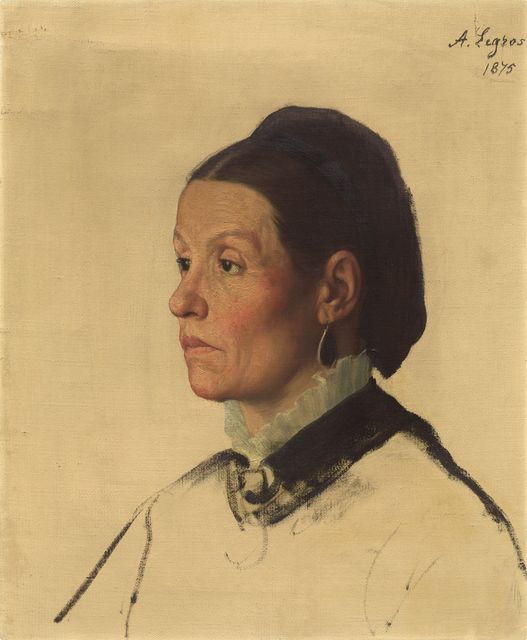
Alphonse Legros
French · 561 in the archive
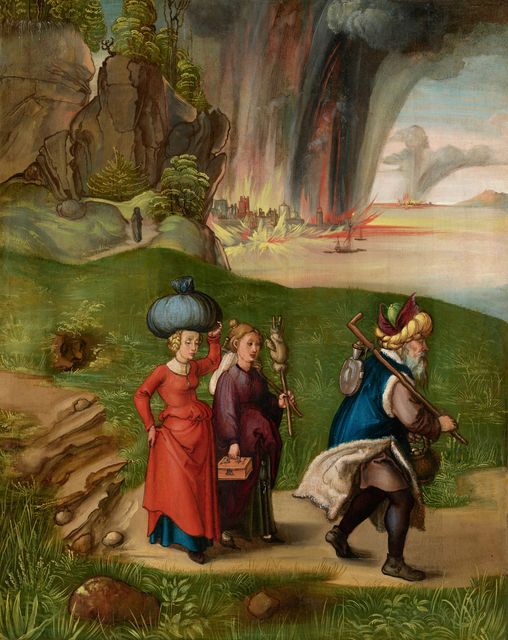
Albrecht Dürer
German · 289 in the archive
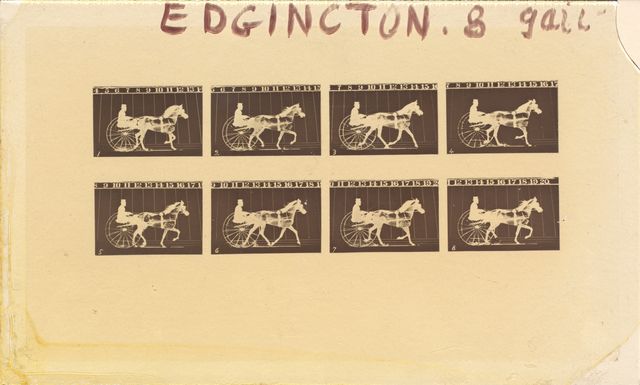
Eadweard Muybridge
English · 259 in the archive
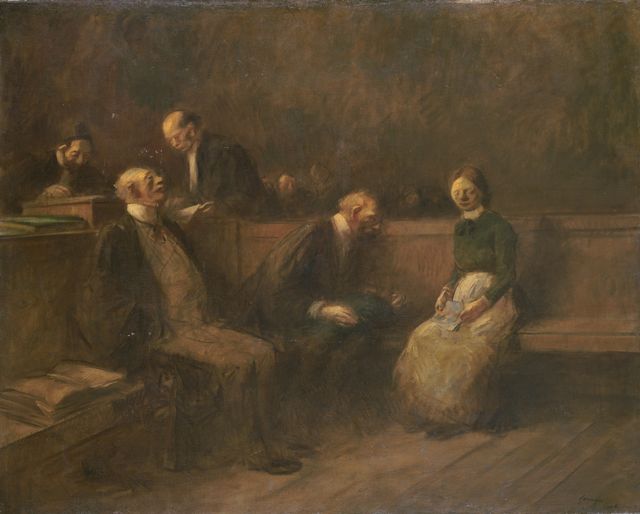
Jean-Louis Forain
French · 259 in the archive
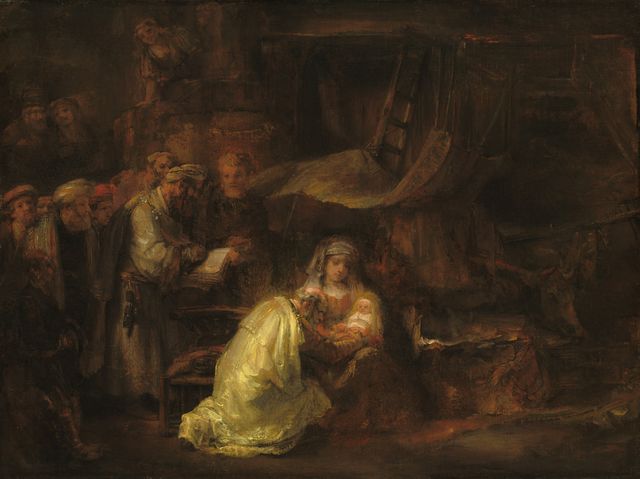
Rembrandt van Rijn
Dutch · 252 in the archive
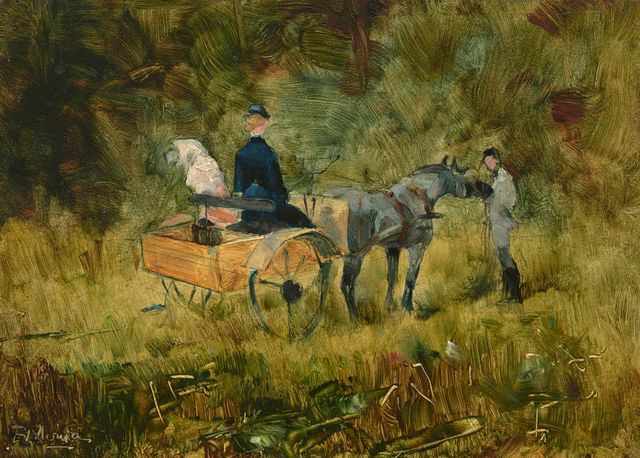
Henri de Toulouse-Lautrec
French · 242 in the archive
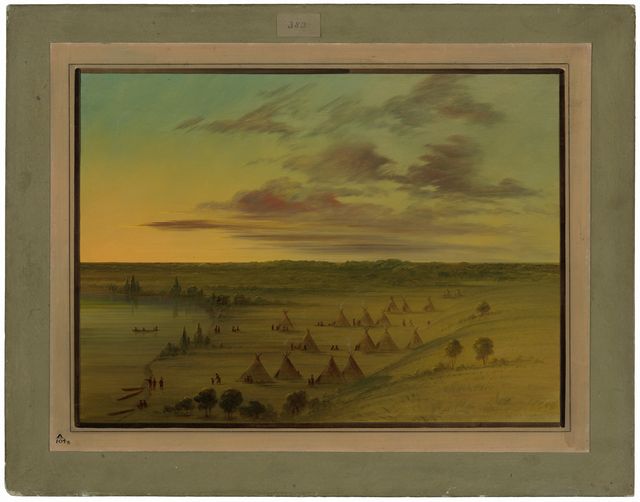
George Catlin
United States · 223 in the archive
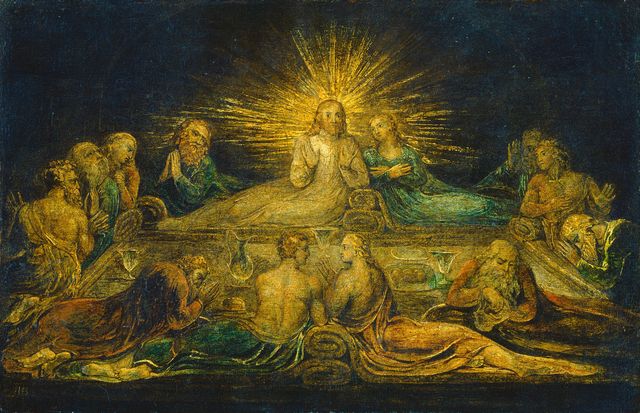
William Blake
United Kingdom of Great Britain and Ireland · 174 in the archive
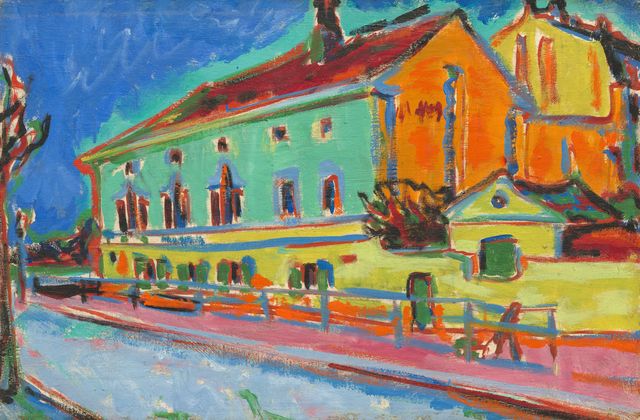
Ernst Ludwig Kirchner
German · 147 in the archive
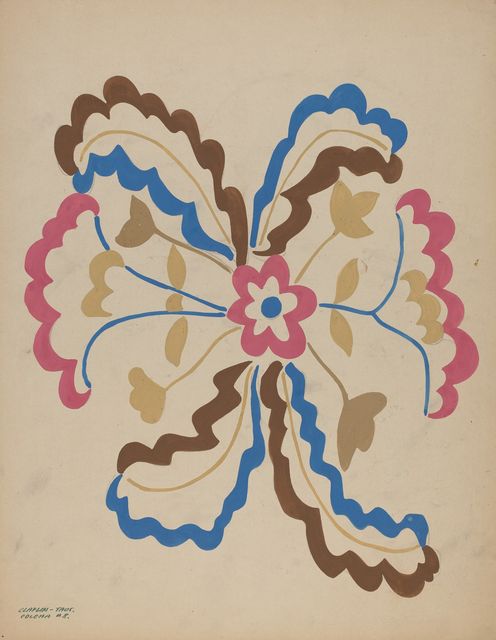
Majel G. Claflin
United States · 135 in the archive
Mina Lowry
United States · 124 in the archive
Francisco Goya
Spanish · 113 in the archive
Invite the masters into your living room.
Giotto on your TV, phone, or tablet. Free to start.
View on MomentableIndependent guide by Momentable · biography from Wikipedia · artworks are in the public domain and credited to the museum that holds them