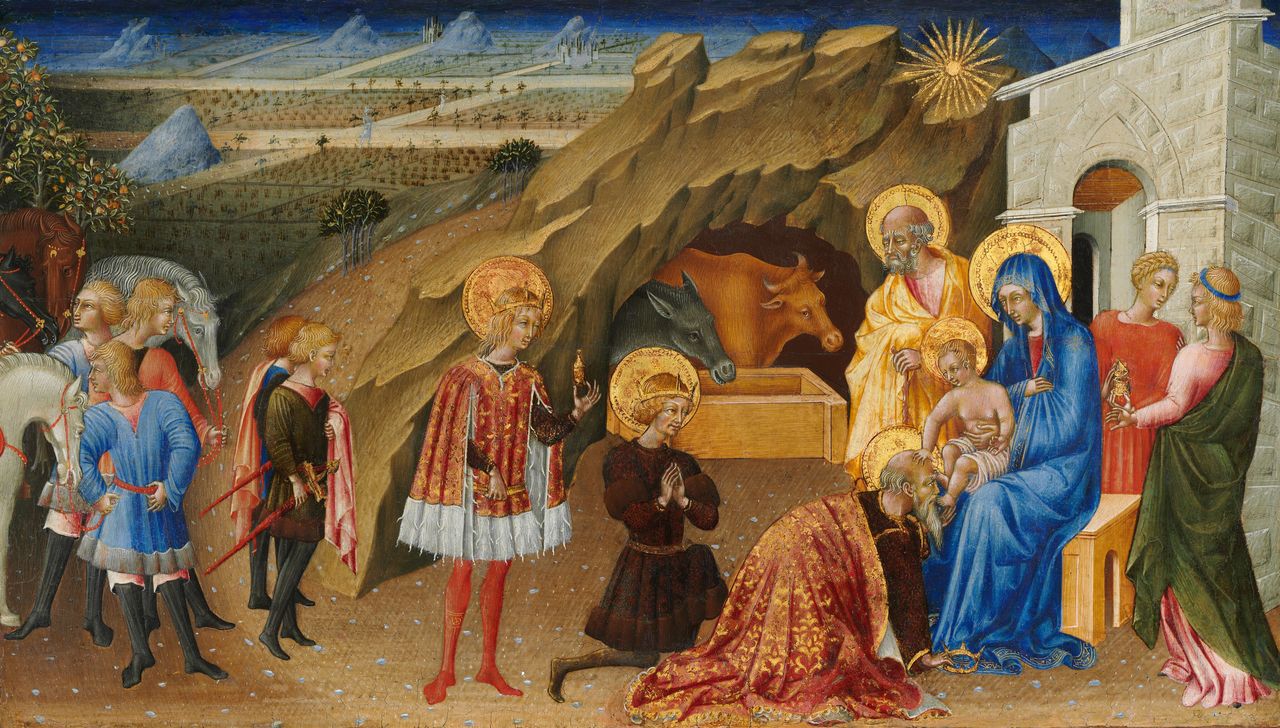
The Adoration of the Magi
Giovanni di Paolo

Giovanni di Paolo
Italian · 1403–1482
Giovanni di Paolo di Grazia was an Italian painter, working primarily in Siena, becoming a prolific painter and illustrator of manuscripts, including Dante's texts. He was one of the most important painters of the 15th century Sienese School. His early works show the influence of earlier Sienese masters, but his later style was more individual, characterized by cold, harsh colours and elongated forms. His style also took on the influence of International Gothic artists such as Gentile da Fabriano. Many of his works have an unusual dreamlike atmosphere, such as the surrealistic Miracle of St. Nicholas of Tolentino painted about 1455 and now housed in the Philadelphia Museum of Art, while his last works, particularly Last Judgment, Heaven, and Hell from about 1465 and Assumption painted in 1475, both at Pinacoteca Nazionale (Siena), are grotesque treatments of their lofty subjects. Giovanni's reputation declined after his death but was revived in the 20th century.
Independent artist guide by Momentable. Biography from Wikipedia; artworks credited to the museums that hold them.
 LIVENow streaming · The Adoration of the Magi
- life
- 1403–1482life
- movement
- Sienese schoolmovement
The work
A selection of 1 works, free to stream.
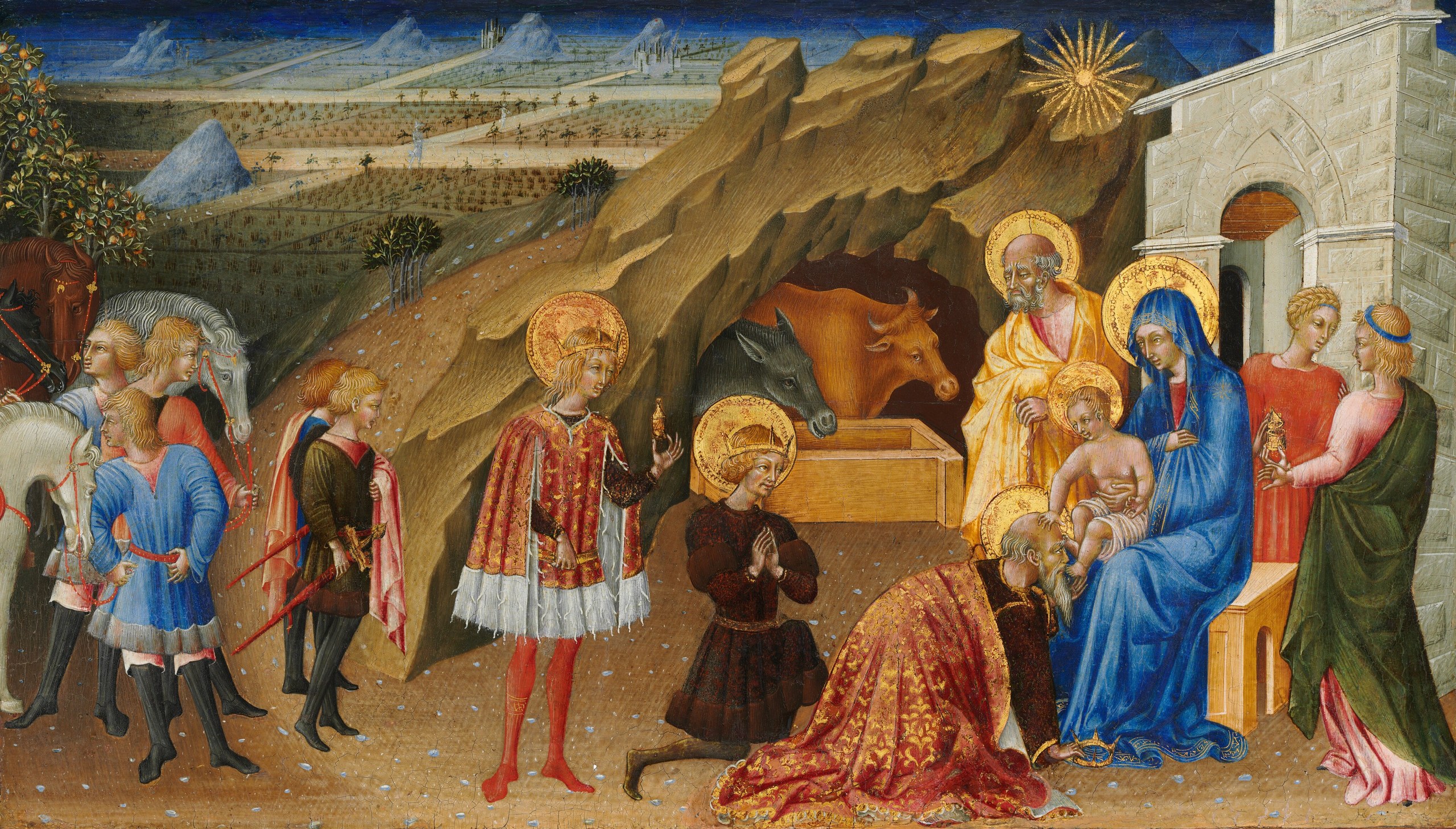
The Adoration of the Magi
Giovanni di Paolo
National Gallery of Art
Works worth knowing
What Giovanni di Paolo made, and why each one is worth looking at.
The Adoration of the Magi
Giovanni di Paolo
National Gallery of Art
The Adoration of the Magi by the Venetian artist Paolo Veronese is a large oil painting on canvas dated to 1573 which has been in the National Gallery, London since 1855, shortly after it was sold by the Venetian church for which it was commissioned. It shows the common subject in the Nativity art of the visit by the Three Kings to the infant Jesus, here given a grandly theatrical treatment typical of Veronese's mature works. It was not an altarpiece, having been painted to hang beside rather than over a side altar in the nave of the church.
How Giovanni di Paolo worked
From the record of their own practice.
Later in his life, Giovanni became greatly skilled at painting illuminated manuscripts, he illuminated choir books for the Augustinian monks at Lecceto as well as Dante's Divine Comedy. The illuminations that he created for Dante's poem are some of his most famous and best-preserved works. His illuminations are one area where viewers can see how Giovanni di Paolo differentiates himself from other Sienese artists. He may have been in contact with Franco-Flemish illuminators, who had been in Siena during Giovanni's early years. It seems their Northern influence may have rubbed off on Giovanni because his landscapes resemble those in the famous painting by the Limbourg brothers; Tres Riches Heures.
Where the work hangs
The museums that hold it, and their visitor guides.
If you like Giovanni di Paolo
Artists held by the same museums.
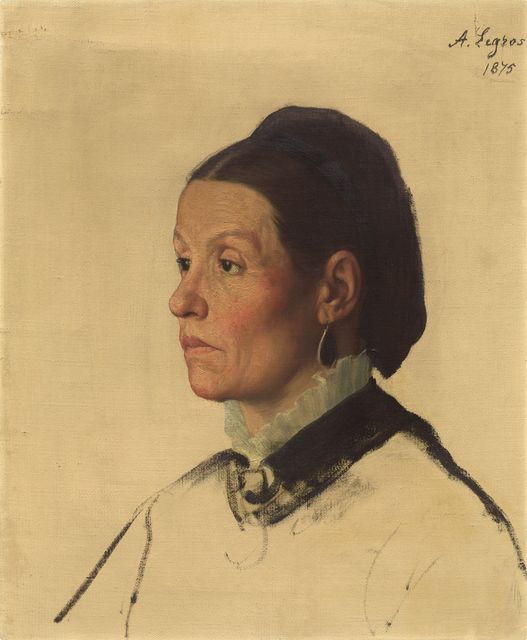
Alphonse Legros
French · 561 in the archive
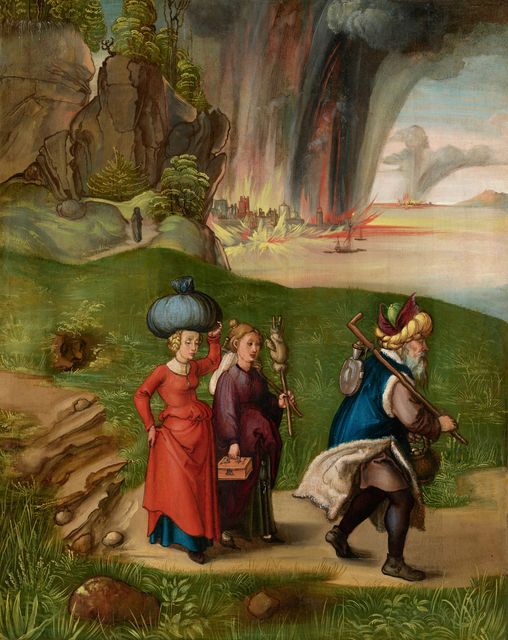
Albrecht Dürer
German · 287 in the archive
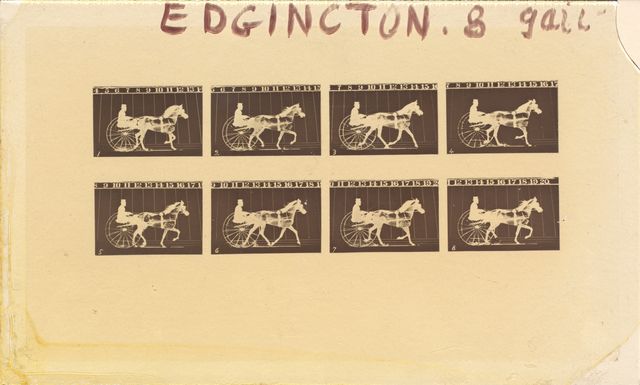
Eadweard Muybridge
English · 259 in the archive
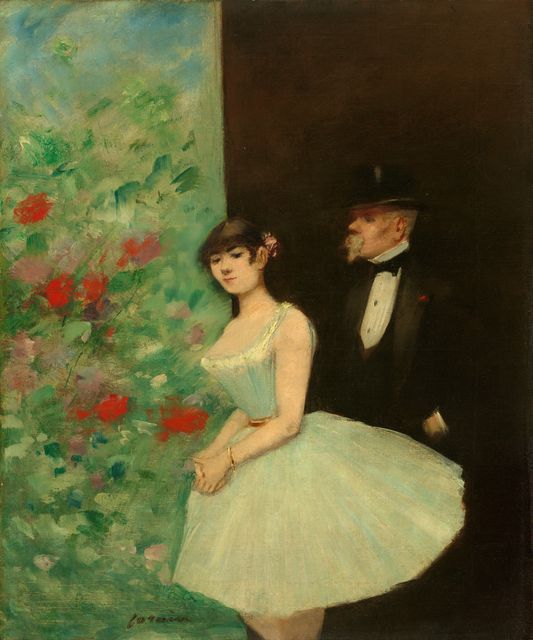
Jean-Louis Forain
French · 259 in the archive
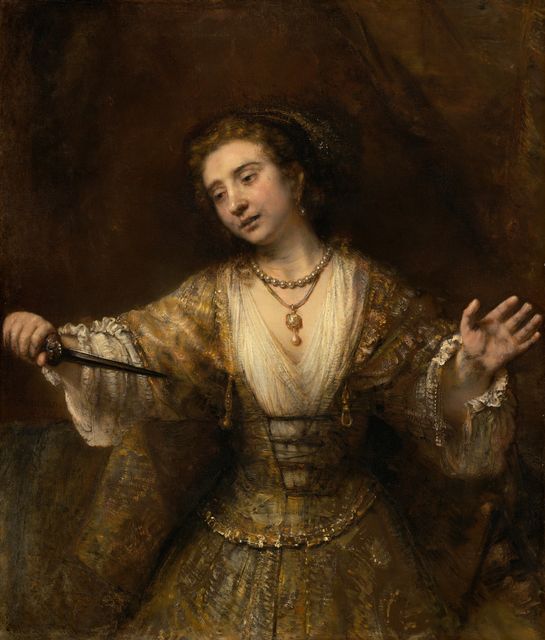
Rembrandt van Rijn
Dutch · 259 in the archive
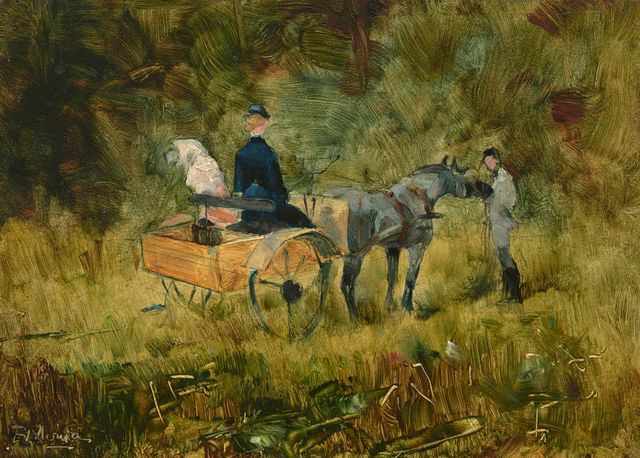
Henri de Toulouse-Lautrec
French · 242 in the archive
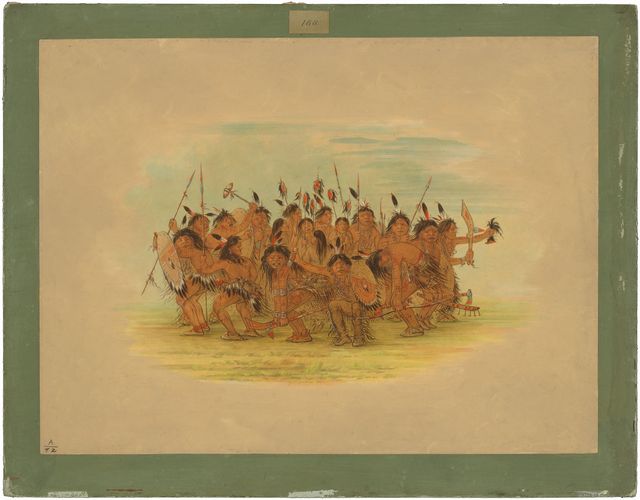
George Catlin
United States · 223 in the archive
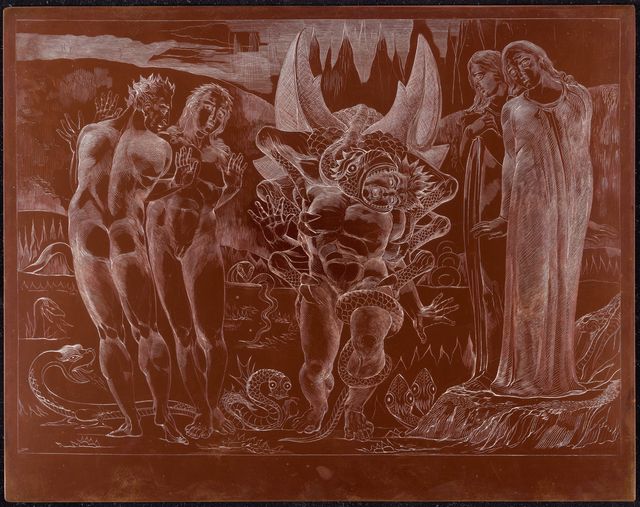
William Blake
United Kingdom of Great Britain and Ireland · 175 in the archive
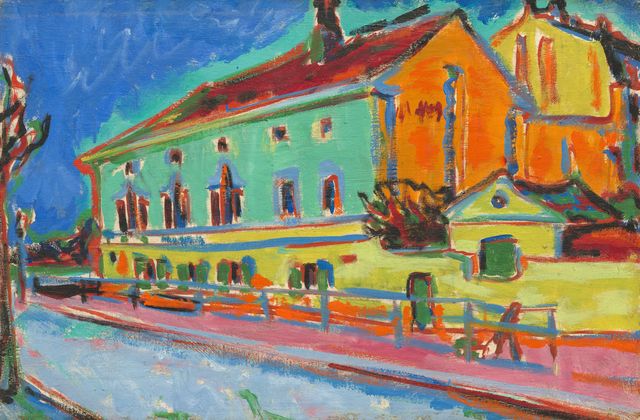
Ernst Ludwig Kirchner
German · 147 in the archive
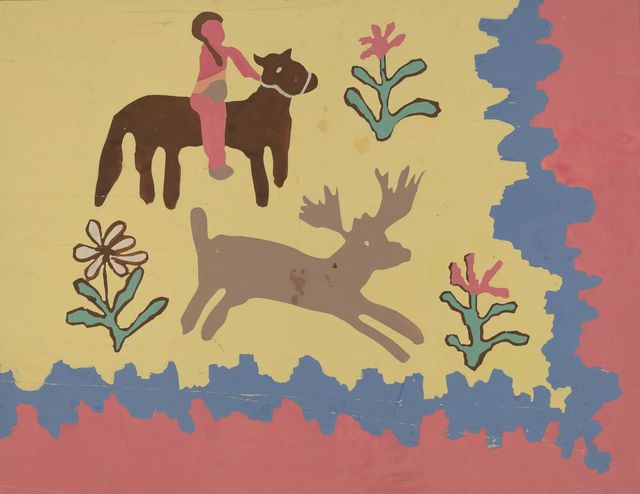
Majel G. Claflin
United States · 135 in the archive
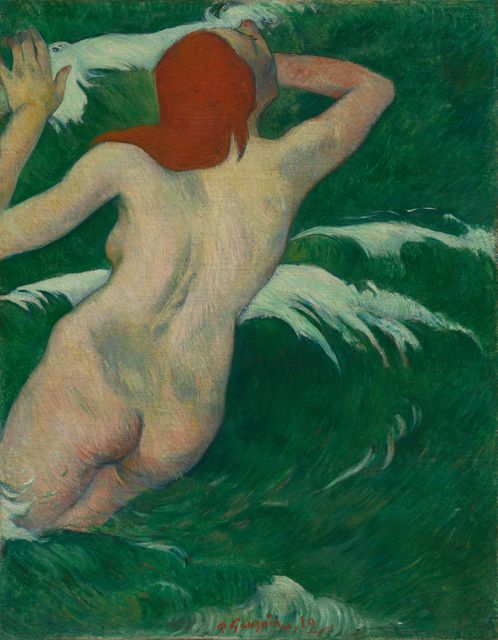
Paul Gauguin
French · 126 in the archive
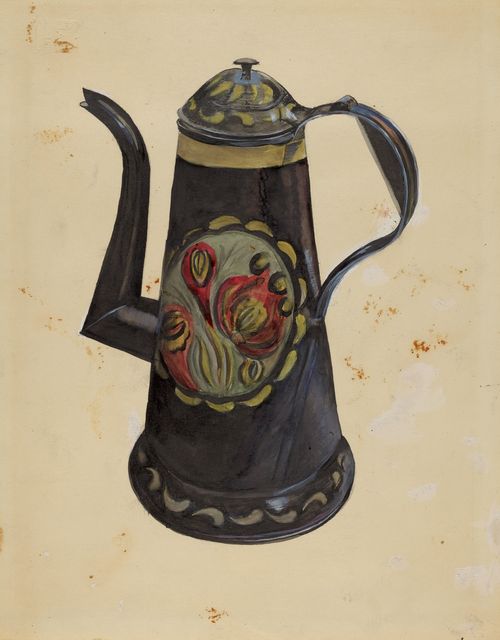
Mina Lowry
United States · 124 in the archive
Invite the masters into your living room.
Giovanni di Paolo on your TV, phone, or tablet. Free to start.
View on MomentableIndependent guide by Momentable · biography from Wikipedia · artworks are in the public domain and credited to the museum that holds them