The Battle of the Milvian Bridge
Giulio Romano · 1520

Giulio Romano
Italy · 1499–1546
Giulio Pippi, known as Giulio Romano (US: JOOL-yoh rə-MAH-noh and sometimes known in French as Jules Romain, was an Italian painter and architect. He was a pupil of Raphael, and his stylistic deviations from High Renaissance classicism help define the sixteenth-century style known as Mannerism. Giulio's drawings have long been treasured by collectors; contemporary prints of them engraved by Marcantonio Raimondi were a significant contribution to the spread of sixteenth-century Italian style throughout Europe. == Biography == Giulio Pippi was born in Rome and he began his career there as a young assistant to the leading painter and architect Raphael.
Independent artist guide by Momentable. Biography from Wikipedia; artworks credited to the museums that hold them.
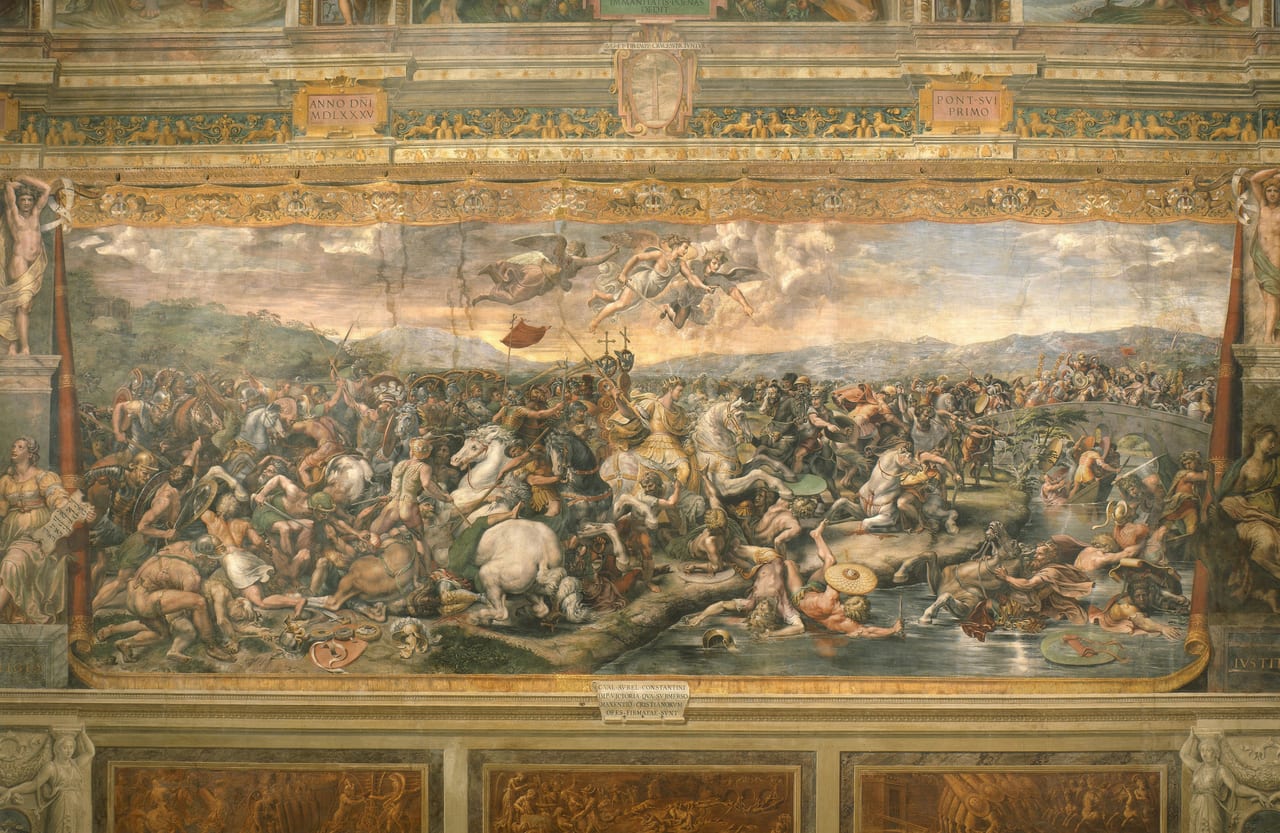 LIVENow streaming · The Battle of the Milvian Bridge
- life
- 1499–1546life
- rights
- Public domainrights
The work
A selection of 2 works, free to stream.
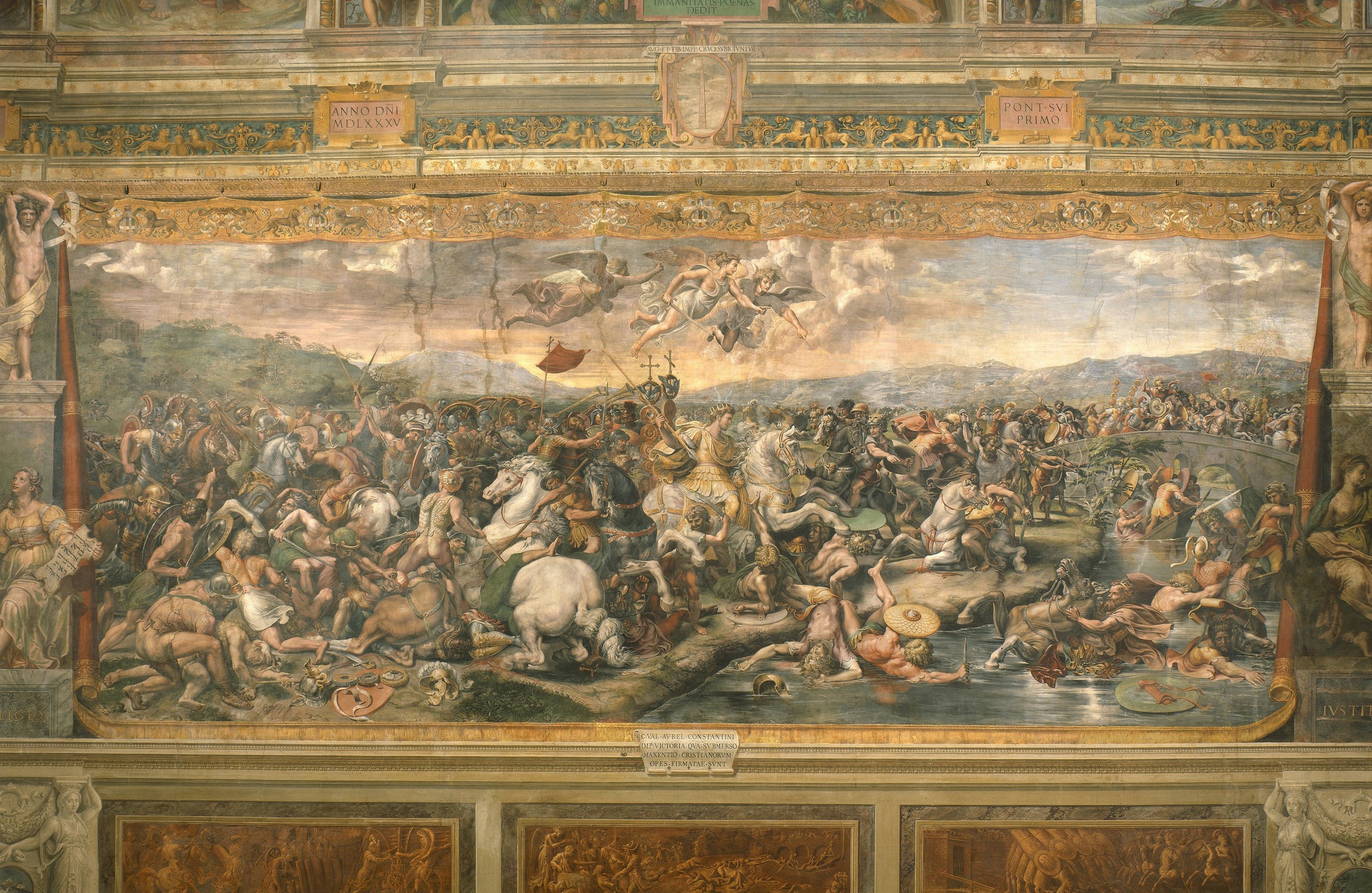
The Battle of the Milvian Bridge
Giulio Romano · 1520
Vatican Museums
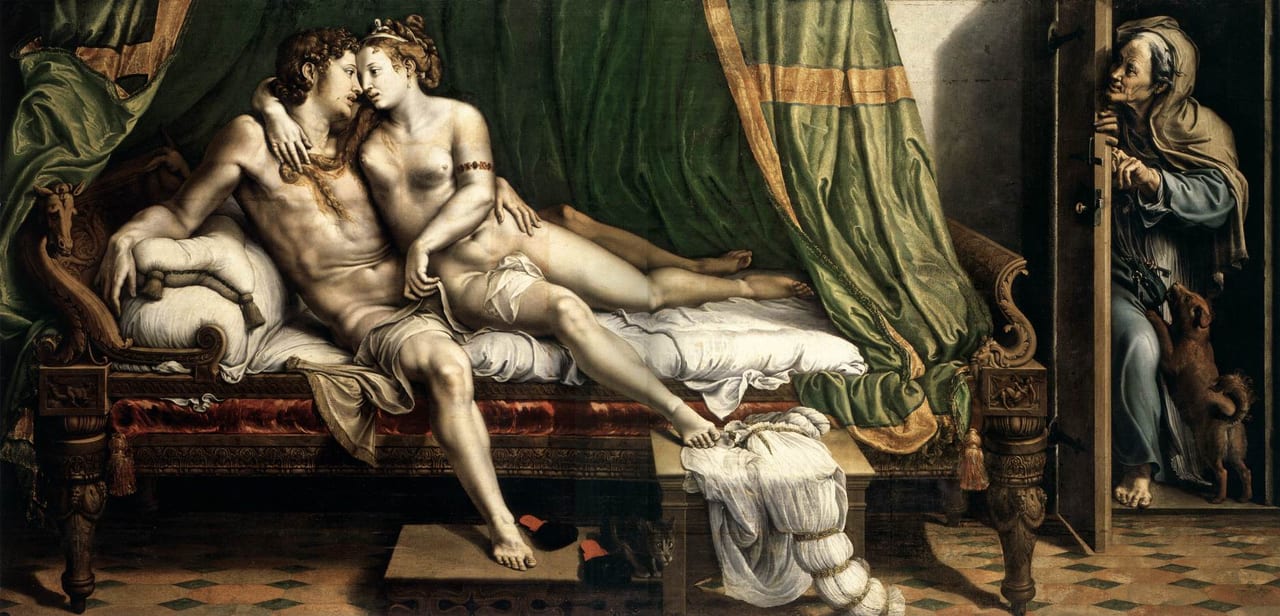
Love Scene
Giulio Romano · 1525
State Hermitage Museum
Works worth knowing
What Giulio Romano made, and why each one is worth looking at.
The Battle of the Milvian Bridge
Giulio Romano · 1520
Vatican Museums
The Battle of the Milvian Bridge, or The Battle at Pons Milvius, is a fresco in one of the rooms that are now known as the Stanze di Raffaello, in the Apostolic Palace in the Vatican depicting the Battle of the Milvian Bridge. The Battle of Milvian Bridge, located in the Sala di Costantino ("Hall of Constantine"), is by Giulio Romano and other assistants of the Italian Renaissance artist Raphael, who died in 1520. It was most likely painted to Raphael's design between 1520 and 1524.
Love Scene
Giulio Romano · 1525
State Hermitage Museum
The Lovers, Two Lovers or Love Scene is an oil painting by Giulio Romano, painted in 1524 to 1525 on panel and later transferred to canvas by A Mitrokin in 1834. Since it was poorly stored and kept off public display because of its subject matter until 1920, it has significant damage, including three large breaks in the canvas sealed with coarse plasters on the reverse and other damage to the paint and varnish layer both before and after the transfer It is now in the Hermitage Museum. Its title is tentative and it has also been known by several others: 1773 Hermitage catalogue - "Gallant Scene" EK Lipgart - "Scene from Boccaccio" during a restoration between 1800 and 1850 - "Mars and Venus" 1958 Hermitage catalogue - "Alexander and Roxane" Neverov - "Zeus and Alcimene" Hart - "Maid Warning an Unfaithful Wife of her Husband's Return" Thornton - "Courtesan Receiving a Client" The work was produced in 1524 to 1525 at an unknown location, since the artist left Rome in 1524 and arrived in Mantua the following year, where he was mainly occupied with major commissions.
Where the work hangs
The museums that hold it, and their visitor guides.
If you like Giulio Romano
Artists held by the same museums.
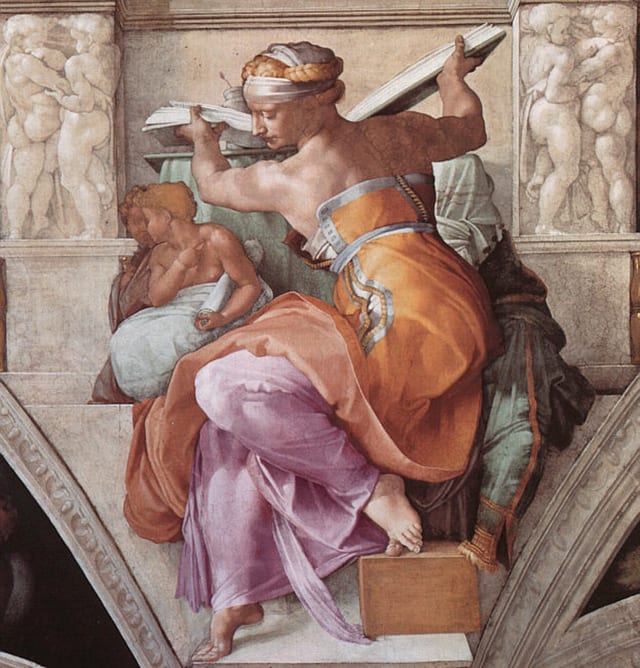
Michelangelo
Republic of Florence · 29 in the archive
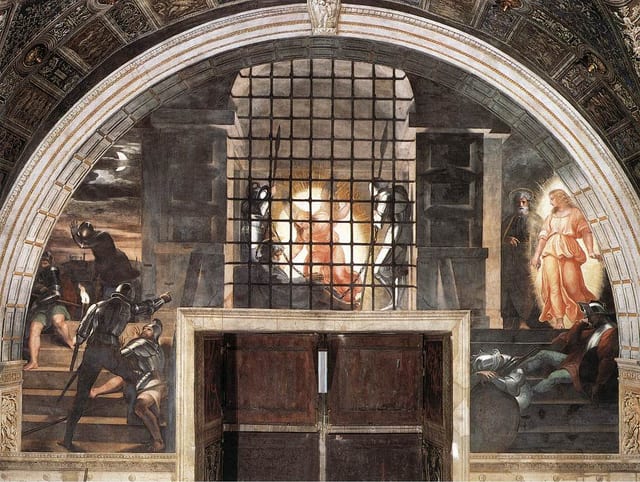
Raphael
Holy Roman Empire · 25 in the archive
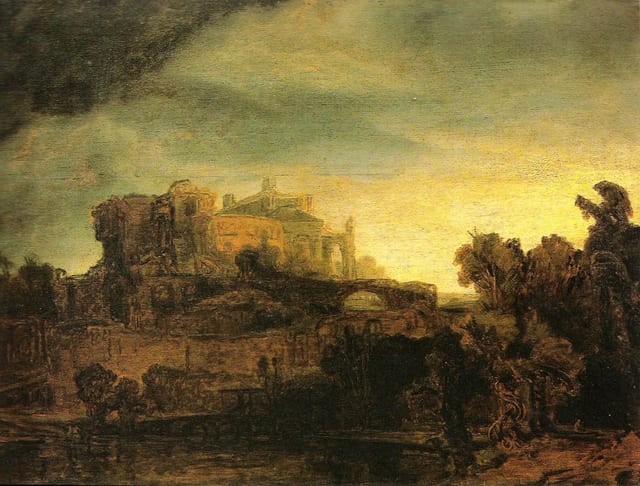
Rembrandt van Rijn
Dutch · 10 in the archive
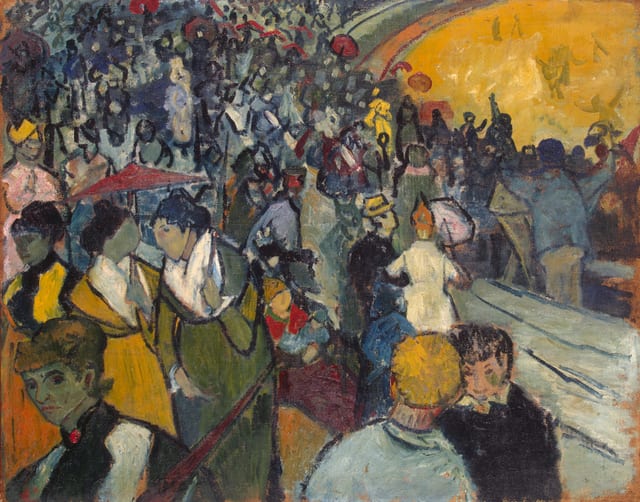
Vincent van Gogh
Dutch · 6 in the archive
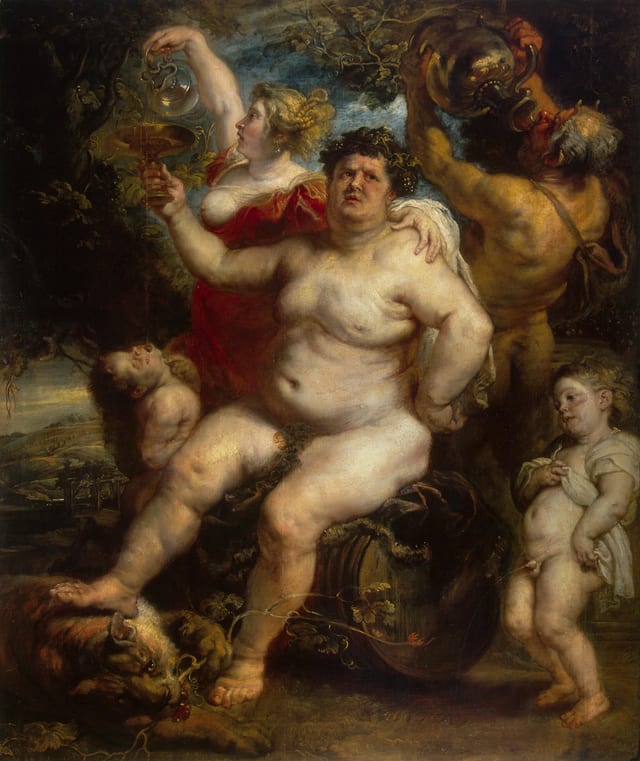
Peter Paul Rubens
Flemish · 5 in the archive
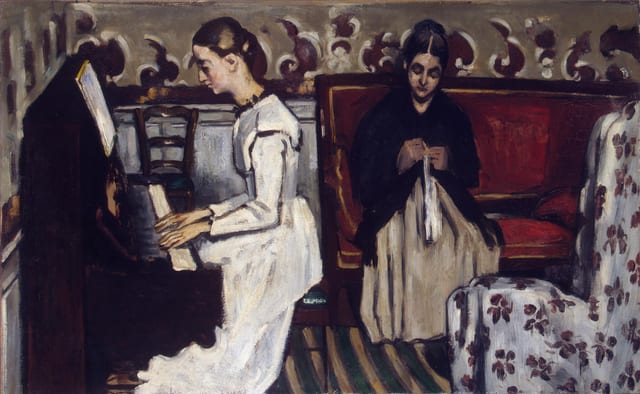
Paul Cézanne
French · 4 in the archive
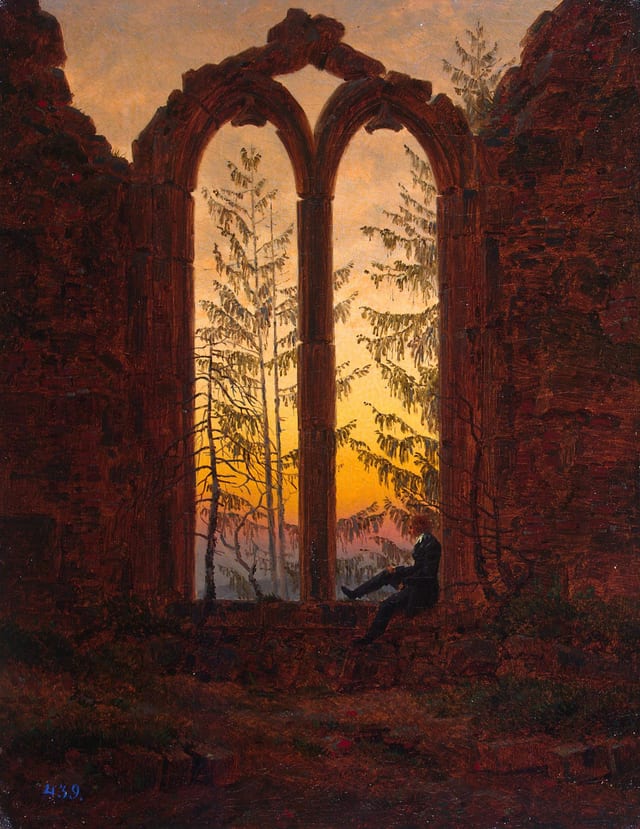
Caspar David Friedrich
Kingdom of Prussia · 3 in the archive
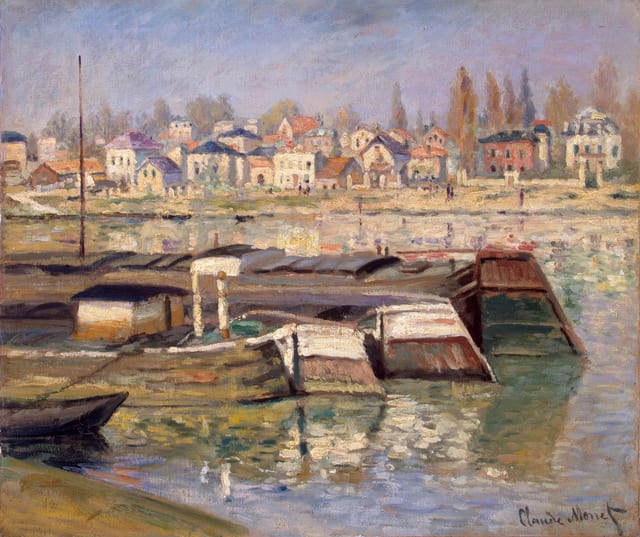
Claude Monet
France · 3 in the archive
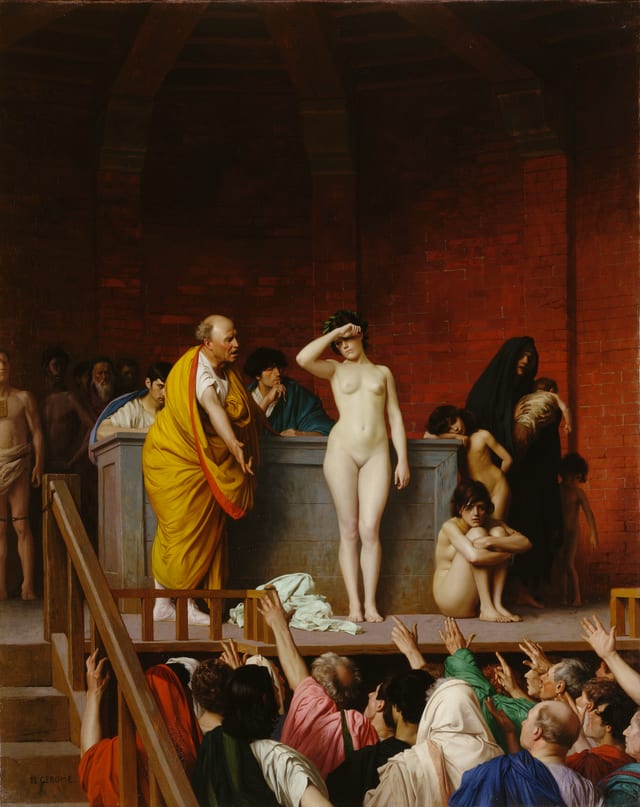
Jean-Léon Gérôme
France · 3 in the archive
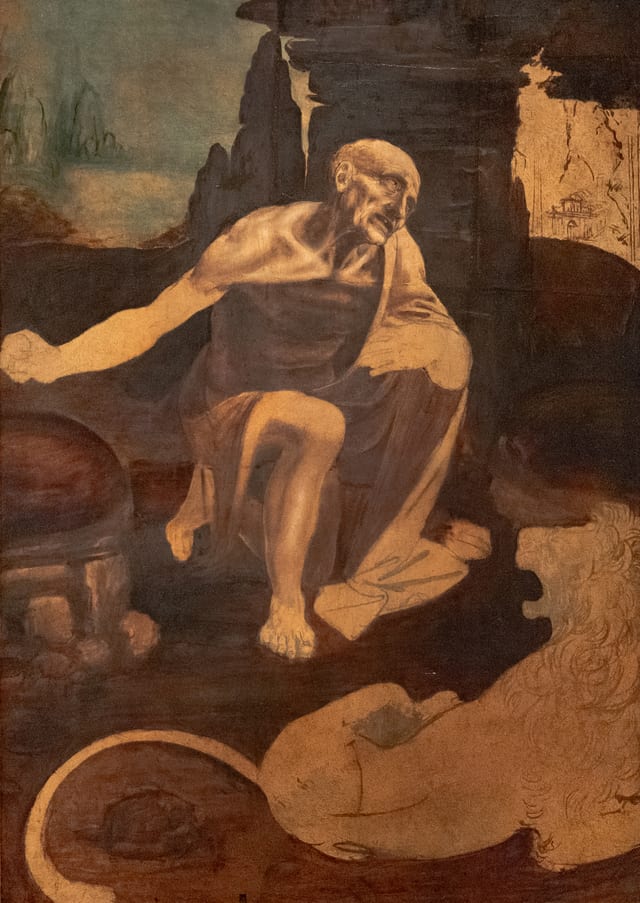
Leonardo da Vinci
Italian · 3 in the archive
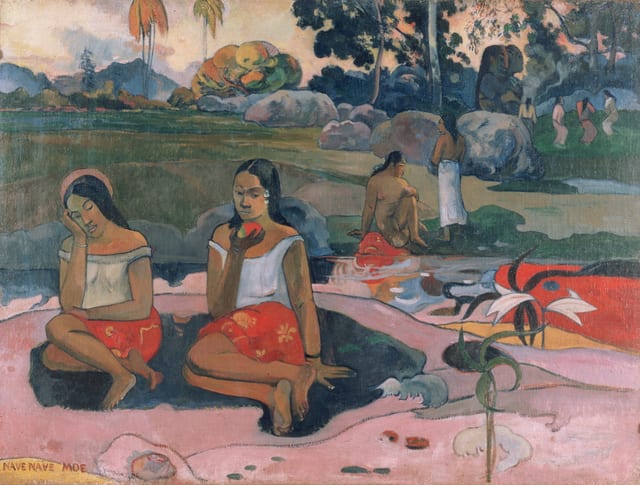
Paul Gauguin
French · 3 in the archive
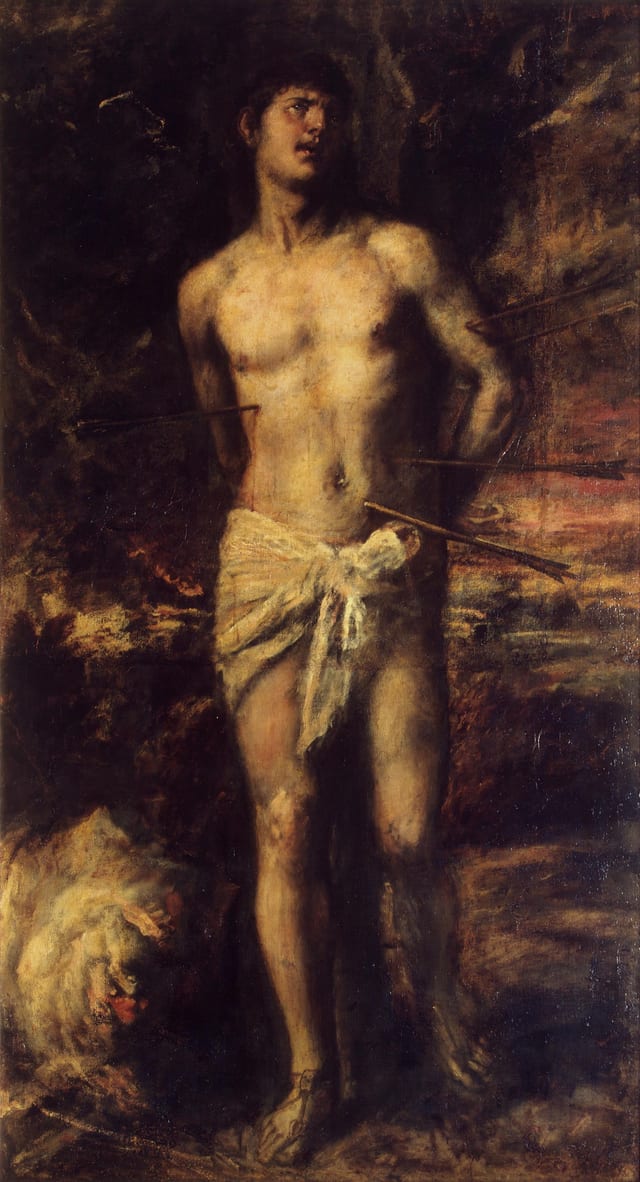
Titian
Italian · 3 in the archive
Invite the masters into your living room.
Giulio Romano on your TV, phone, or tablet. Free to start.
View on MomentableIndependent guide by Momentable · biography from Wikipedia · artworks are in the public domain and credited to the museum that holds them