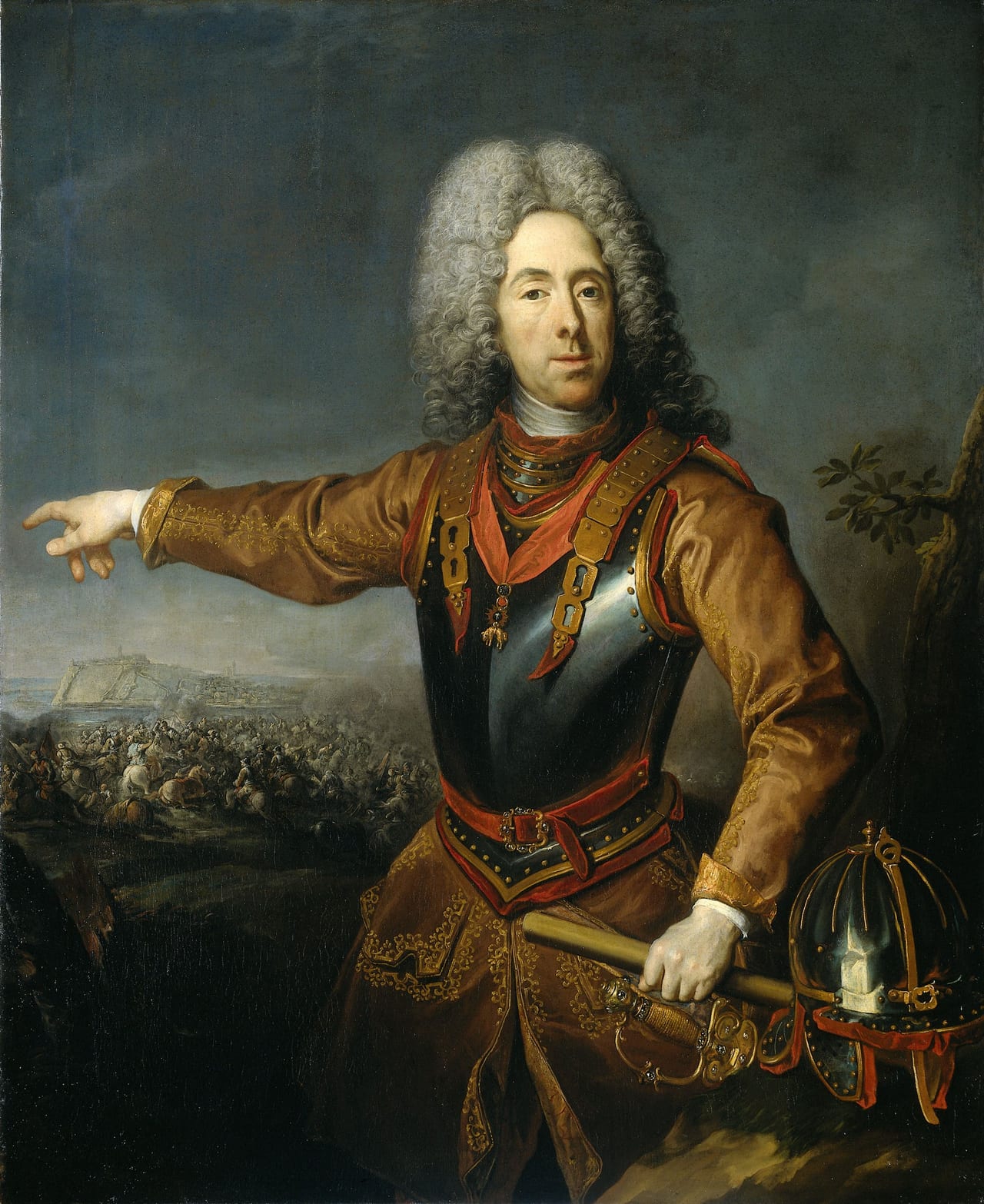
Portrait of Eugene, Prince of Savoy
Jacob van Schuppen · 1718

Jacob van Schuppen
France · 1670–1751
Jacob van Schuppen was a French-Austrian painter who was known for his portraits, history paintings and genre scenes. He was court painter in Vienna. == Biography == Jacob van Schuppen was born in Fontainebleau, France, as the son of Elisabeth de Mesmaker and the Flemish painter-engraver Pieter van Schuppen, who was originally from Antwerp. He worked in the Netherlands before moving to Vienna. He was taught to paint by his father and his uncle Nicolas de Largillière.
Independent artist guide by Momentable. Biography from Wikipedia; artworks credited to the museums that hold them.
 LIVENow streaming · Portrait of Eugene, Prince of Savoy
- life
- 1670–1751life
- rights
- Public domainrights
The work
A selection of 1 works, free to stream.
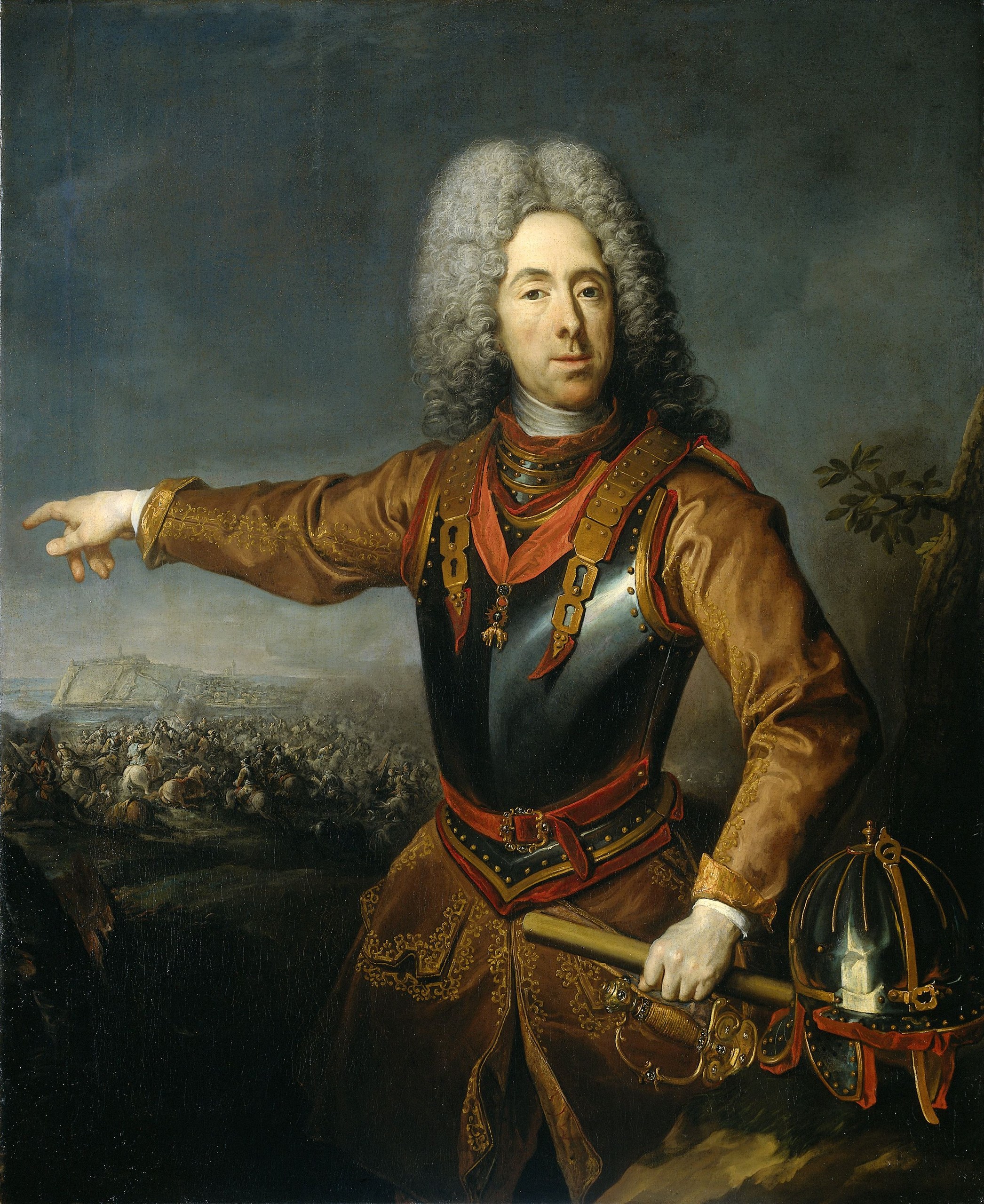
Portrait of Eugene, Prince of Savoy
Jacob van Schuppen · 1718
Upper Belvedere
Works worth knowing
What Jacob van Schuppen made, and why each one is worth looking at.
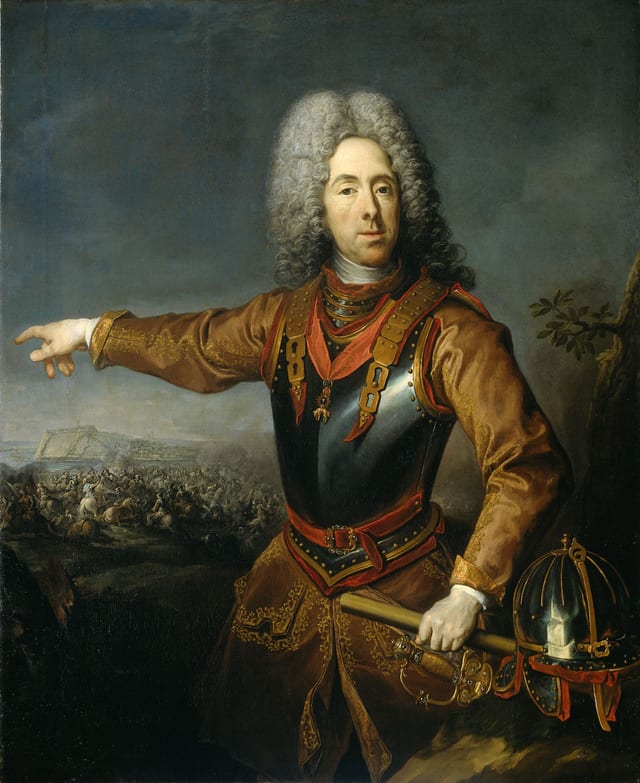
Portrait of Eugene, Prince of Savoy
Jacob van Schuppen · 1718
Upper Belvedere
Portrait of Eugene of Savoy is a 1718 portrait painting by the French-Austrian artist Jacob van Schuppen. It depicts the celebrated Austrian soldier Prince Eugene of Savoy. Born in Paris of Italian heritage, he became a distinguished soldier in the service of the Habsburg Empire.
Where the work hangs
The museums that hold it, and their visitor guides.
If you like Jacob van Schuppen
Artists held by the same museums.
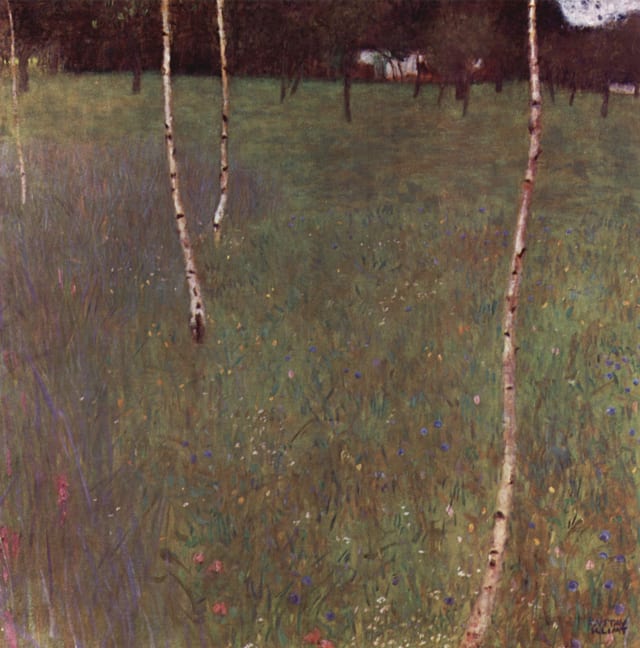
Gustav Klimt
Austrian Empire · 28 in the archive
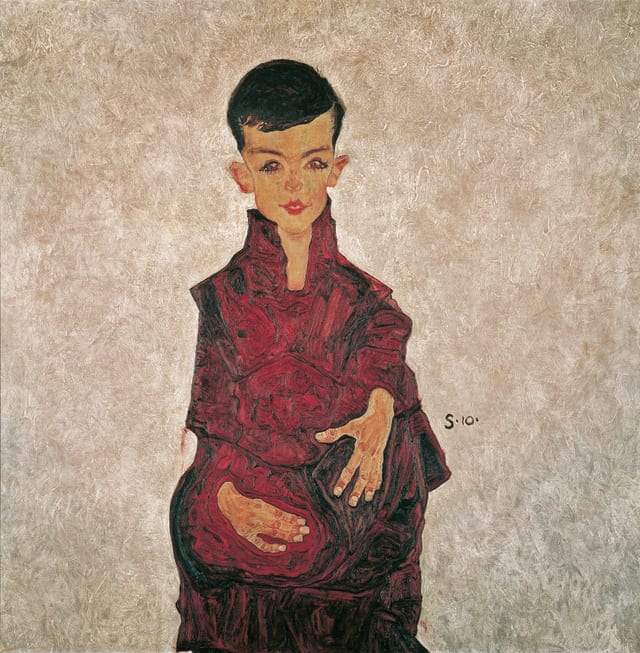
Egon Schiele
Cisleithania · 5 in the archive
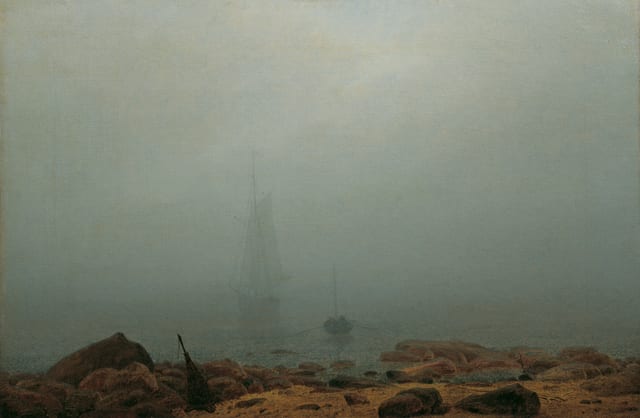
Caspar David Friedrich
Kingdom of Prussia · 3 in the archive
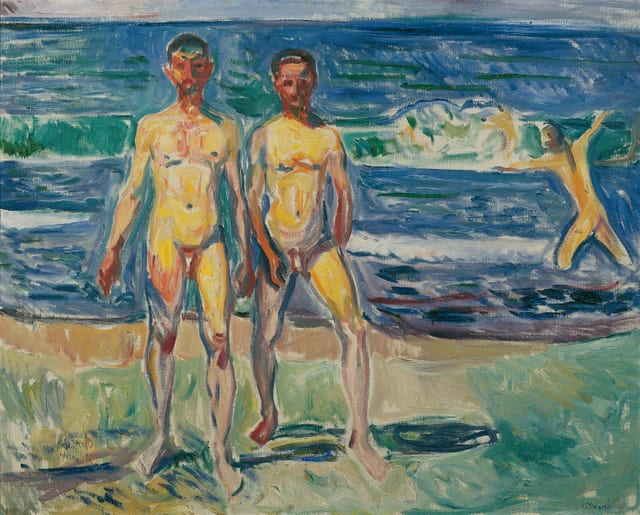
Edvard Munch
Norway · 3 in the archive
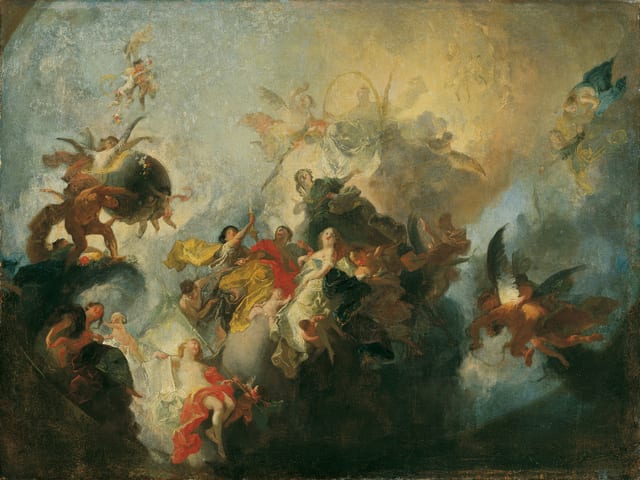
Franz Anton Maulbertsch
Germany · 3 in the archive
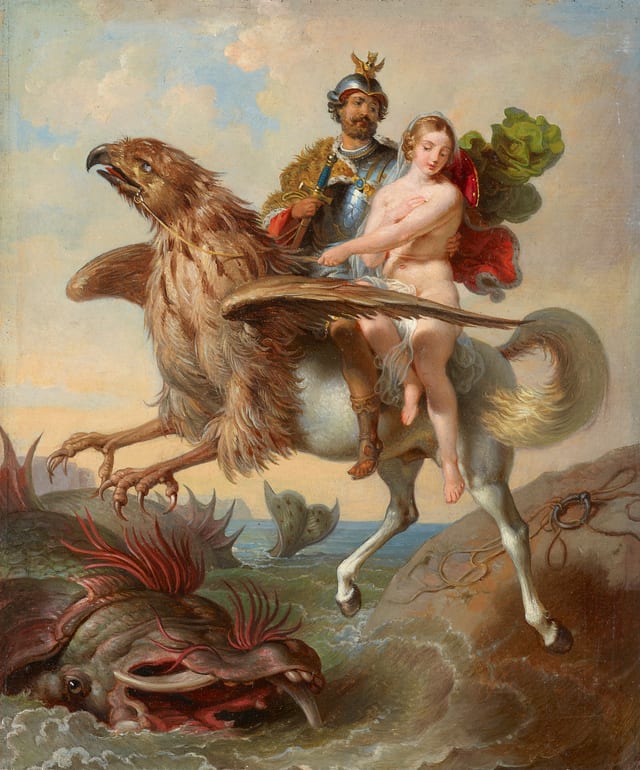
Johann Peter Krafft
Landgraviate of Hesse-Kassel · 3 in the archive
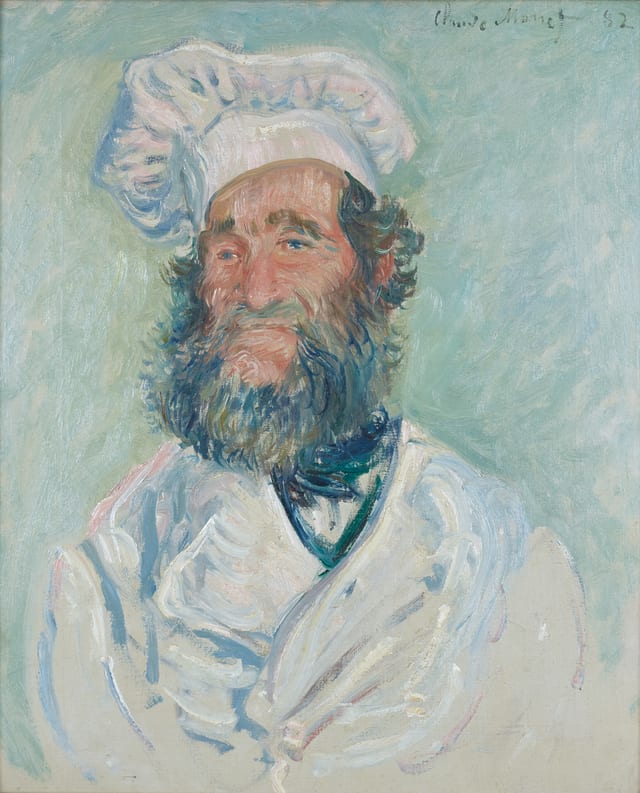
Claude Monet
France · 2 in the archive
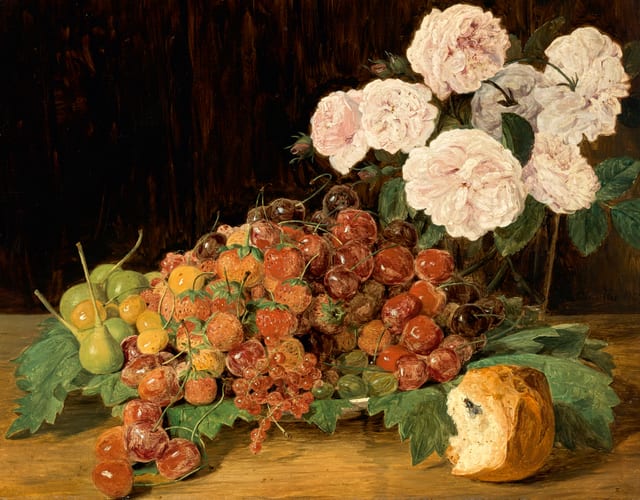
Ferdinand Georg Waldmüller
Austrian Empire · 2 in the archive
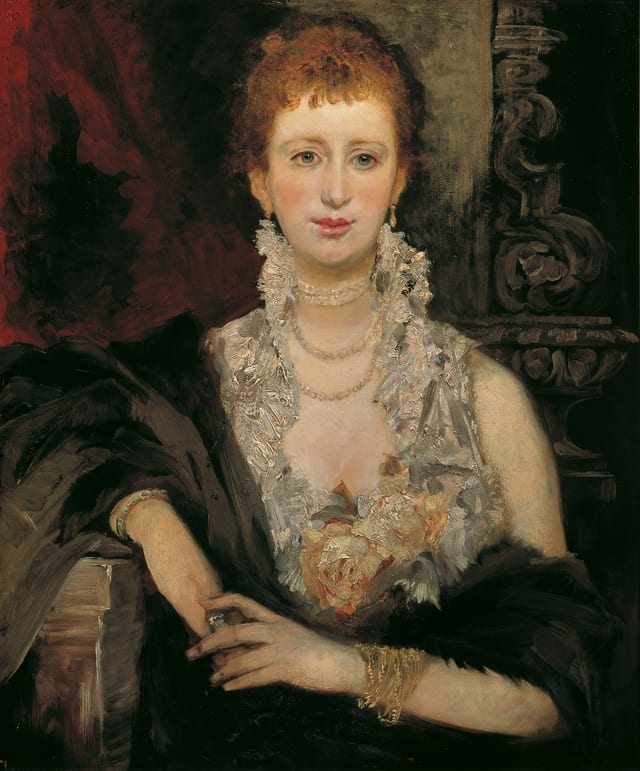
Hans Makart
Austrian Empire · 2 in the archive
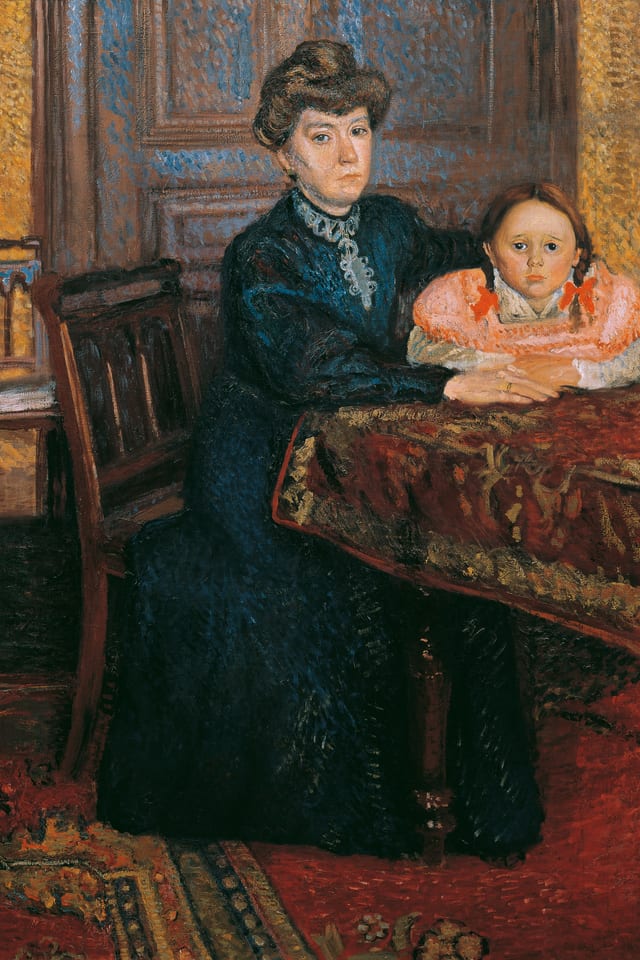
Richard Gerstl
Austria–Hungary · 2 in the archive
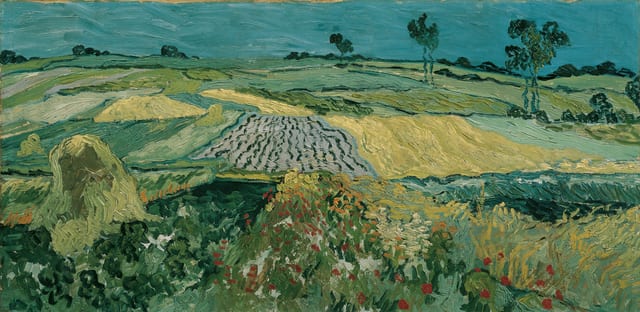
Vincent van Gogh
Dutch · 2 in the archive
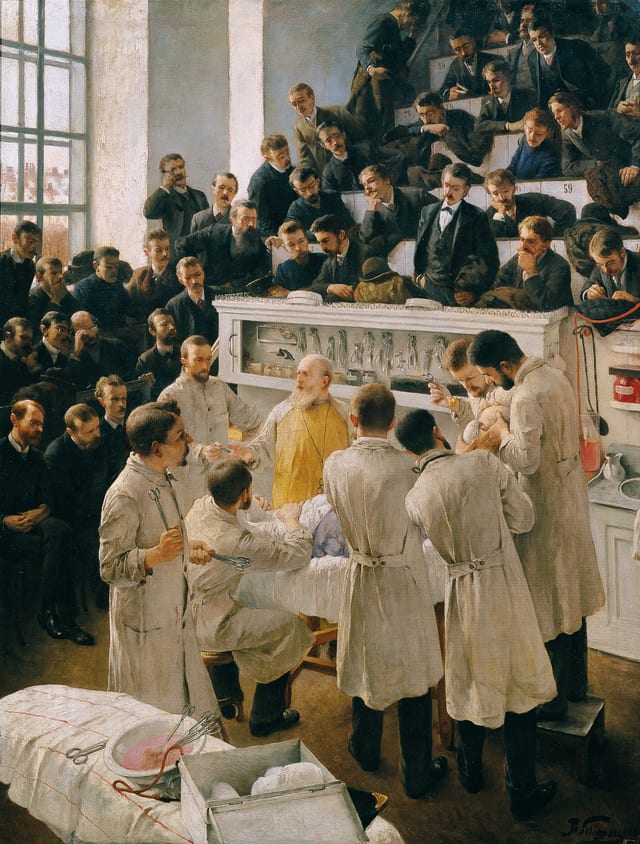
Adalbert Franz Seligmann
Austria · 1 in the archive
Invite the masters into your living room.
Jacob van Schuppen on your TV, phone, or tablet. Free to start.
View on MomentableIndependent guide by Momentable · biography from Wikipedia · artworks are in the public domain and credited to the museum that holds them