Madonna and Child with Saint Elizabeth and Saint John the Baptist
Jacopino del Conte

Jacopino del Conte
Italian · 1510–1598
Jacopino del Conte was an Italian Mannerist painter, active in both Rome and Florence.
Independent artist guide by Momentable. Biography from Wikipedia; artworks credited to the museums that hold them.
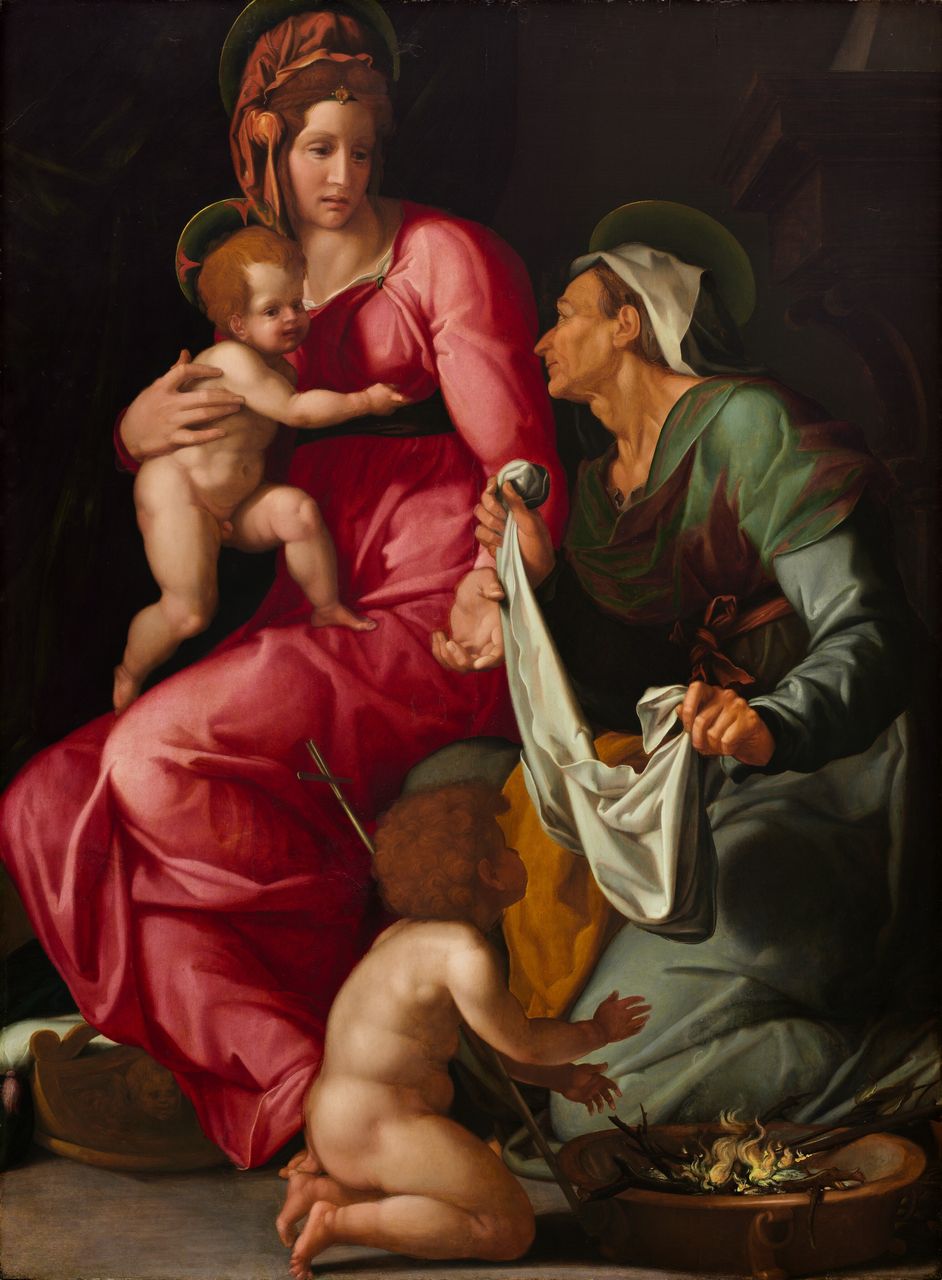 LIVENow streaming · Madonna and Child with Saint Elizabeth and Saint John the Baptist
- life
- 1510–1598life
- rights
- Public domainrights
The work
A selection of 1 works, free to stream.
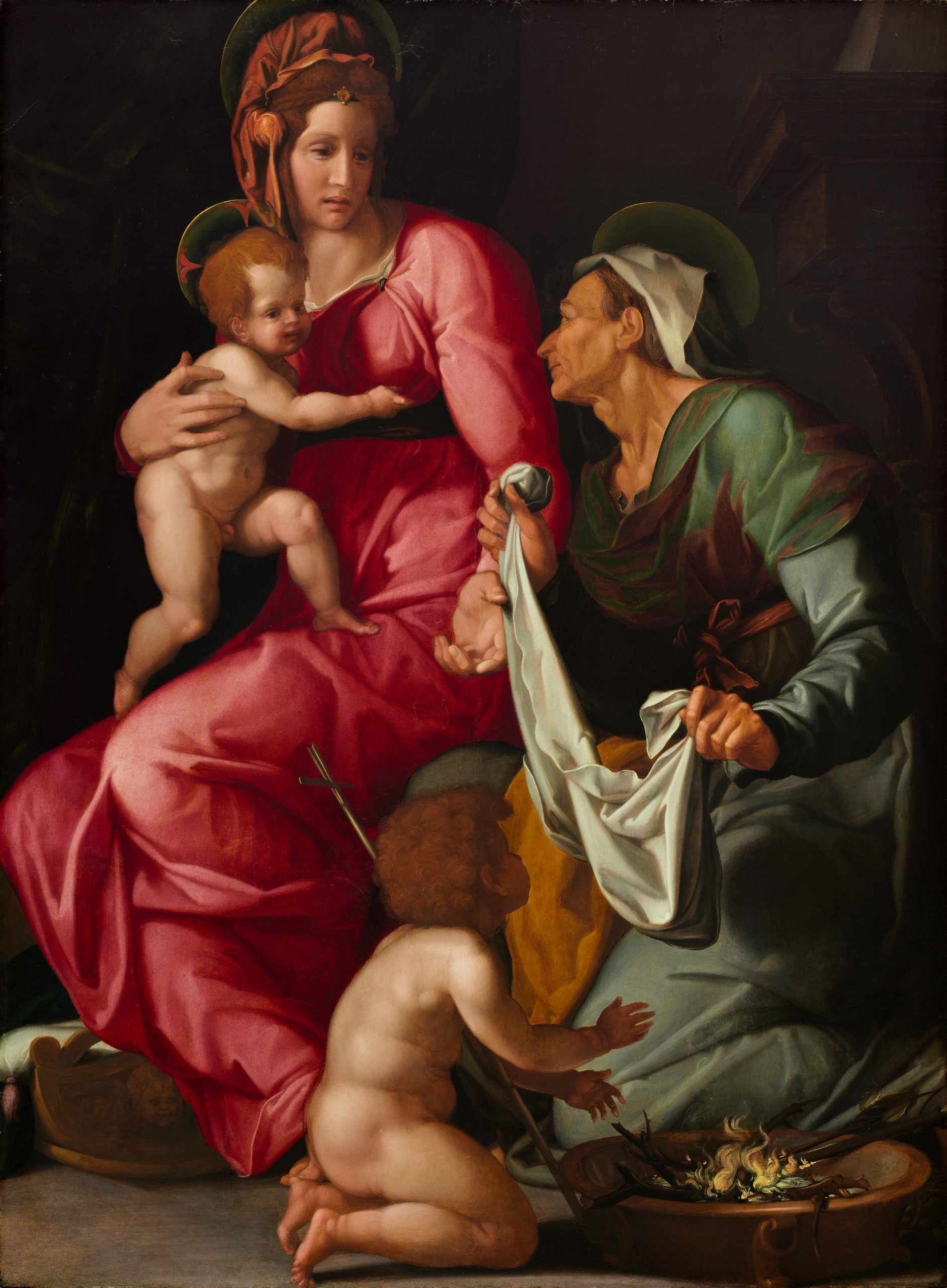
Madonna and Child with Saint Elizabeth and Saint John the Baptist
Jacopino del Conte
National Gallery of Art
Works worth knowing
What Jacopino del Conte made, and why each one is worth looking at.
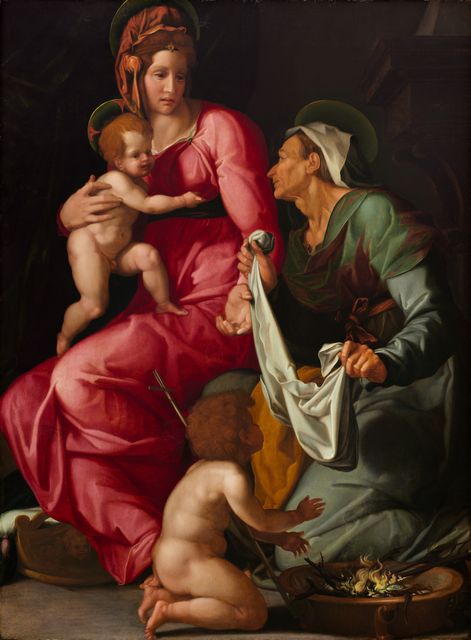
Madonna and Child with Saint Elizabeth and Saint John the Baptist
Jacopino del Conte
National Gallery of Art
Jacopino del Conte (1510 to 1598; also spelled Iacopino) was an Italian Mannerist painter, active in both Rome and Florence. A native of Florence, Jacopino del Conte was born the same year as another Florentine master Cecchino del Salviati (whom Conte outlived by 35 years) and, like Salviati and a number of other painters, he initially apprenticed with the influential painter and draftsman Andrea del Sarto. Conte's first frescoes, including Annunciation to Zachariah (1536), Preaching of Saint John the Baptist (1538), and Baptism of Christ (1541) were in the Florentine-supported Oratory of San Giovanni Decollato, in Rome.
Where the work hangs
The museums that hold it, and their visitor guides.
If you like Jacopino del Conte
Artists held by the same museums.
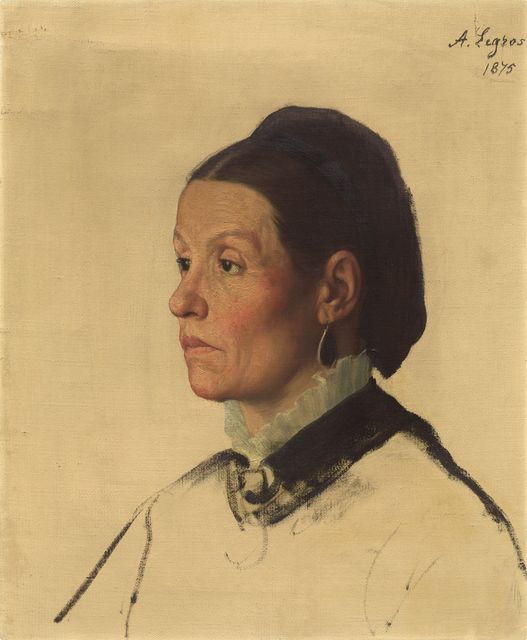
Alphonse Legros
French · 561 in the archive
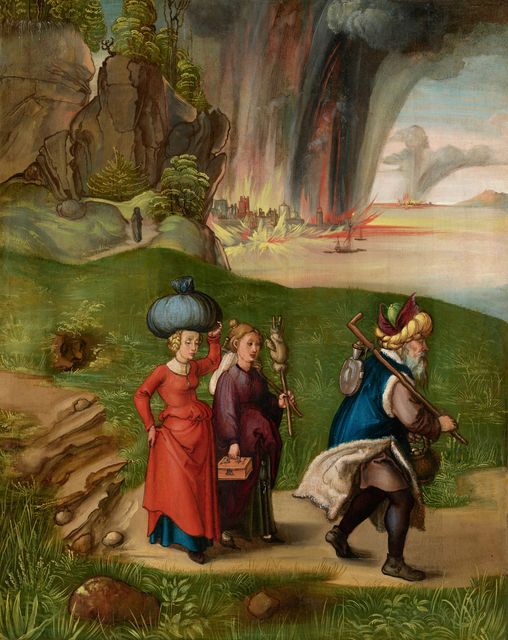
Albrecht Dürer
German · 287 in the archive
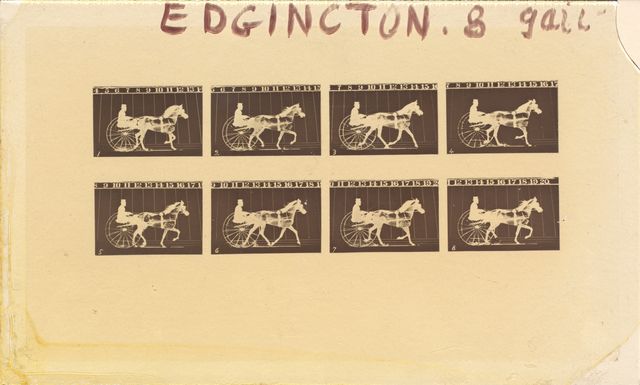
Eadweard Muybridge
English · 259 in the archive
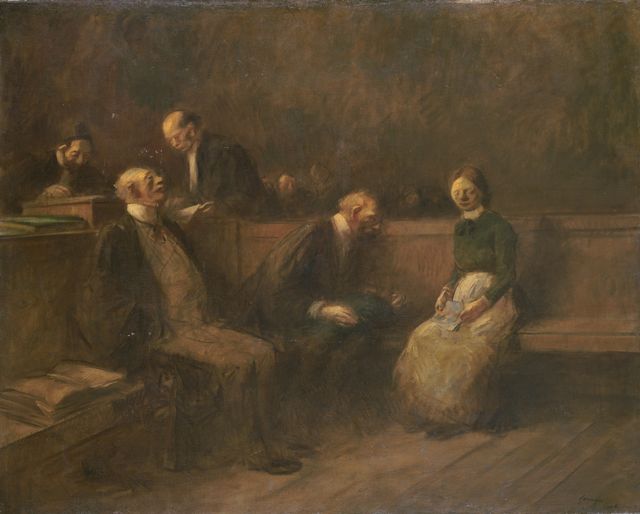
Jean-Louis Forain
French · 259 in the archive
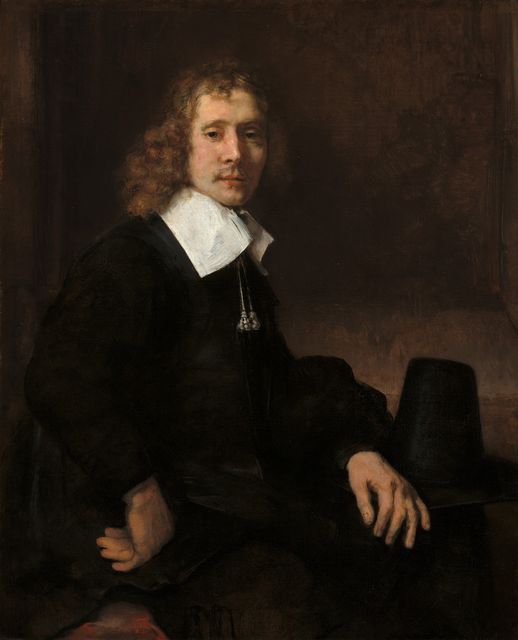
Rembrandt van Rijn
Dutch · 252 in the archive
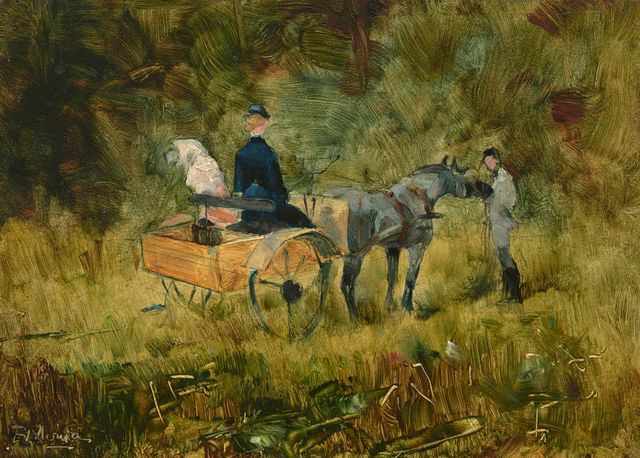
Henri de Toulouse-Lautrec
French · 242 in the archive
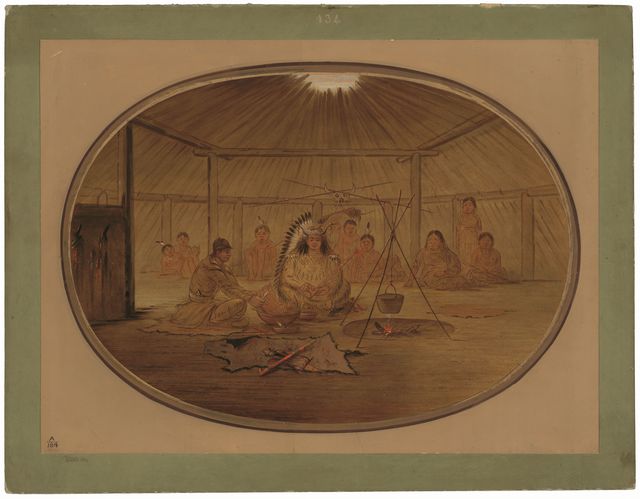
George Catlin
United States · 223 in the archive
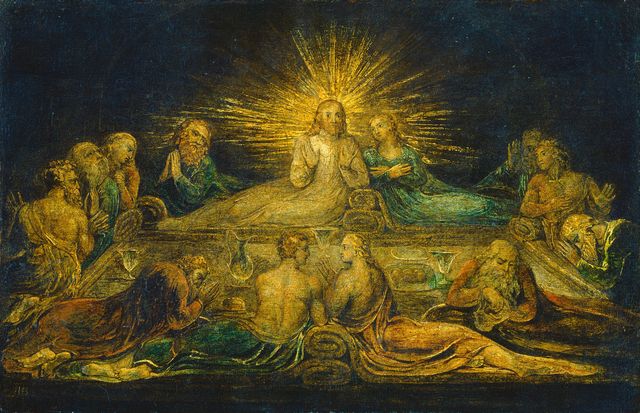
William Blake
United Kingdom of Great Britain and Ireland · 173 in the archive
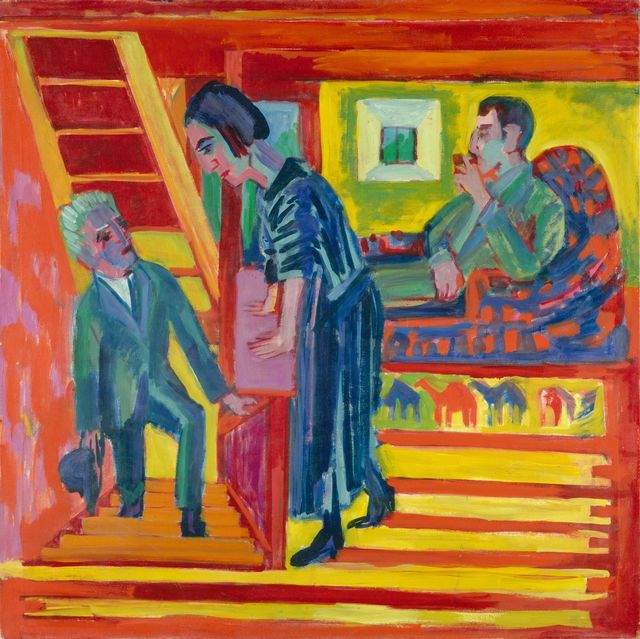
Ernst Ludwig Kirchner
German · 147 in the archive
Majel G. Claflin
United States · 135 in the archive
Mina Lowry
United States · 124 in the archive
Francisco Goya
Spanish · 113 in the archive
Invite the masters into your living room.
Jacopino del Conte on your TV, phone, or tablet. Free to start.
View on MomentableIndependent guide by Momentable · biography from Wikipedia · artworks are in the public domain and credited to the museum that holds them