The Judgment of Midas
Jan van den Hoecke

Jan van den Hoecke
Flemish · 1611–1651
Jan van den Hoecke was a Flemish painter, draughtsman and designer of wall tapestries. He was one of the principal assistants in Rubens' studio in the 1630s. He later traveled to Italy where he resided for a decade in Rome. He subsequently worked as a court painter in Vienna and Brussels. Jan van den Hoecke was a versatile artist who created portraits as well as history and allegorical paintings.
Independent artist guide by Momentable. Biography from Wikipedia; artworks credited to the museums that hold them.
 LIVENow streaming · The Judgment of Midas
- life
- 1611–1651life
- rights
- Public domainrights
The work
A selection of 1 works, free to stream.
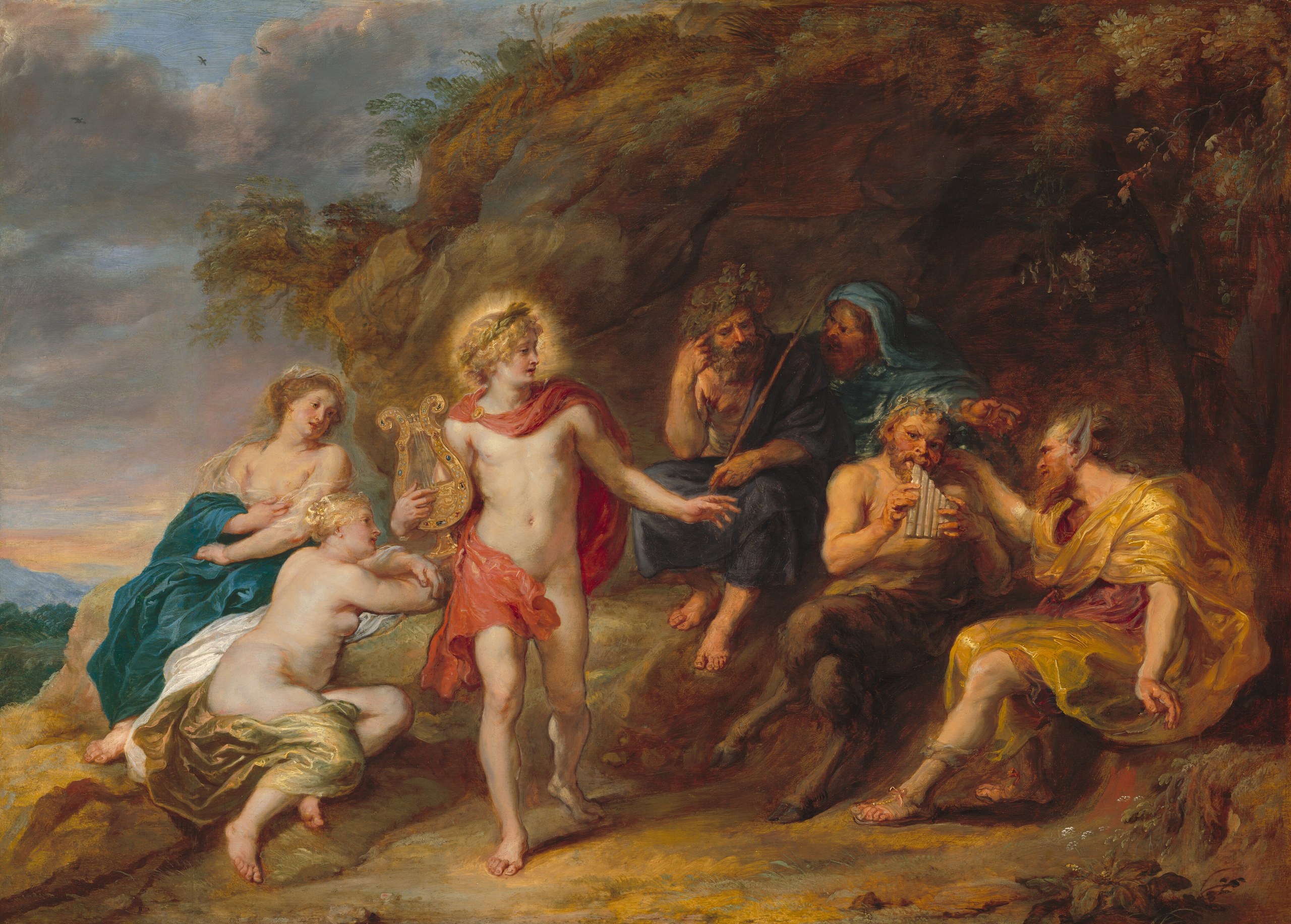
The Judgment of Midas
Jan van den Hoecke
National Gallery of Art
How Jan van den Hoecke worked
From the record of their own practice.
His early style with its precise draughtsmanship and closeness to Rubens can be found in his oil sketch of The Triumph of David (Kimbell Art Museum) (1635) that was for a long time regarded as a work by Rubens. His Hercules between Vice and Virtue (Uffizi Gallery) shows the influence from both Rubens (particularly Rubens' style between 1610 and 1620) and Anthony van Dyck. The closeness of his style to that of Rubens may have led to the attribution in 1780 to van den Hoecke of the Massacre of the Innocents (now attributed to Rubens) when it was in the Liechtenstein Collection. Van den Hoecke painted a series of Sibyls which have been attributed to his earlier period from 1630 to 1637. The influence of Reni's idealized figure types as well as of Domenichino and Poussin (see the Virtue Overcoming Avarice of 1637) are visible in the allegorical paintings he produced in Vienna.
Where the work hangs
The museums that hold it, and their visitor guides.
If you like Jan van den Hoecke
Artists held by the same museums.
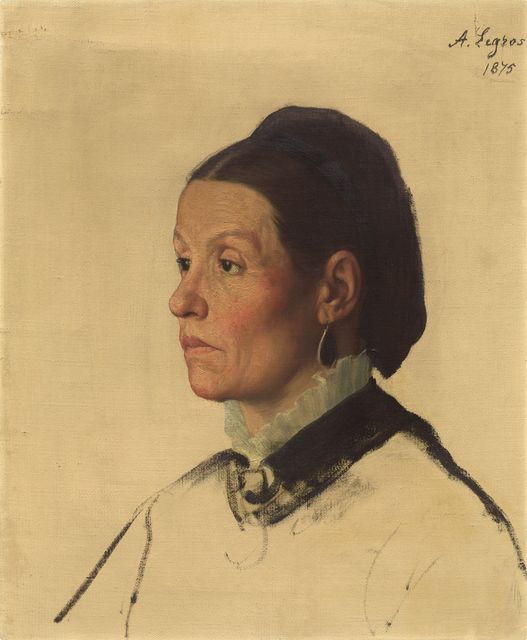
Alphonse Legros
French · 561 in the archive
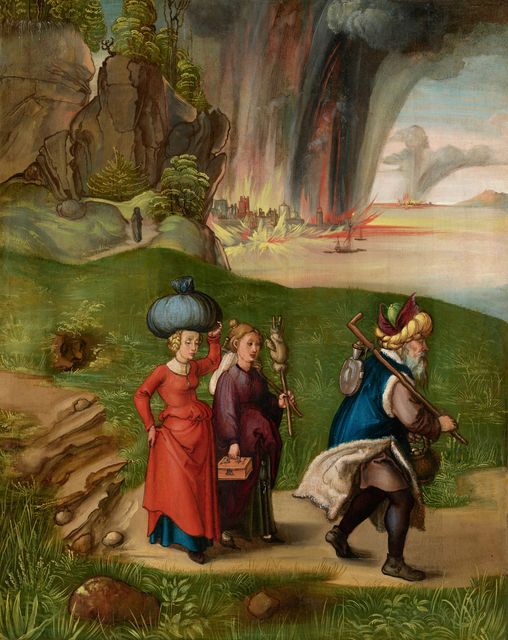
Albrecht Dürer
German · 287 in the archive
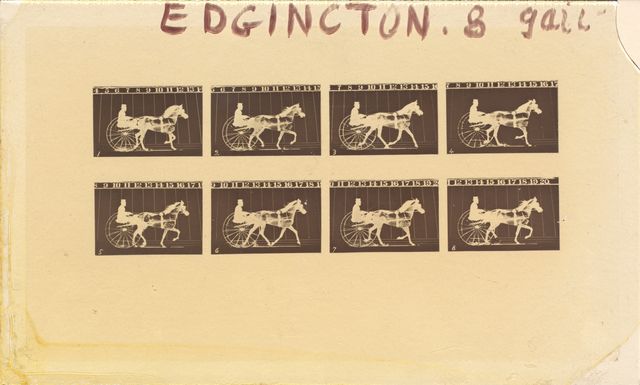
Eadweard Muybridge
English · 259 in the archive
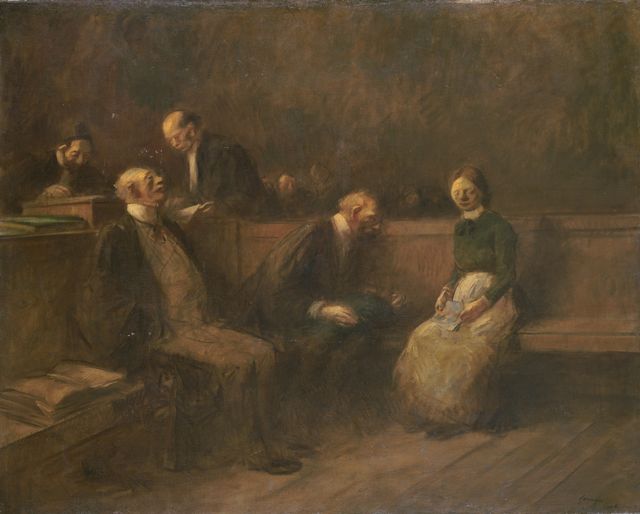
Jean-Louis Forain
French · 259 in the archive
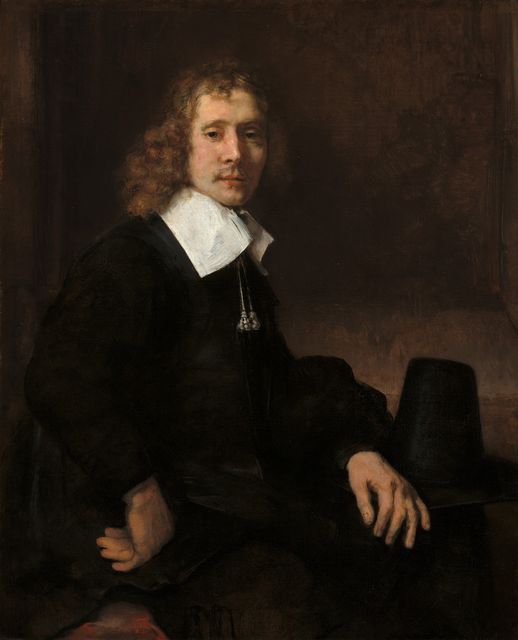
Rembrandt van Rijn
Dutch · 252 in the archive
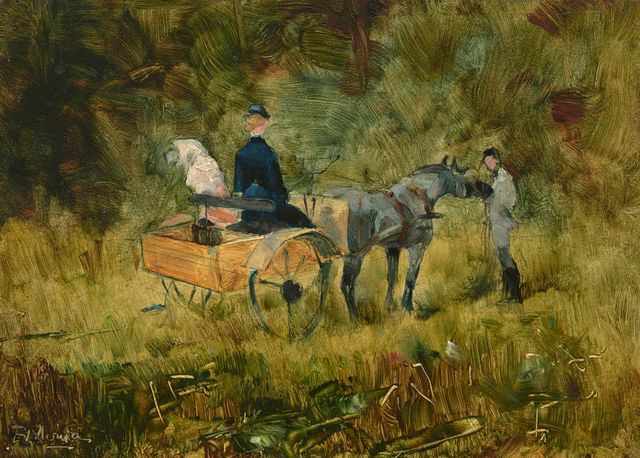
Henri de Toulouse-Lautrec
French · 242 in the archive
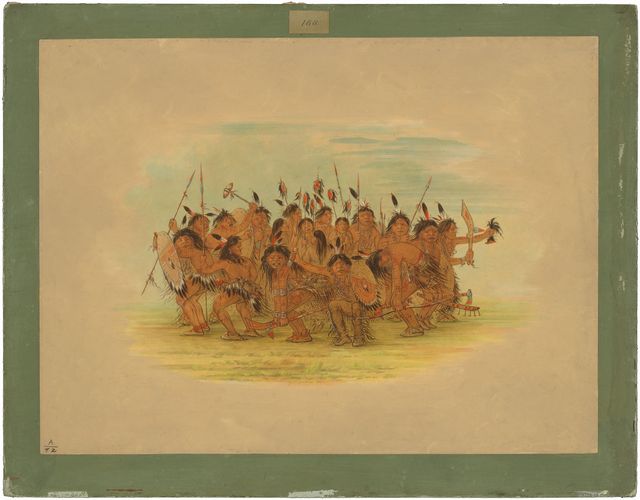
George Catlin
United States · 223 in the archive
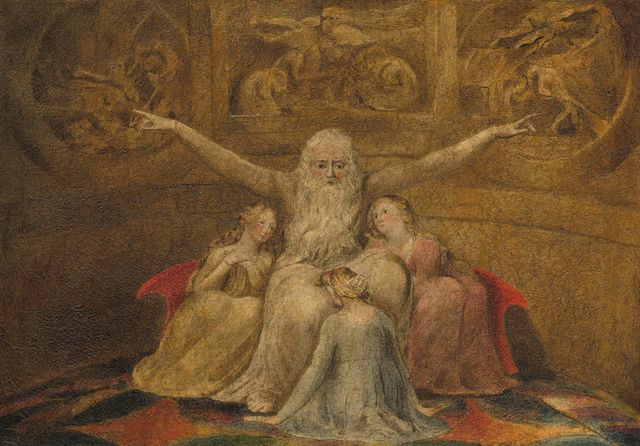
William Blake
United Kingdom of Great Britain and Ireland · 173 in the archive
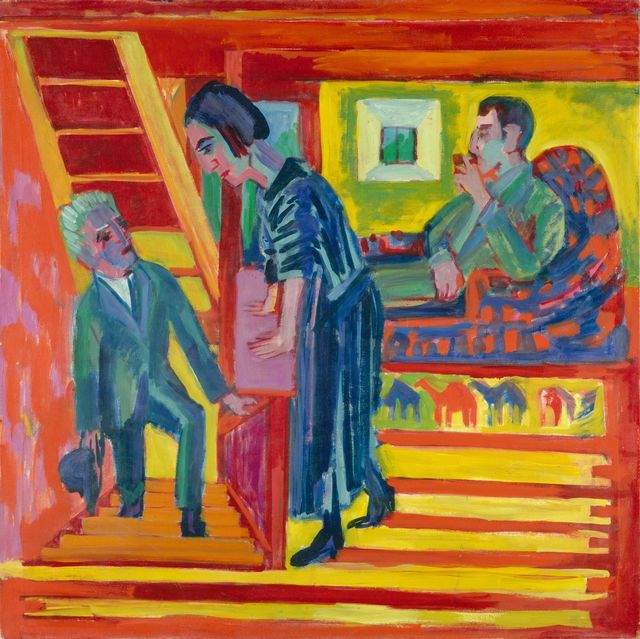
Ernst Ludwig Kirchner
German · 147 in the archive
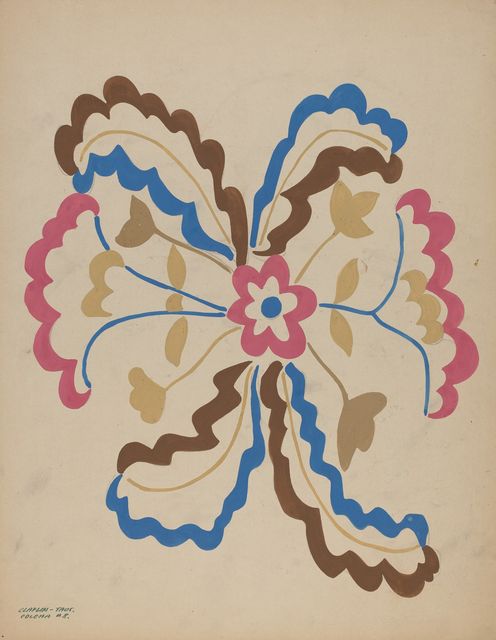
Majel G. Claflin
United States · 135 in the archive
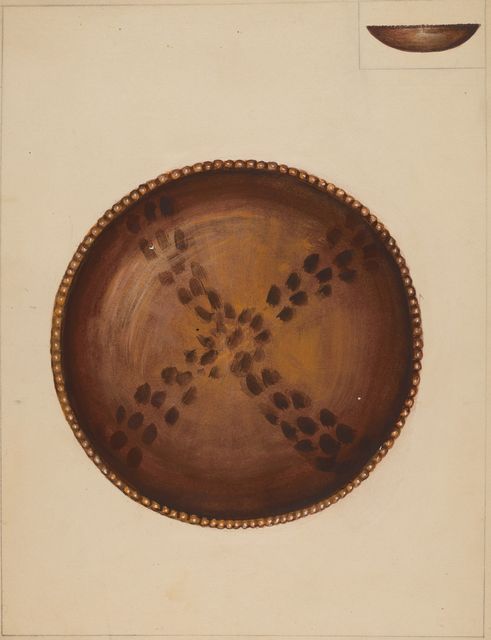
Mina Lowry
United States · 124 in the archive
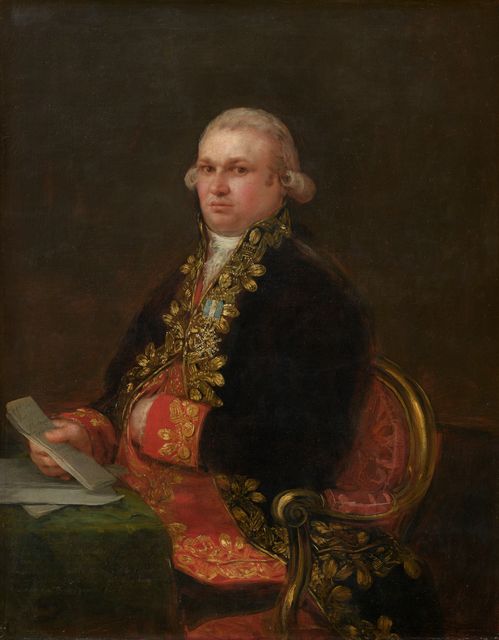
Francisco Goya
Spanish · 113 in the archive
Invite the masters into your living room.
Jan van den Hoecke on your TV, phone, or tablet. Free to start.
View on MomentableIndependent guide by Momentable · biography from Wikipedia · artworks are in the public domain and credited to the museum that holds them