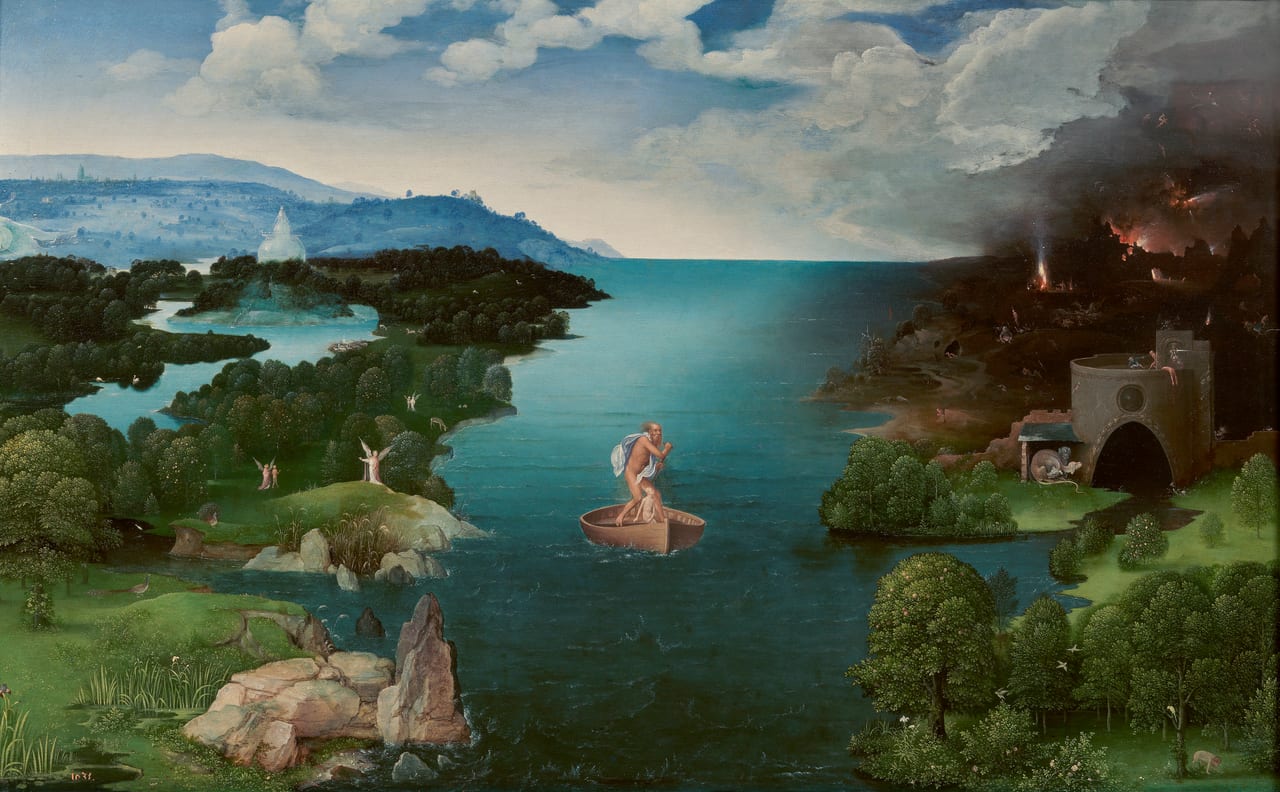
Landscape with Charon Crossing the Styx
Joachim Patinir · 1515

Joachim Patinir
Southern Netherlands · 1480–1524
Joachim Patinir, also called Patenier, was a Flemish Renaissance painter of history and landscape subjects. He was born in Wallonia, but in his mature career worked in Antwerp, then the centre of the art market in the Low Countries. Patinir was a pioneer of landscape as an independent genre and he was the first Netherlandish painter to regard himself primarily as a landscape painter. He effectively invented the world landscape, a distinct style of panoramic northern Renaissance landscapes which is Patinir's important contribution to Western art.
Independent artist guide by Momentable. Biography from Wikipedia; artworks credited to the museums that hold them.
 LIVENow streaming · Landscape with Charon Crossing the Styx
- life
- 1480–1524life
- rights
- Public domainrights
The work
A selection of 2 works, free to stream.
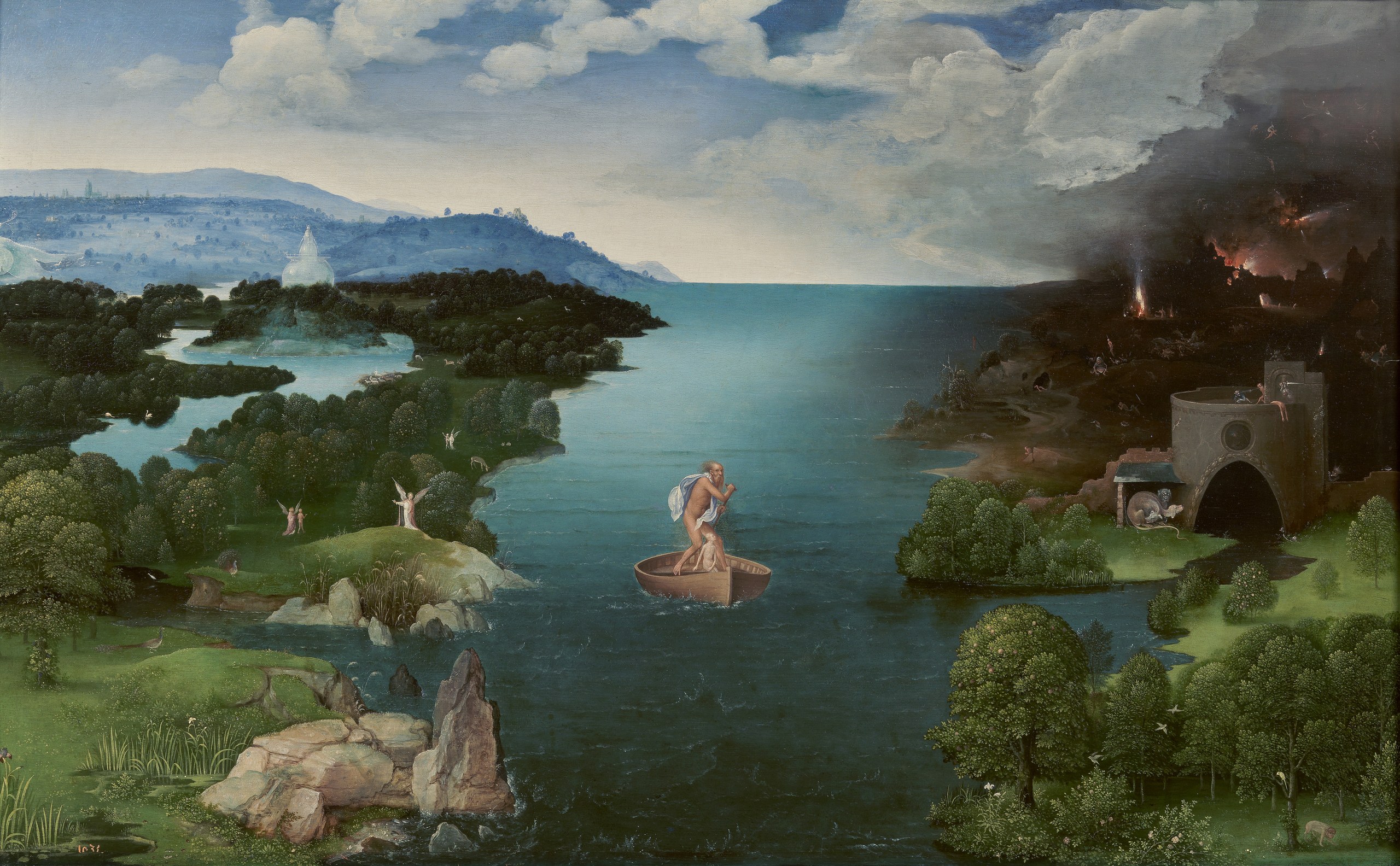
Landscape with Charon Crossing the Styx
Joachim Patinir · 1515
Museo del Prado
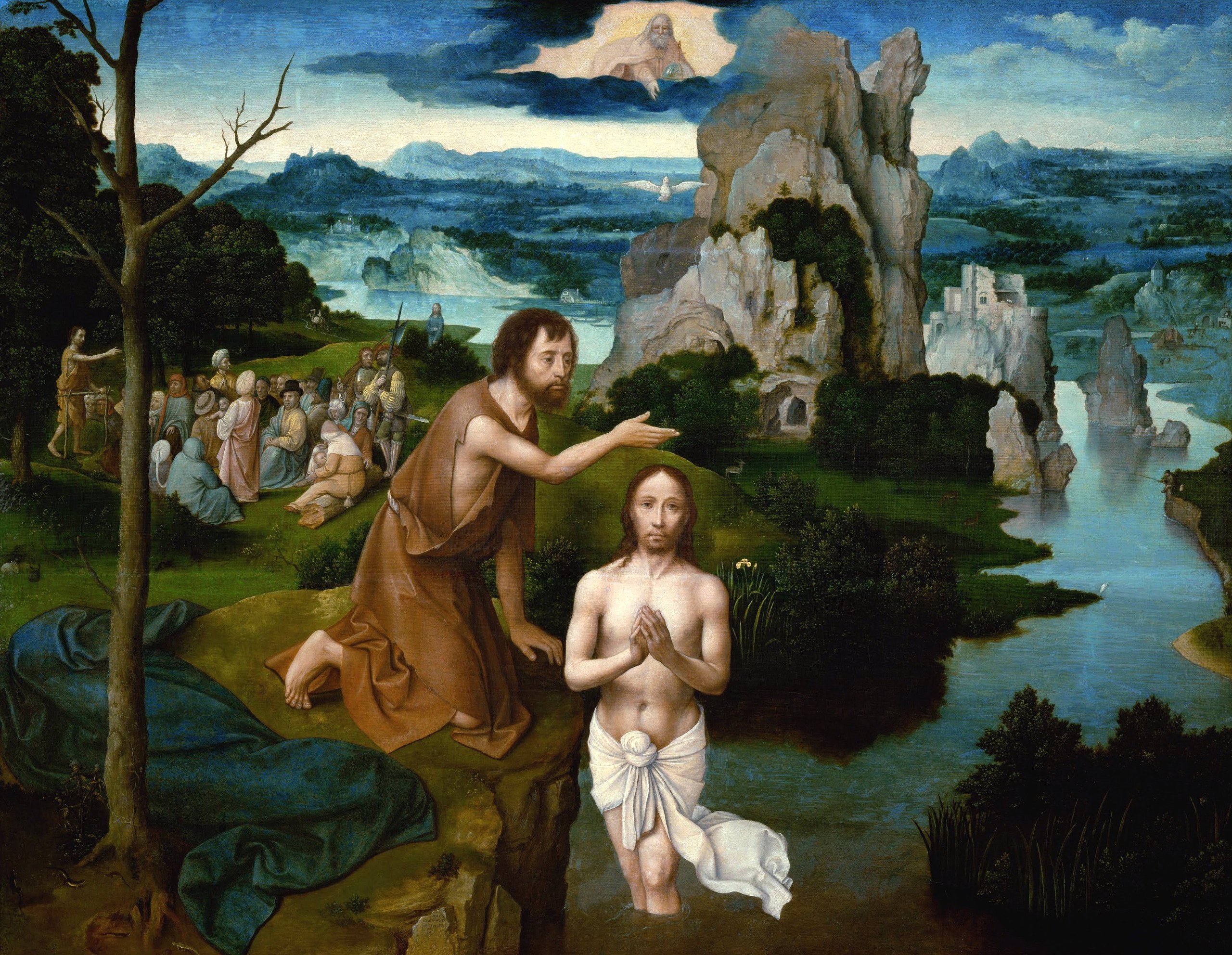
The Baptism of Christ
Joachim Patinir · 1510
Kunsthistorisches Museum
Works worth knowing
What Joachim Patinir made, and why each one is worth looking at.
Landscape with Charon Crossing the Styx
Joachim Patinir · 1515
Museo del Prado
Landscape with Charon Crossing the Styx is an oil on wood painting by the Flemish Northern Renaissance artist Joachim Patinir. 1515 to 1524, it is now in the Museo del Prado, in Madrid. Landscape with Charon Crossing Styx fits into common Northern Renaissance and early Mannerist trends of art.
The Baptism of Christ
Joachim Patinir · 1510
Kunsthistorisches Museum
The Baptism of Christ is an oil on oak wood painting executed c. 1515 by the Flemish Renaissance painter Joachim Patinir, which is now in the collection of the Kunsthistoriches Museum in Vienna. The work depicts the baptism of Christ in the River Jordan by Saint John the Baptist, as described in Matthew 3:13, 17.
Where the work hangs
The museums that hold it, and their visitor guides.
If you like Joachim Patinir
Artists held by the same museums.
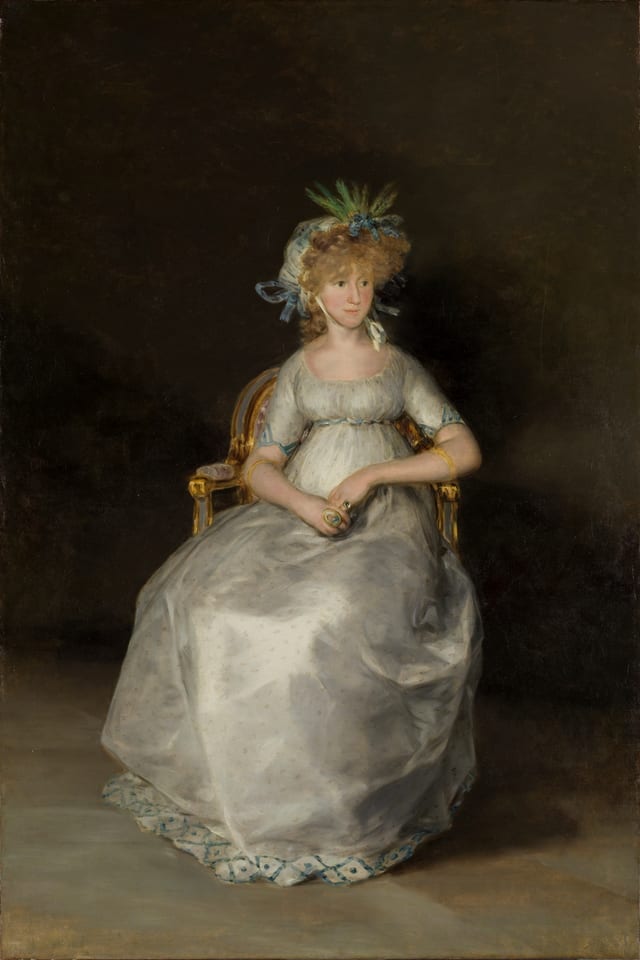
Francisco Goya
Spanish · 22 in the archive
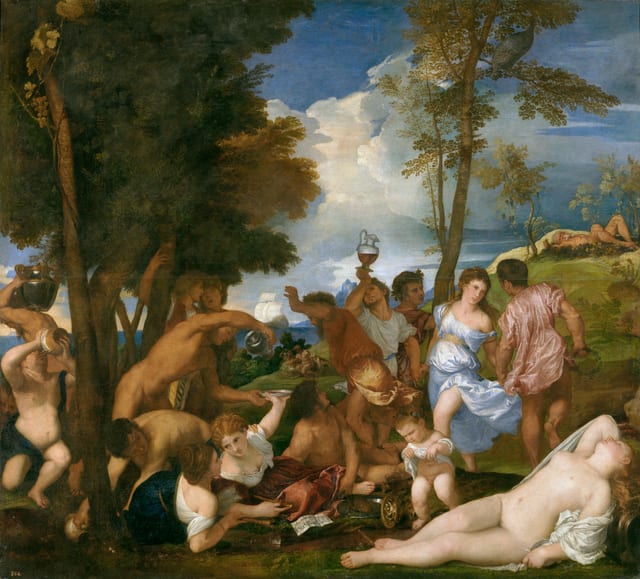
Titian
Italian · 21 in the archive
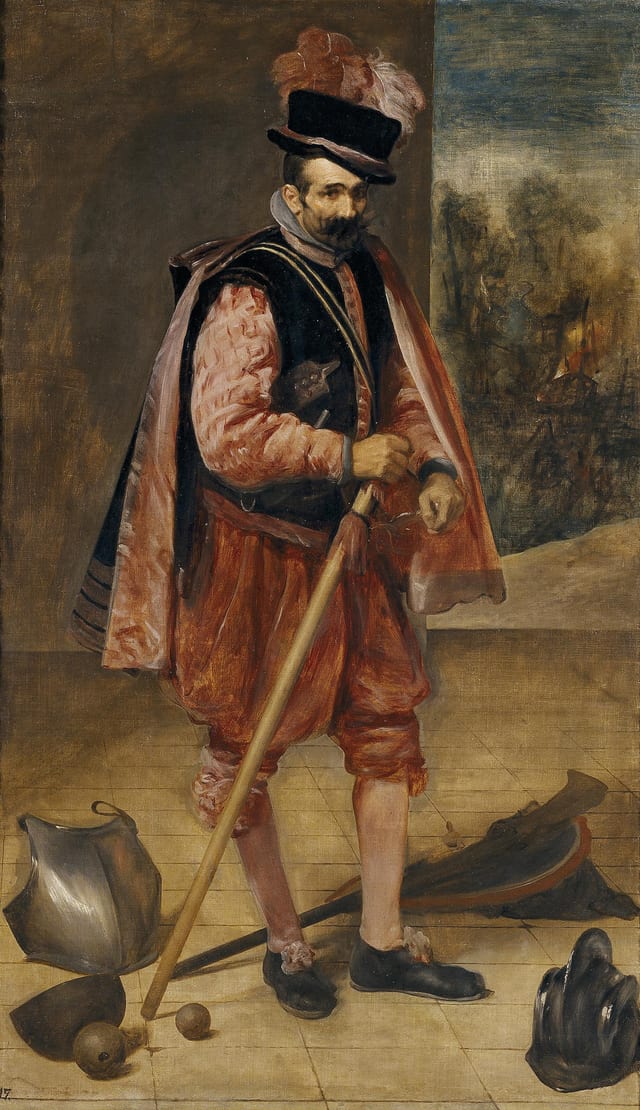
Diego Velázquez
Spain · 18 in the archive
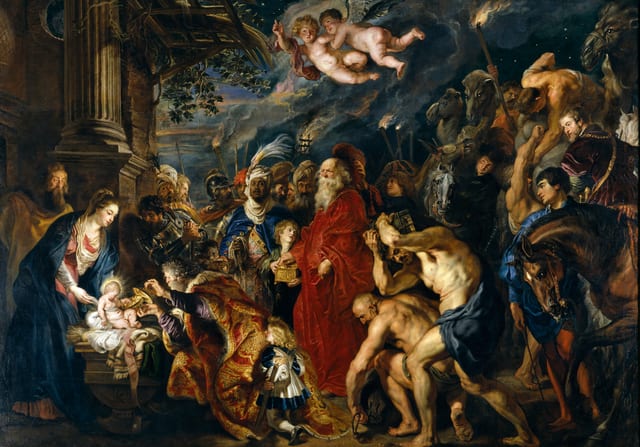
Peter Paul Rubens
Flemish · 16 in the archive
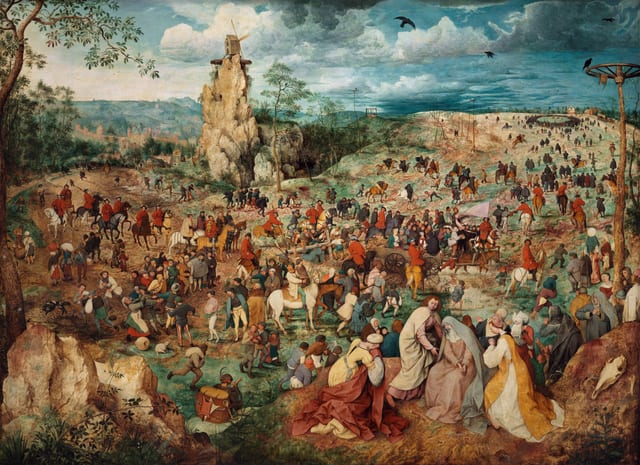
Pieter Brueghel the Elder
Duchy of Brabant · 14 in the archive
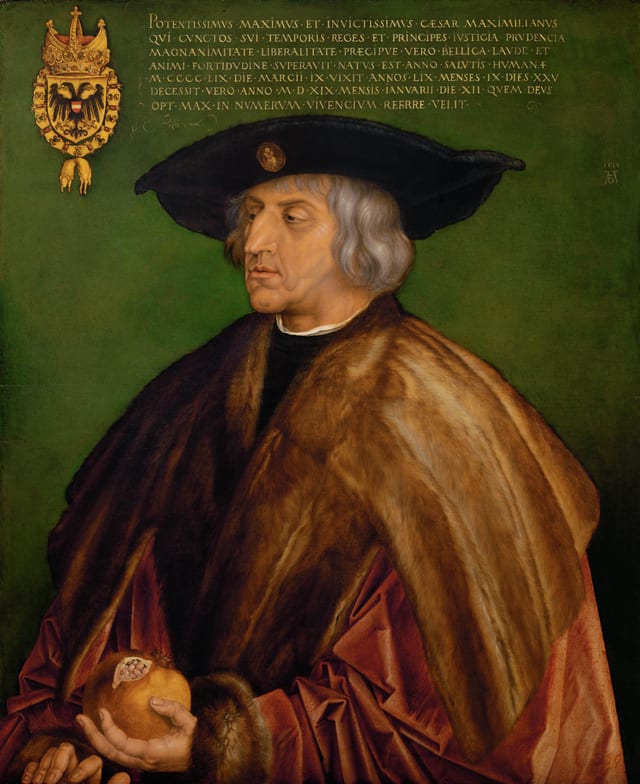
Albrecht Dürer
German · 9 in the archive
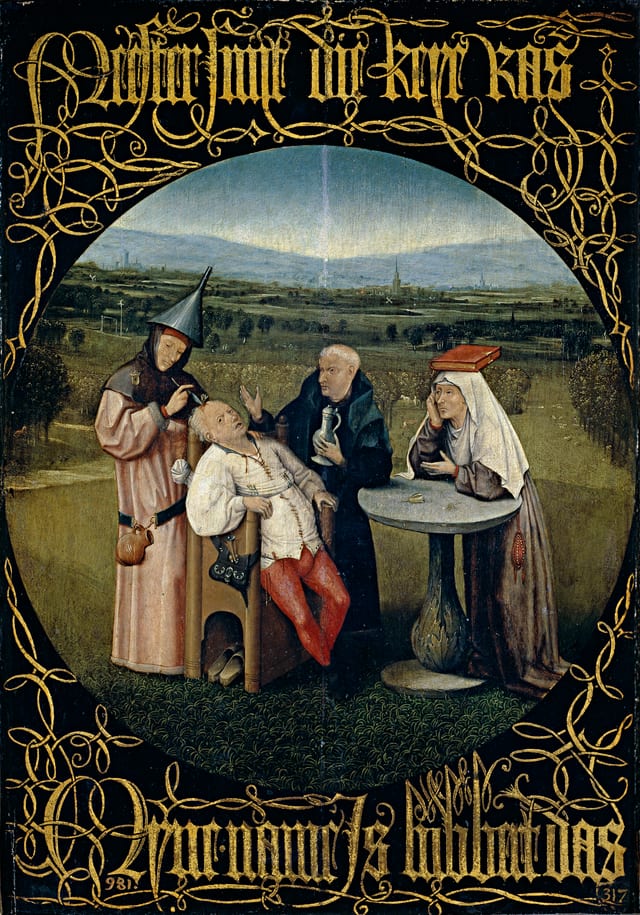
Hieronymus Bosch
Dutch · 8 in the archive
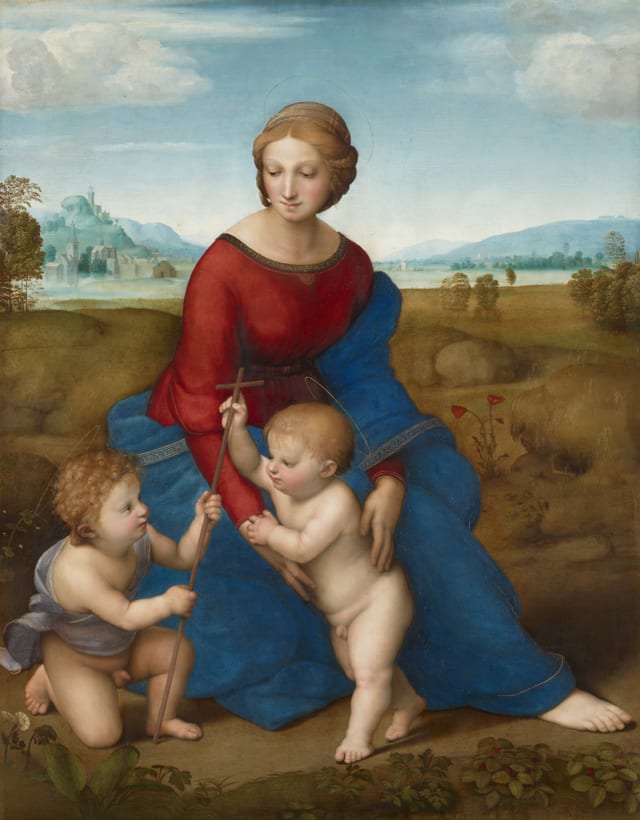
Raphael
Holy Roman Empire · 7 in the archive
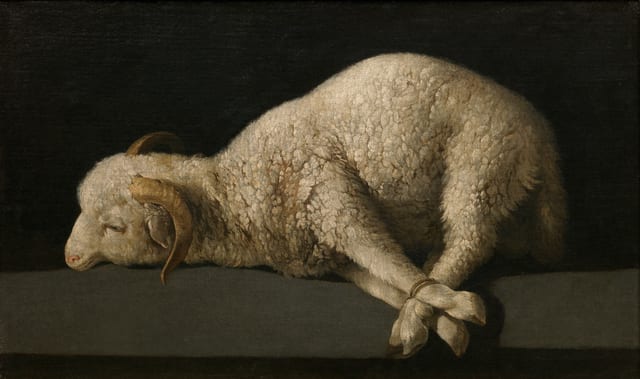
Francisco de Zurbarán
Spain · 5 in the archive
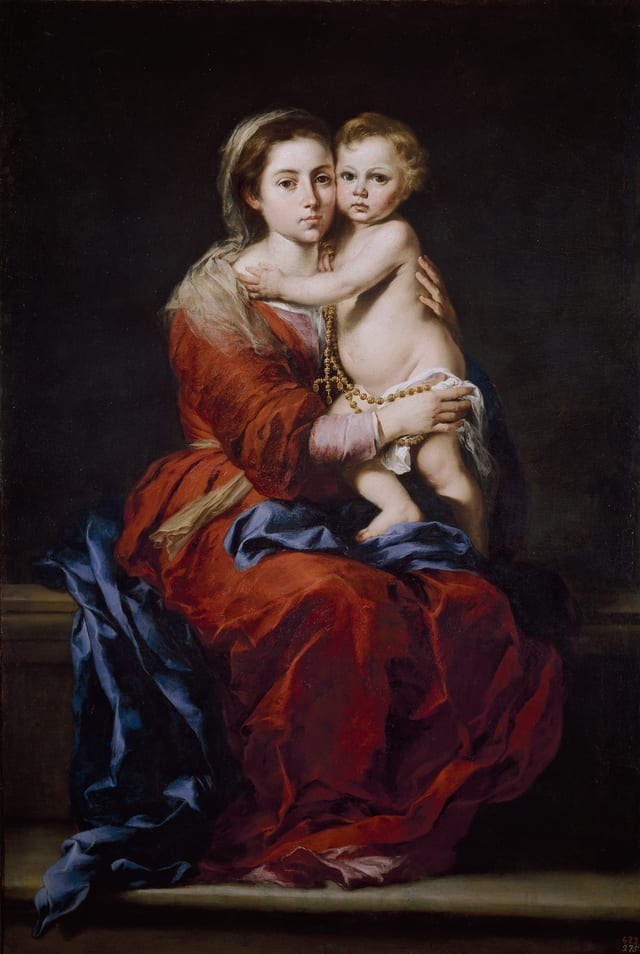
Bartolomé Esteban Murillo
Spain · 4 in the archive
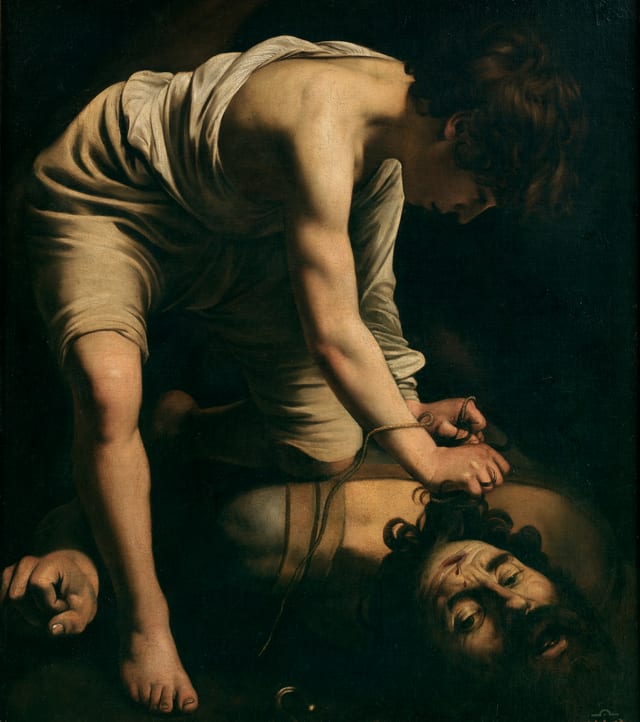
Caravaggio
Italian · 4 in the archive
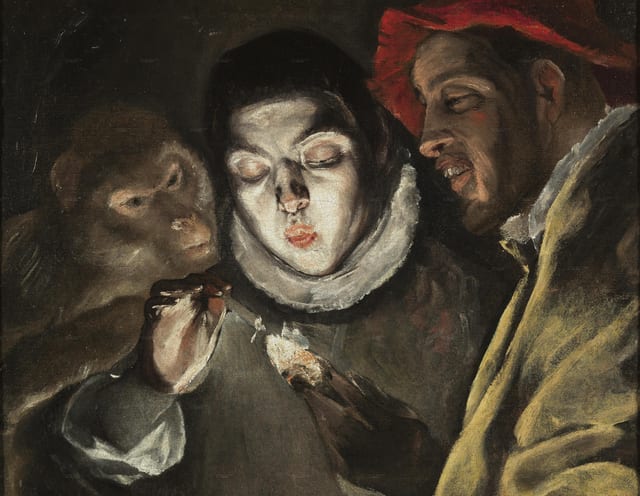
El Greco
Greek · 4 in the archive
Invite the masters into your living room.
Joachim Patinir on your TV, phone, or tablet. Free to start.
View on MomentableIndependent guide by Momentable · biography from Wikipedia · artworks are in the public domain and credited to the museum that holds them