The Last Valley - Paradise Rocks
John La Farge

John La Farge
American · 1835–1910
John La Farge was an American artist whose career spanned illustration, murals, interior design, painting, and popular books on his Asian travels and other art-related topics. La Farge made stained glass windows, mainly for churches on the American east coast, beginning with a large commission for Henry Hobson Richardson's Trinity Church in Boston in 1878, and continuing for thirty years. La Farge designed stained glass as an artist, as a specialist in color, and as a technical innovator, holding a patent granted in 1880 for superimposing panes of glass. That patent would be key in his dispute with contemporary and rival Louis Comfort Tiffany.
Independent artist guide by Momentable. Biography from Wikipedia; artworks credited to the museums that hold them.
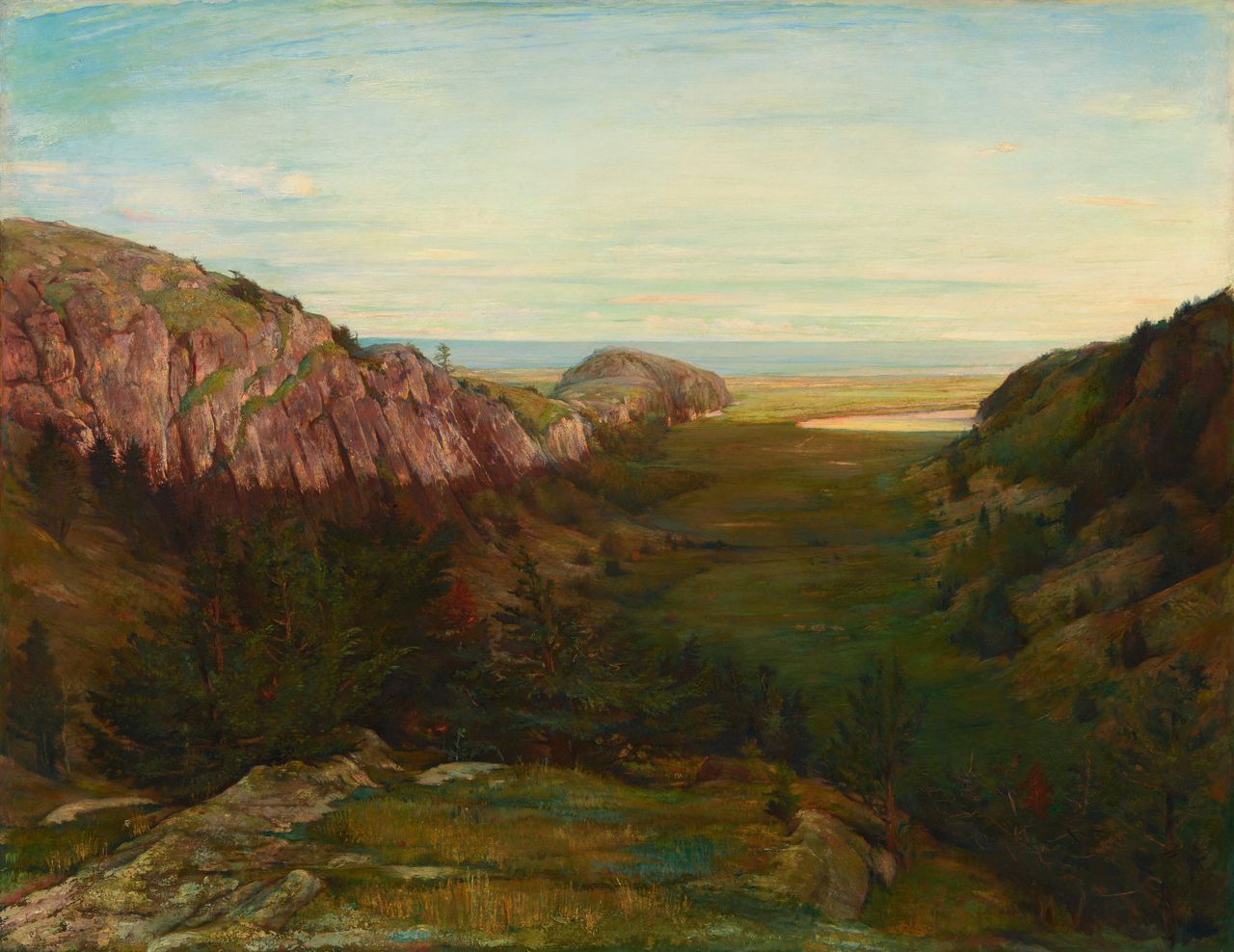 LIVENow streaming · The Last Valley - Paradise Rocks
- life
- 1835–1910life
- rights
- Public domainrights
The work
A selection of 1 works, free to stream.
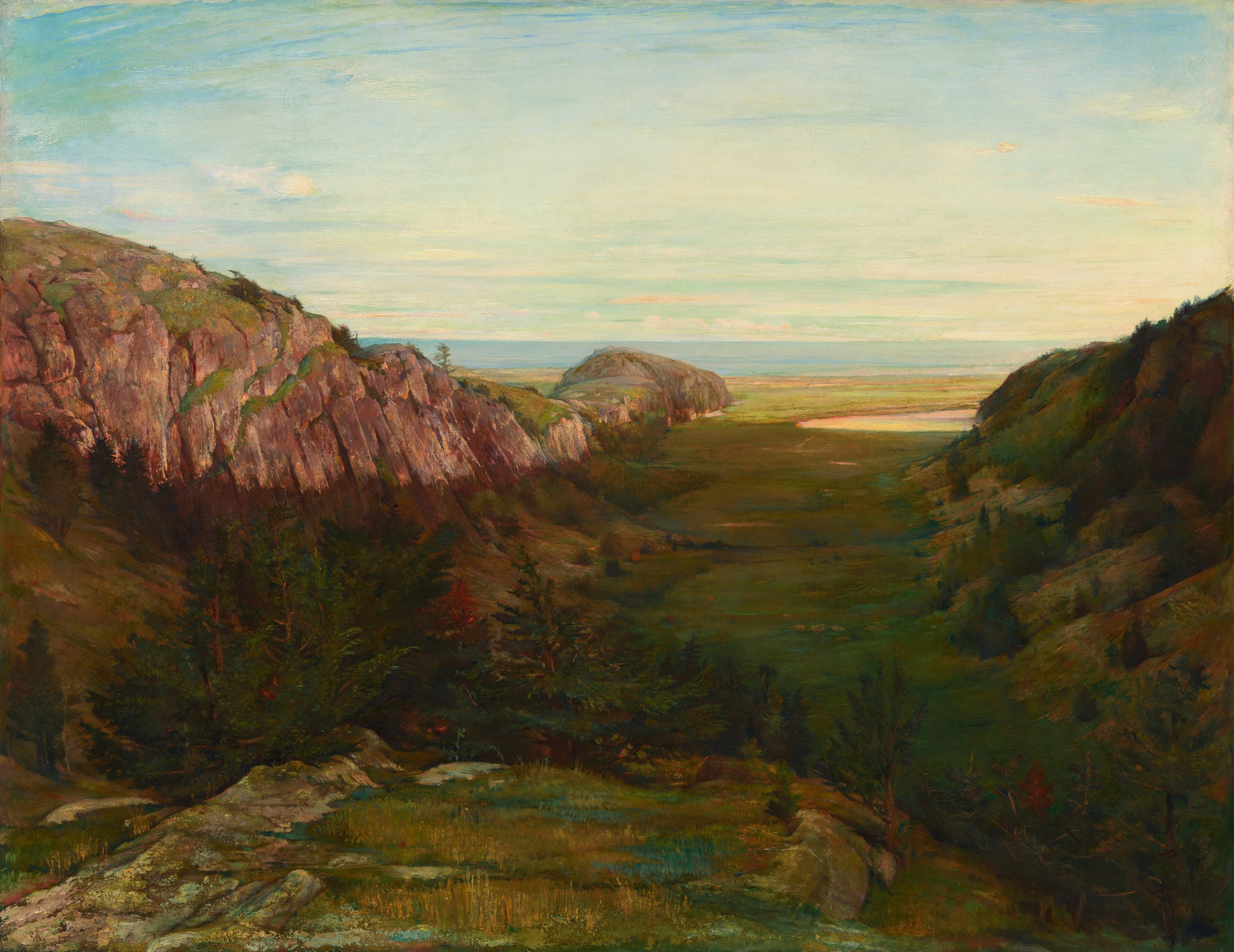
The Last Valley - Paradise Rocks
John La Farge
National Gallery of Art
Works worth knowing
What John La Farge made, and why each one is worth looking at.
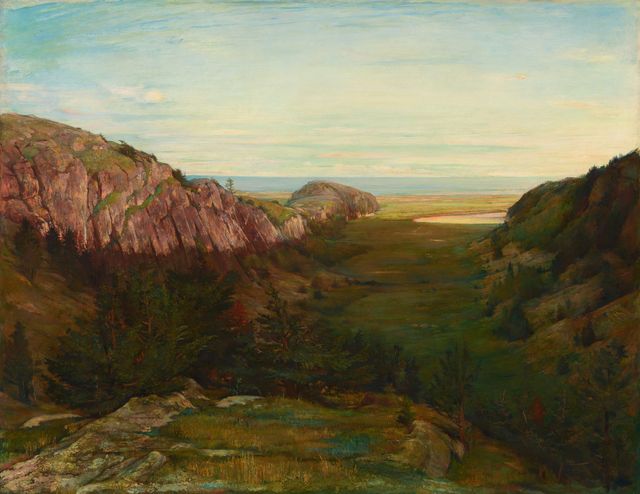
The Last Valley - Paradise Rocks
John La Farge
National Gallery of Art
The Sand Creek massacre (also known as the Chivington massacre, the battle of Sand Creek or the massacre of Cheyenne Indians) was a massacre of Cheyenne and Arapaho people by the U.S. Army in the American Indian Wars that occurred on November 29, 1864, when a 675-man force of the Third Colorado Cavalry under the command of U.S. Volunteers Colonel John Chivington attacked a village of Cheyenne and Arapaho people in southeastern Colorado Territory, killing and mutilating an estimated 70 to over 600 Native American people.
Where the work hangs
The museums that hold it, and their visitor guides.
If you like John La Farge
Artists held by the same museums.
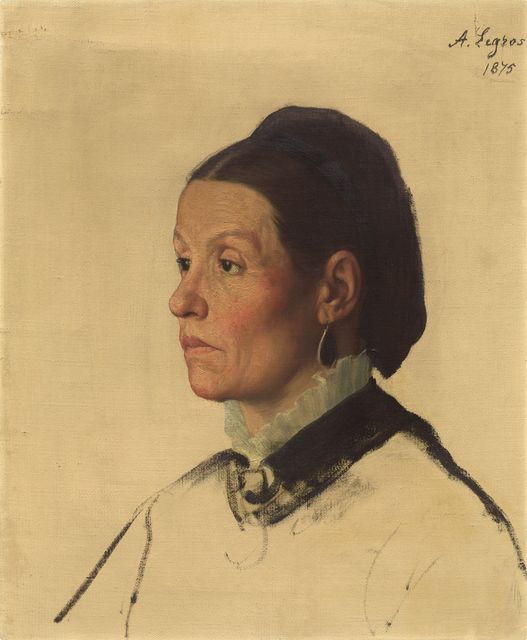
Alphonse Legros
French · 561 in the archive
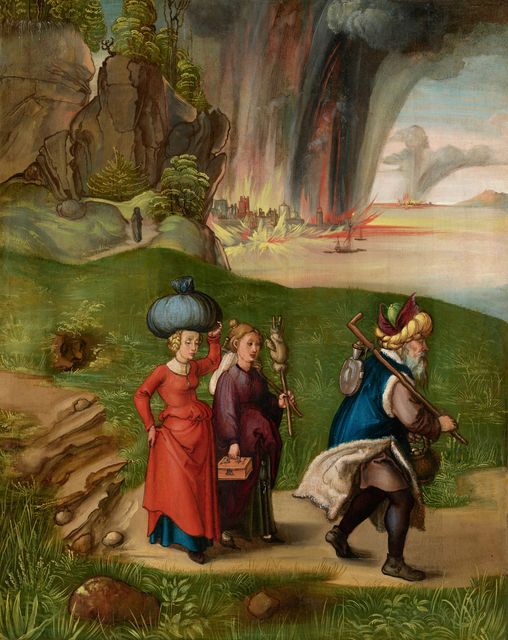
Albrecht Dürer
German · 287 in the archive
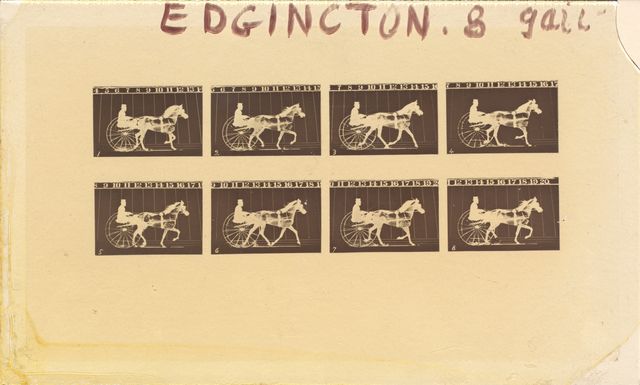
Eadweard Muybridge
English · 259 in the archive
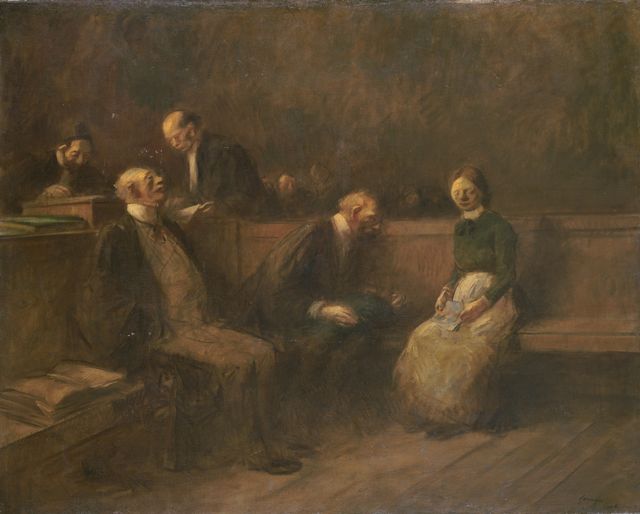
Jean-Louis Forain
French · 259 in the archive
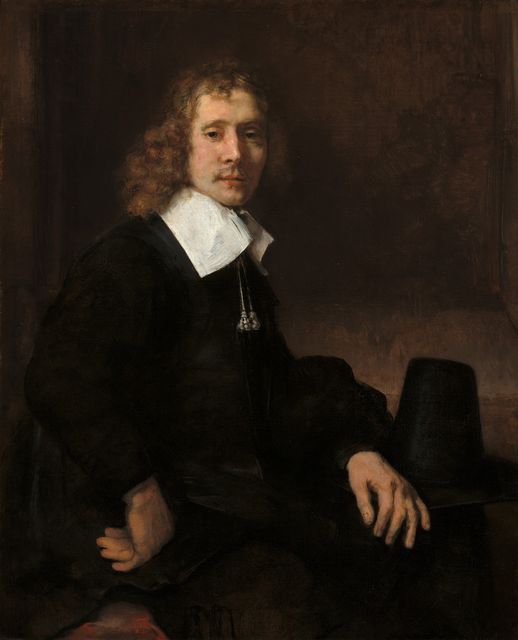
Rembrandt van Rijn
Dutch · 252 in the archive
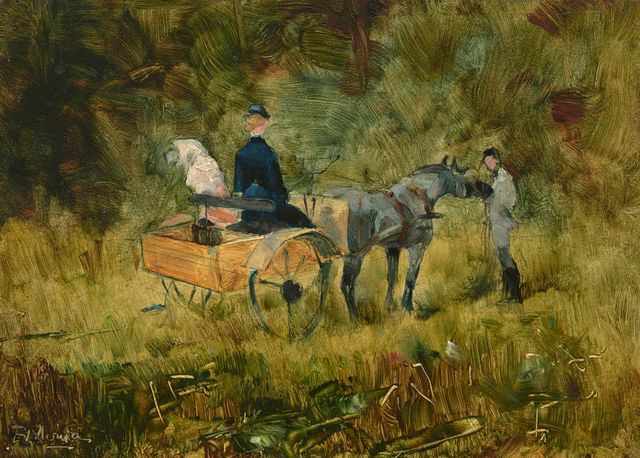
Henri de Toulouse-Lautrec
French · 242 in the archive
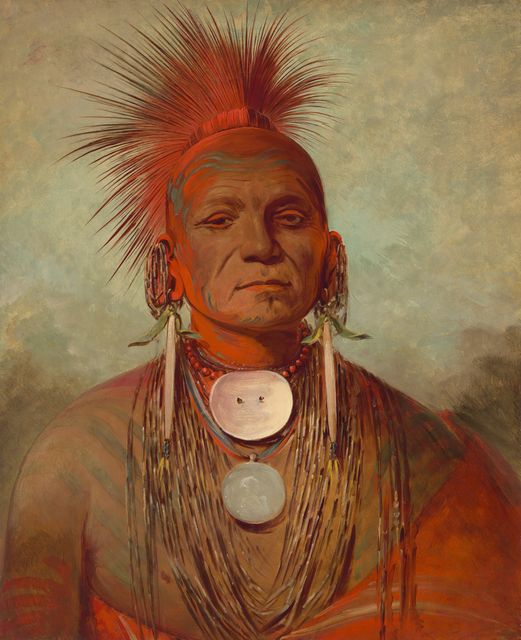
George Catlin
United States · 223 in the archive
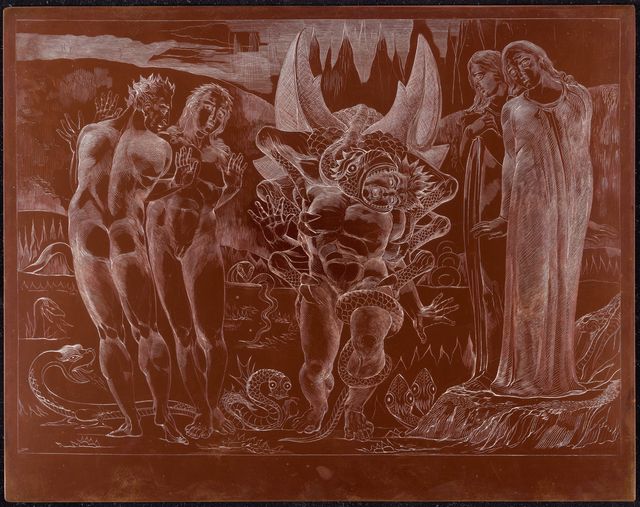
William Blake
United Kingdom of Great Britain and Ireland · 173 in the archive
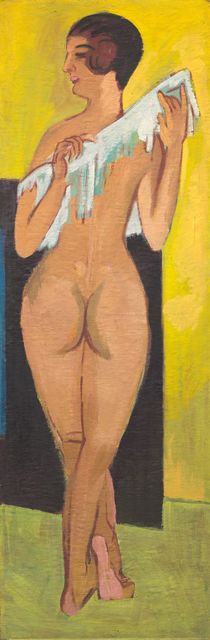
Ernst Ludwig Kirchner
German · 147 in the archive
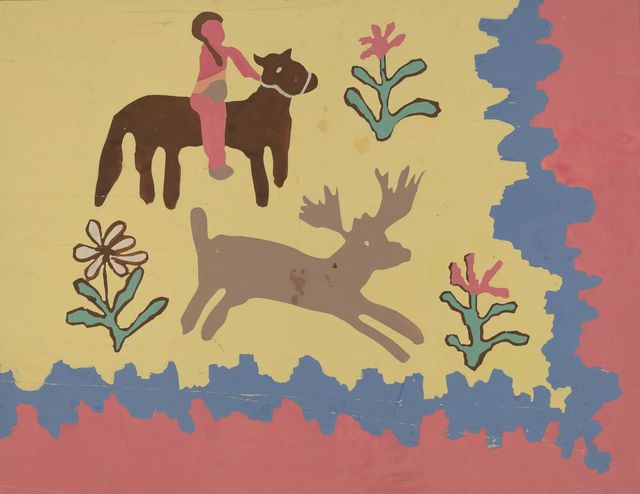
Majel G. Claflin
United States · 135 in the archive
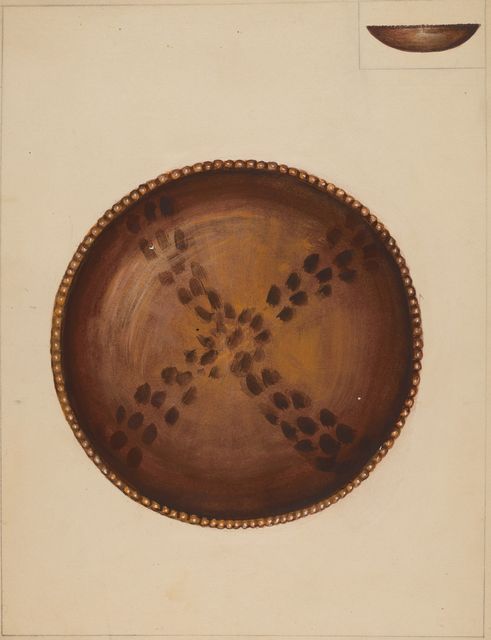
Mina Lowry
United States · 124 in the archive
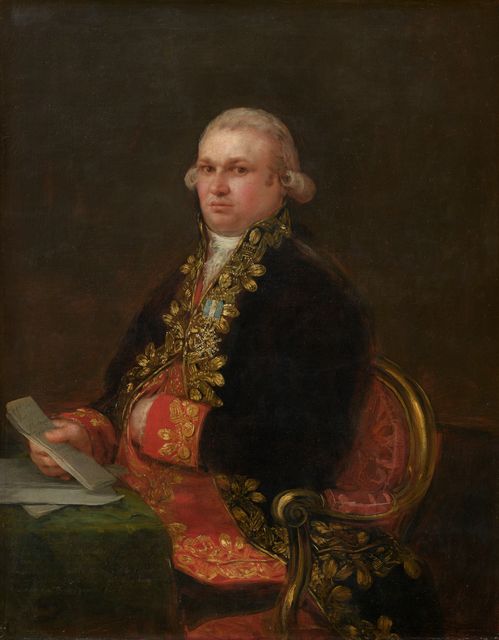
Francisco Goya
Spanish · 113 in the archive
Invite the masters into your living room.
John La Farge on your TV, phone, or tablet. Free to start.
View on MomentableIndependent guide by Momentable · biography from Wikipedia · artworks are in the public domain and credited to the museum that holds them