Untitled
Juan Correa

Juan Correa
Mexico · 1646–1716
Juan Correa was a distinguished Mexican painter of the late seventeenth and early eighteenth centuries. His years of greatest activity were from 1671 to 1716. == Career == Correa was the Afro-Mexican son of a mulatto (or dark-skinned) physician from Cádiz, Spain, and a freed black woman, Pascuala de Santoyo. Correa "became one of the most prominent artists in New Spain during his lifetime, along with Cristóbal de Villalpando." Correa was a highly productive religious painter, with two major paintings in the sacristy of the Cathedral of Mexico City, one on the subject of the Assumption and Coronation of the Virgin (each from 1689), and the Entry into Jerusalem (1691). Elsewhere in the cathedral he created the Vision of the Apocalypse, and other versions of the Assumption and Coronation of the Virgin.
Independent artist guide by Momentable. Biography from Wikipedia; artworks credited to the museums that hold them.
 LIVENow streaming ·
 - life
- 1646–1716life
- rights
- Public domainrights
The work
A selection of 1 works, free to stream.
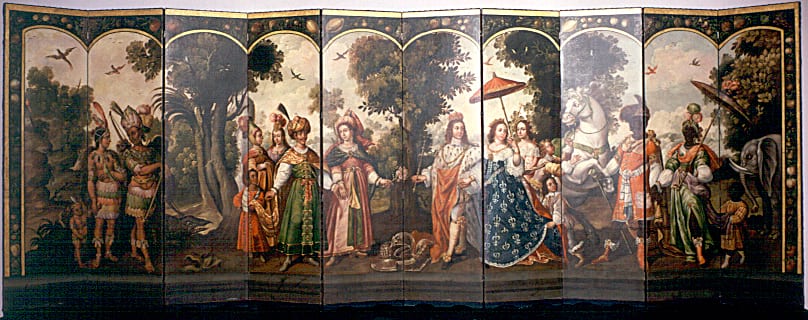
Untitled
Juan Correa
Museo Soumaya
How Juan Correa worked
From the record of their own practice.
It is estimated that Correa produced around 500 paintings for churches and private patrons during the course of his life. His themes are mainly catholic. His early style was described by Ilona Katzew (LACMA curator) as having a "vibrant palette, elegant composition, and overall emphasis on decorative details subtle color gradations that provide a sense of iridescence and contribute to the overall mystical effect." It is often unclear if a painting should be attributed to Juan Correa alone, or to his family atelier. Manuel Toussaint considers Correa and Villalpando the main exponents of the Baroque style of painting in Mexico.
Where the work hangs
The museums that hold it, and their visitor guides.
If you like Juan Correa
Artists held by the same museums.
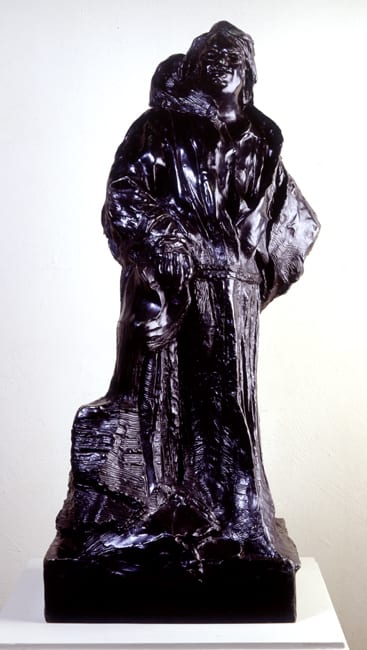
Auguste Rodin
France · 26 in the archive
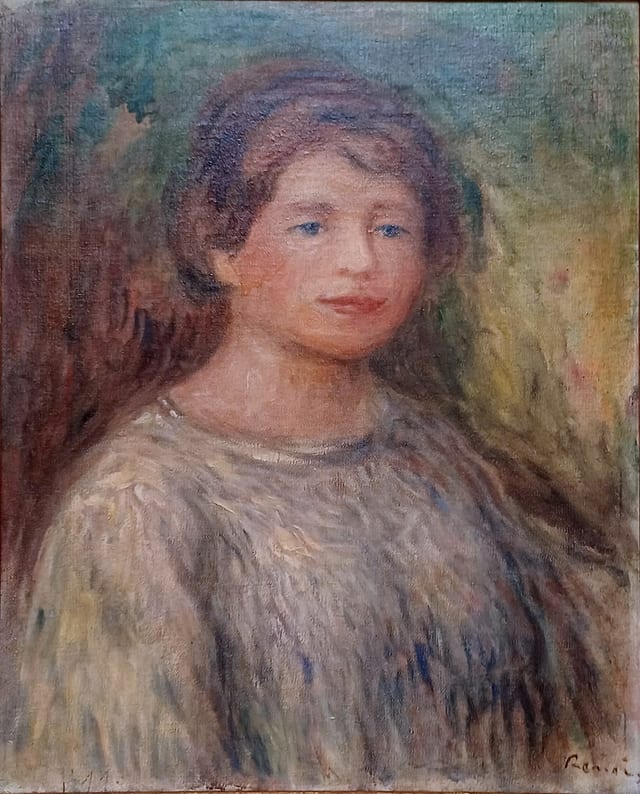
Auguste Renoir
France · 5 in the archive
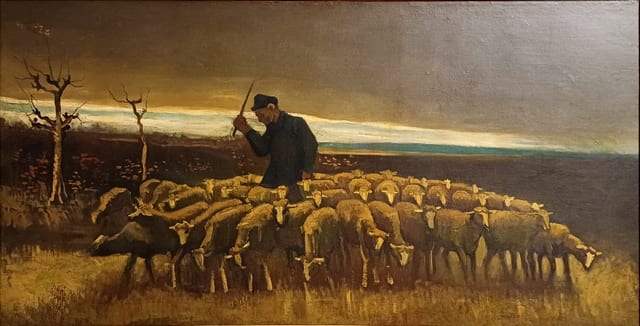
Vincent van Gogh
Dutch · 4 in the archive
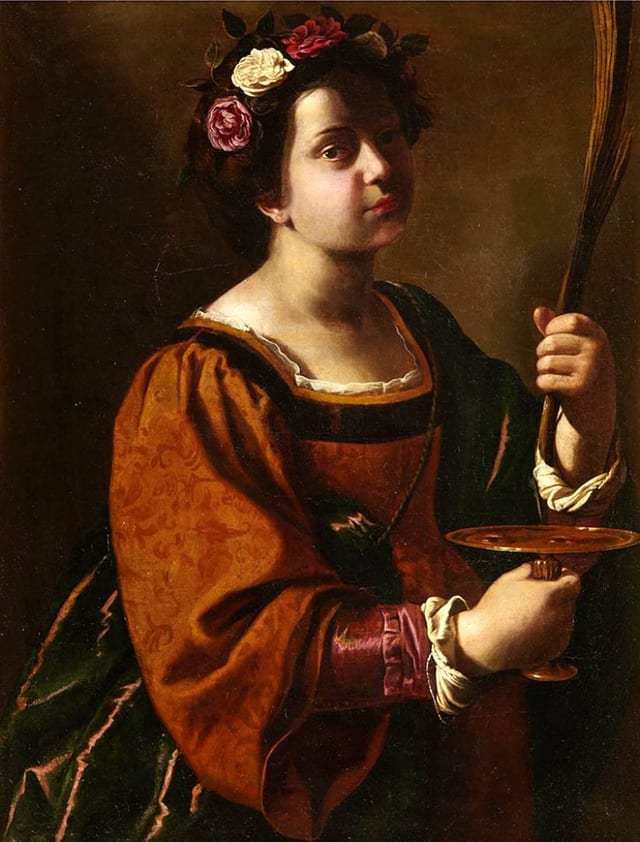
Artemisia Gentileschi
Papal States · 3 in the archive
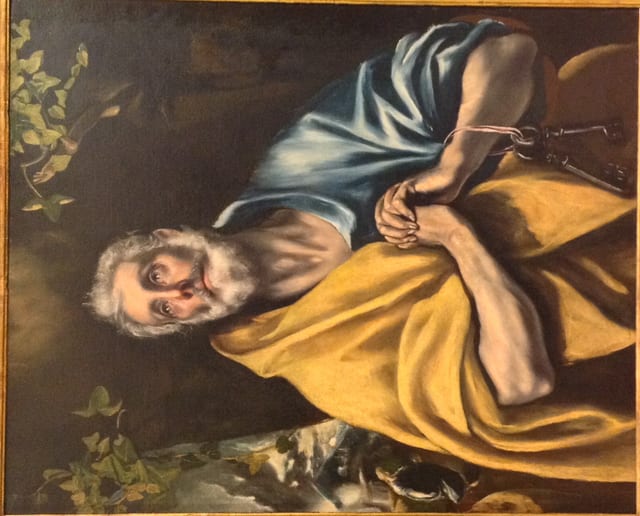
El Greco
Greek · 3 in the archive
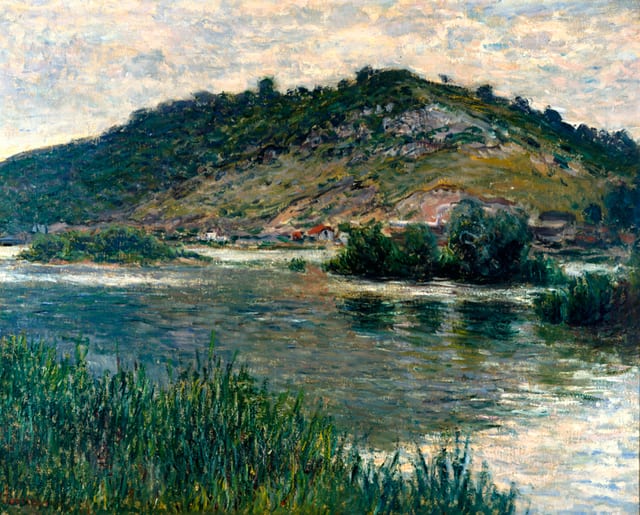
Claude Monet
France · 2 in the archive
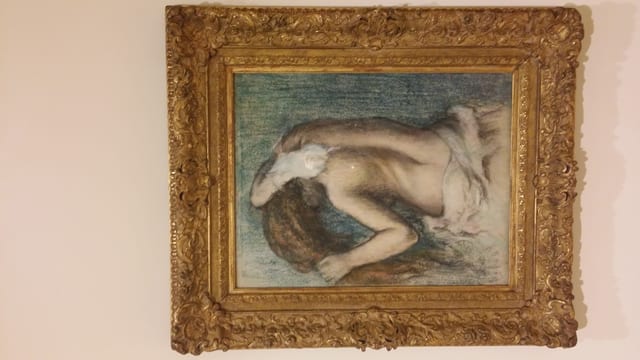
Edgar Degas
French · 2 in the archive
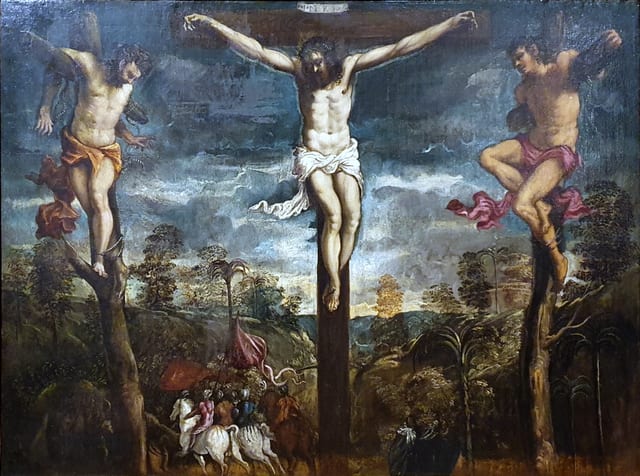
Jacopo Tintoretto
Italian · 2 in the archive
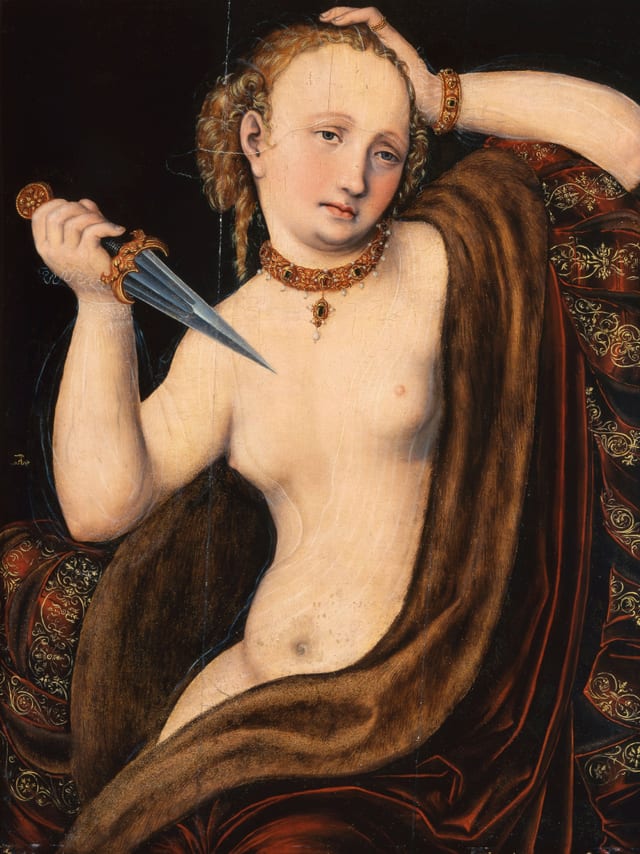
Lucas Cranach the Elder
German · 2 in the archive
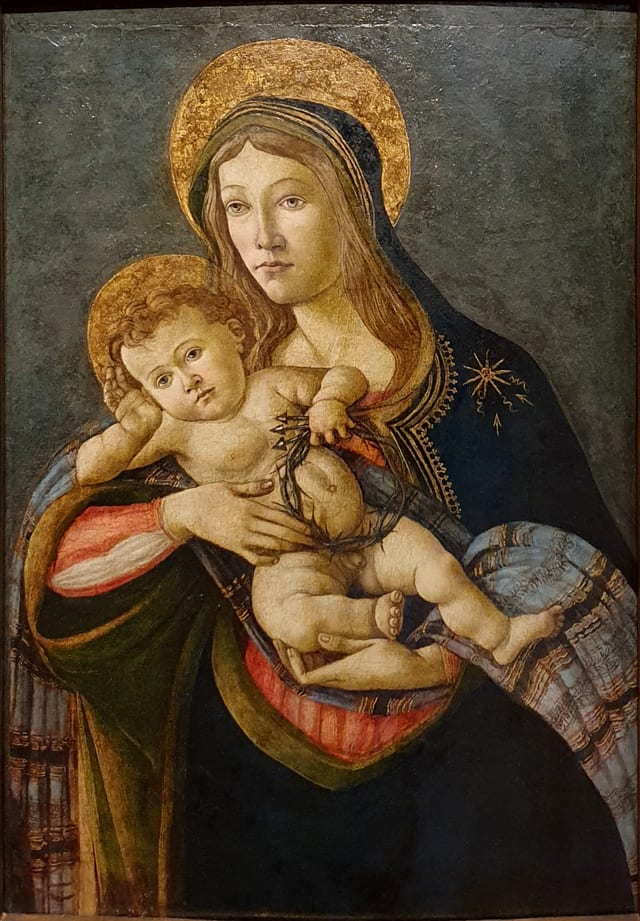
Sandro Botticelli
Italian · 2 in the archive
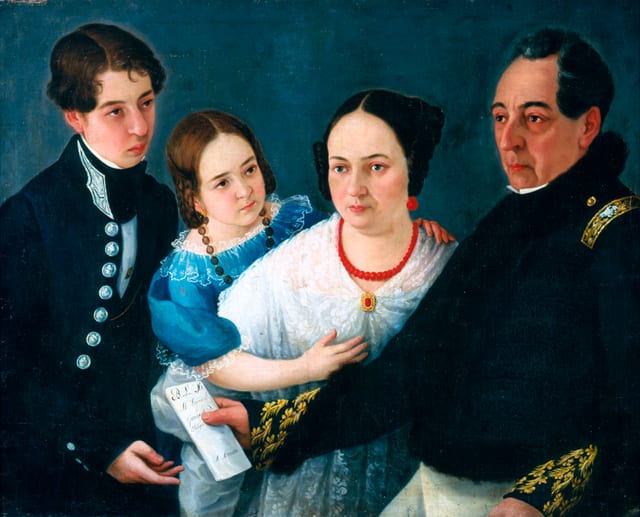
Agustín Arrieta
Mexico · 1 in the archive
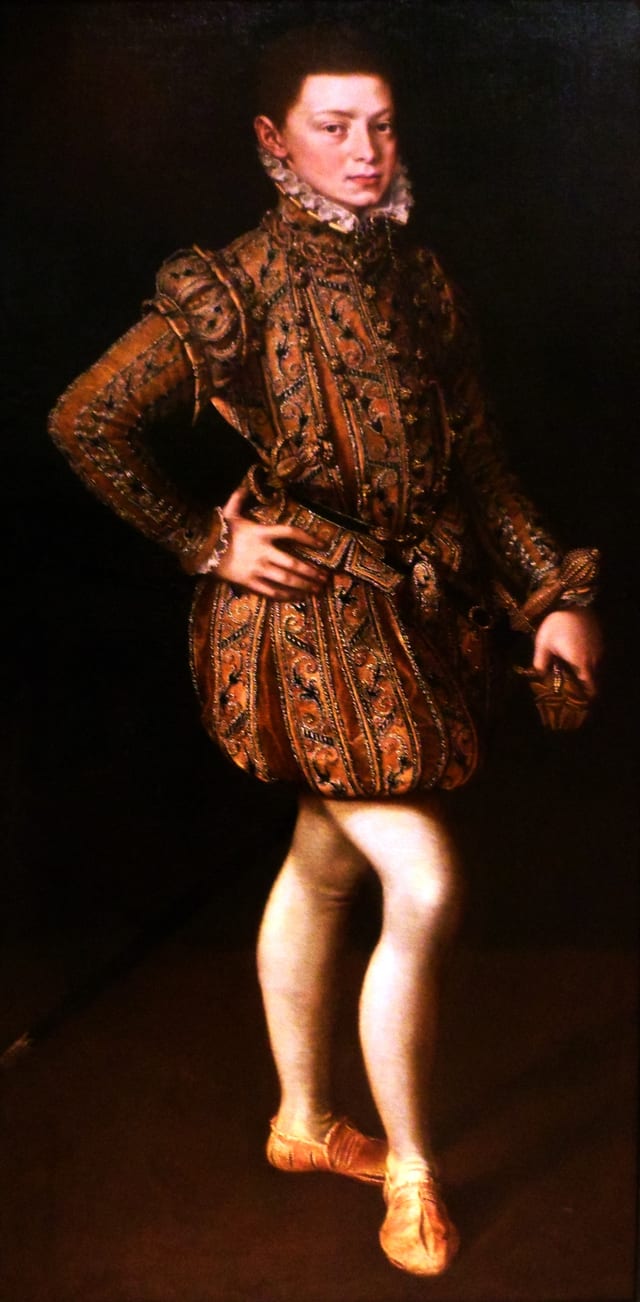
Alonso Sánchez Coello
Crown of Aragon · 1 in the archive
Invite the masters into your living room.
Juan Correa on your TV, phone, or tablet. Free to start.
View on MomentableIndependent guide by Momentable · biography from Wikipedia · artworks are in the public domain and credited to the museum that holds them