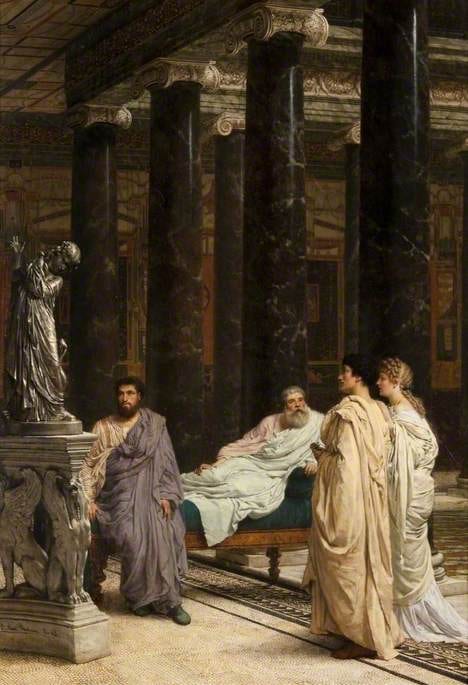
A Lover of Art
Lawrence Alma-Tadema · 1868

Lawrence Alma-Tadema
Belgium · 1836–1912
Sir Lawrence Alma-Tadema was a Dutch painter who later settled in the United Kingdom, becoming the last officially recognised denizen in 1873. Born in Dronryp, the Netherlands, and trained at the Royal Academy of Antwerp, Belgium, he settled in London, England in 1870 and spent the rest of his life there. A painter of mostly classical subjects, he became famous for his depictions of the luxury and decadence of the Roman Empire, with languorous figures set in fabulous marbled interiors or against a backdrop of dazzling blue Mediterranean sea and sky. One of the most popular Victorian painters, Alma-Tadema was admired during his lifetime for his draftsmanship and accurate depictions of Classical antiquity, but his work fell out of fashion after his death, and only since the 1960s has it been appreciated for its importance within Victorian painting. == Biography == === Early life === Alma-Tadema was born on 8 January 1836 in the village of Dronryp in the province of Friesland in the north of the Netherlands.
Independent artist guide by Momentable. Biography from Wikipedia; artworks credited to the museums that hold them.
 LIVENow streaming · A Lover of Art
- life
- 1836–1912life
- rights
- Public domainrights
The work
A selection of 2 works, free to stream.
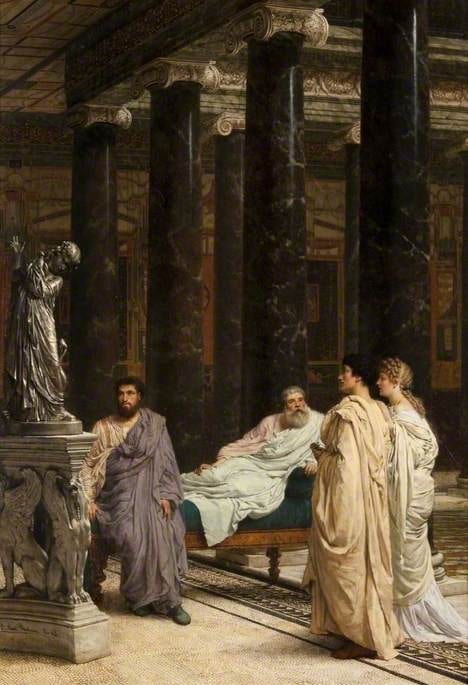
A Lover of Art
Lawrence Alma-Tadema · 1868
Kelvingrove Art Gallery and Museum
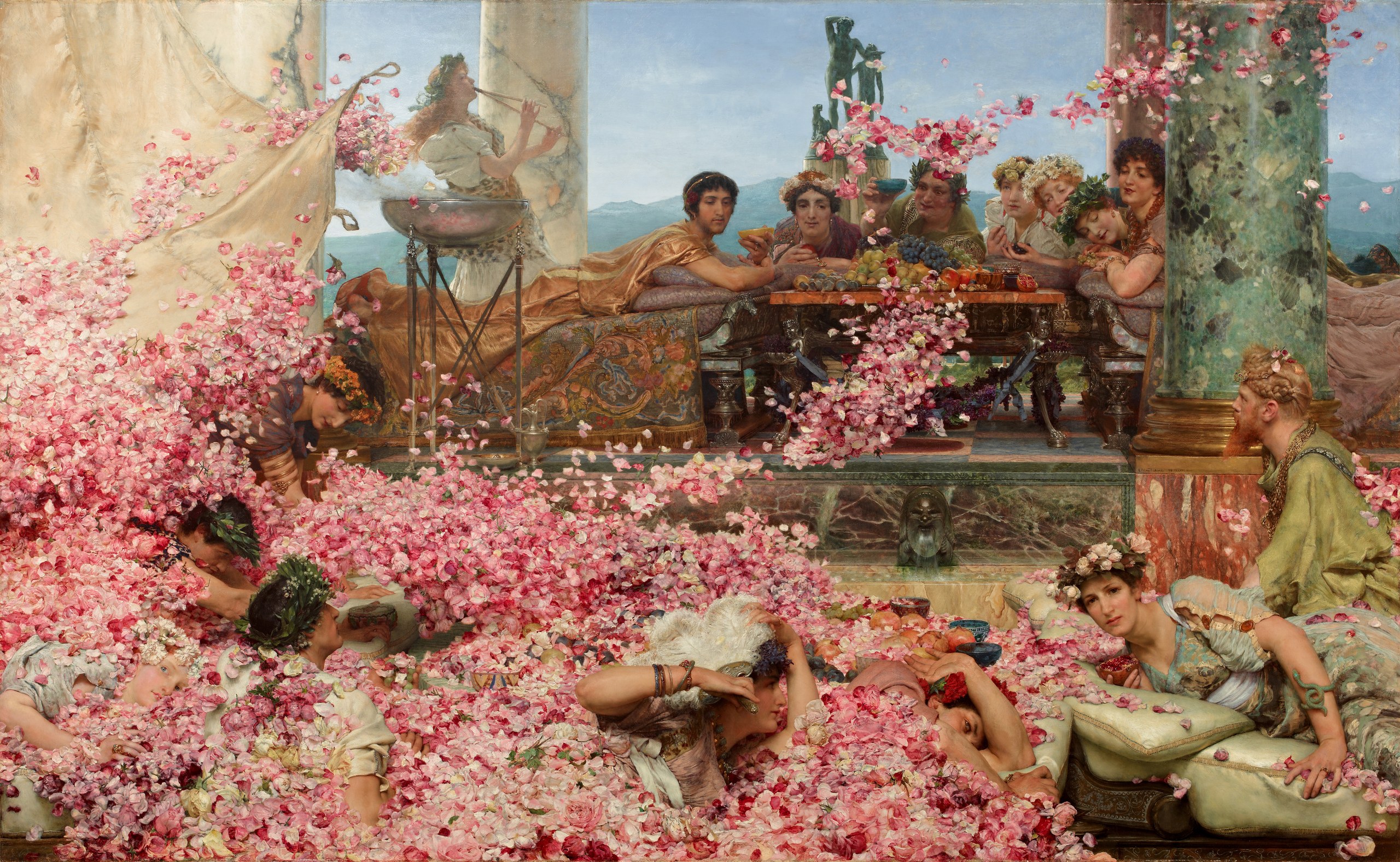
The Roses of Heliogabalus
Lawrence Alma-Tadema · 1888
Works worth knowing
1 of Lawrence Alma-Tadema's works, and what makes each one worth a look.
The Roses of Heliogabalus
Lawrence Alma-Tadema · 1888
The Roses of Heliogabalus is an oil painting by the Anglo-Dutch artist Sir Lawrence Alma-Tadema, from 1888. It depicts the young Roman emperor Elagabalus (203 to 222 AD) hosting a banquet. It is held in a private collection.
How Lawrence Alma-Tadema worked
From the record of their own practice.
Alma-Tadema's works are remarkable for their depiction of flowers, textures and hard reflecting substances like metals, pottery, and especially marble (leading to the nickname 'marbellous painter'). His work shows much of the fine execution and brilliant colour of the old Dutch masters. From early in his career, Alma-Tadema was particularly concerned with architectural accuracy, often painting objects from museums, such as the British Museum in London. He also took many images from books and amassed an enormous number of photographs from ancient sites in Italy, which he used to achieve the most precise detail in his painting. Alma-Tadema was a perfectionist, repeatedly reworking parts of paintings until he found them satisfactory.
Where the work hangs
The museums that hold it, and their visitor guides.
If you like Lawrence Alma-Tadema
Artists held by the same museums.
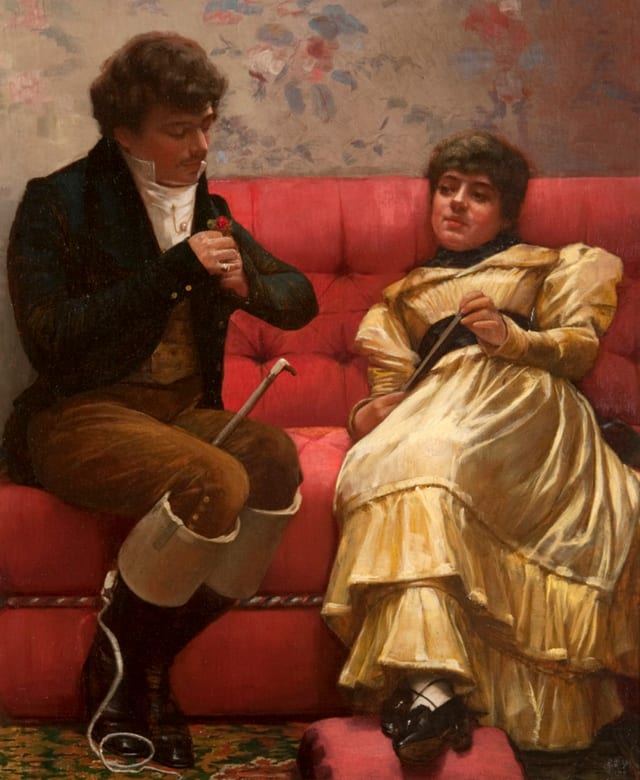
John Lavery
United Kingdom · 7 in the archive
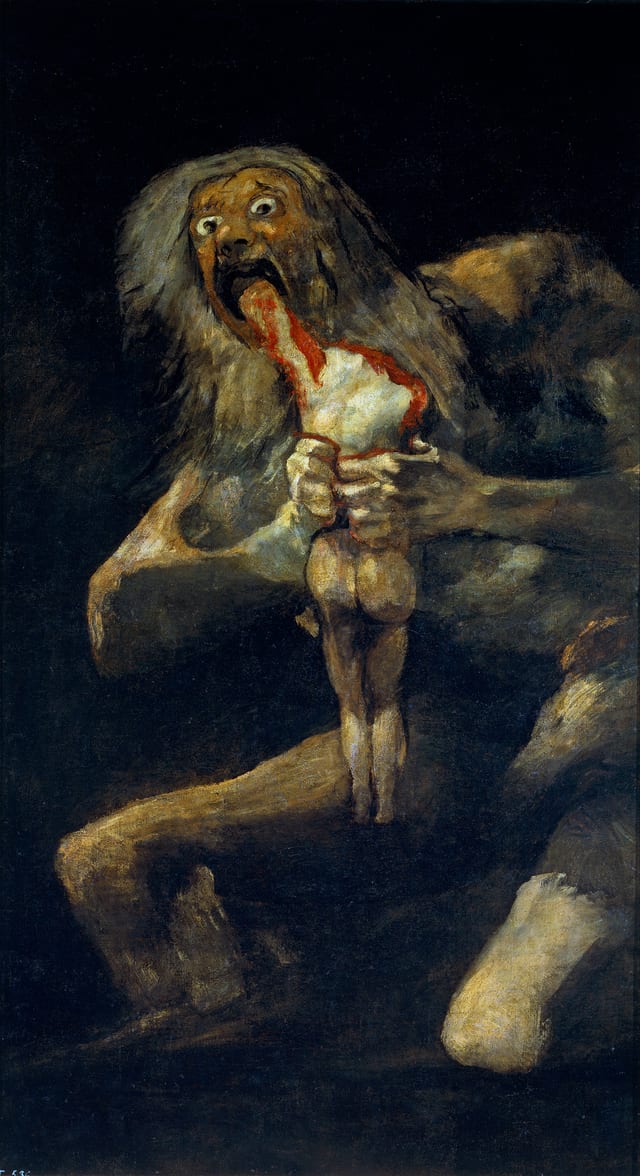
Francisco Goya
Spanish · 6 in the archive
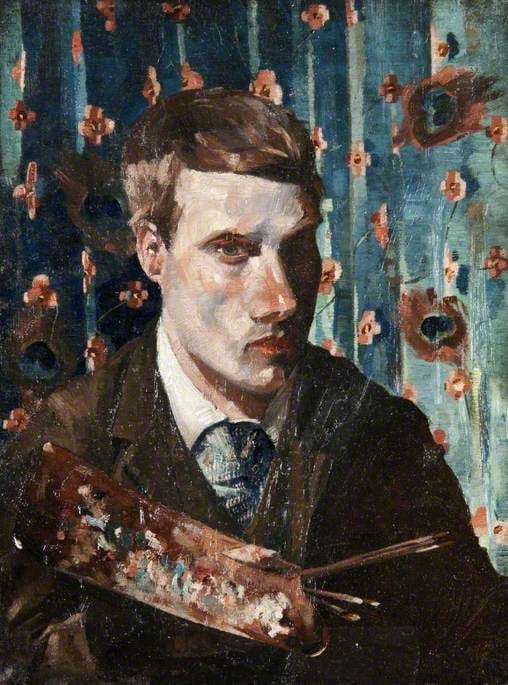
John Quinton Pringle
United Kingdom of Great Britain and Ireland · 6 in the archive
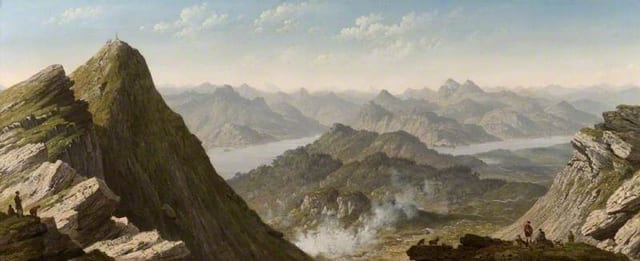
John Knox
Kingdom of Great Britain · 5 in the archive
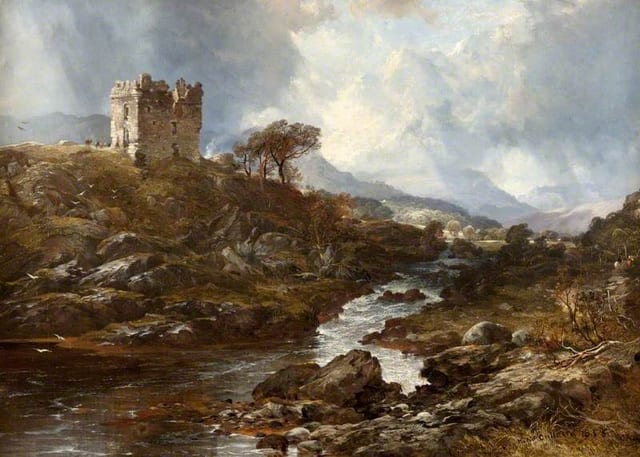
Horatio McCulloch
United Kingdom of Great Britain and Ireland · 4 in the archive
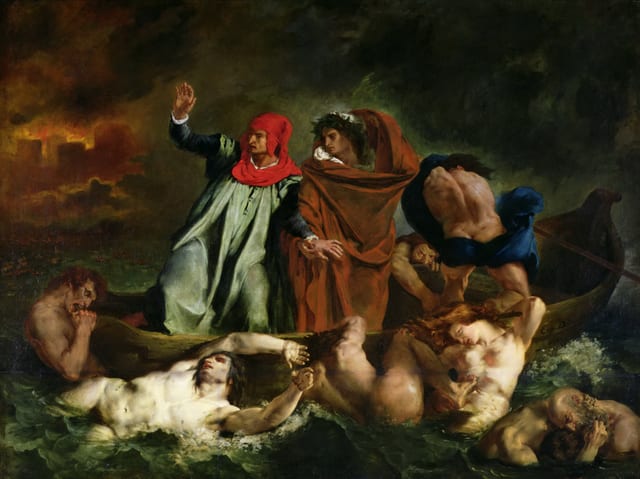
Eugène Delacroix
French · 3 in the archive
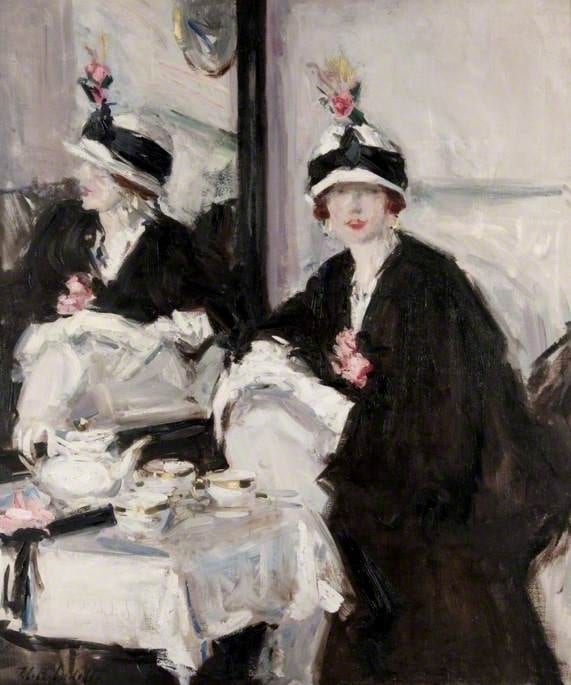
Francis Cadell
United Kingdom · 3 in the archive
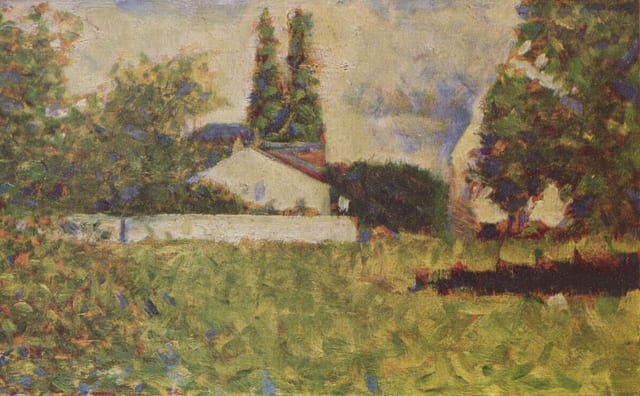
Georges Seurat
French · 3 in the archive
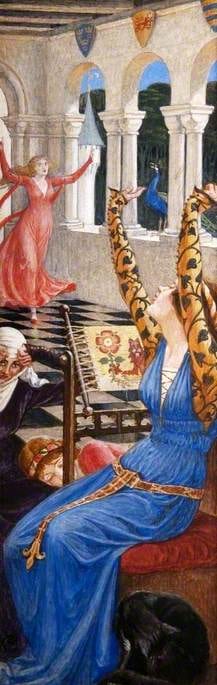
Walter Crane
United Kingdom of Great Britain and Ireland · 3 in the archive
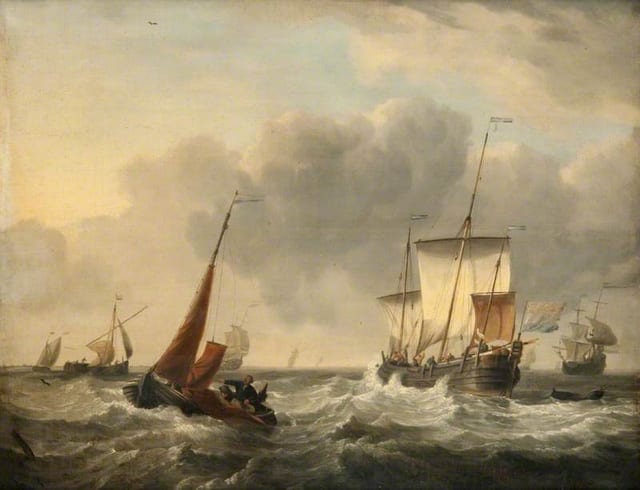
Willem van de Velde the Younger
Dutch Republic · 3 in the archive
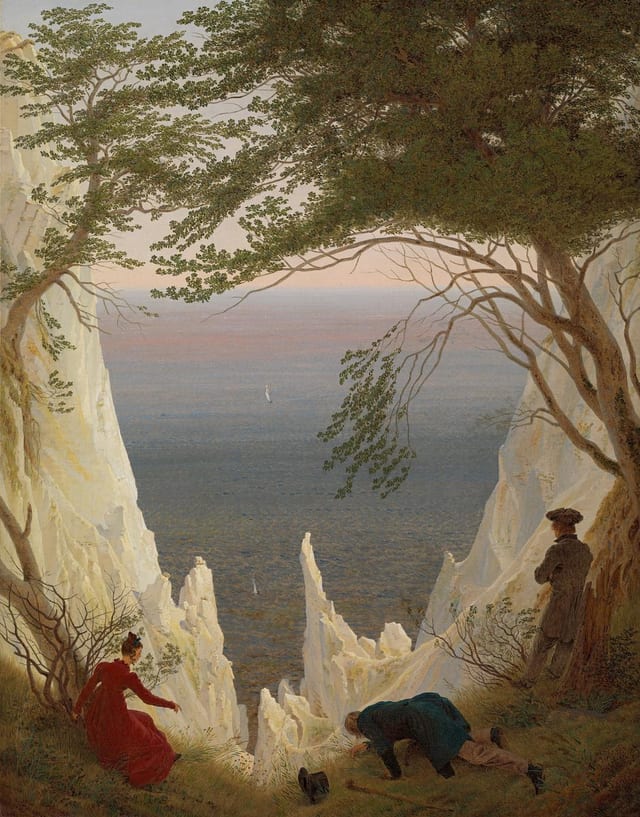
Caspar David Friedrich
Kingdom of Prussia · 2 in the archive
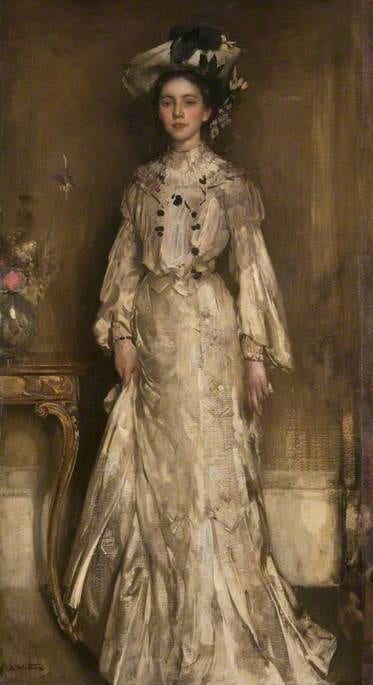
Edward Arthur Walton
United Kingdom of Great Britain and Ireland · 2 in the archive
Invite the masters into your living room.
Lawrence Alma-Tadema on your TV, phone, or tablet. Free to start.
View on MomentableIndependent guide by Momentable · biography from Wikipedia · artworks are in the public domain and credited to the museum that holds them