Saint John the Baptist
Lippo Memmi

Lippo Memmi
Italian · 1291–1356
Lippo Memmi was an Italian painter from Siena. He was the foremost follower of Simone Martini, who was his brother-in-law.
Independent artist guide by Momentable. Biography from Wikipedia; artworks credited to the museums that hold them.
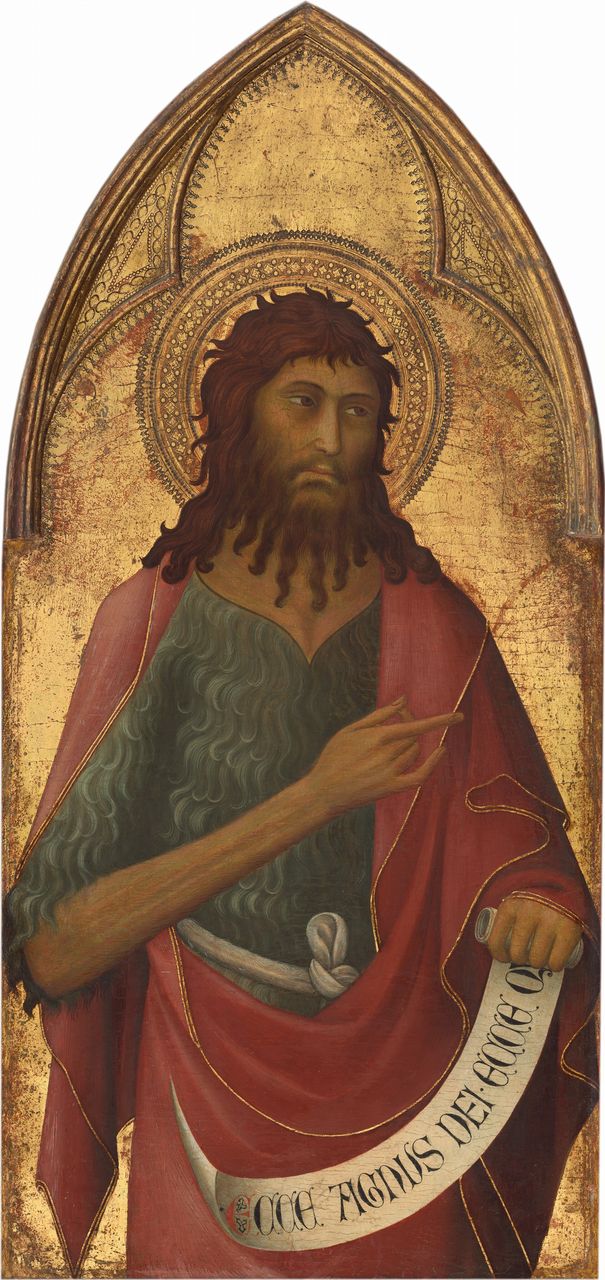 LIVENow streaming · Saint John the Baptist
- life
- 1291–1356life
- movement
- Proto-Renaissancemovement
The work
A selection of 1 works, free to stream.
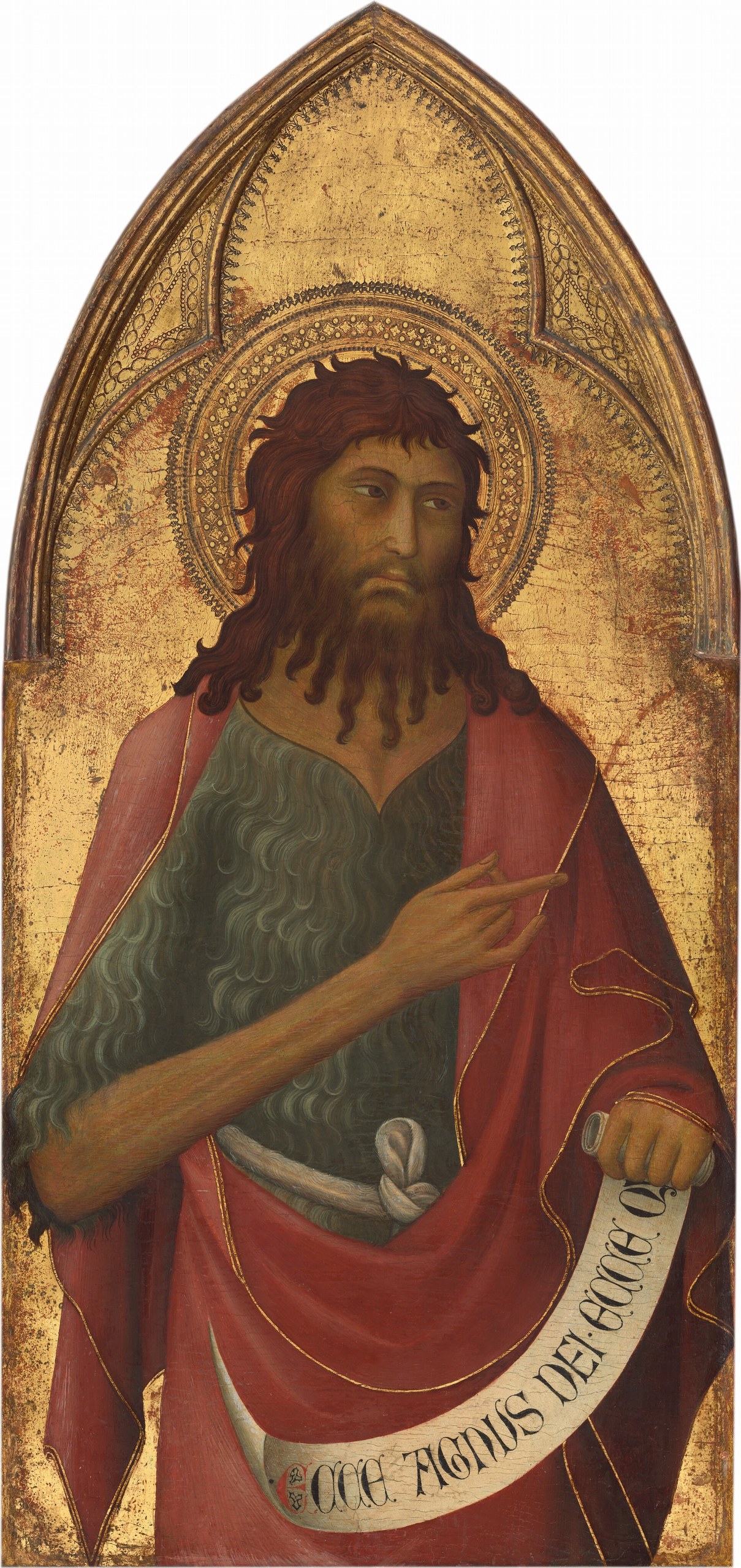
Saint John the Baptist
Lippo Memmi
National Gallery of Art
Works worth knowing
What Lippo Memmi made, and why each one is worth looking at.
Saint John the Baptist
Lippo Memmi
National Gallery of Art
Lippo Memmi (c. 1291 to 1356) was an Italian painter from Siena. He was the foremost follower of Simone Martini, who was his brother-in-law. Together with Martini, in 1333 he painted what is regarded as one of the masterworks of the International Gothic, the Annunciation with St. Margaret and St. Ansanus (now in the Uffizi), probably mainly working on the two saints.
How Lippo Memmi worked
From the record of their own practice.
Memmi's figures retain the static and generally frontal view found in the earlier generation of late Duecento masters such as Guido da Siena. Common features of his documented and attributed work are the sophisticated compositional arrangements, figures rendered with a striking facial roundness, narrow eyes, graceful brow lines, and elongated noses. Memmi's figures are considered less innovative than those of his Trecento contemporaries, the sensibility of the lines used in the face and the eyes hearken back to the conventions of the Byzantine tradition. Though they demonstrate Memmi's adherence to earlier conventions of emphasizing the spiritual function of Medieval art, there are also indications of the forward-looking stylistic developments of his fellow Sienese masters. A description of his St. Agnes panel (1300–1350) shows how Memmi's pictorial style was less severe and angular than the Duecento works his imagery recalled: “...has softer qualities and its spirit is tranquil”.
Where the work hangs
The museums that hold it, and their visitor guides.
If you like Lippo Memmi
Artists held by the same museums.
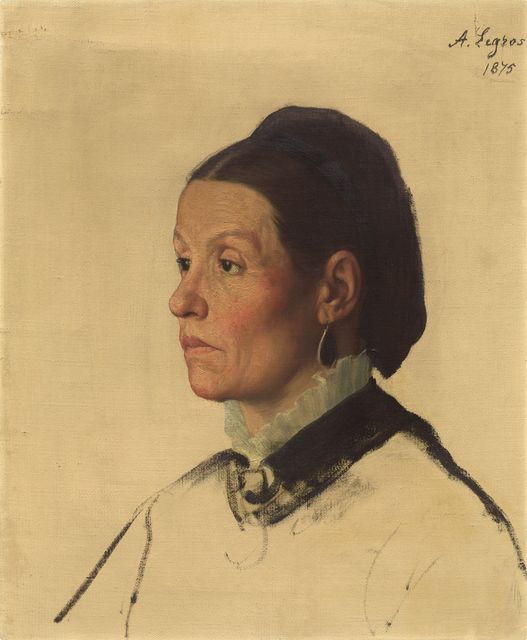
Alphonse Legros
French · 561 in the archive

Albrecht Dürer
German · 287 in the archive
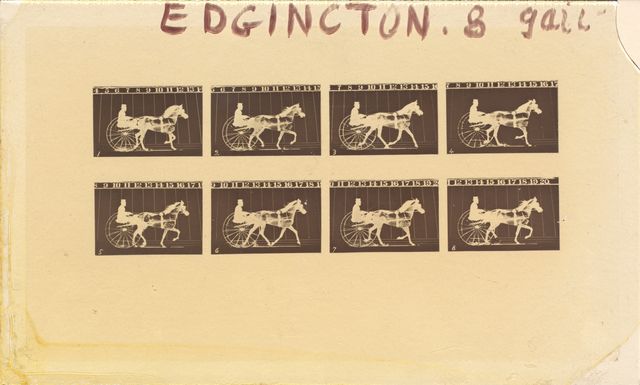
Eadweard Muybridge
English · 259 in the archive
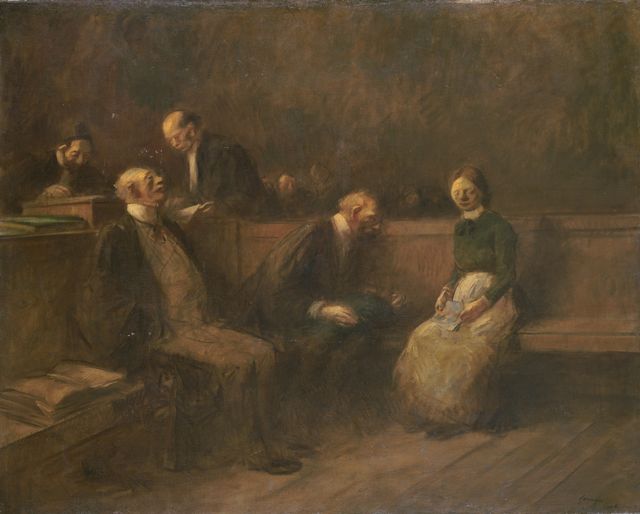
Jean-Louis Forain
French · 259 in the archive
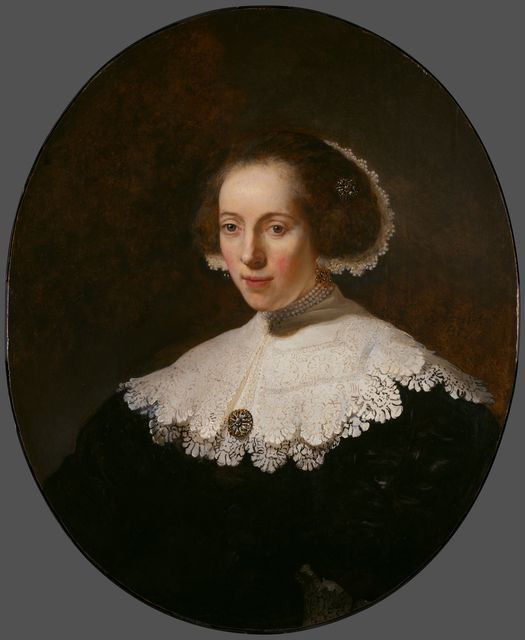
Rembrandt van Rijn
Dutch · 259 in the archive

Henri de Toulouse-Lautrec
French · 242 in the archive

George Catlin
United States · 223 in the archive
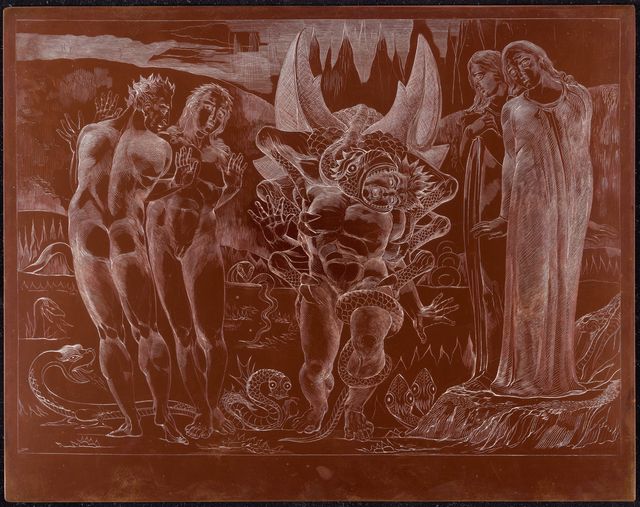
William Blake
United Kingdom of Great Britain and Ireland · 175 in the archive

Ernst Ludwig Kirchner
German · 147 in the archive
Majel G. Claflin
United States · 135 in the archive
Paul Gauguin
French · 126 in the archive
Mina Lowry
United States · 124 in the archive
Invite the masters into your living room.
Lippo Memmi on your TV, phone, or tablet. Free to start.
View on MomentableIndependent guide by Momentable · biography from Wikipedia · artworks are in the public domain and credited to the museum that holds them