Diana and Endymion
Luca Giordano

Luca Giordano
Italian · 1634–1705
Luca Giordano was an Italian late-Baroque painter and printmaker in etching. Giordano was one of the most celebrated artists of the Neapolitan Baroque, whose vast output included altarpieces, mythological paintings and many decorative fresco cycles in both palaces and churches. He moved away from the dark manner of early 17th-century Neapolitan art as practised by Caravaggio and his followers and Jusepe de Ribera, and, drawing on the ideas of many other artists, above all the 16th-century Venetians and Pietro da Cortona, he introduced a new sense of light and glowing colour, of movement and dramatic action. He was internationally successful and travelled widely, working in Naples, Rome, Florence, and Venice, before spending a decade in Spain.
Independent artist guide by Momentable. Biography from Wikipedia; artworks credited to the museums that hold them.
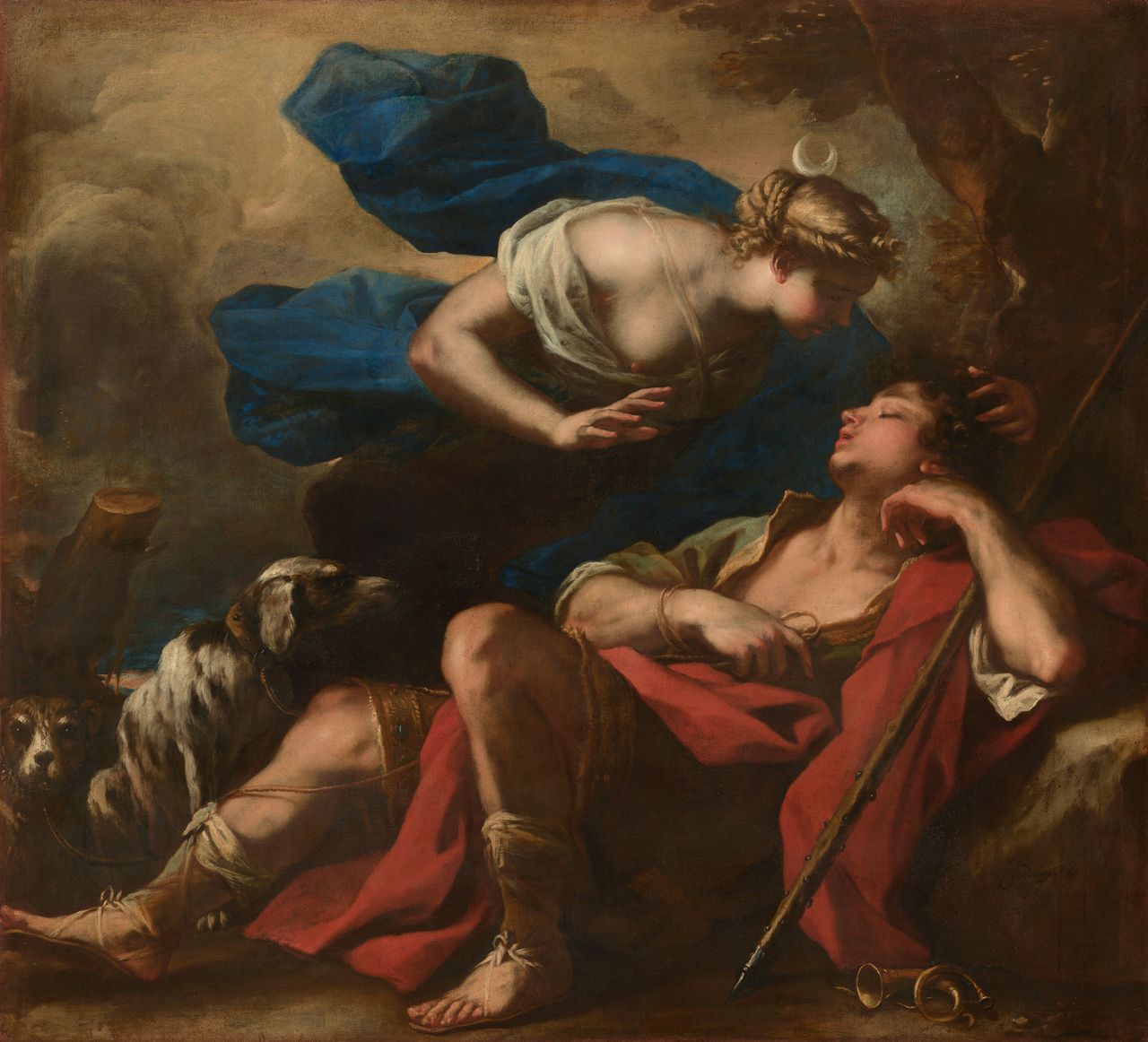 LIVENow streaming · Diana and Endymion
- life
- 1634–1705life
- movement
- Baroquemovement
The work
A selection of 1 works, free to stream.
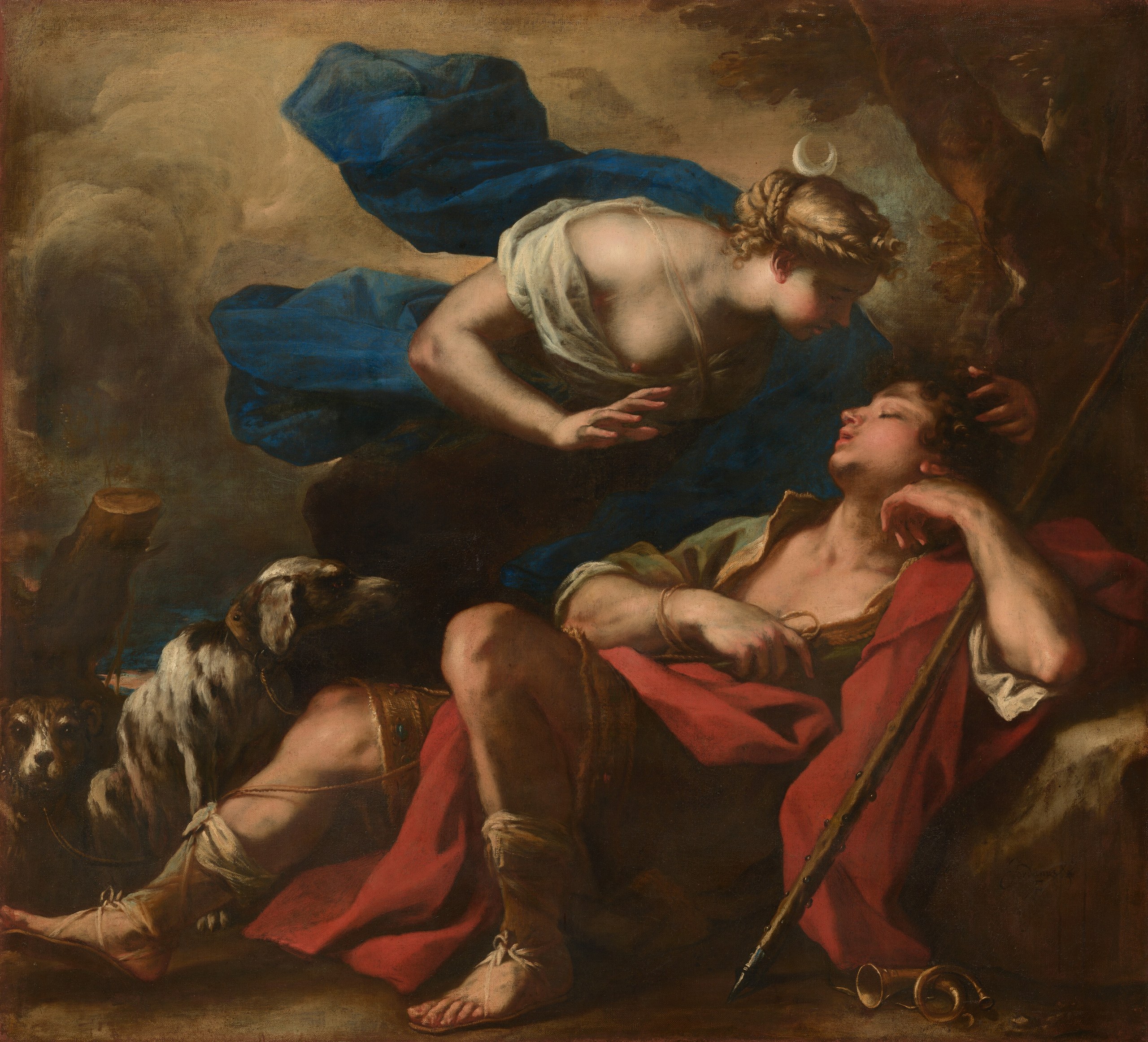
Diana and Endymion
Luca Giordano
National Gallery of Art
Works worth knowing
What Luca Giordano made, and why each one is worth looking at.
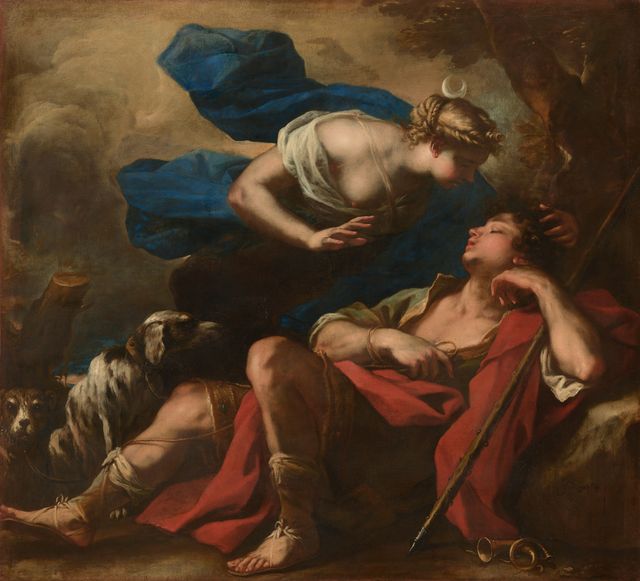
Diana and Endymion
Luca Giordano
National Gallery of Art
Francesco Solimena (4 October 1657, 3 April 1747) was a prolific Italian Baroque painter, one of an established family of painters and draughtsmen. In his early years, influenced above all by Luca Giordano and Mattia Preti, he developed a highly personal and dramatic handling of light and shade, yet his later art reveals a tendency towards a more restrained classicism. Solimena had many pupils, making him one of the strongest influence in Neapolitan painting of the early 18th century.
How Luca Giordano worked
From the record of their own practice.
The most striking aspect of Giordano's technique was his legendary speed of execution; in his many brilliantly coloured frescoes his touch is rapid and fluent. His speed and capacity to improvise reached a climax in his Spanish period; the Prior of the Escorial wrote to Charles II: To facilitate his gift for improvisation, Giordano is said to have brought half-nude models with him on to the scaffold. Giordano prepared his works in drawings and oil sketches and was a prolific draughtsman. His early compositional studies, such as the three drawings of St. Sebastian Succoured by the Holy Women (Florence, Uffizi; Vienna, Albertina), are influenced by Ribera's drawings, yet Ribera's compact forms are replaced by Giordano's more tremulous line.
Where the work hangs
The museums that hold it, and their visitor guides.
If you like Luca Giordano
Artists held by the same museums.
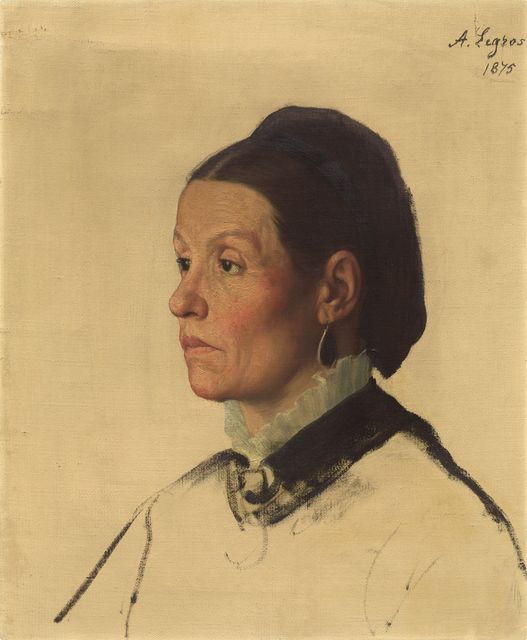
Alphonse Legros
French · 561 in the archive
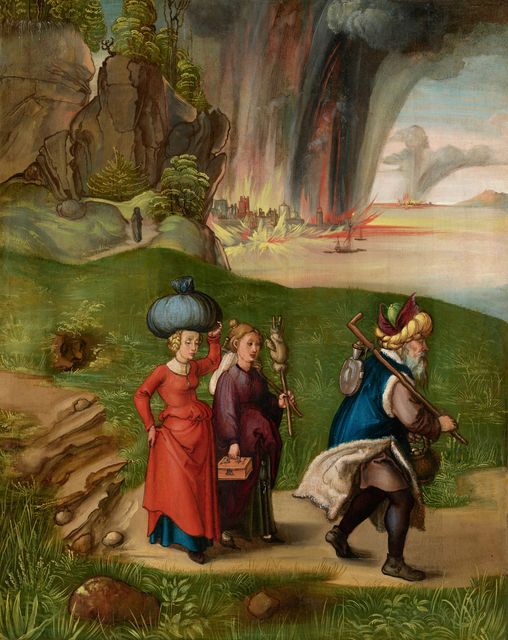
Albrecht Dürer
German · 287 in the archive
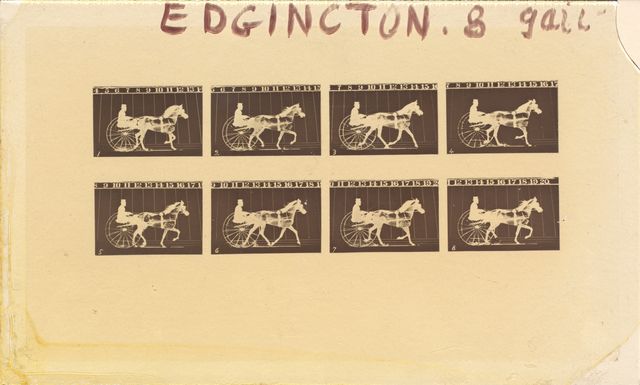
Eadweard Muybridge
English · 259 in the archive
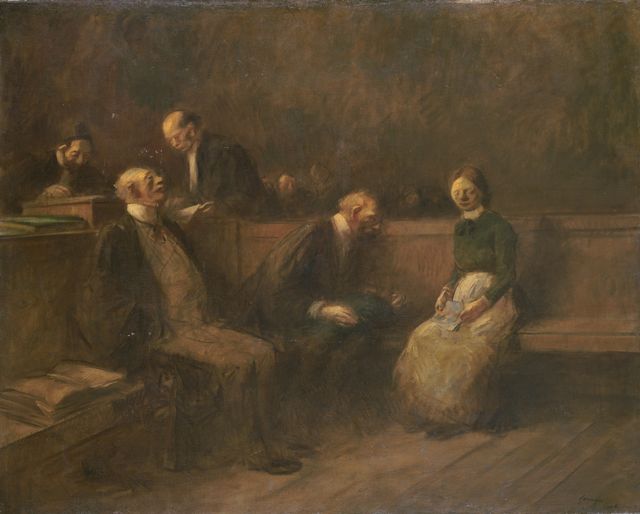
Jean-Louis Forain
French · 259 in the archive
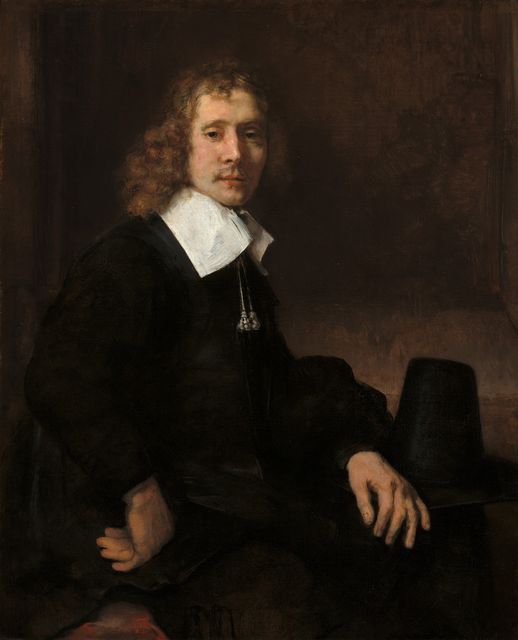
Rembrandt van Rijn
Dutch · 252 in the archive
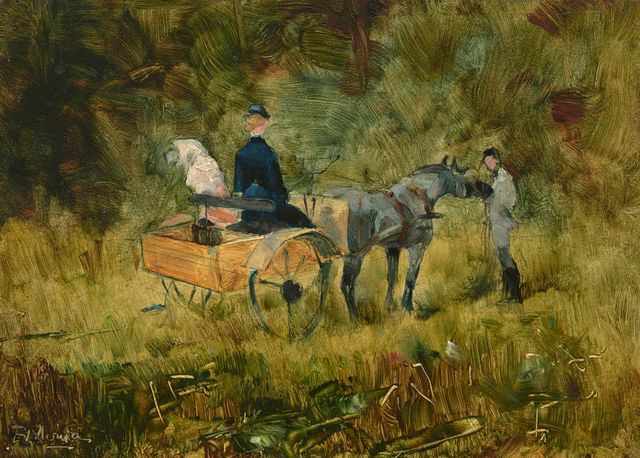
Henri de Toulouse-Lautrec
French · 242 in the archive
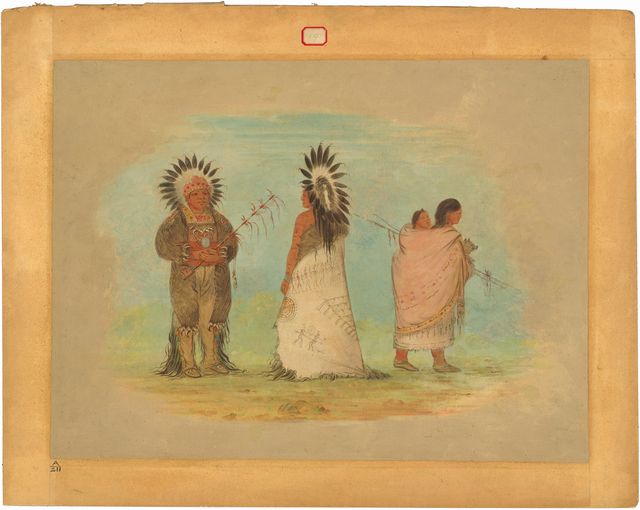
George Catlin
United States · 223 in the archive
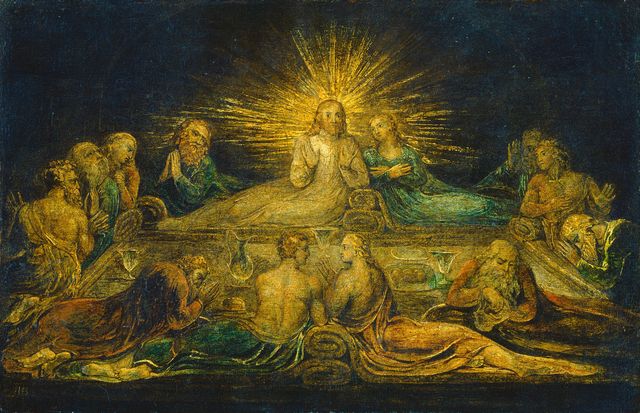
William Blake
United Kingdom of Great Britain and Ireland · 173 in the archive
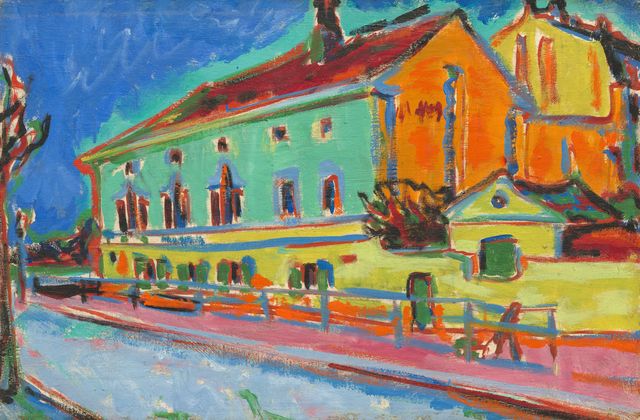
Ernst Ludwig Kirchner
German · 147 in the archive
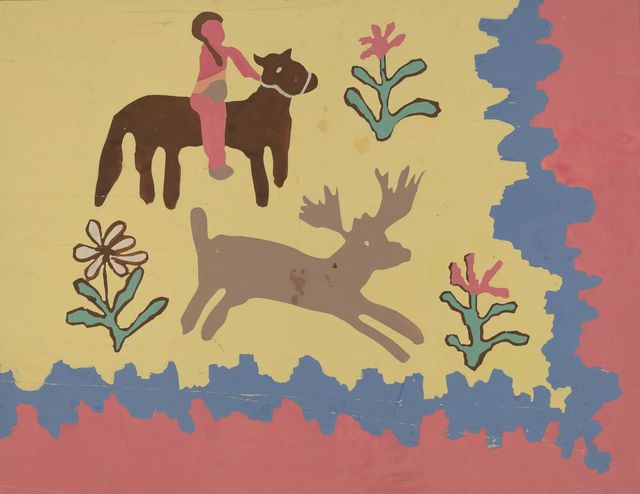
Majel G. Claflin
United States · 135 in the archive
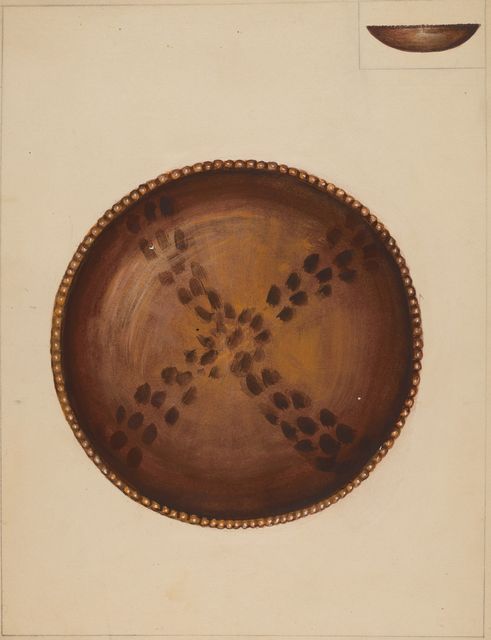
Mina Lowry
United States · 124 in the archive
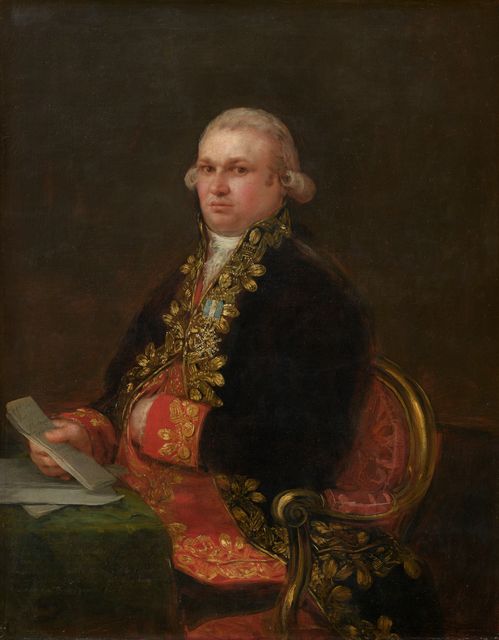
Francisco Goya
Spanish · 113 in the archive
Invite the masters into your living room.
Luca Giordano on your TV, phone, or tablet. Free to start.
View on MomentableIndependent guide by Momentable · biography from Wikipedia · artworks are in the public domain and credited to the museum that holds them