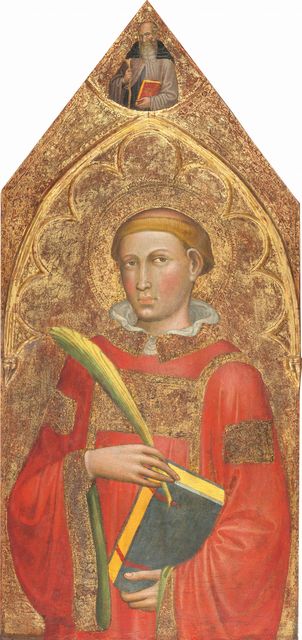
Deacon Saint, with Saint Anthony Abbot [right panel]
Martino di Bartolomeo

Martino di Bartolomeo
Italian · 1389–1434
Martino di Bartolomeo or Martino di Bartolomeo di Biagio was an Italian painter and manuscript illuminator active between 1389 and 1434. He was one of his generation's principal painters of the Sienese School. From specific aspects of his early style, he is believed to have trained in the studio of Taddeo di Bartolo. As a young man Martino collaborated with Giovanni di Pietro da Napoli in Pisa. The fresco cycle in the church of San Giovanni Battista di Cascina, outside Pisa, bears Martino’s signature, and the date 1398. He returned permanently to Siena in 1405; there he painted several prominent fresco cycles in the Duomo and the Palazzo Pubblico. Further official commissions for altarpieces and for polychromy of sculptures attest to his versatility and to his prestige as one of the city’s official artists.
Independent artist guide by Momentable. Biography from Wikipedia; artworks credited to the museums that hold them.
![Deacon Saint, with Saint Anthony Abbot [right panel]](https://art.momentable.art/momentable/nga/37635_w1280.jpg) LIVENow streaming · Deacon Saint, with Saint Anthony Abbot [right panel]
LIVENow streaming · Deacon Saint, with Saint Anthony Abbot [right panel]- life
- 1389–1434life
- movement
- Sienese schoolmovement
The work
A selection of 2 works, free to stream.
![Deacon Saint, with Saint Anthony Abbot [right panel]](https://art.momentable.art/momentable/nga/37635_w2560.jpg)
Deacon Saint, with Saint Anthony Abbot [right panel]
Martino di Bartolomeo
National Gallery of Art
![Saint Peter, with Saint James Major [left panel]](https://art.momentable.art/momentable/nga/37633_w2560.jpg)
Saint Peter, with Saint James Major [left panel]
Martino di Bartolomeo
National Gallery of Art
Works worth knowing
What Martino di Bartolomeo made, and why each one is worth looking at.
Deacon Saint, with Saint Anthony Abbot [right panel]
Martino di Bartolomeo
National Gallery of Art
Orvieto is a city and comune in the Province of Terni, southwestern Umbria, Italy, situated on the flat summit of a large butte of volcanic tuff. The city rises dramatically above the almost-vertical faces of tuff cliffs that are completed by defensive walls built of the same stone. The name Orvieto derives from the Latin Urbs vetus ("old city"), a designation that appears for the first time in Procopius in the form Οὐρβιβεντός.
Saint Peter, with Saint James Major [left panel]
Martino di Bartolomeo
National Gallery of Art
The Basilica of San Domenico is one of the major churches in Bologna, Italy. The remains of Saint Dominic, founder of the Order of Preachers (Dominicans), are buried inside the exquisite shrine Arca di San Domenico, made by Nicola Pisano and his workshop, Arnolfo di Cambio and with later additions by Niccolò dell'Arca and the young Michelangelo. Dominic Guzman, on arriving in Bologna in January 1218, was impressed by the vitality of the city and quickly recognized the importance of this university town to his evangelizing mission.
Where the work hangs
The museums that hold it, and their visitor guides.
If you like Martino di Bartolomeo
Artists held by the same museums.
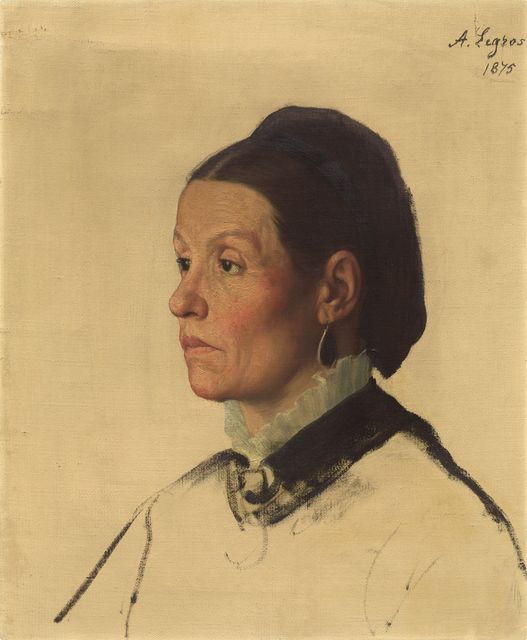
Alphonse Legros
French · 561 in the archive
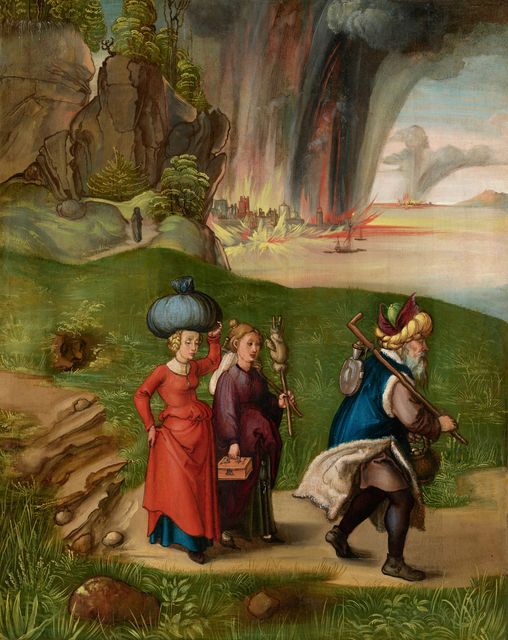
Albrecht Dürer
German · 287 in the archive
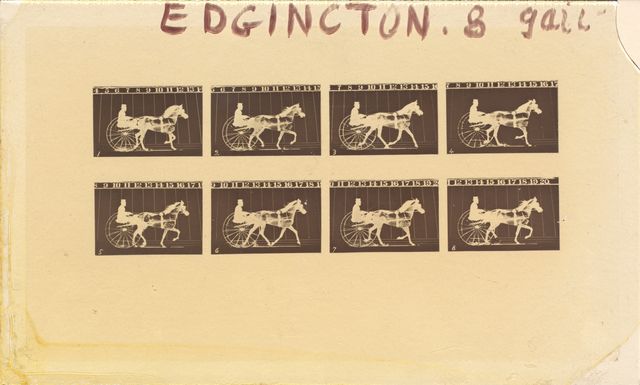
Eadweard Muybridge
English · 259 in the archive
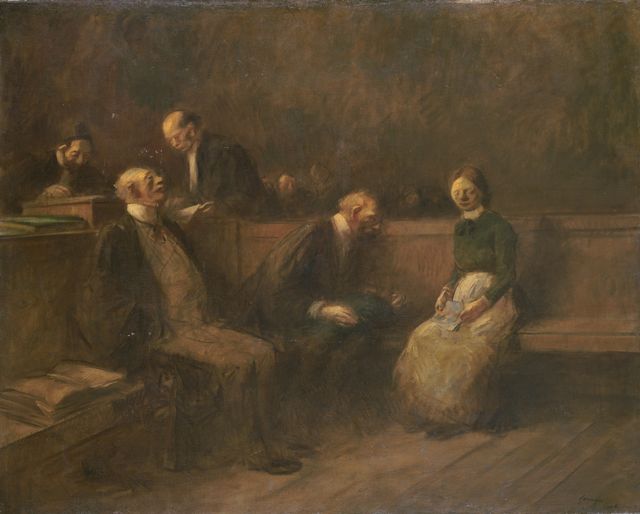
Jean-Louis Forain
French · 259 in the archive
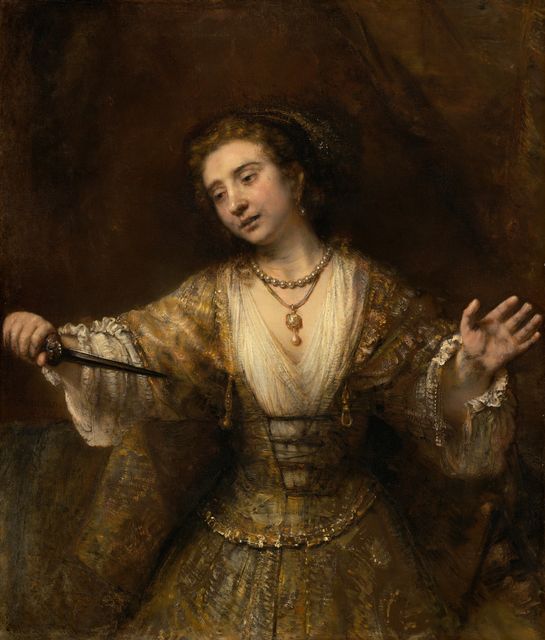
Rembrandt van Rijn
Dutch · 252 in the archive
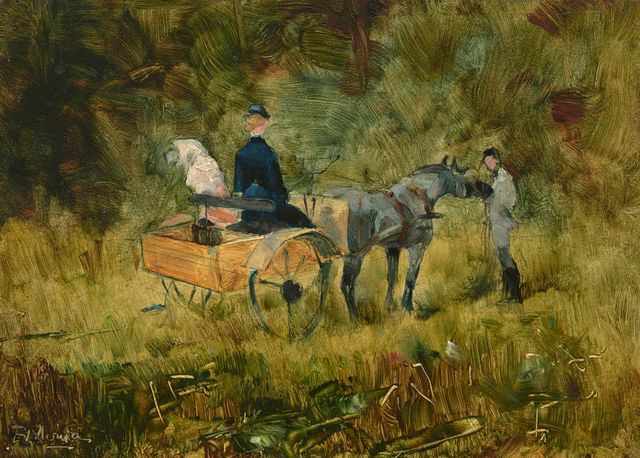
Henri de Toulouse-Lautrec
French · 242 in the archive
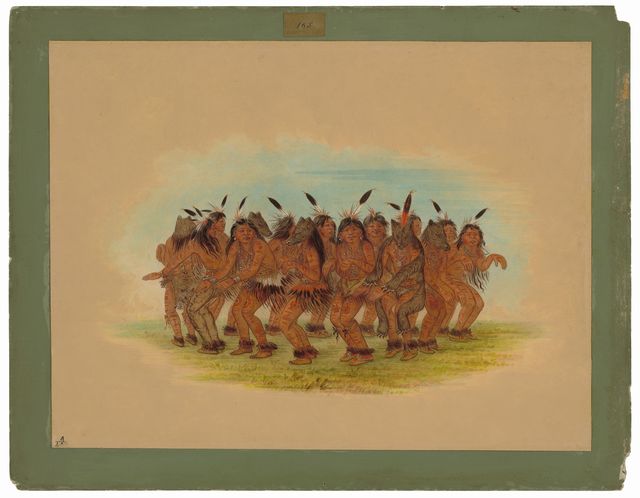
George Catlin
United States · 223 in the archive
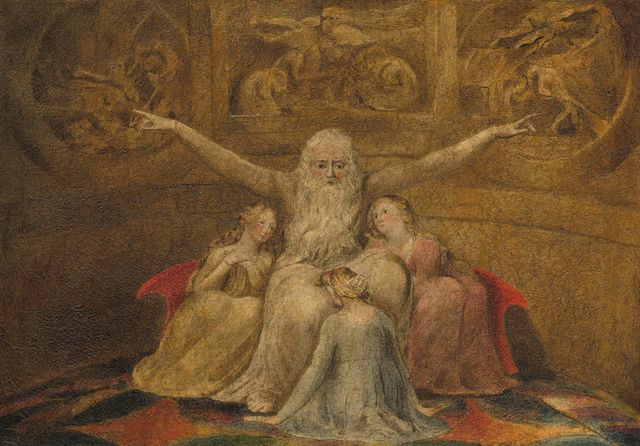
William Blake
United Kingdom of Great Britain and Ireland · 173 in the archive
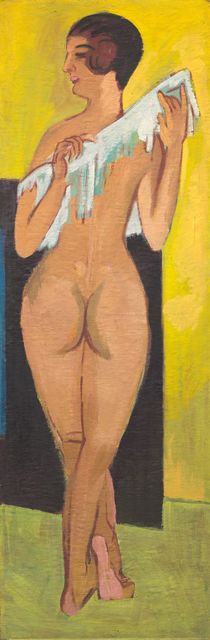
Ernst Ludwig Kirchner
German · 147 in the archive
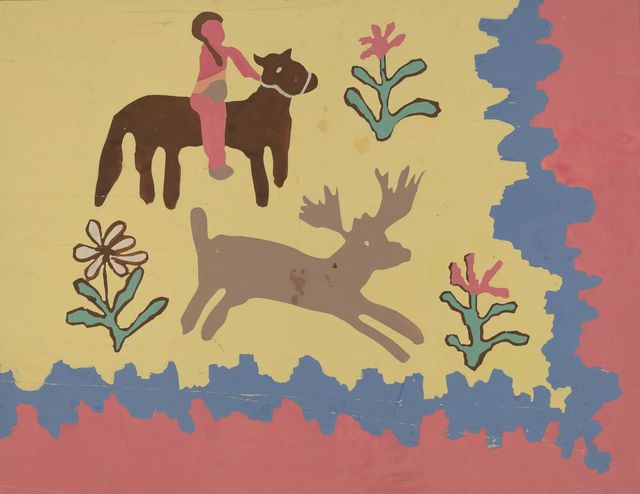
Majel G. Claflin
United States · 135 in the archive
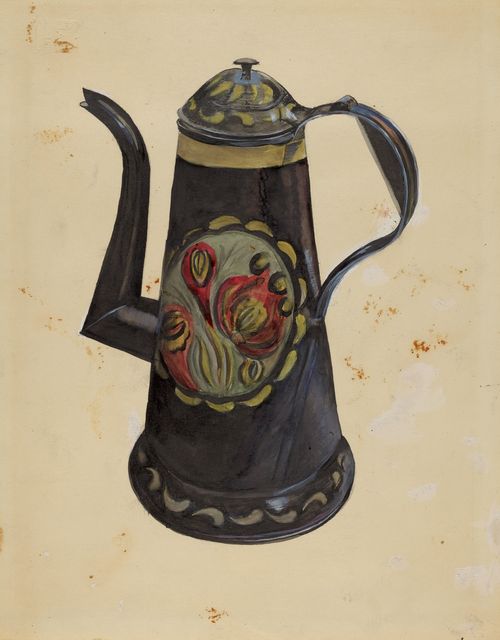
Mina Lowry
United States · 124 in the archive
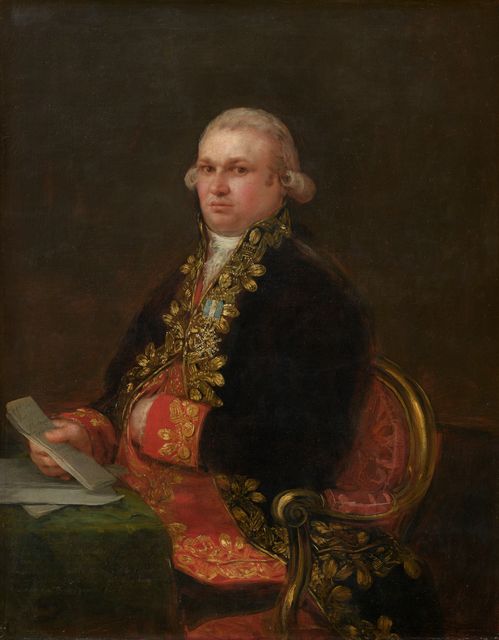
Francisco Goya
Spanish · 113 in the archive
Invite the masters into your living room.
Martino di Bartolomeo on your TV, phone, or tablet. Free to start.
View on MomentableIndependent guide by Momentable · biography from Wikipedia · artworks are in the public domain and credited to the museum that holds them