Mesha Stele
Mesha

Mesha
850 BC
King Mesha (Moabite: 𐤌𐤔𐤏, vocalized as: Mōšáʿ; Hebrew: מֵישַׁע Mēšaʿ) was a king of Moab in the 9th century BC, known most famously for having the Mesha Stele inscribed and erected at Dibon, Jordan. In this inscription he calls himself "Mesha, son of Kemosh-, the king of Moab, the Dibonite." == The two main records: Mesha Stele and the Bible == The two main sources for the existence and history of King Mesha are the Mesha Stele and the Hebrew Bible. Per the Mesha Stele, Mesha's father was also a king of Moab. His name is not totally preserved in the inscription, only the theophoric first element Chemosh(-...) surviving; throughout the years scholars have proposed numerous reconstructions, including Chemosh-gad, Chemosh-melek, and Chemosh-yat(ti), the latter of which has found some acceptance, as a Moabite king named Chemosh-yat is known from the Kerak Inscription. In the Books of Samuel account, Moab is said to have been conquered by David (traditional floruit c. 1000 to 970 BC) and retained in the territories of his son Solomon (d. c. 931 BC).
Independent artist guide by Momentable. Biography from Wikipedia; artworks credited to the museums that hold them.
 LIVENow streaming · Mesha Stele
- life
- 850 BClife
- rights
- Public domainrights
The work
A selection of 1 works, free to stream.
Mesha Stele
Mesha
Louvre
Works worth knowing
What Mesha made, and why each one is worth looking at.
Mesha Stele
Mesha
Louvre
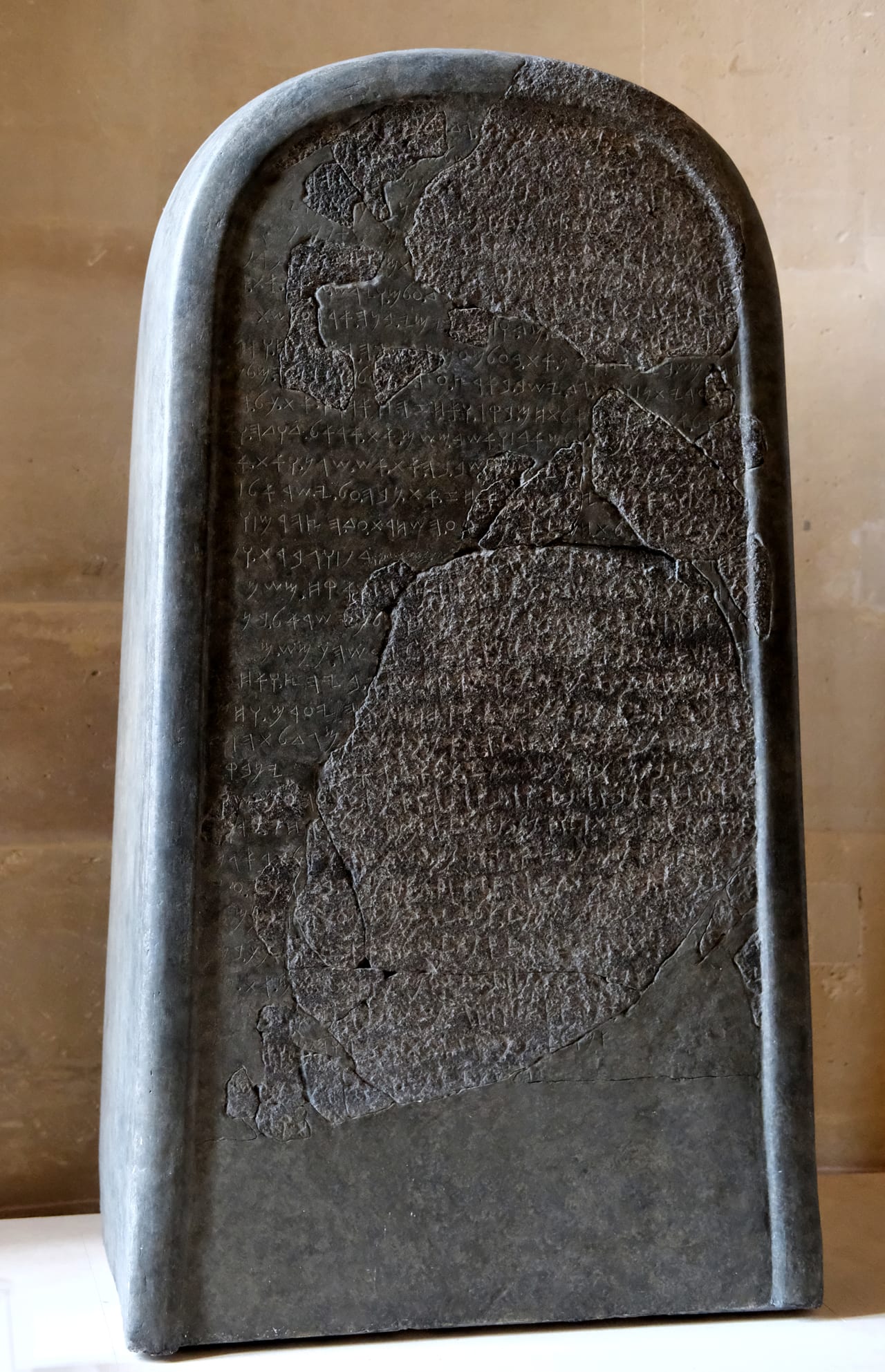
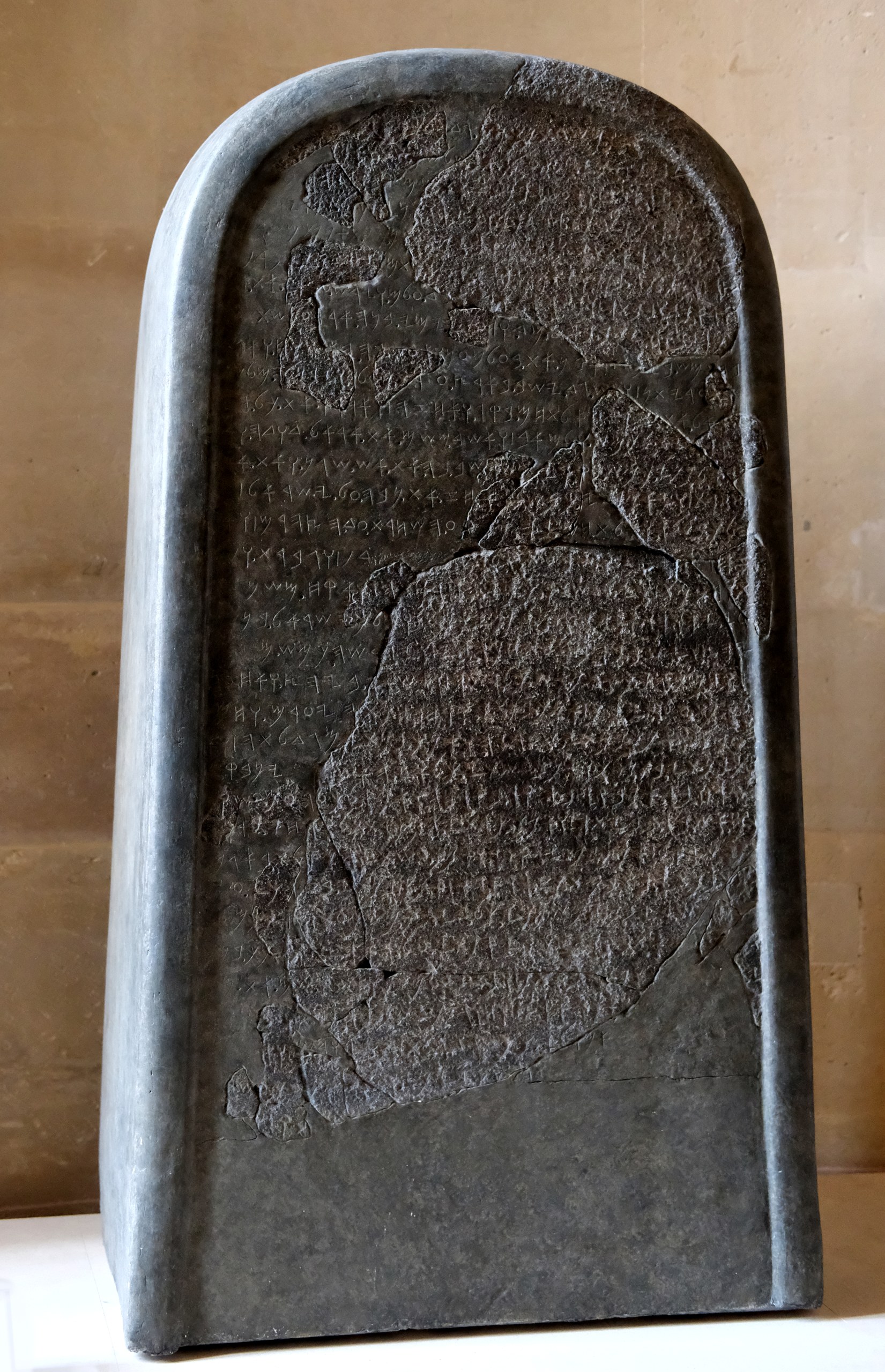
The Mesha Stele, also known as the Moabite Stone, is a stele dated around 840 BCE containing a significant Canaanite inscription in the name of King Mesha of Moab (a kingdom located in modern Jordan). Mesha tells how Chemosh, the god of Moab, had been angry with his people and had allowed them to be subjugated to the Kingdom of Israel, but at length, Chemosh returned and assisted Mesha to throw off the yoke of Israel and restore the lands of Moab. Mesha also describes his many building projects.
Where the work hangs
The museums that hold it, and their visitor guides.
If you like Mesha
Artists held by the same museums.
Jean-Auguste-Dominique Ingres
French · 9 in the archive
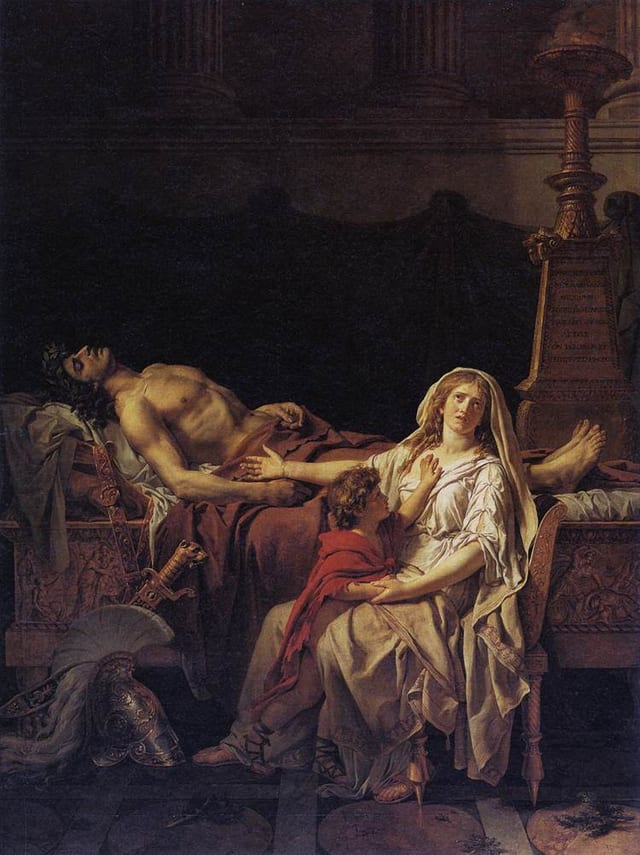
Jacques-Louis David
France · 8 in the archive
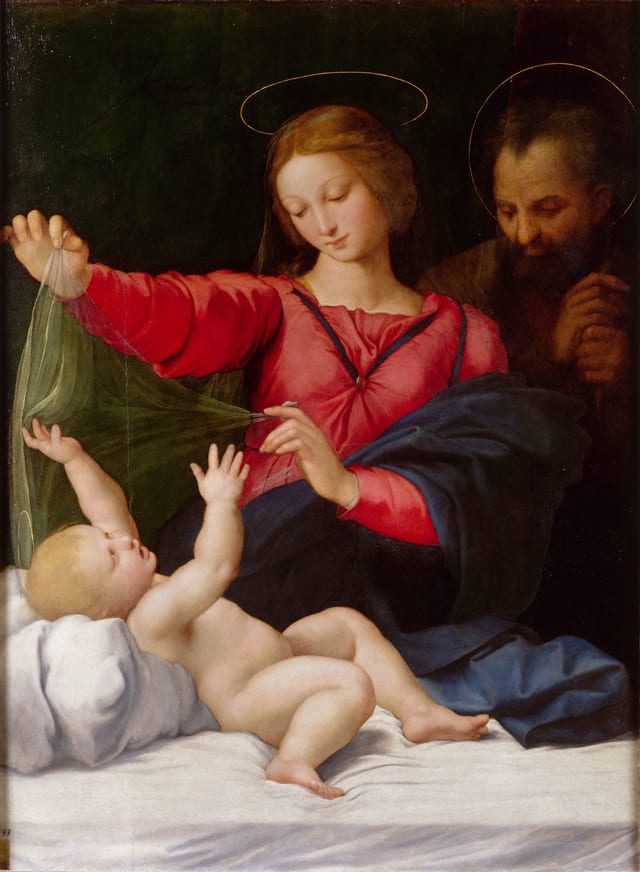
Raphael
Holy Roman Empire · 7 in the archive
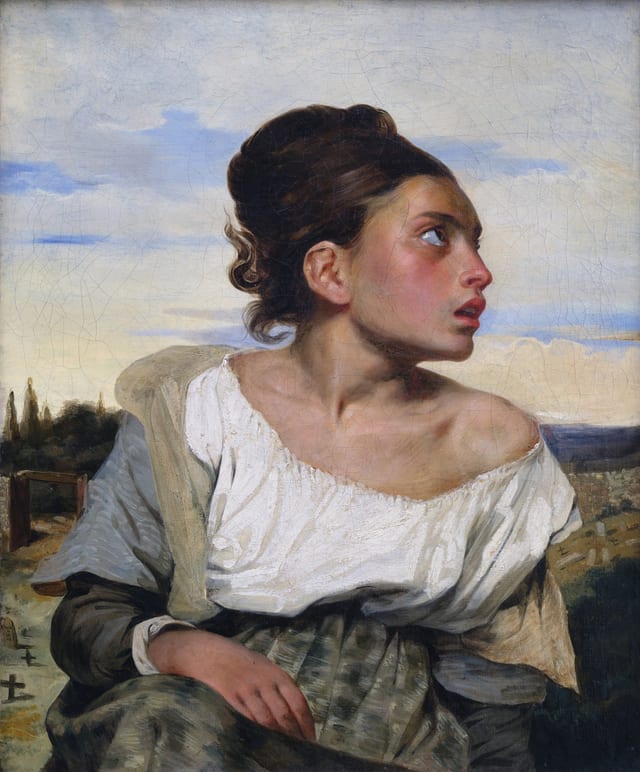
Eugène Delacroix
French · 6 in the archive
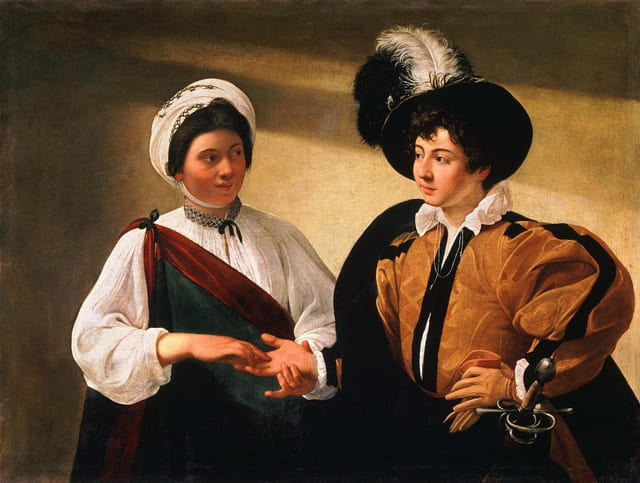
Caravaggio
Italian · 5 in the archive
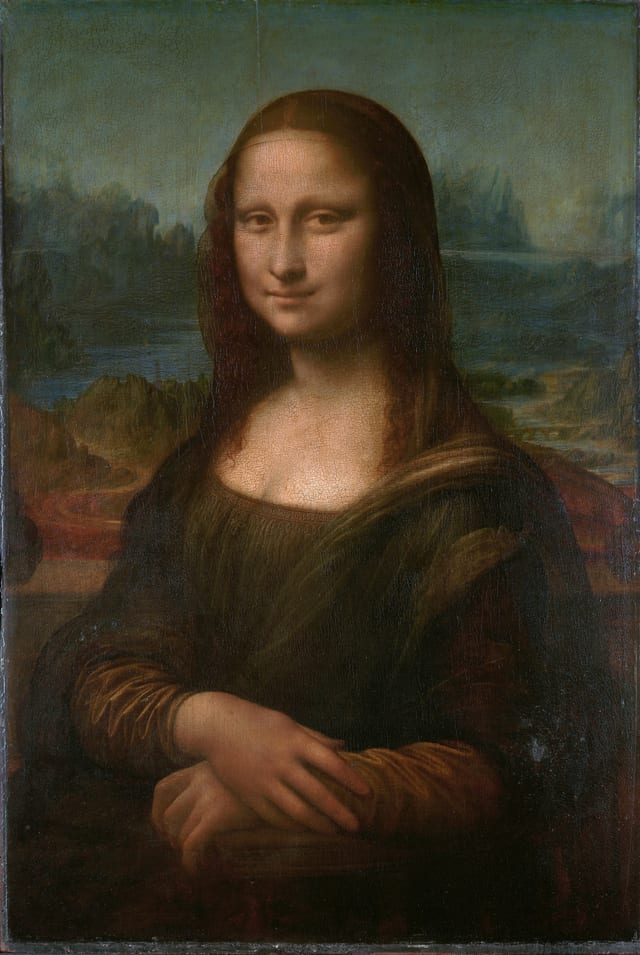
Leonardo da Vinci
Italian · 4 in the archive
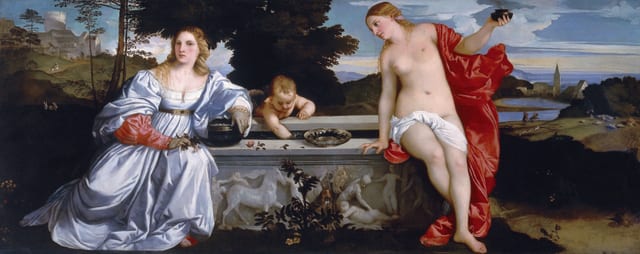
Titian
Italian · 4 in the archive
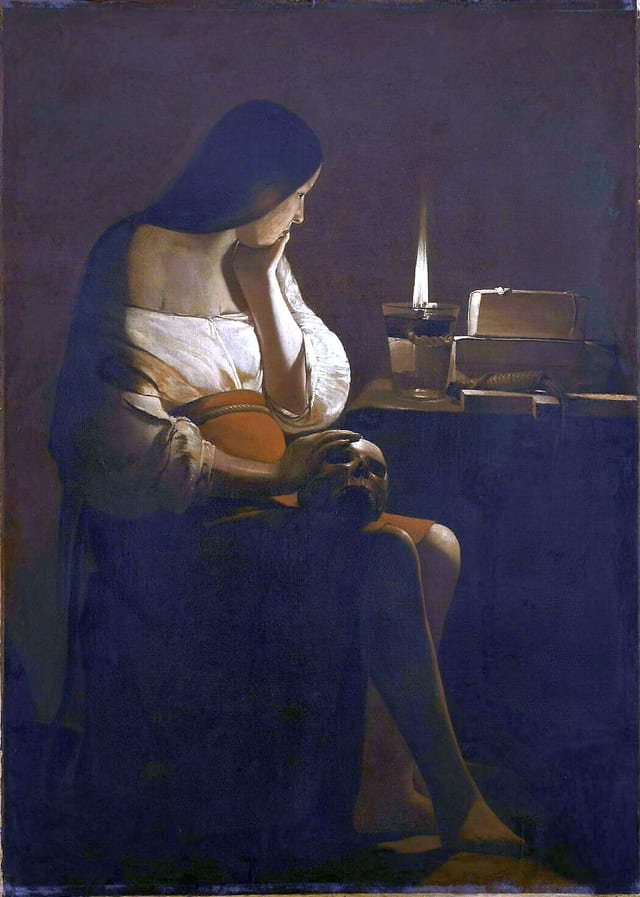
Georges de La Tour
French · 3 in the archive
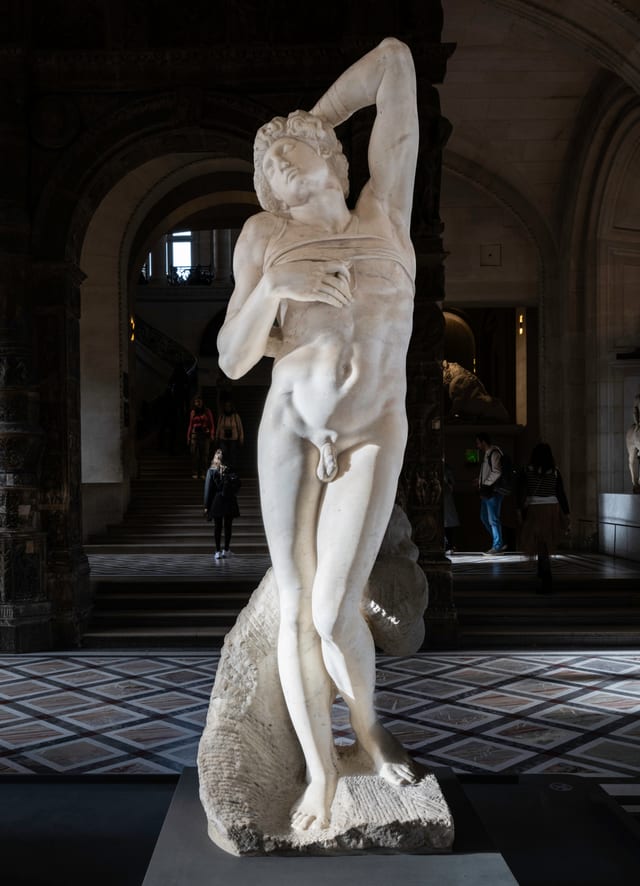
Michelangelo
Republic of Florence · 3 in the archive
Johannes Vermeer
Dutch Republic · 2 in the archive
Rembrandt van Rijn
Dutch · 2 in the archive
Albrecht Dürer
German · 1 in the archive
Invite the masters into your living room.
Mesha on your TV, phone, or tablet. Free to start.
View on MomentableIndependent guide by Momentable · biography from Wikipedia · artworks are in the public domain and credited to the museum that holds them