Hamlet’s Vision
Pedro Américo · 1893

Pedro Américo
Brazil · 1843–1905
Pedro Américo de Figueiredo e Melo was a Brazilian novelist, poet, scientist, art theorist, essayist, philosopher, politician and professor, best remembered as one of the most important academic painters in Brazil. He showed an inclination towards the arts from a young age, being considered a child prodigy. Before the age of ten, he participated as a draftsman on an expedition of naturalists through the Brazilian northeast, and received government support to study at the Imperial Academy of Fine Arts. He furthered his artistic studies in Paris, but he also dedicated himself to science and philosophy. Soon after his return to Brazil, he began to teach at the academy and began a successful career, gaining prominence with great paintings of a civic and heroic character, inserting himself in the civilizing and modernizing program of the country fostered by emperor Pedro II, of which the Imperial Academy was the regulatory and executive arm in the artistic sphere.
Independent artist guide by Momentable. Biography from Wikipedia; artworks credited to the museums that hold them.
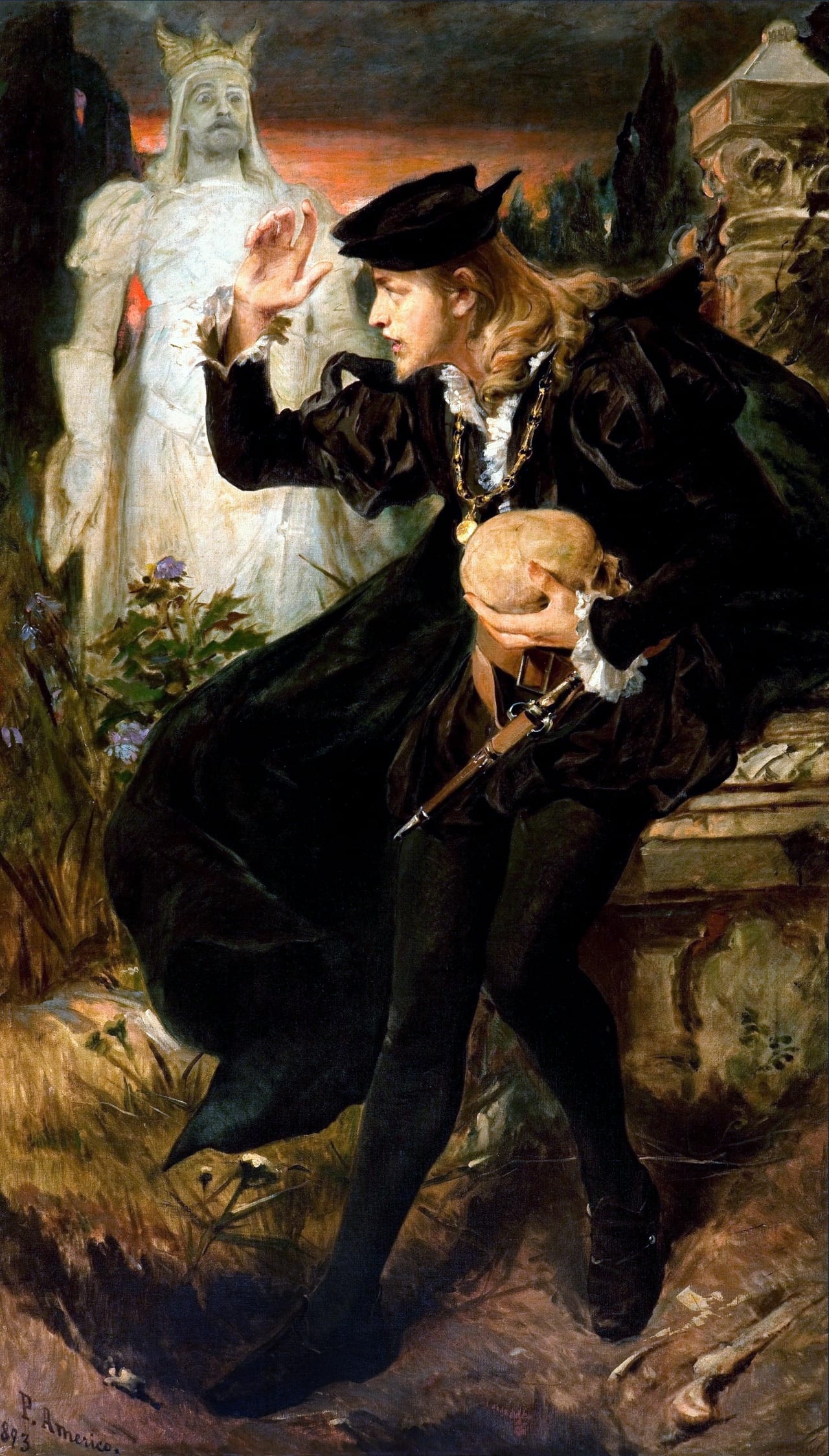 LIVENow streaming · Hamlet’s Vision
- life
- 1843–1905life
- rights
- Public domainrights
The work
A selection of 1 works, free to stream.
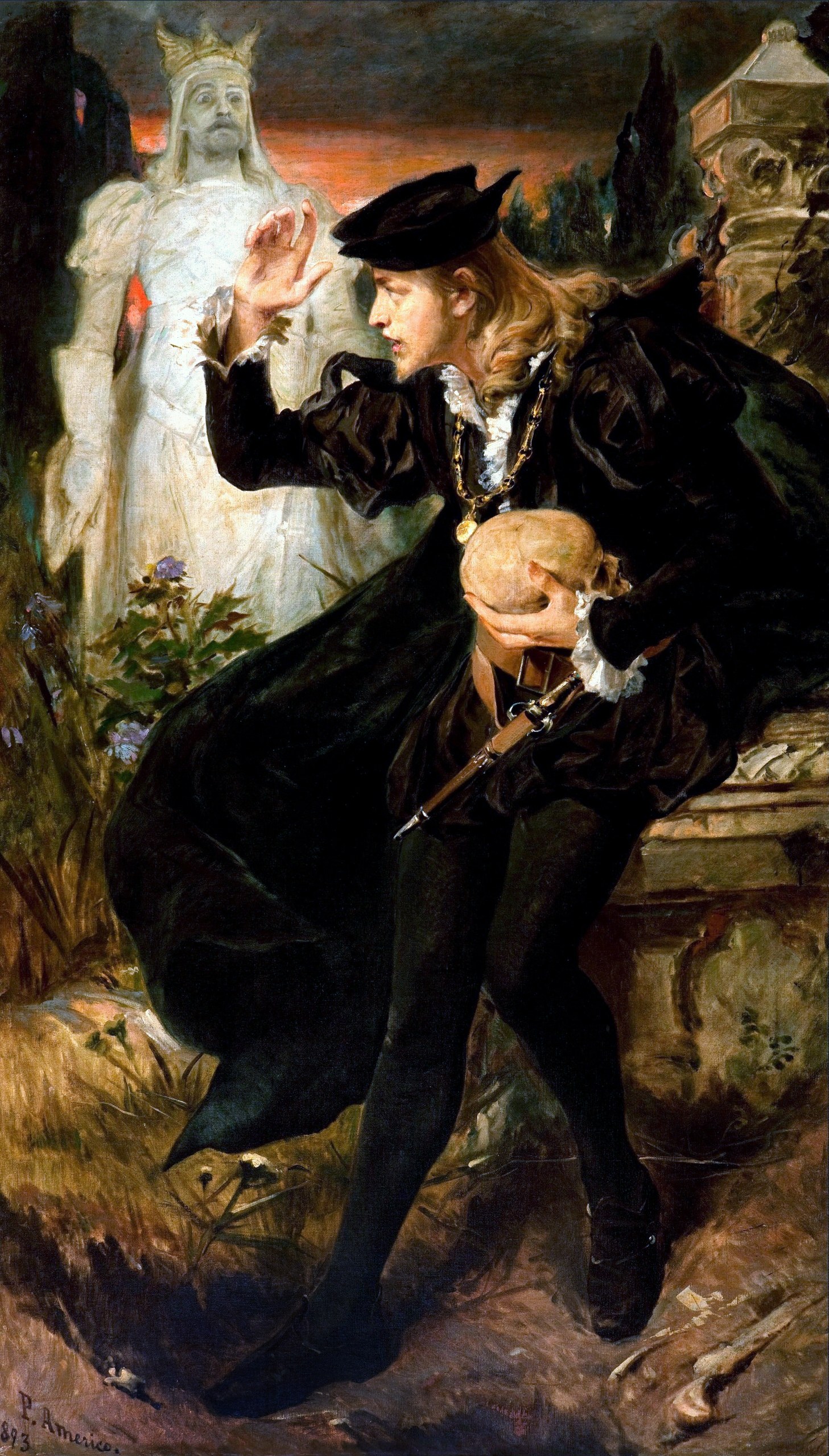
Hamlet’s Vision
Pedro Américo · 1893
Pinacoteca do Estado de São Paulo
How Pedro Américo worked
From the record of their own practice.
Américo possessed a sophisticated technique, paid great attention to detail and was quick to work. He was always an academic, but a versatile and eclectic one in the most influential and most contradictory phase of international academicism, which defined itself as a complex mixture of classical, romantic and realist references. But Brazilian Romanticism in painting, where Pedro Américo is included, was that of the third romantic generation, when the movement had already lost its original, passionate and revolutionary character, transforming itself into a softer and more conformist, more aesthetic and sentimental current, which quickly became bourgeois and in many ways genuinely "popular". Among the artists who were possibly an influence on Américo's most important works are Horace Vernet, Antoine-Jean Gros, Eugène Delacroix, Théodore Géricault and François Gérard, as well as the Italian painters of the Risorgimento, such as Luigi Bechi.
Where the work hangs
The museums that hold it, and their visitor guides.
If you like Pedro Américo
Artists held by the same museums.
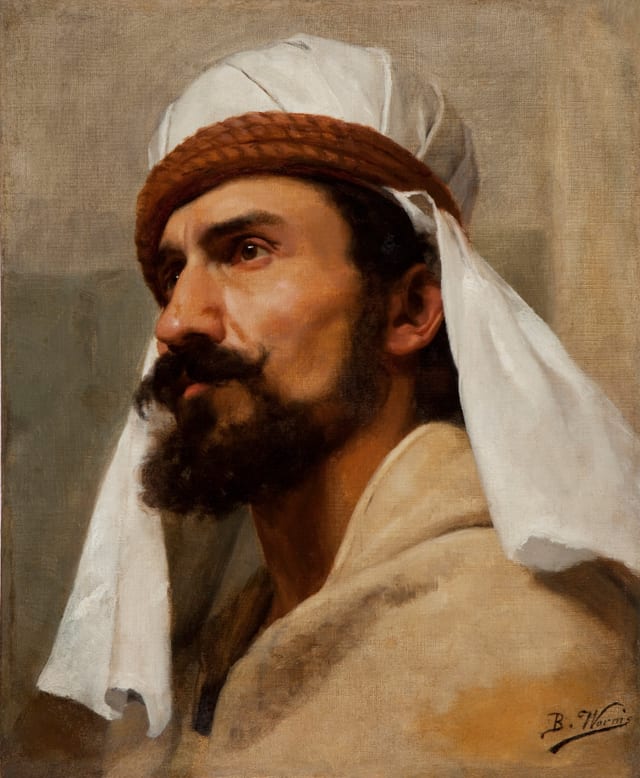
Bertha Worms
Brazil · 3 in the archive
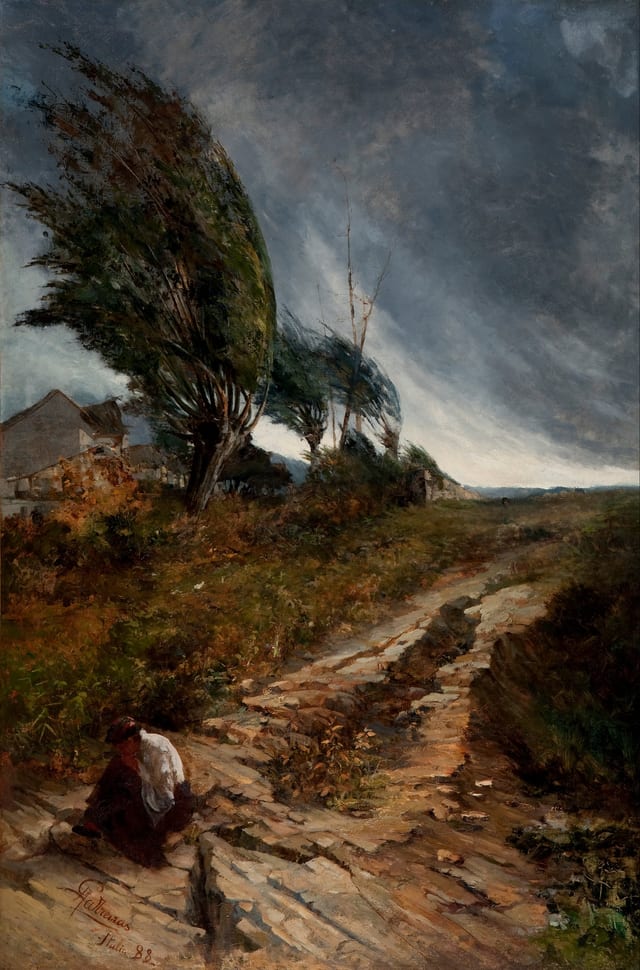
Antônio Parreiras
Brazil · 2 in the archive
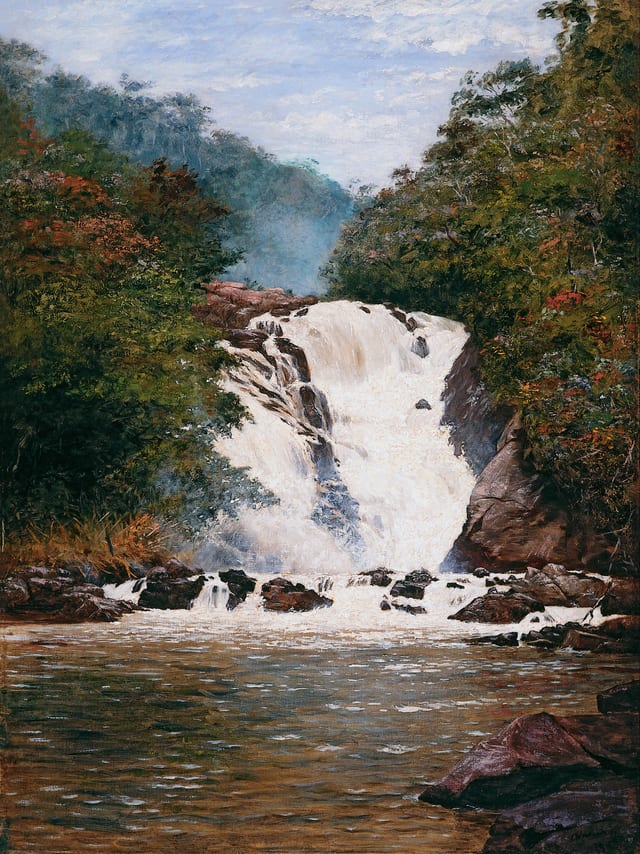
José Ferraz de Almeida Júnior
Brazil · 2 in the archive
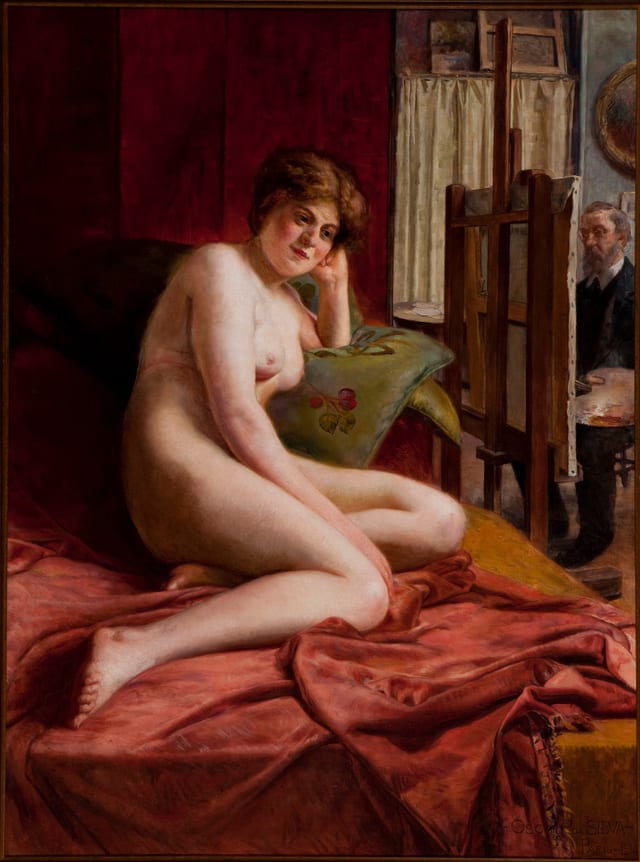
Oscar Pereira da Silva
Brazil · 2 in the archive
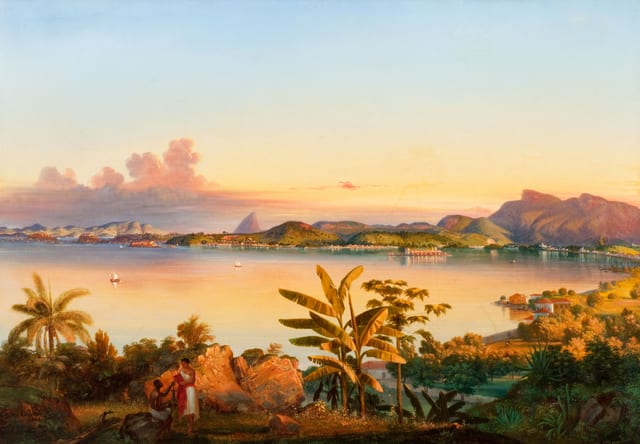
Alejandro Cicarelli
Chile · 1 in the archive
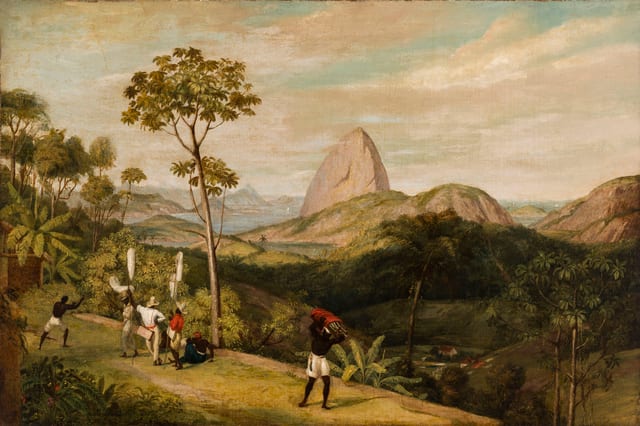
Charles Landseer
United Kingdom · 1 in the archive
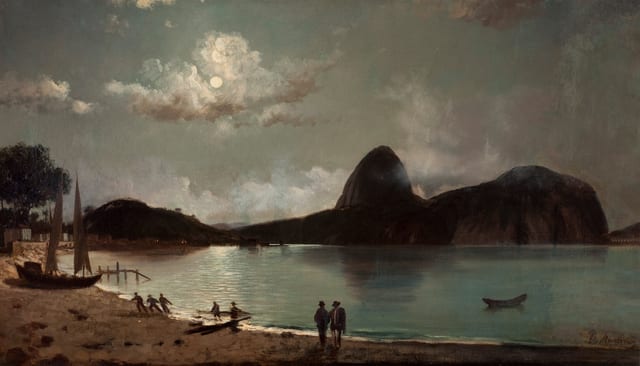
Eduardo de Martino
Kingdom of the Two Sicilies · 1 in the archive
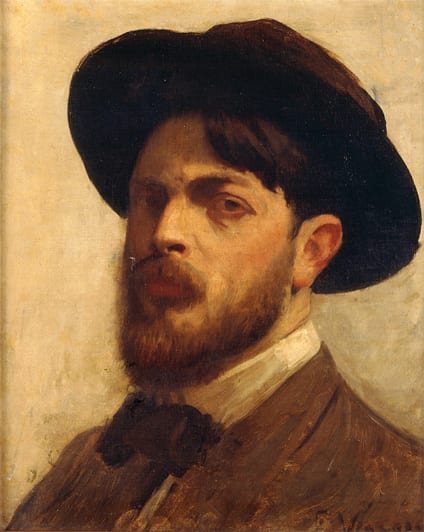
Eliseu Visconti
Kingdom of Italy · 1 in the archive
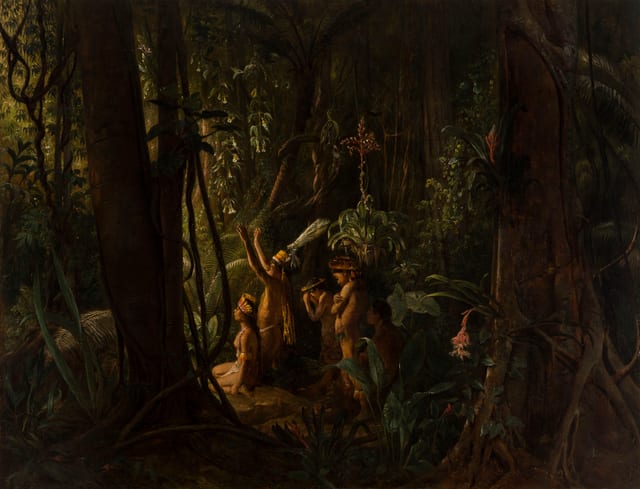
François-Auguste Biard
France · 1 in the archive
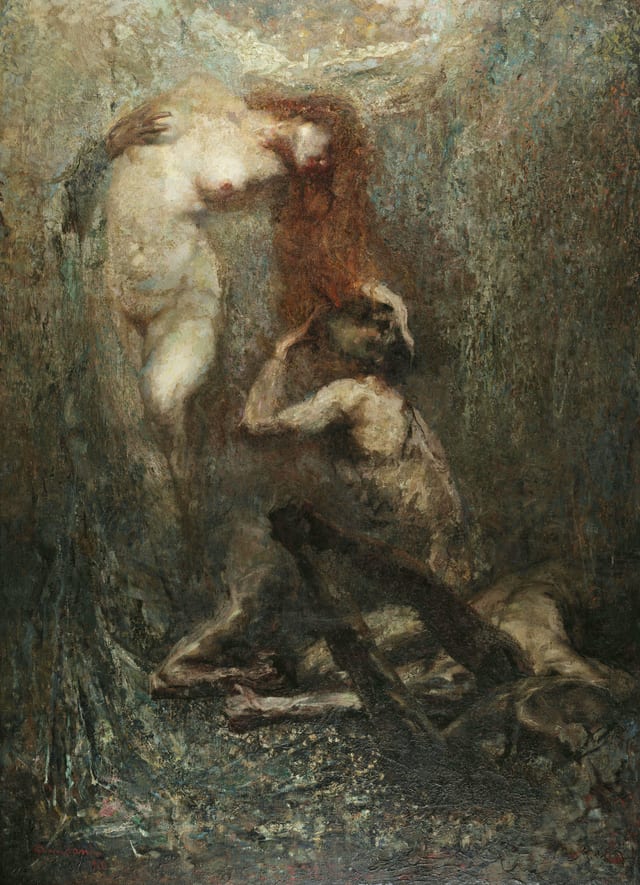
Giuseppe Amisani
Kingdom of Italy · 1 in the archive
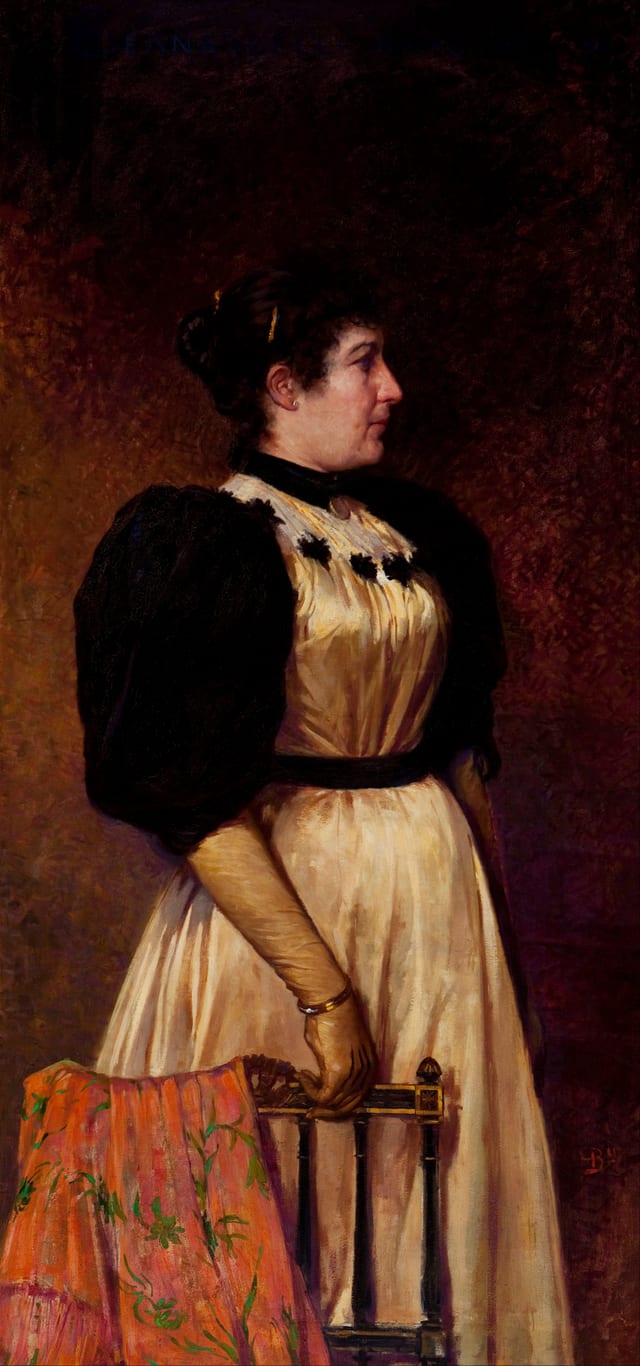
Henrique Bernardelli
Brazil · 1 in the archive
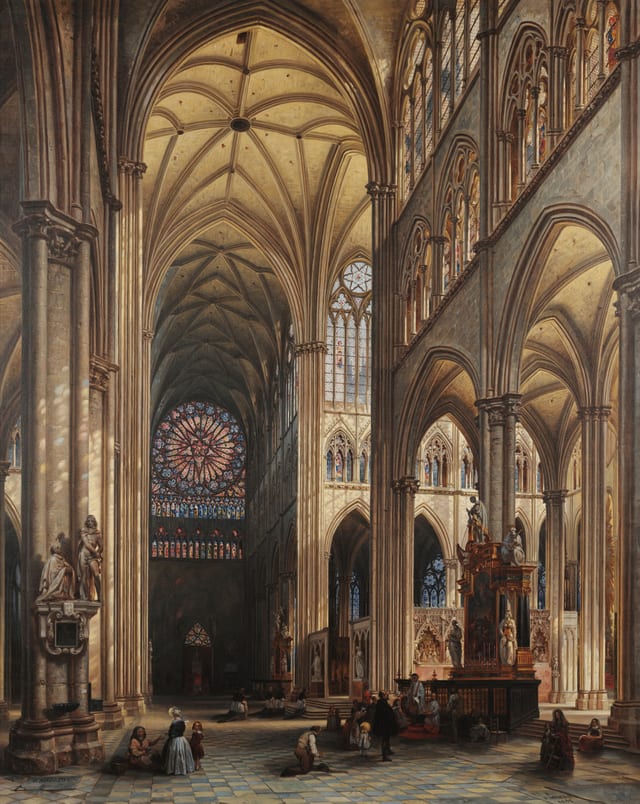
Jules Victor Génisson
Belgium · 1 in the archive
Invite the masters into your living room.
Pedro Américo on your TV, phone, or tablet. Free to start.
View on MomentableIndependent guide by Momentable · biography from Wikipedia · artworks are in the public domain and credited to the museum that holds them