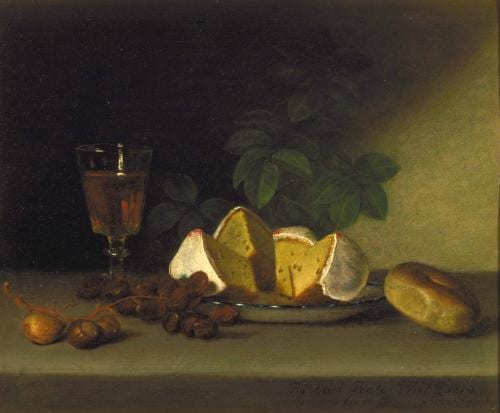
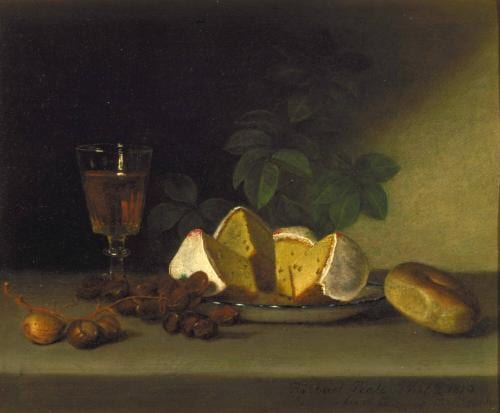
Still Life with Wine, Cake, and Nuts
Raphaelle Peale · 1819

Raphaelle Peale
United States · 1774–1825
Raphaelle Peale is considered the first professional American painter of still-life. == Biography == Peale was born in Annapolis, Maryland, the fifth child, though eldest surviving, of the painter Charles Willson Peale and his first wife Rachel Brewer. He grew up in Philadelphia, and spent his life there in a home at the corner of 3rd and Lombard. Like his siblings (almost all of whom were named after famous artists or scientists), Raphaelle was trained by his father as an artist. Early in his career, the pair collaborated on portraits.
Independent artist guide by Momentable. Biography from Wikipedia; artworks credited to the museums that hold them.
 LIVENow streaming · Still Life with Wine, Cake, and Nuts
- life
- 1774–1825life
- rights
- Public domainrights
The work
A selection of 1 works, free to stream.
Still Life with Wine, Cake, and Nuts
Raphaelle Peale · 1819
Huntington Library, Art Museum and Botanical Gardens
How Raphaelle Peale worked
From the record of their own practice.
Alfred Frankenstein has called Raphaelle Peale "the first really distinguished still-life specialist to emerge in this country, and he is one of the four major still-life painters of the nineteenth century in the United States." His style may have been influenced by Spanish still life paintings he saw on his trip to Mexico and by the two works by Juan Sanchez Cotan, exhibited at the Pennsylvania Academy in 1816. Most of Peale's paintings are small in scale, and depict a few objects, usually foodstuffs, arranged on a tabletop before a darkened background. A notable exception to this is his trompe-l'œil, Venus Rising from the Sea, A Deception (also entitled After the Bath, 1822, in the collection of the Nelson-Atkins Museum of Art). This painting serves as a distinct thematic departure from his other work. While the dark backdrop is consistent with his still life works, there were themes of this work that make it unique amongst Peale's other works.
Where the work hangs
The museums that hold it, and their visitor guides.
If you like Raphaelle Peale
Artists held by the same museums.
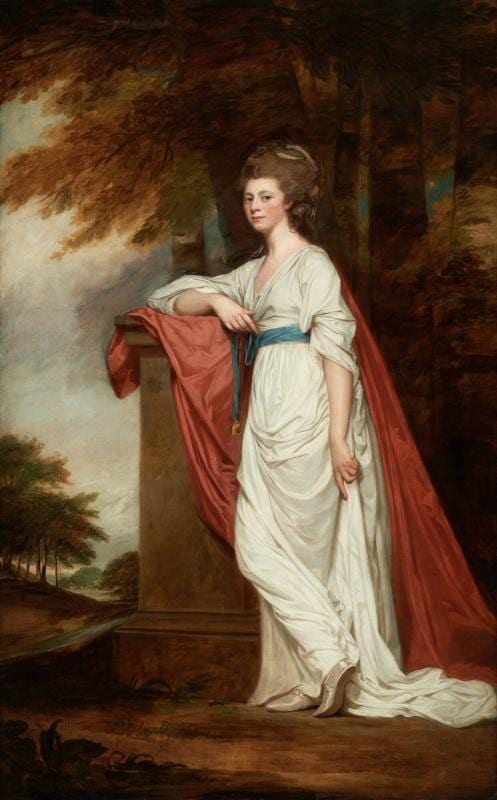
George Romney
English · 6 in the archive
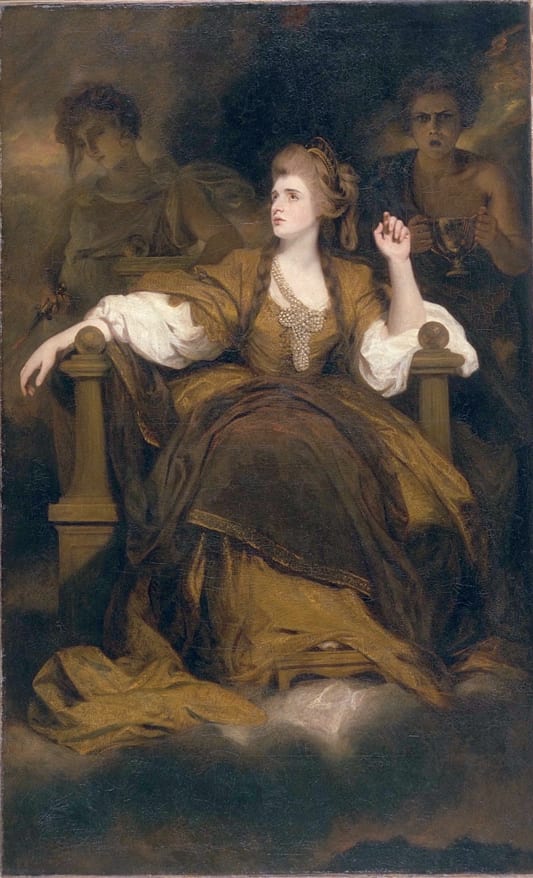
Joshua Reynolds
English · 5 in the archive
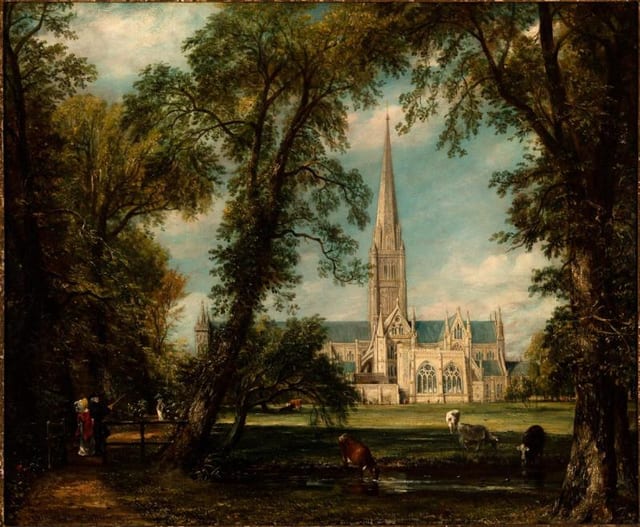
John Constable
Kingdom of Great Britain · 4 in the archive
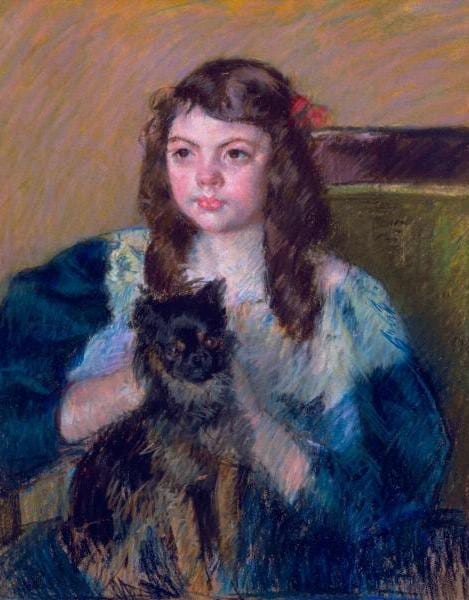
Mary Cassatt
American · 3 in the archive
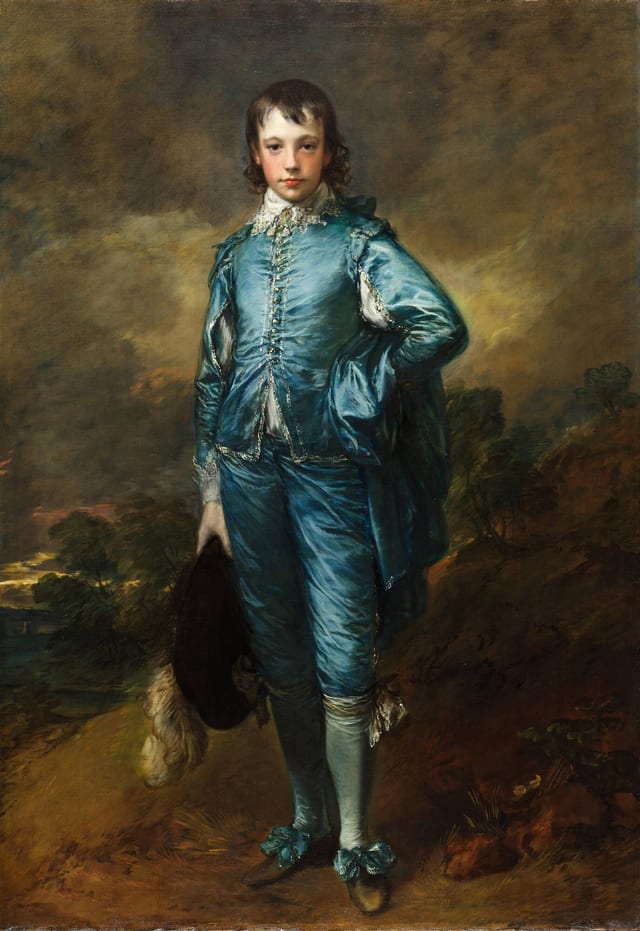
Thomas Gainsborough
English · 3 in the archive
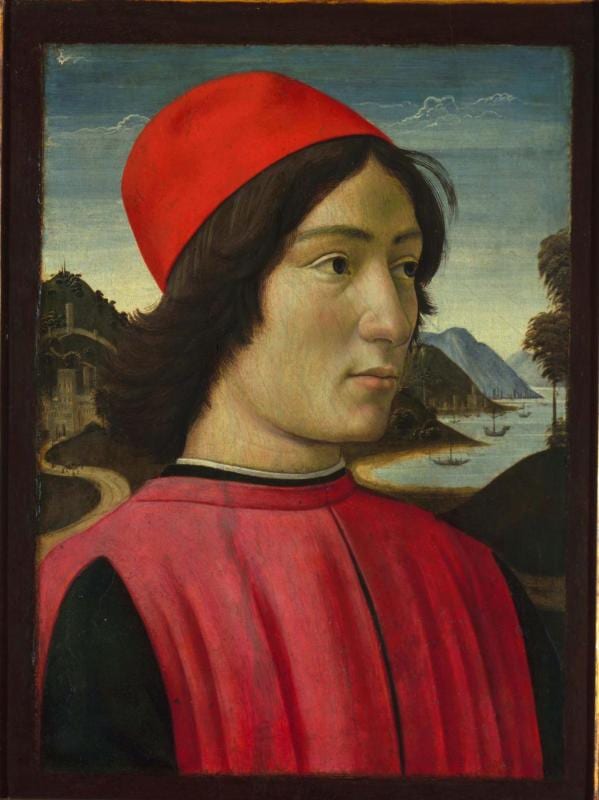
Domenico Ghirlandaio
Italian · 2 in the archive
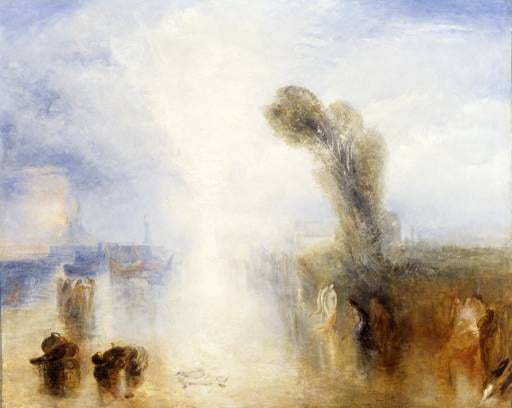
J. M. W. Turner
Kingdom of Great Britain · 2 in the archive
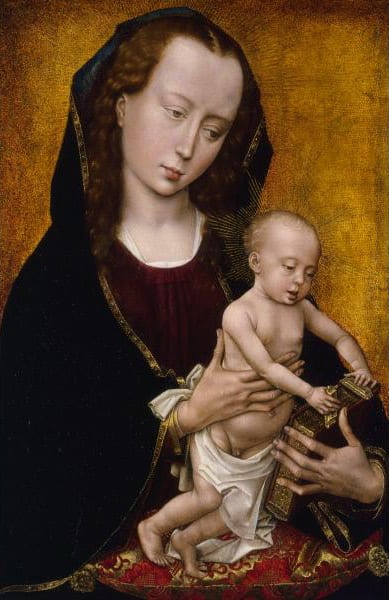
Rogier van der Weyden
Burgundian Netherlands · 2 in the archive
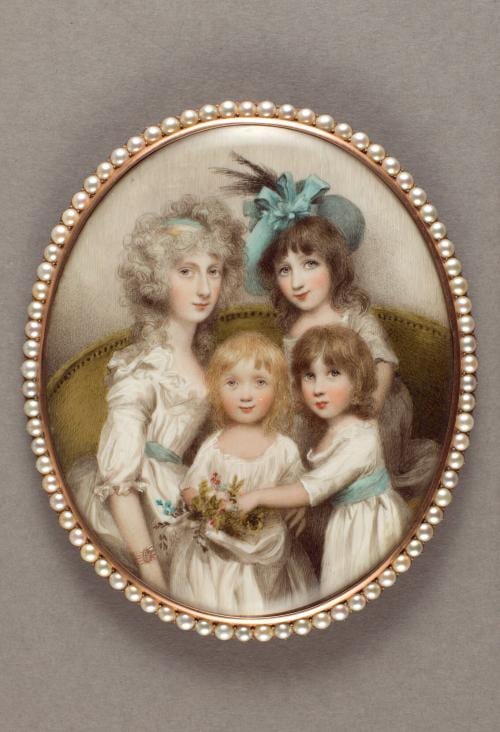
Andrew Plimer
United Kingdom · 1 in the archive
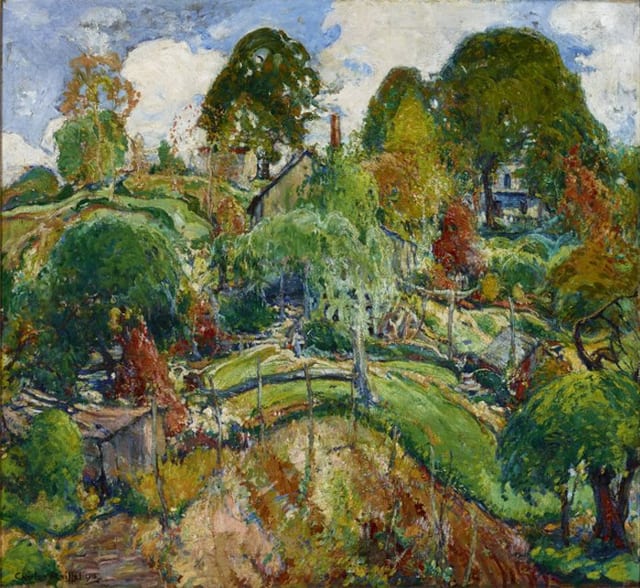
Charles Reiffel
United States · 1 in the archive
Claude Lorrain
Duchy of Lorraine · 1 in the archive
Sir Anthony van Dyck
Spanish Netherlands · 1 in the archive
Invite the masters into your living room.
Raphaelle Peale on your TV, phone, or tablet. Free to start.
View on MomentableIndependent guide by Momentable · biography from Wikipedia · artworks are in the public domain and credited to the museum that holds them