Ploughing in the Nivernais
Rosa Bonheur · 1849

Rosa Bonheur
French · 1822–1899
Rosa Bonheur was a French painter, sculptor and animalier. Her paintings include Ploughing in the Nivernais, first exhibited at the Salon of 1849, and now in the Musée d'Orsay in Paris, and The Horse Fair, which was exhibited at the Salon of 1853 and is now in the Metropolitan Museum of Art in New York City. Bonheur was widely considered to be the most famous female painter of the nineteenth century. She made sculptures in a realist style.
Independent artist guide by Momentable. Biography from Wikipedia; artworks credited to the museums that hold them.
 LIVENow streaming · Ploughing in the Nivernais
- life
- 1822–1899life
- movement
- realismmovement
The work
A selection of 2 works, free to stream.
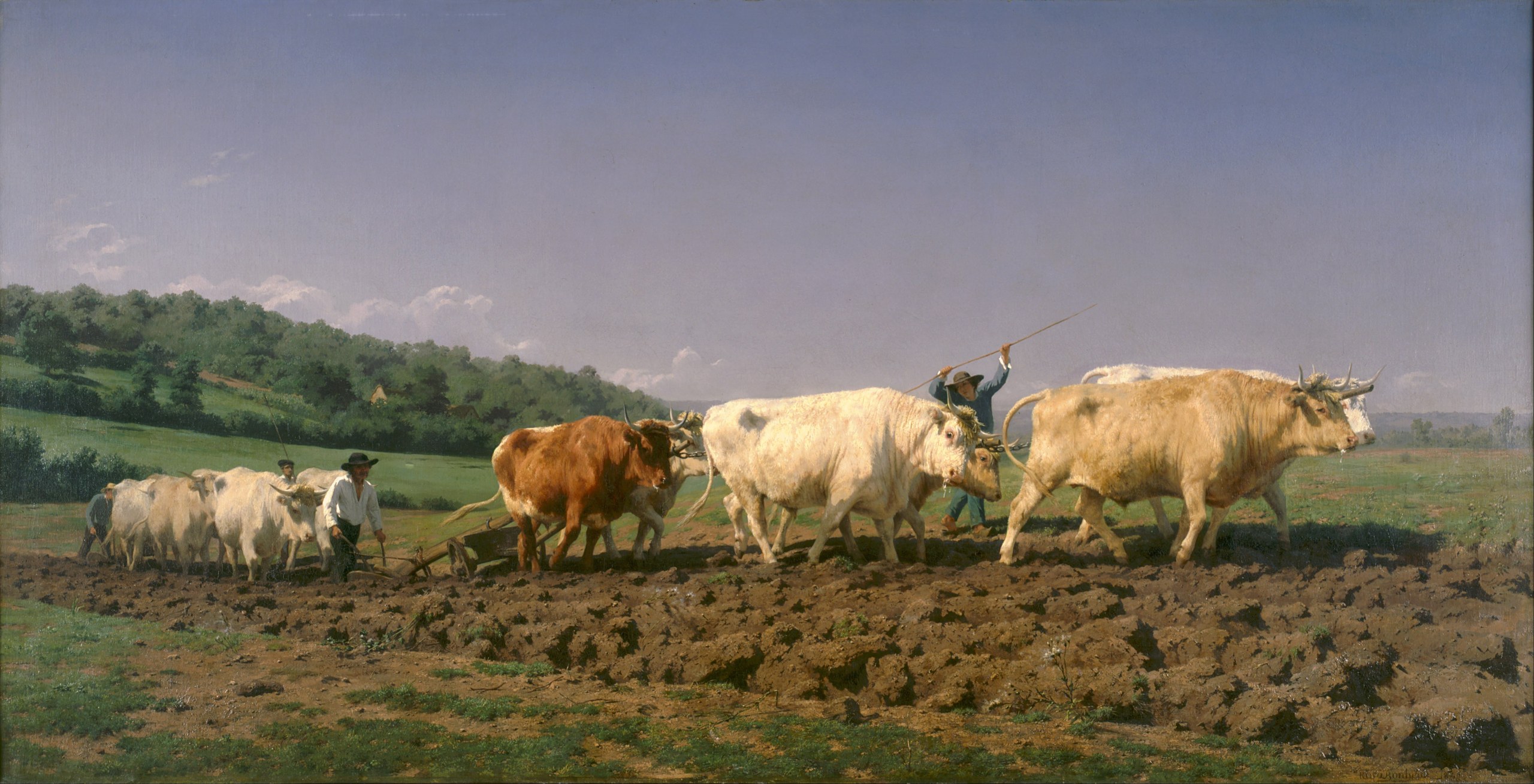
Ploughing in the Nivernais
Rosa Bonheur · 1849
Musée d'Orsay
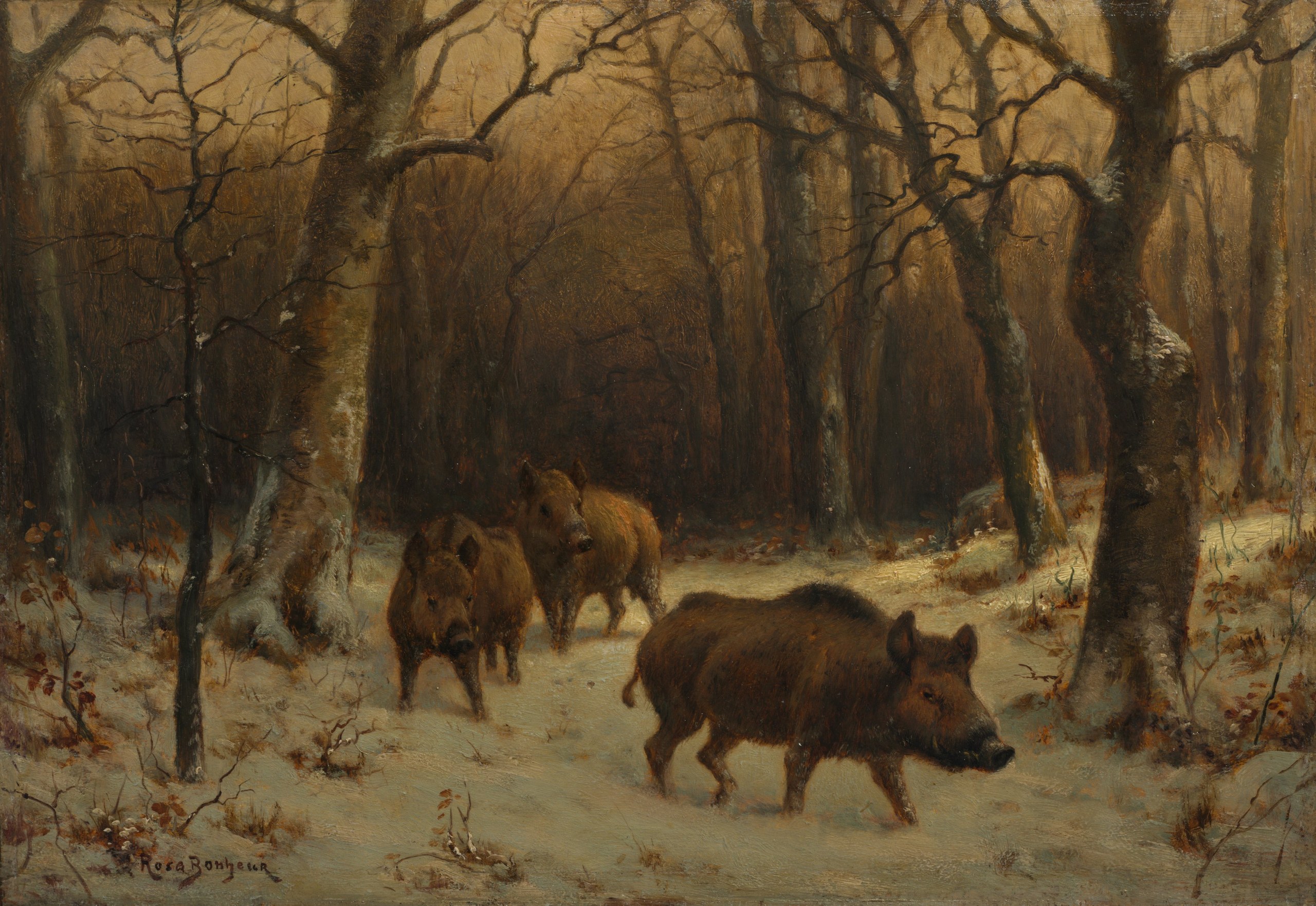
Wild Boars in the Snow
Rosa Bonheur
The Cleveland Museum of Art
Works worth knowing
What Rosa Bonheur made, and why each one is worth looking at.
Ploughing in the Nivernais
Rosa Bonheur · 1849
Musée d'Orsay
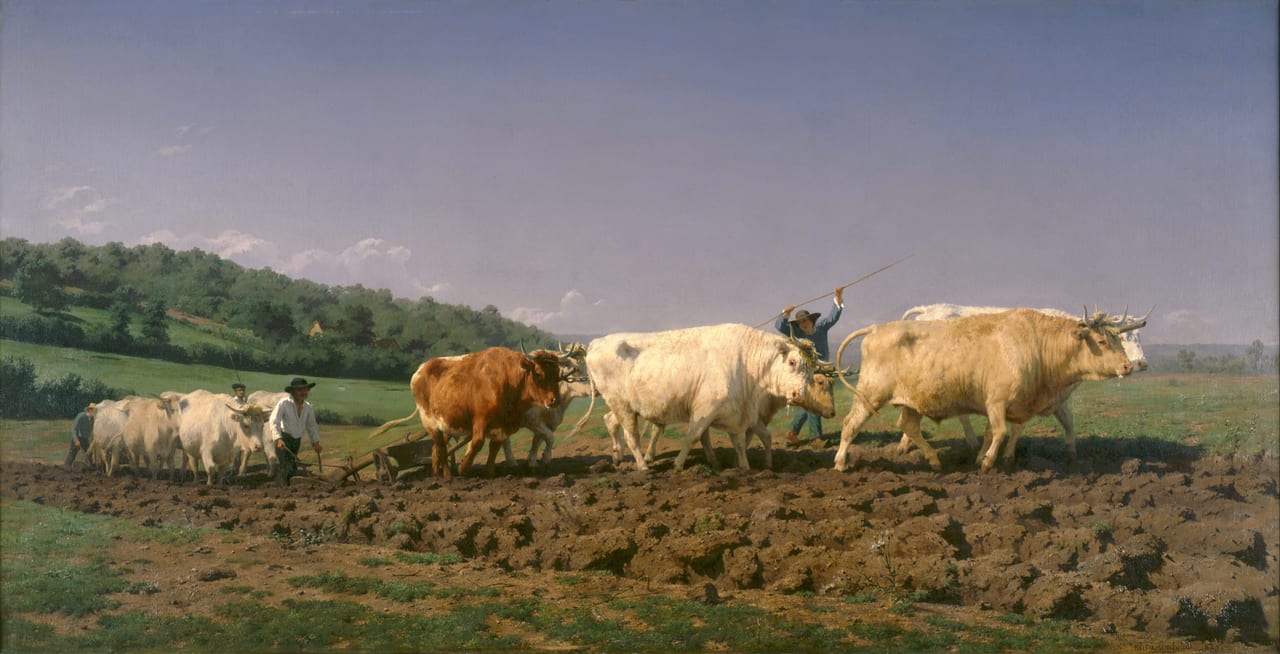
Ploughing in the Nivernais, also known as Oxen ploughing in Nevers or Plowing in Nivernais, is an 1849 painting by French artist Rosa Bonheur. It depicts two teams of oxen ploughing the land, and expresses deep commitment to the land; it may have been inspired by the opening scene of George Sand's 1846 novel La Mare au Diable. Commissioned by the government and winner of a First Medal at the Salon of 1849, today it is held in the Musée d'Orsay in Paris.
Wild Boars in the Snow
Rosa Bonheur
The Cleveland Museum of Art
Matthieu Ricard is a Nepalese French writer, photographer, translator and Buddhist monk who resides at Shechen Tennyi Dargyeling Monastery in Nepal. Matthieu Ricard grew up among the personalities and ideas of French intellectual circles. He received a PhD degree in molecular genetics from the Pasteur Institute in 1972.
Where the work hangs
The museums that hold it, and their visitor guides.
If you like Rosa Bonheur
Artists held by the same museums.
Giapeco Caporali
95 in the archive
Kamisaka Sekka
Japan · 72 in the archive
Paul Gauguin
French · 42 in the archive
Aoki Shukuya
Japan · 41 in the archive
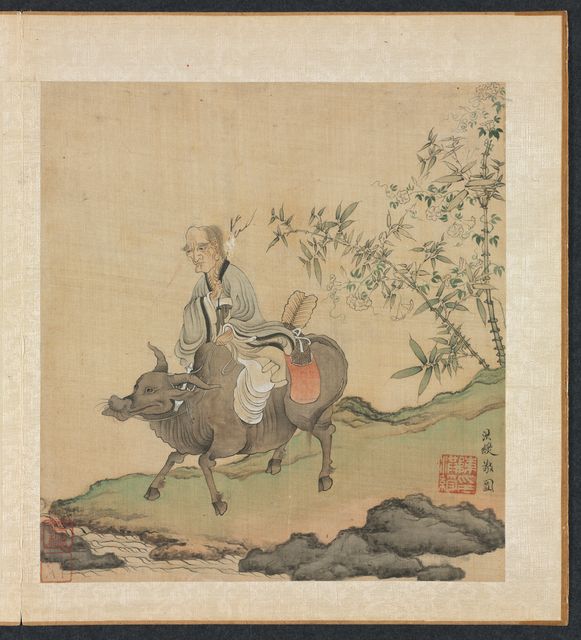
Chen Hongshou
Chinese · 23 in the archive
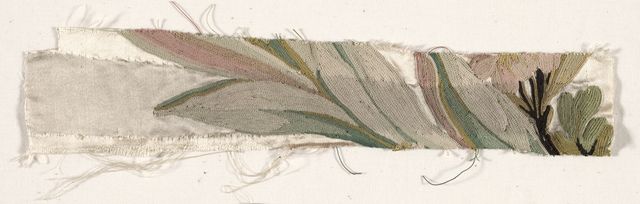
Philippe de Lasalle
France · 18 in the archive
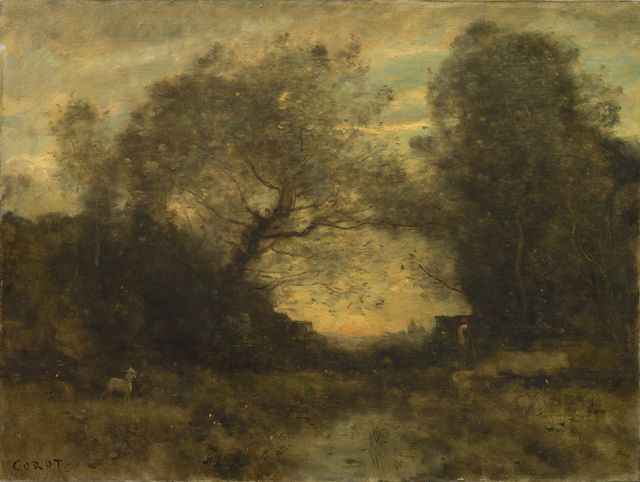
Jean-Baptiste-Camille Corot
French · 17 in the archive
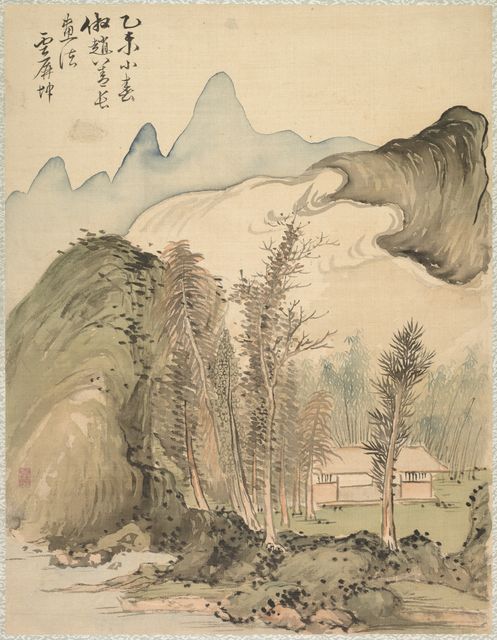
Tsubaki Chinzan
Japanese · 17 in the archive

Auguste Renoir
France · 16 in the archive
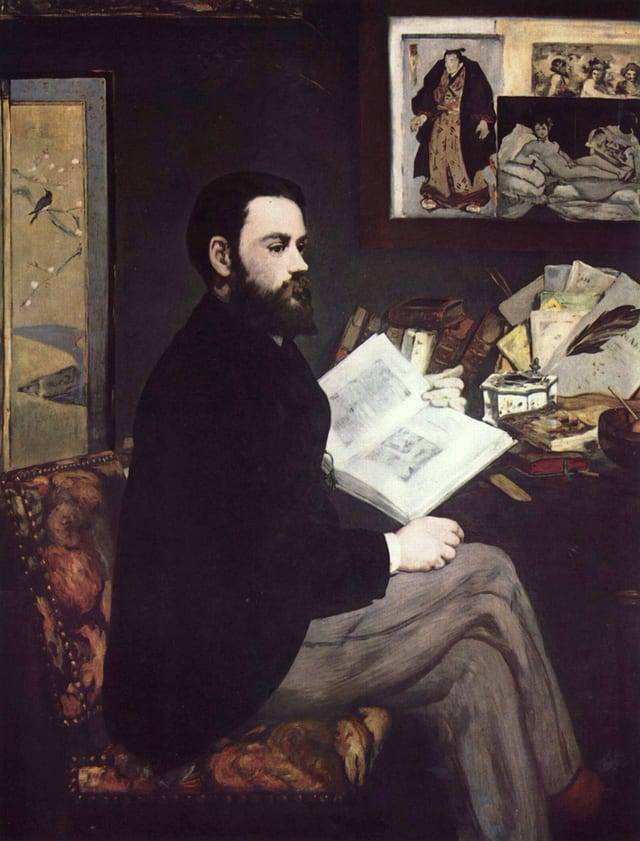
Edouard Manet
French · 16 in the archive
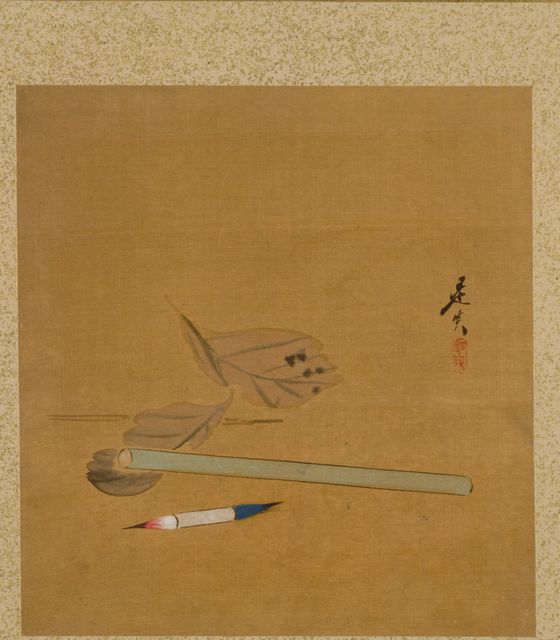
Shibata Zeshin
Japanese · 15 in the archive
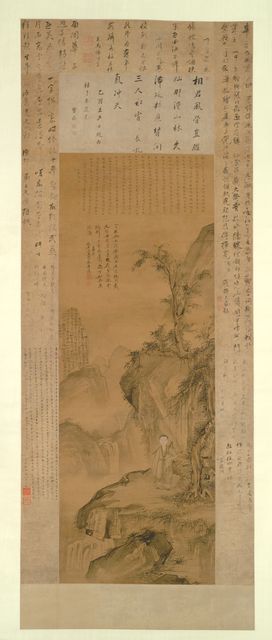
Hua Yan
Chinese · 14 in the archive
Invite the masters into your living room.
Rosa Bonheur on your TV, phone, or tablet. Free to start.
View on MomentableIndependent guide by Momentable · biography from Wikipedia · artworks are in the public domain and credited to the museum that holds them