Death of Adonis
Sebastiano del Piombo · 1512

Sebastiano del Piombo
Italian · 1485–1547
Sebastiano del Piombo was an Italian painter of the High Renaissance and early Mannerist periods, famous as the only major artist of the period to combine the colouring of the Venetian school in which he was trained with the monumental forms of the Roman school. He belongs both to the painting school of his native city, Venice, where he made significant contributions before he left for Rome in 1511, and that of Rome, where he stayed for the rest of his life, and whose style he thoroughly adopted.
Independent artist guide by Momentable. Biography from Wikipedia; artworks credited to the museums that hold them.
 LIVENow streaming · Death of Adonis
- life
- 1485–1547life
- movement
- Mannerismmovement
The work
A selection of 2 works, free to stream.
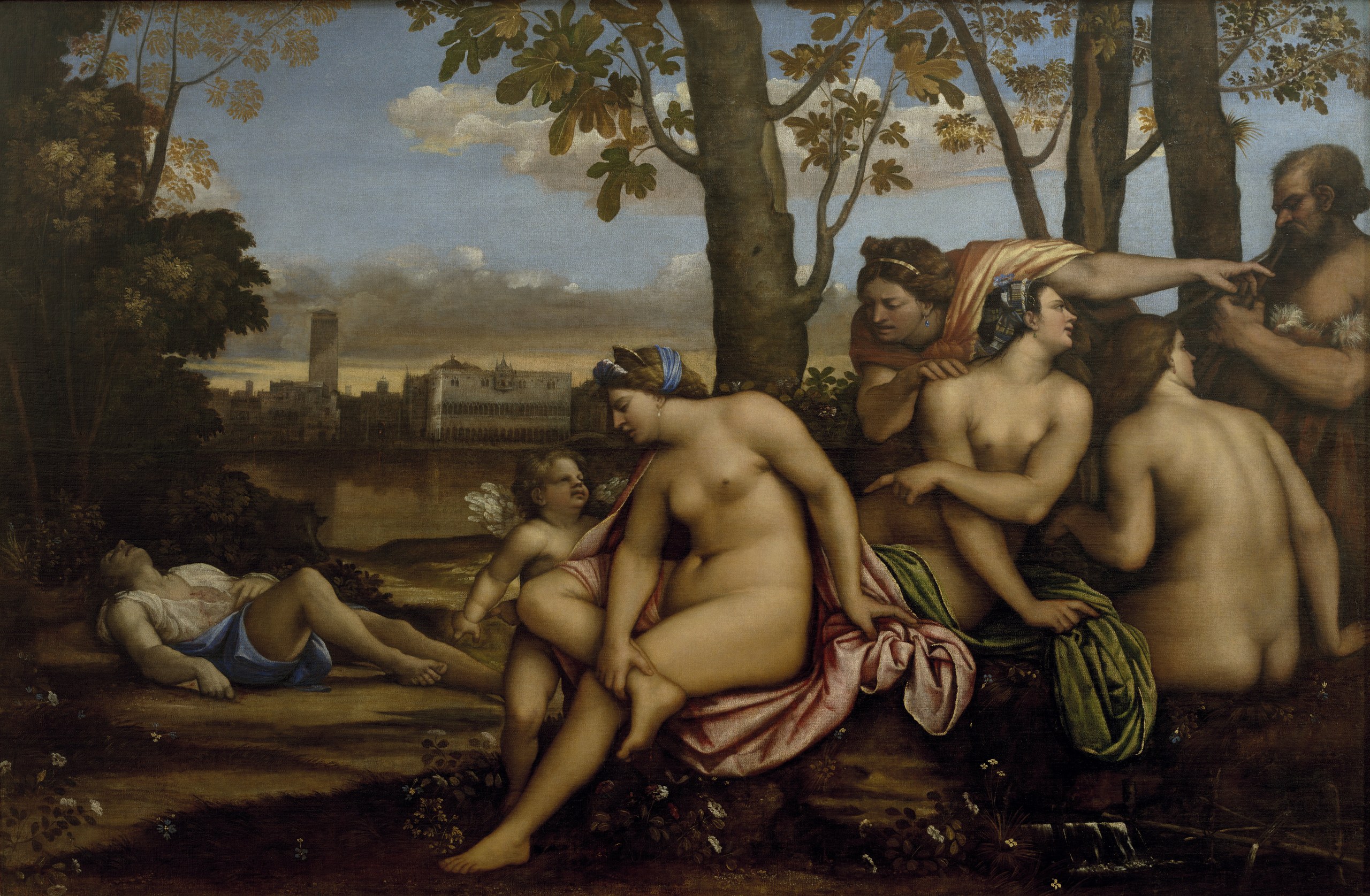
Death of Adonis
Sebastiano del Piombo · 1512
Uffizi Gallery
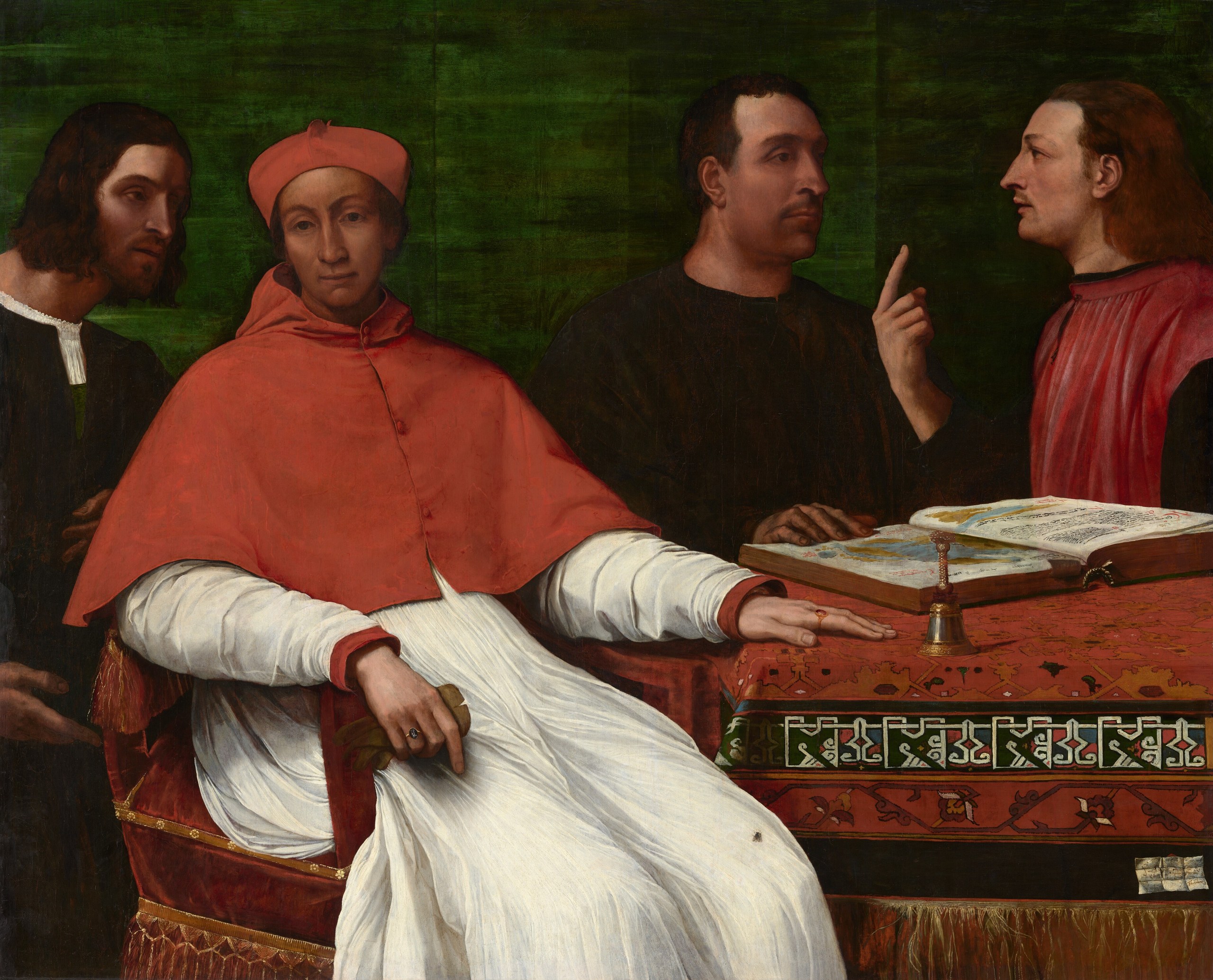
Cardinal Bandinello Sauli, His Secretary, and Two Geographers
Sebastiano del Piombo
National Gallery of Art
Works worth knowing
What Sebastiano del Piombo made, and why each one is worth looking at.
Death of Adonis
Sebastiano del Piombo · 1512
Uffizi Gallery
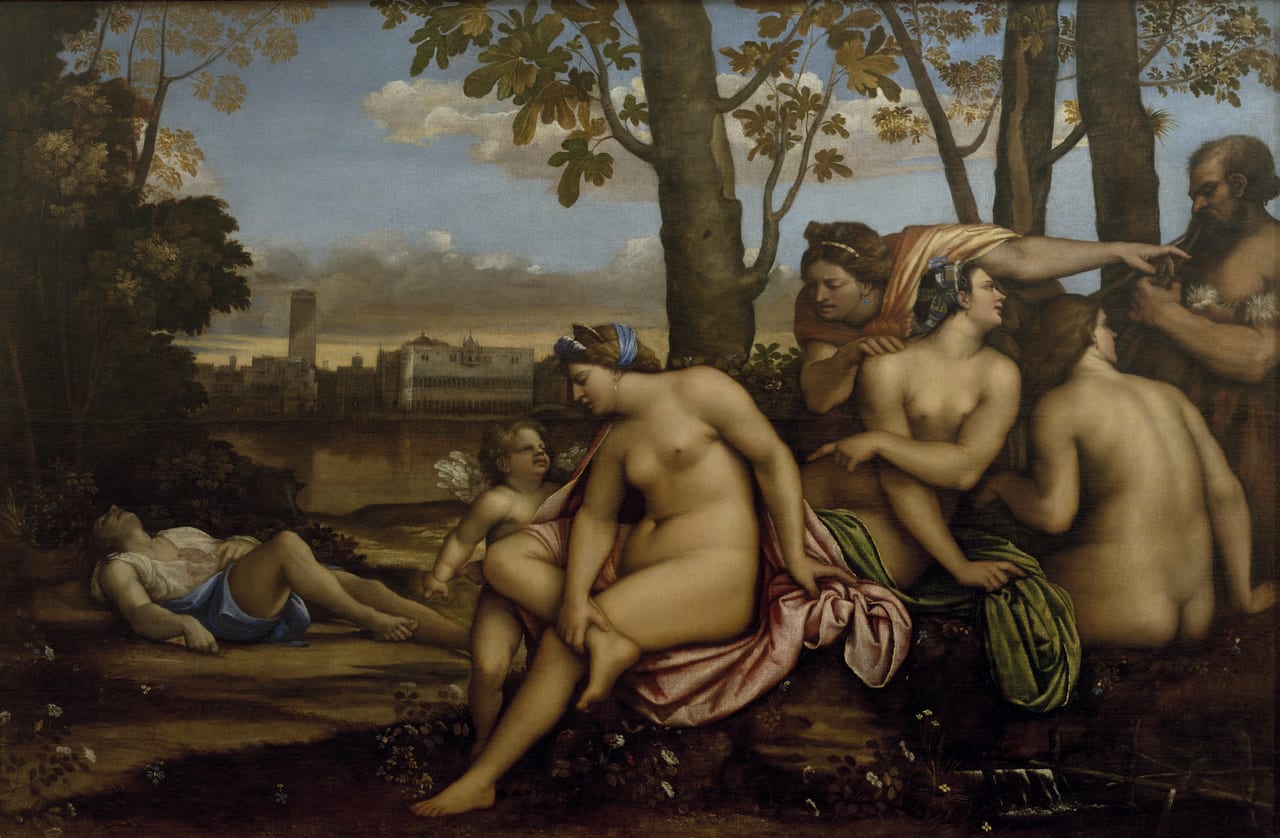
The Death of Adonis is a 1512 oil on canvas painting by Sebastiano del Piombo, now in the Uffizi in Florence. It was originally produced for Agostino Chigi just after the artist's arrival in Rome, summoned to assist Chigi in decorating the Villa Chigi. A 1520 inventory of the villa stated it contained "figures of more nude and beautiful women".
Cardinal Bandinello Sauli, His Secretary, and Two Geographers
Sebastiano del Piombo
National Gallery of Art
Sebastiano del Piombo was an Italian painter of the High Renaissance and early Mannerist periods, famous as the only major artist of the period to combine the colouring of the Venetian school in which he was trained with the monumental forms of the Roman school. He belongs both to the painting school of his native city, Venice, where he made significant contributions before he left for Rome in 1511, and that of Rome, where he stayed for the rest of his life, and whose style he thoroughly adopted. Born Sebastiano Luciani, after coming to Rome he became known as Sebastiano Veneziano or Viniziano ("Sebastian the Venetian"), until in 1531 he became the Keeper of the Seal to the Papacy, and so got the nickname del Piombo ("of the Lead") thereafter, from his new job title of piombatore.
How Sebastiano del Piombo worked
From the record of their own practice.
Sebastiano was trained in the Venetian tradition of rich, subtly varying, colours in oil painting. In the Raising of Lazarus (1517 to 1519) he used a very wide range of pigments, often in complicated mixtures, and the painting can be seen as a display of Venetian skill for the Roman critics, attempting to achieve "the greatest and most subtly varied range of colours ever seen in a single painting". He became less interested in colour as his career progressed, and many later works are rather sombre, with touches of bright colour. His early works generally use the Venetian technique of freehand underdrawing on the surface to be painted, no doubt following a relatively approximate sketch, as was his technique for the Kingston Lacy Judgement of Solomon.
Where the work hangs
The museums that hold it, and their visitor guides.
If you like Sebastiano del Piombo
Artists held by the same museums.
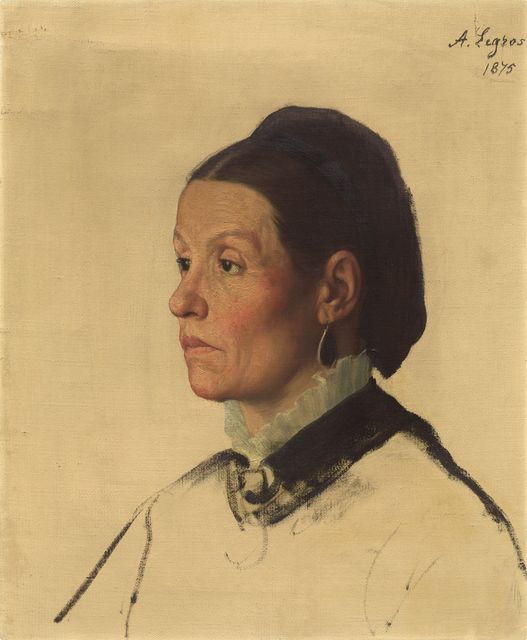
Alphonse Legros
French · 561 in the archive
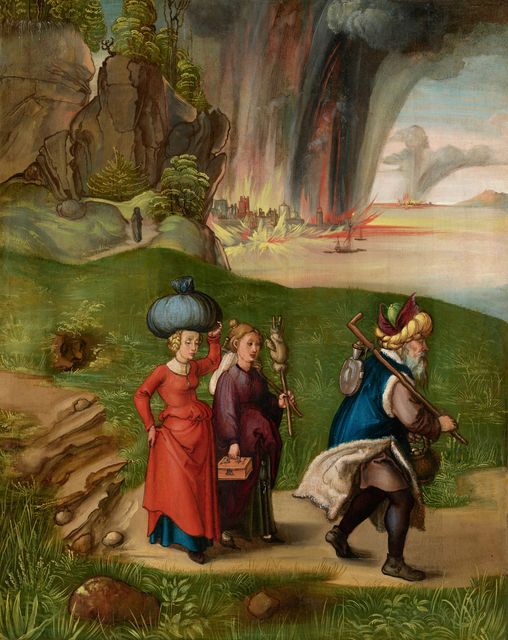
Albrecht Dürer
German · 289 in the archive
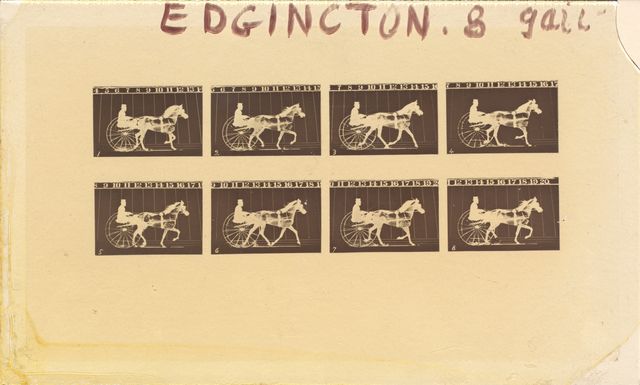
Eadweard Muybridge
English · 259 in the archive
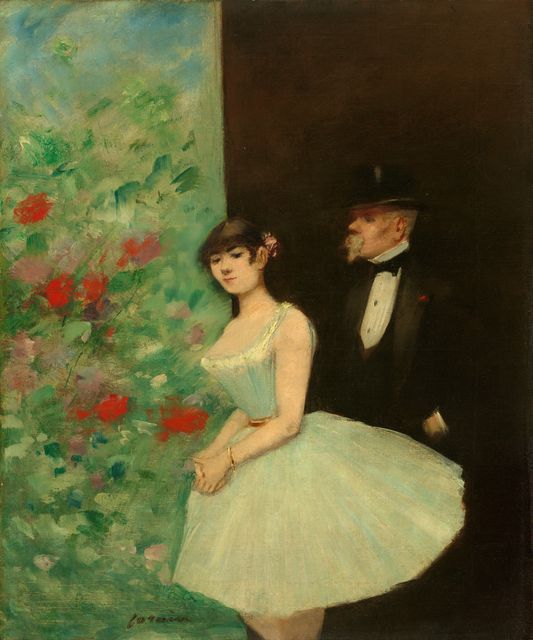
Jean-Louis Forain
French · 259 in the archive
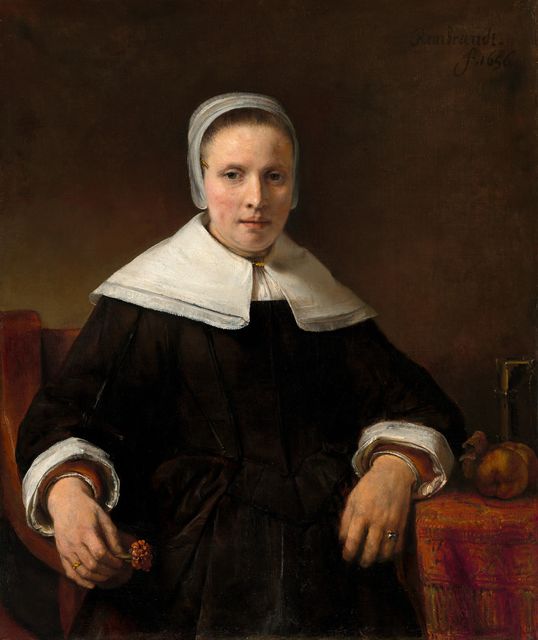
Rembrandt van Rijn
Dutch · 252 in the archive
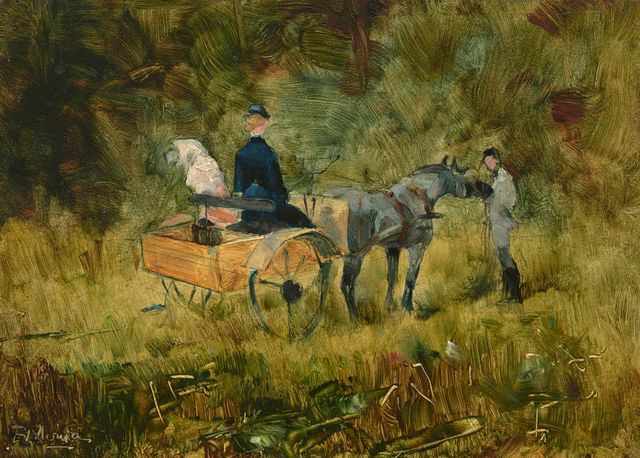
Henri de Toulouse-Lautrec
French · 242 in the archive
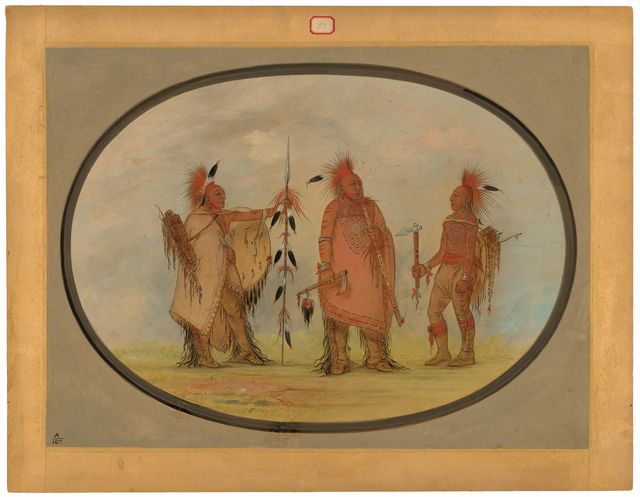
George Catlin
United States · 223 in the archive
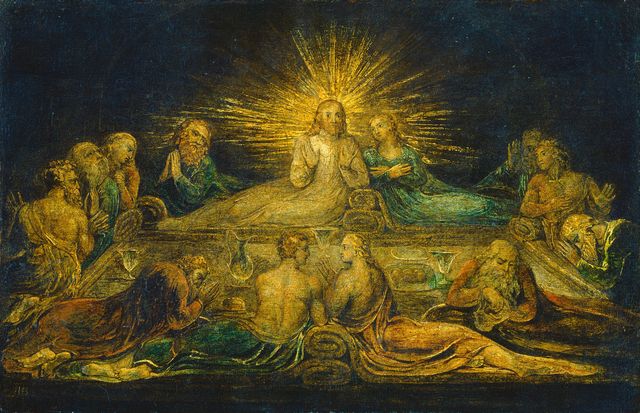
William Blake
United Kingdom of Great Britain and Ireland · 173 in the archive
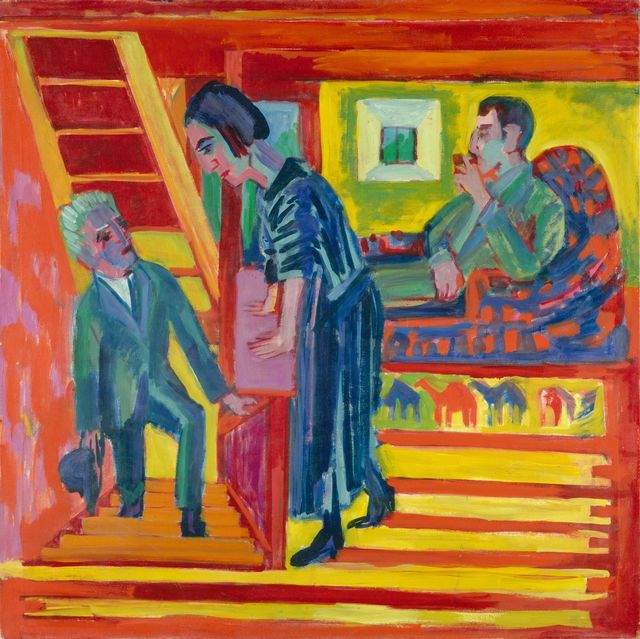
Ernst Ludwig Kirchner
German · 147 in the archive
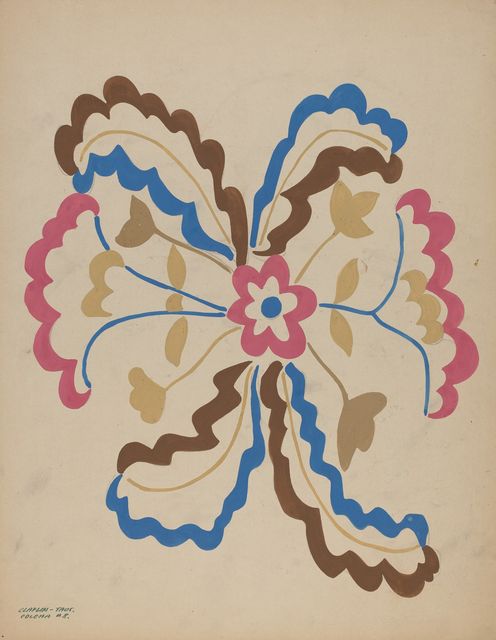
Majel G. Claflin
United States · 135 in the archive
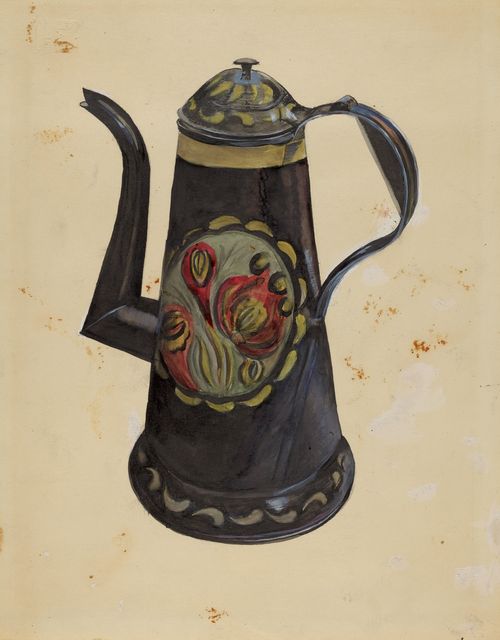
Mina Lowry
United States · 124 in the archive
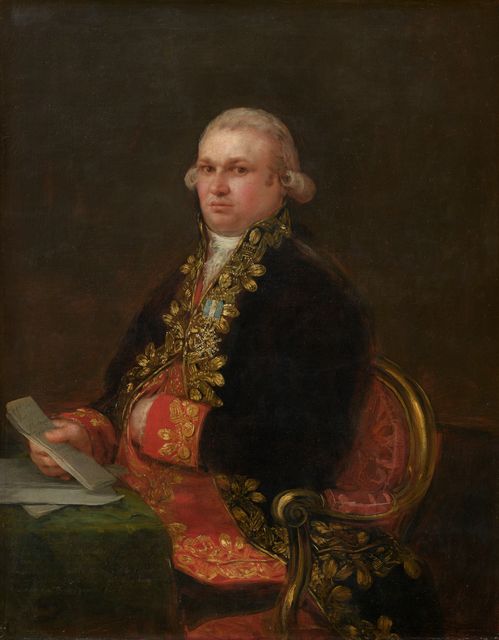
Francisco Goya
Spanish · 113 in the archive
Invite the masters into your living room.
Sebastiano del Piombo on your TV, phone, or tablet. Free to start.
View on MomentableIndependent guide by Momentable · biography from Wikipedia · artworks are in the public domain and credited to the museum that holds them