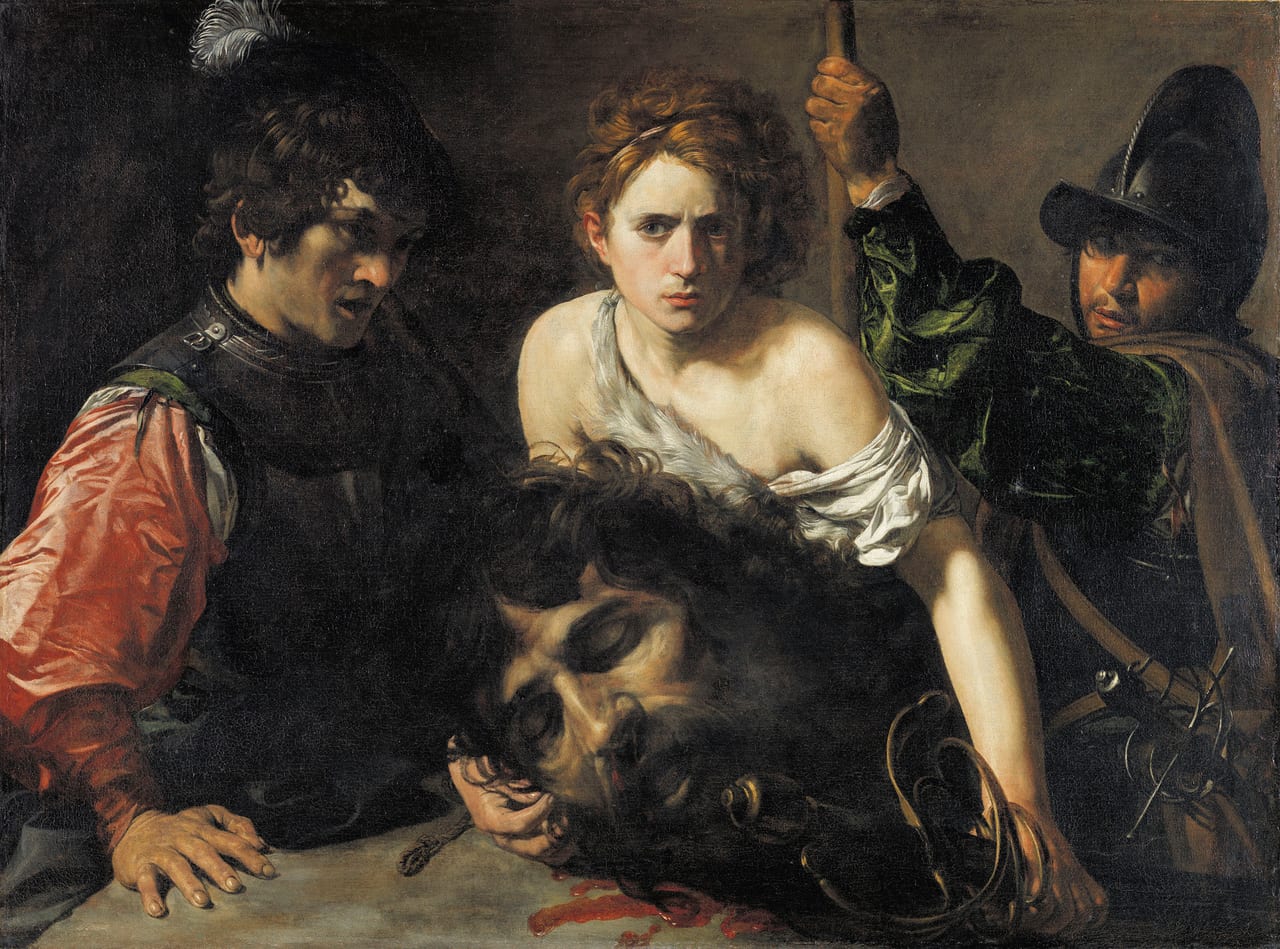
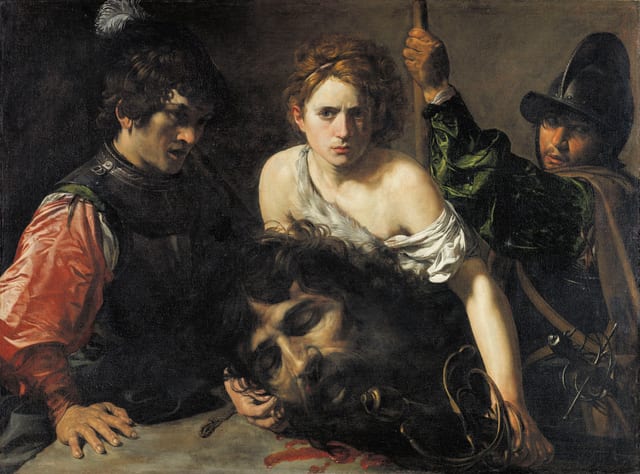
David With the Head of Goliath and two Soldiers
Valentin de Boulogne · 1620

Valentin de Boulogne
French · 1591–1632
Valentin de Boulogne, sometimes referred to as Le Valentin, was a French painter in the tenebrist style.
Independent artist guide by Momentable. Biography from Wikipedia; artworks credited to the museums that hold them.
 LIVENow streaming · David With the Head of Goliath and two Soldiers
- life
- 1591–1632life
- movement
- Caravaggistimovement
The work
A selection of 3 works, free to stream.
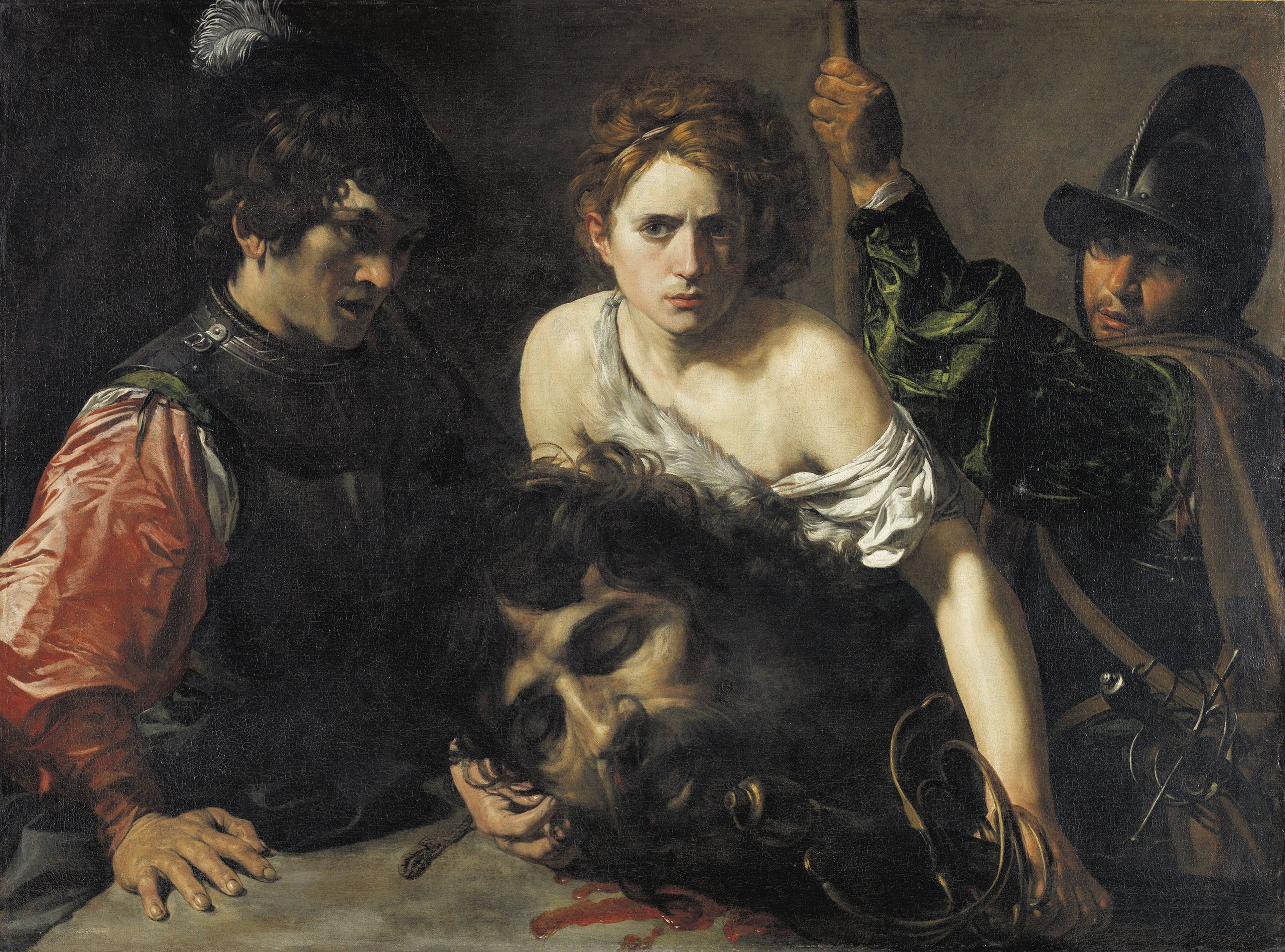
David With the Head of Goliath and two Soldiers
Valentin de Boulogne · 1620
Thyssen-Bornemisza Museum
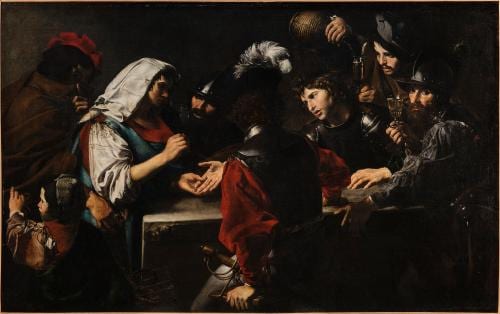
Fortune-Teller with Soldiers
Valentin de Boulogne · 1620
Toledo Museum of Art
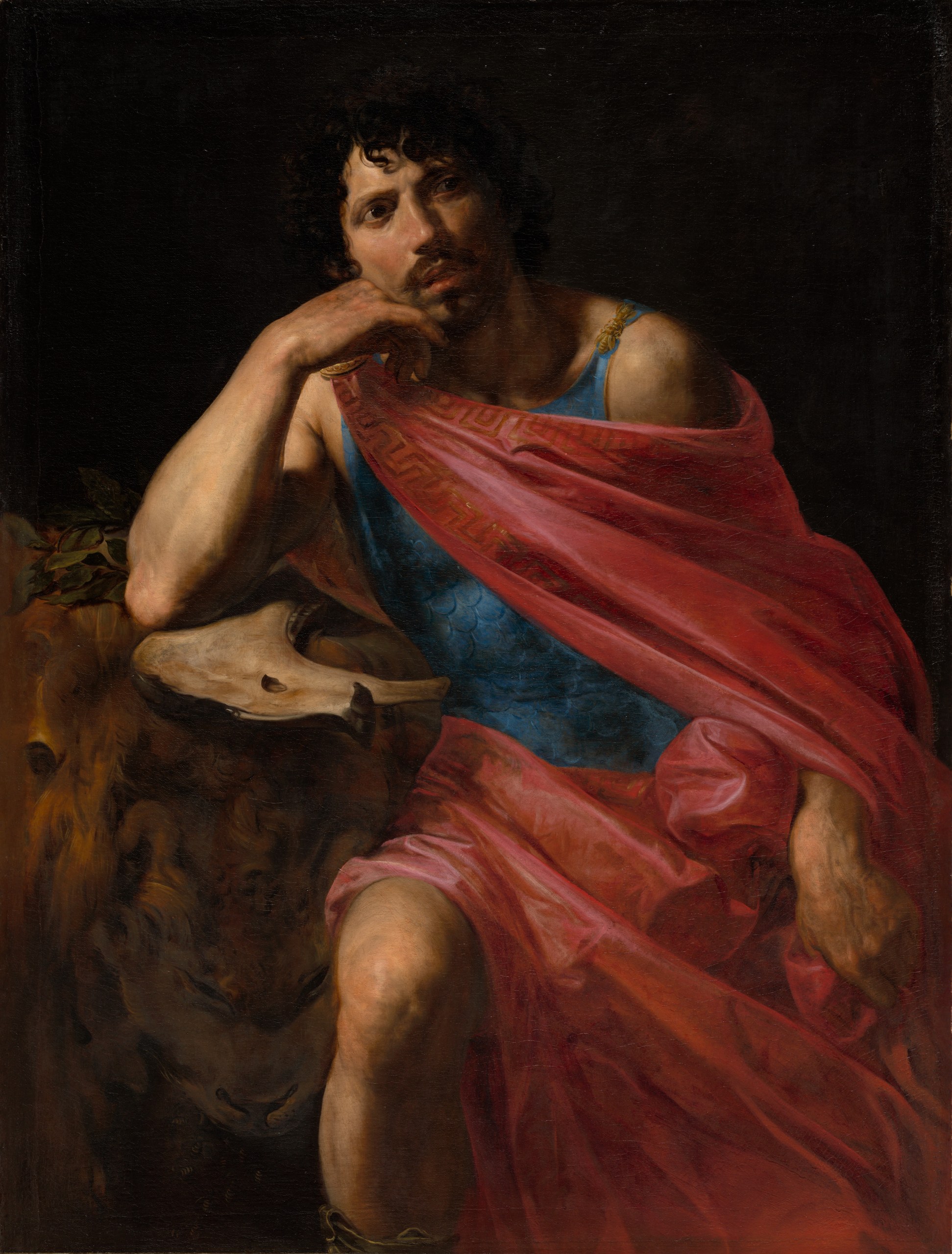
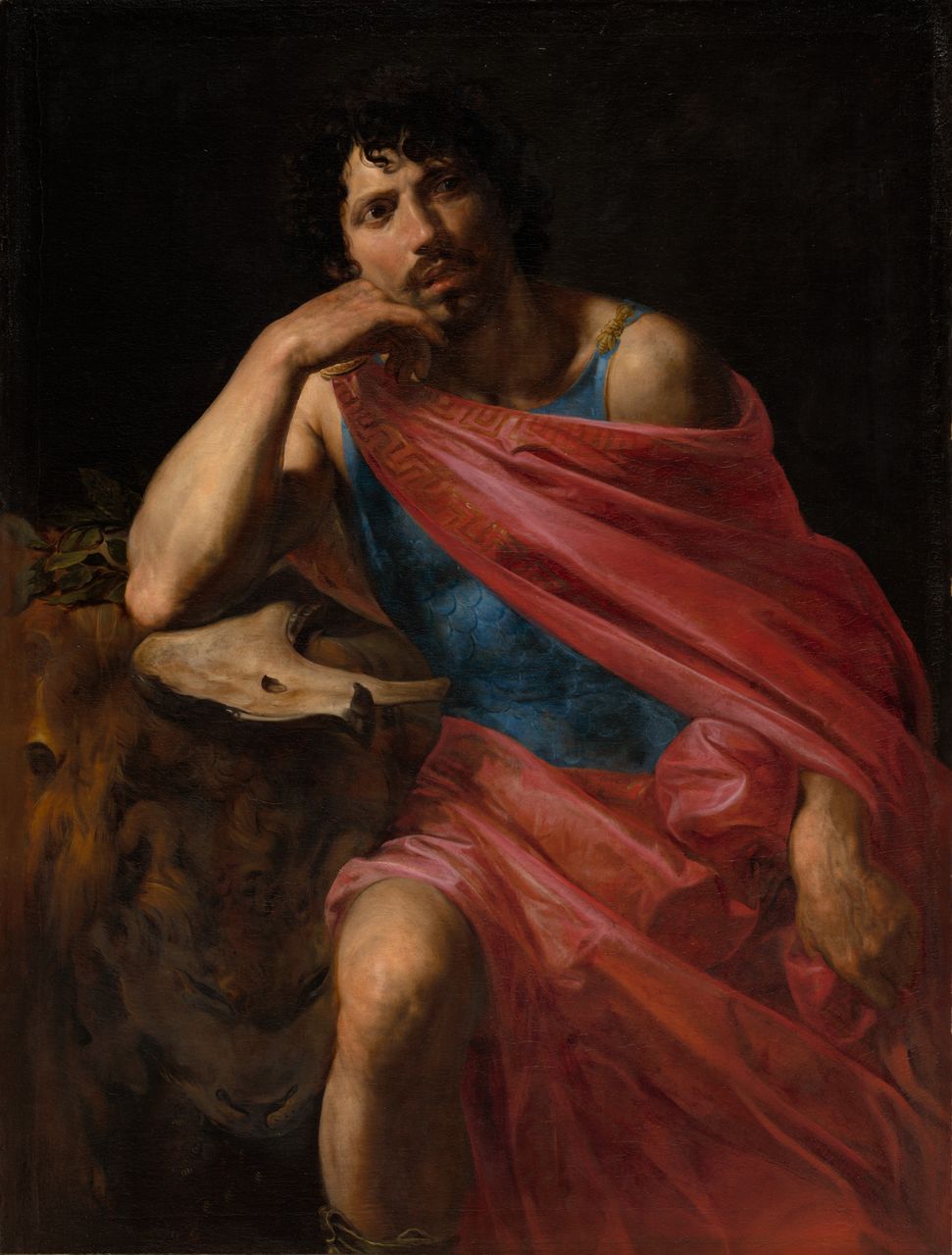
Samson
Valentin de Boulogne
The Cleveland Museum of Art
Works worth knowing
2 of Valentin de Boulogne's works, and what makes each one worth a look.
Fortune-Teller with Soldiers
Valentin de Boulogne · 1620
Toledo Museum of Art
The Fortune Teller, also known as the Fortune Teller with Soldiers, is an oil on canvas painting dating to approximately 1620 by French painter, Valentin de Boulogne, a follower of Caravaggio. It is now held in the Toledo Museum of Art, in Toledo, Ohio. The scene depicts a group of men around a fortune teller that was attributed by Gustav Friedrich Waagen.
Samson
Valentin de Boulogne
The Cleveland Museum of Art
Giambologna (1529, 13 August 1608), also known as Jean de Boulogne (French), Jehan Boulongne (Flemish) and Giovanni da Bologna (Italian), was the last significant Italian Renaissance sculptor, with a large workshop producing large and small works in bronze and marble in a late Mannerist style. Giambologna was born in Douai, Flanders (then in the Habsburg Netherlands and now in France), in 1529. After youthful studies in Antwerp with the architect-sculptor Jacques Du Brœucq, he moved to Italy in 1550 and studied in Rome, making a detailed study of the sculpture of classical antiquity.
Where the work hangs
The museums that hold it, and their visitor guides.
If you like Valentin de Boulogne
Artists held by the same museums.
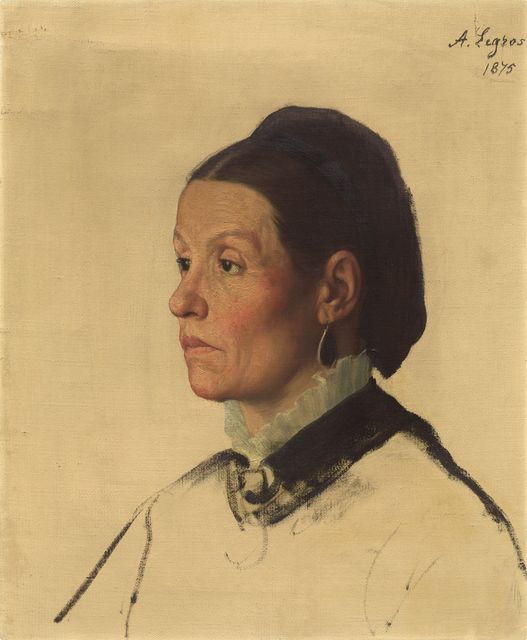
Alphonse Legros
French · 561 in the archive
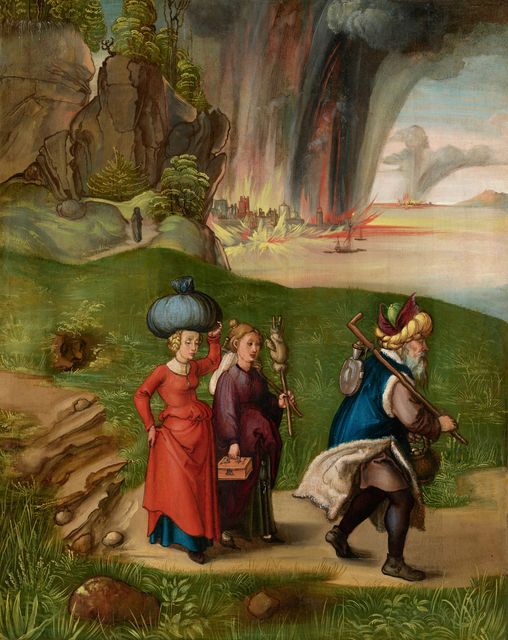
Albrecht Dürer
German · 288 in the archive
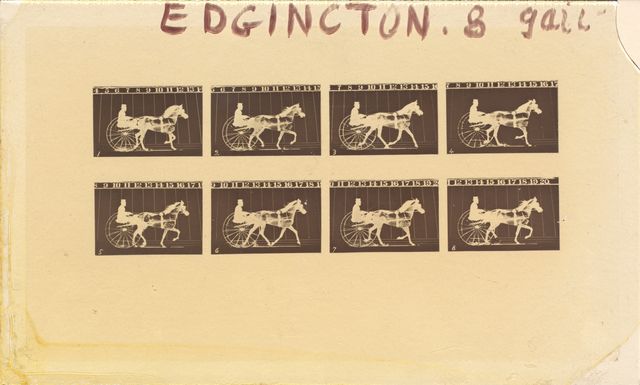
Eadweard Muybridge
English · 259 in the archive
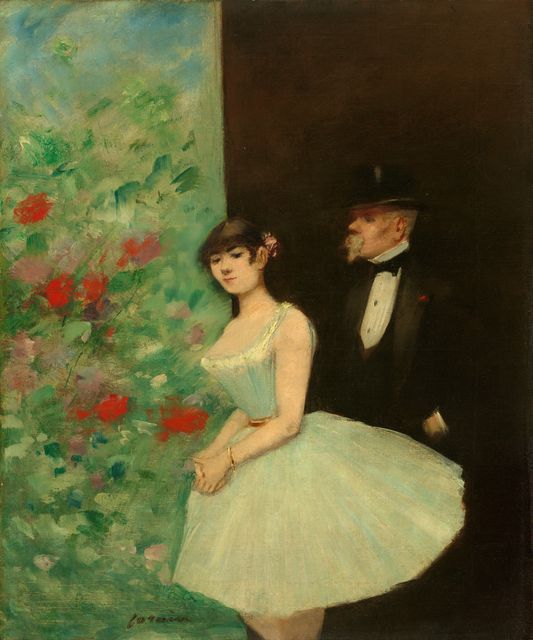
Jean-Louis Forain
French · 259 in the archive
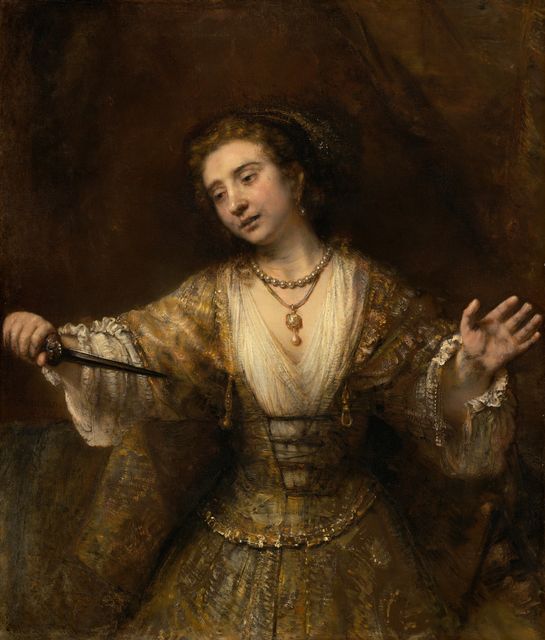
Rembrandt van Rijn
Dutch · 259 in the archive
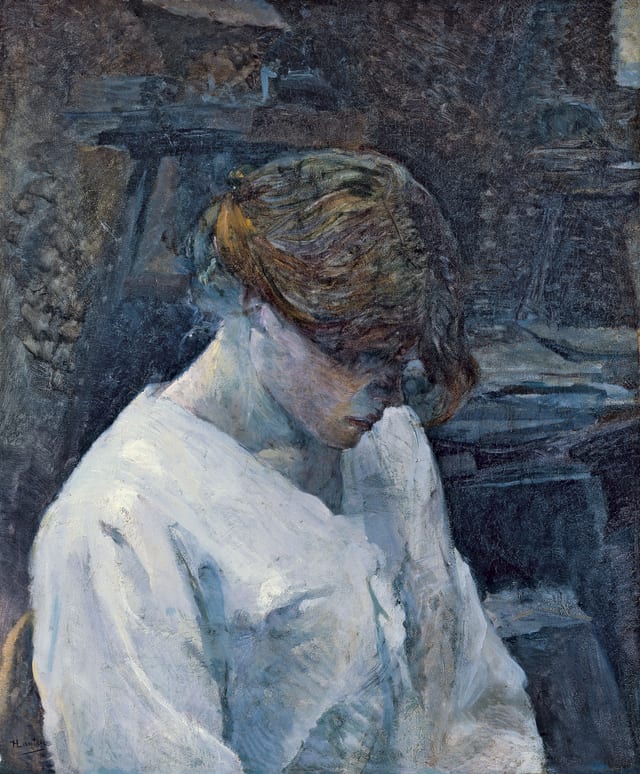
Henri de Toulouse-Lautrec
French · 243 in the archive
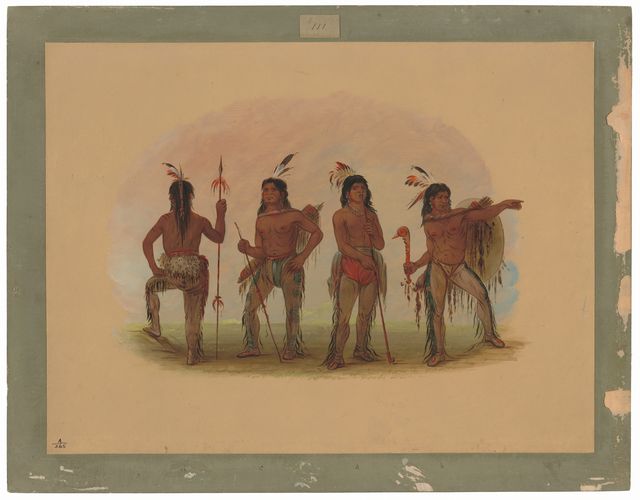
George Catlin
United States · 223 in the archive
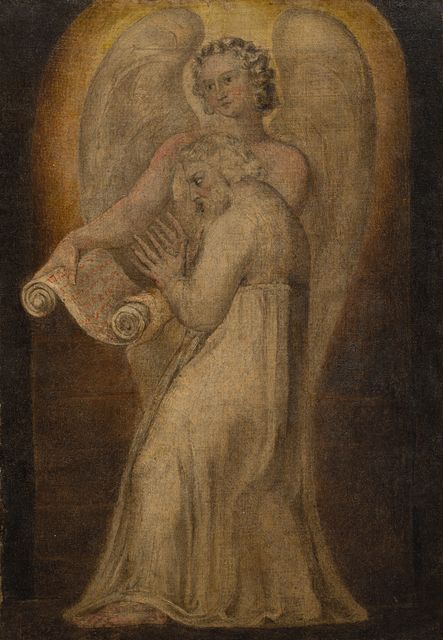
William Blake
United Kingdom of Great Britain and Ireland · 175 in the archive
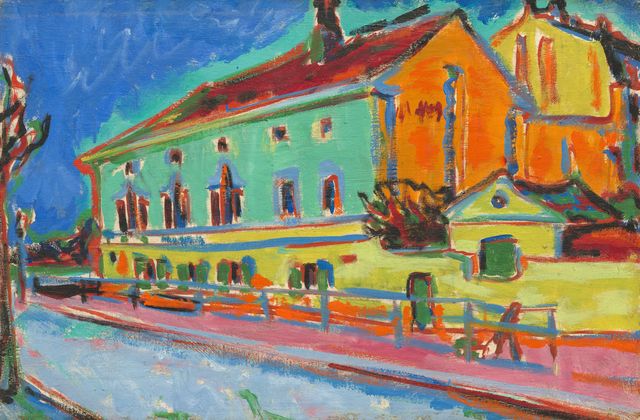
Ernst Ludwig Kirchner
German · 148 in the archive
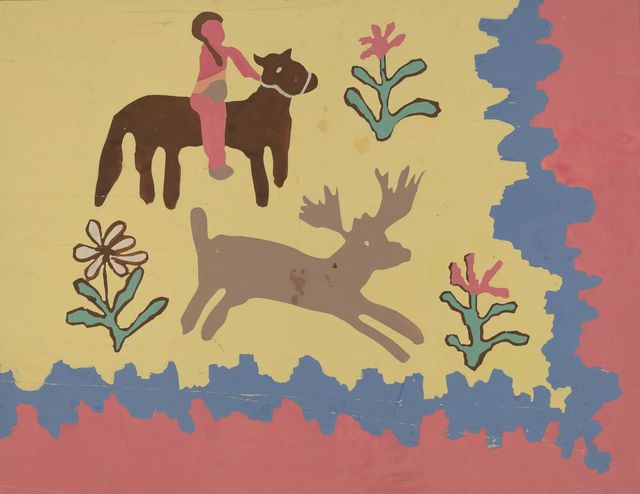
Majel G. Claflin
United States · 135 in the archive
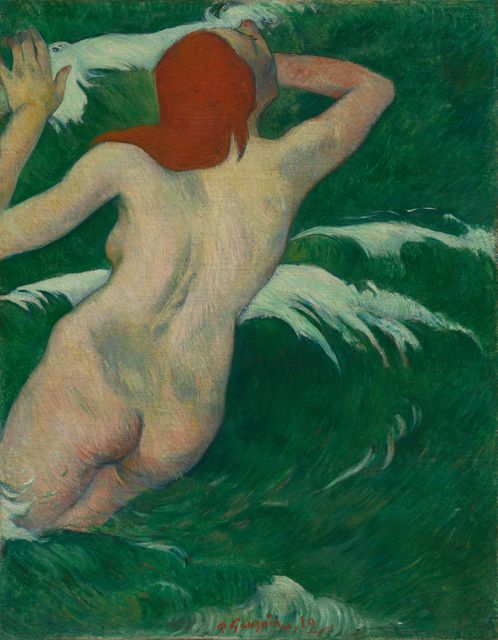
Paul Gauguin
French · 128 in the archive
Mina Lowry
United States · 124 in the archive
Invite the masters into your living room.
Valentin de Boulogne on your TV, phone, or tablet. Free to start.
View on MomentableIndependent guide by Momentable · biography from Wikipedia · artworks are in the public domain and credited to the museum that holds them