About this work
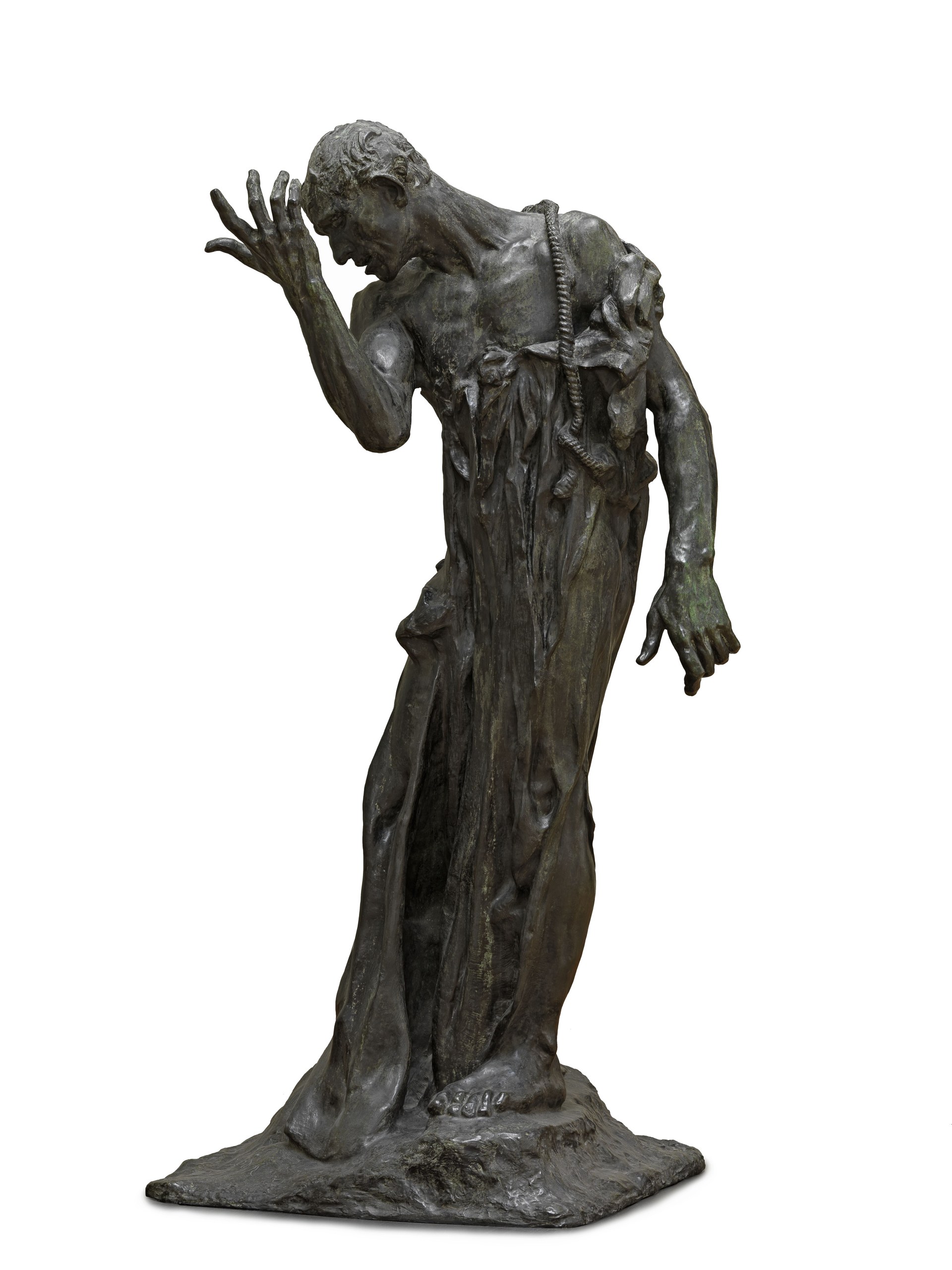
Pierre de Wissant is a bronze sculpture by French artist Auguste Rodin, part of his sculptural group The Burghers of Calais. This sculpture represents one of the six burghers who, according to Jean Froissart surrendered themselves in 1347, at the beginning of the Hundred Years' War (1337 to 1453), in order to save the inhabitants of the French city of Calais from the English laying siege to the city. Between 1884 and 1886, Rodin created nude studies of each of the burghers, then draped them in wet canvas in order to determine how the human figures would look clothed with sackcloth, as their real-life counterparts were supposed to have worn when surrendering to Edward III of England.
About Auguste Rodin
François Auguste René Rodin was a French sculptor generally considered the founder of modern sculpture. He was schooled traditionally and took a craftsman-like approach to his work. Rodin possessed a unique ability to model a complex, turbulent, and deeply pocketed surface in clay. He is known for such sculptures as The Thinker, Monument to Balzac, The Kiss, The Burghers of Calais, and The Gates of Hell. Many of Rodin's most notable sculptures were criticized, as they clashed with predominant figurative sculpture traditions in which works were decorative, formulaic, or highly thematic.
Where it hangs
Pierre de Wiessant is in the collection of Museo Soumaya.
More by Auguste Rodin
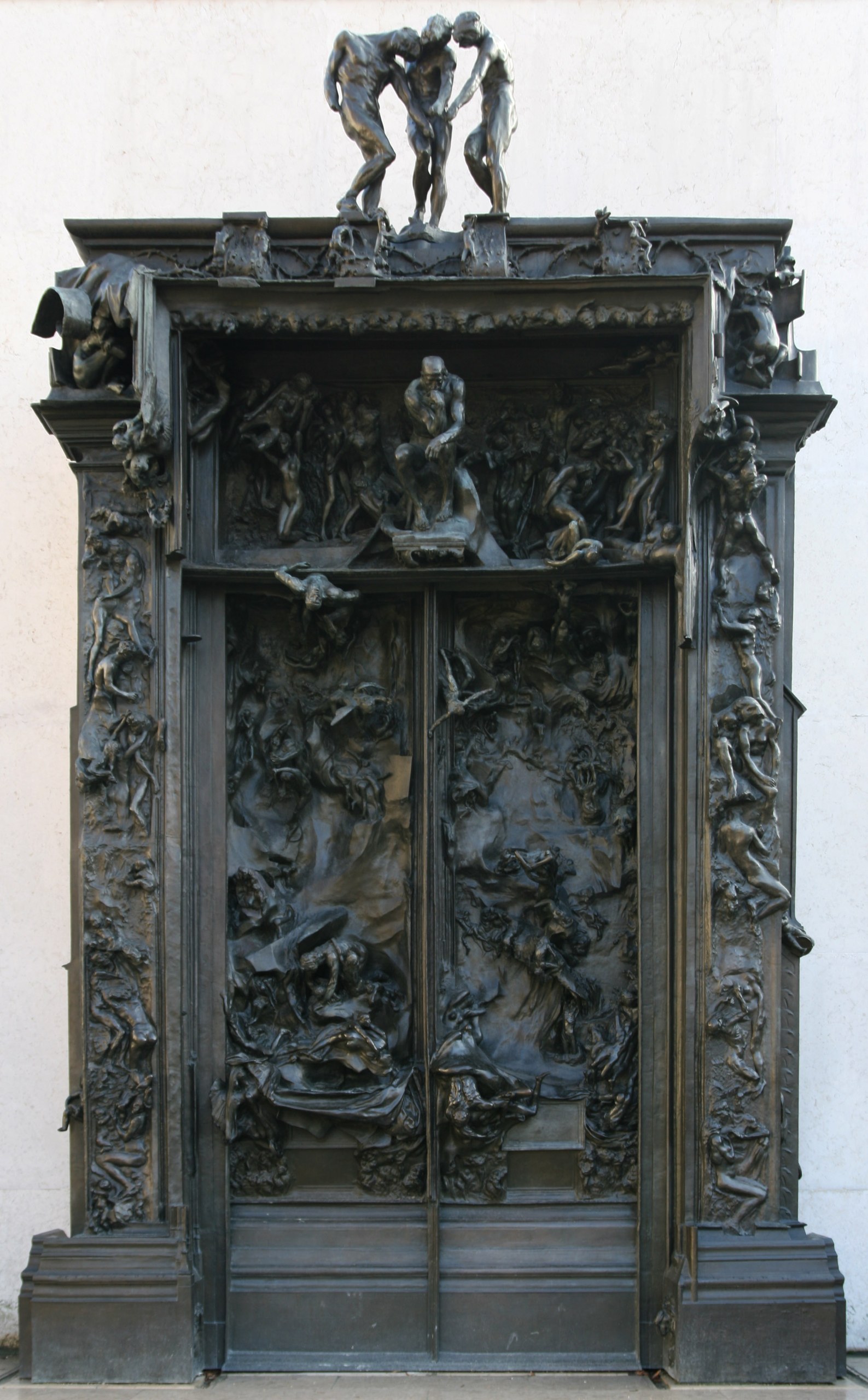
The Gates of Hell
Auguste Rodin · 1880
Museo Soumaya
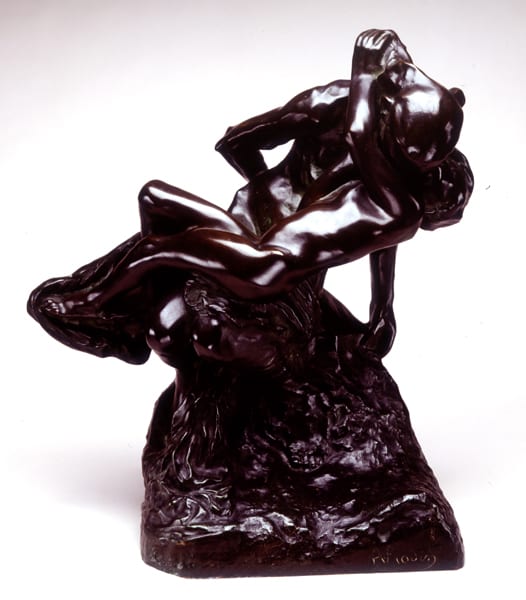
Triumphant Youth
Auguste Rodin · 1894
Museo Soumaya
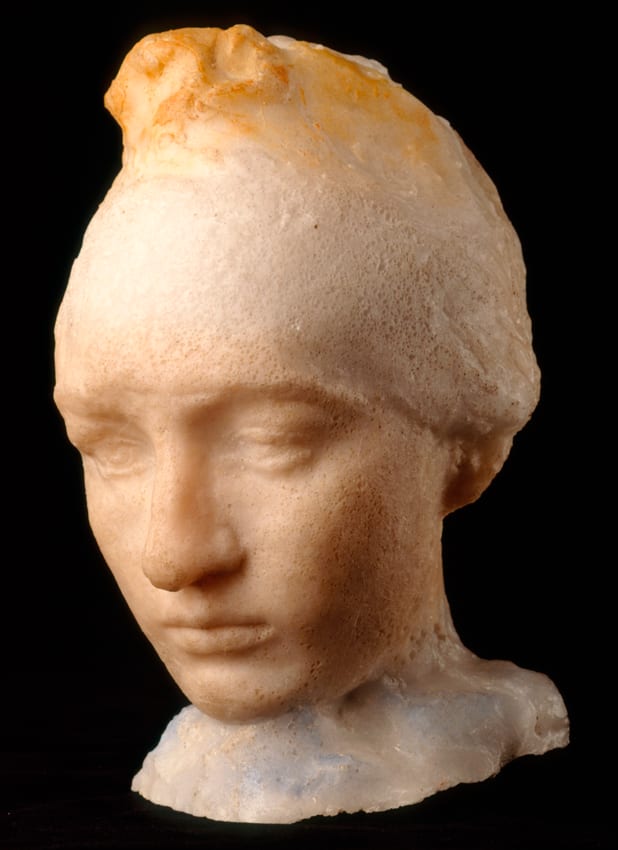
Head of Camille Claudel
Auguste Rodin · 1911
Museo Soumaya
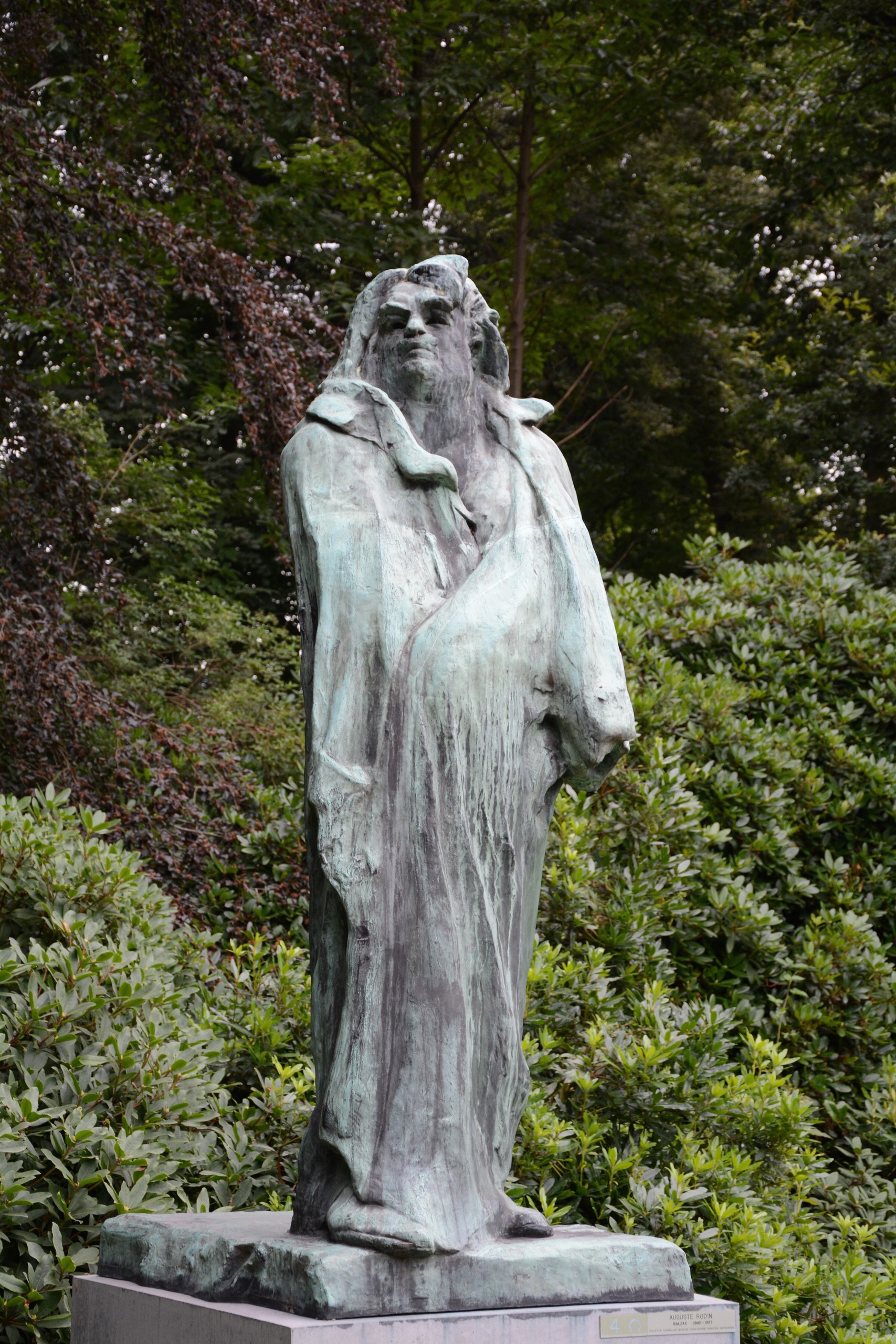
Monument to Balzac
Auguste Rodin · 1890
Ashmolean Museum
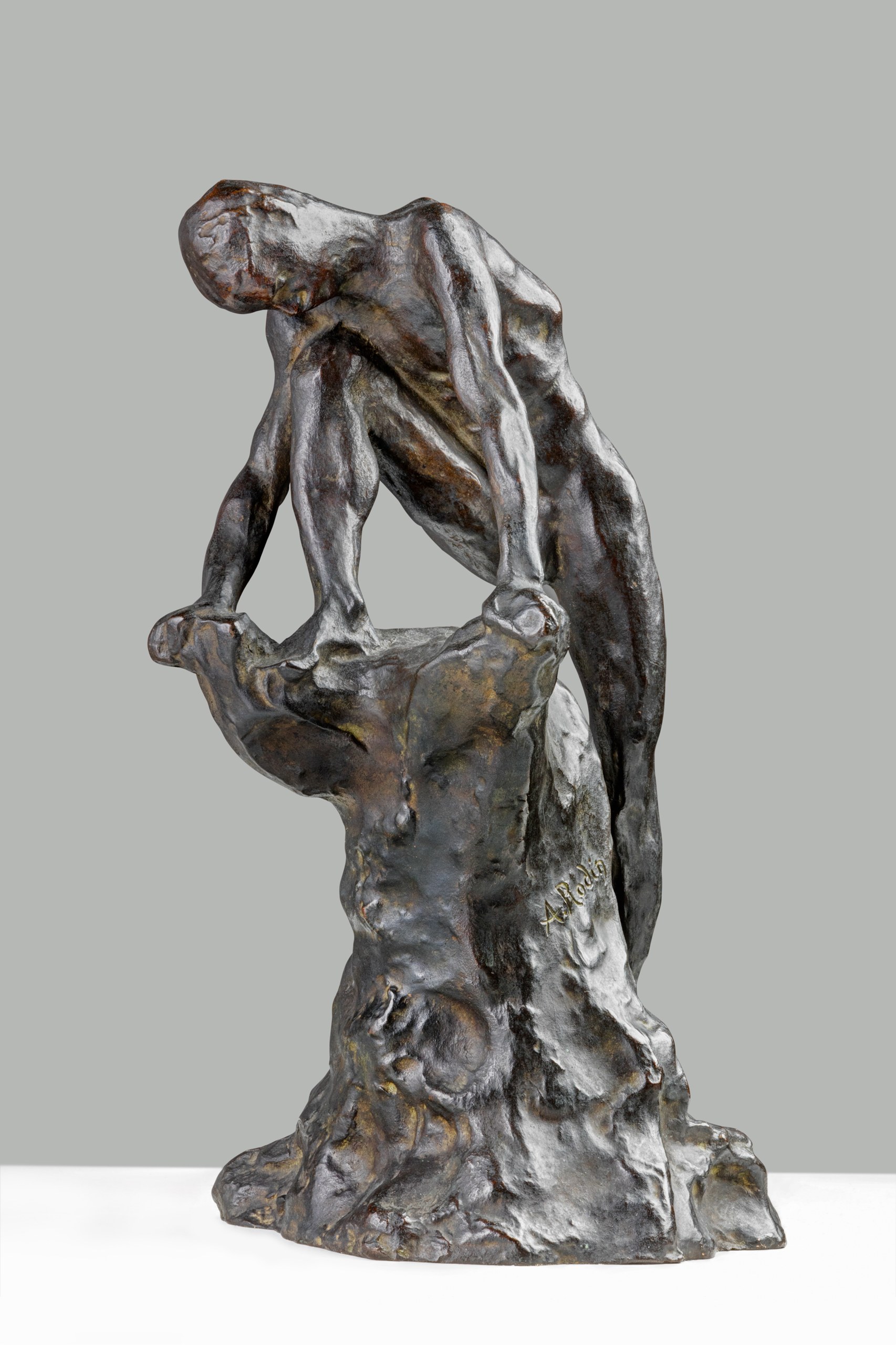
Polyphemus
Auguste Rodin · 1888
Museo Soumaya
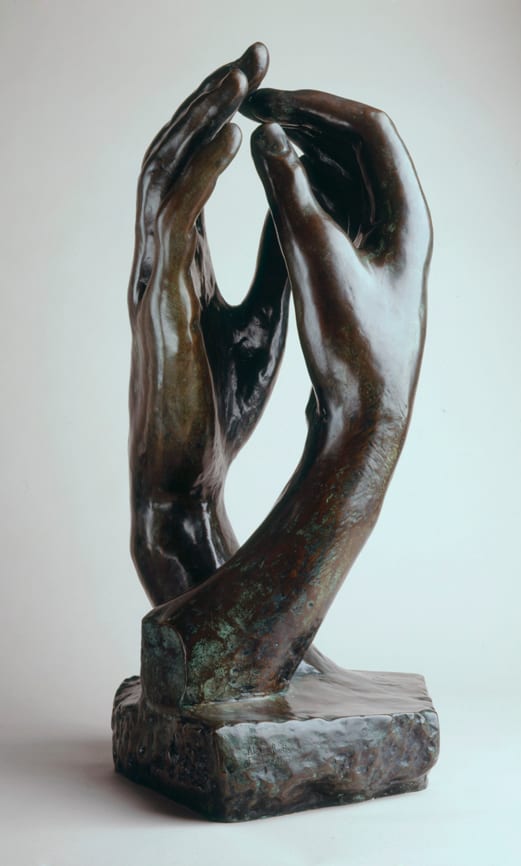
The cathedral
Auguste Rodin · 1908
Museo Soumaya