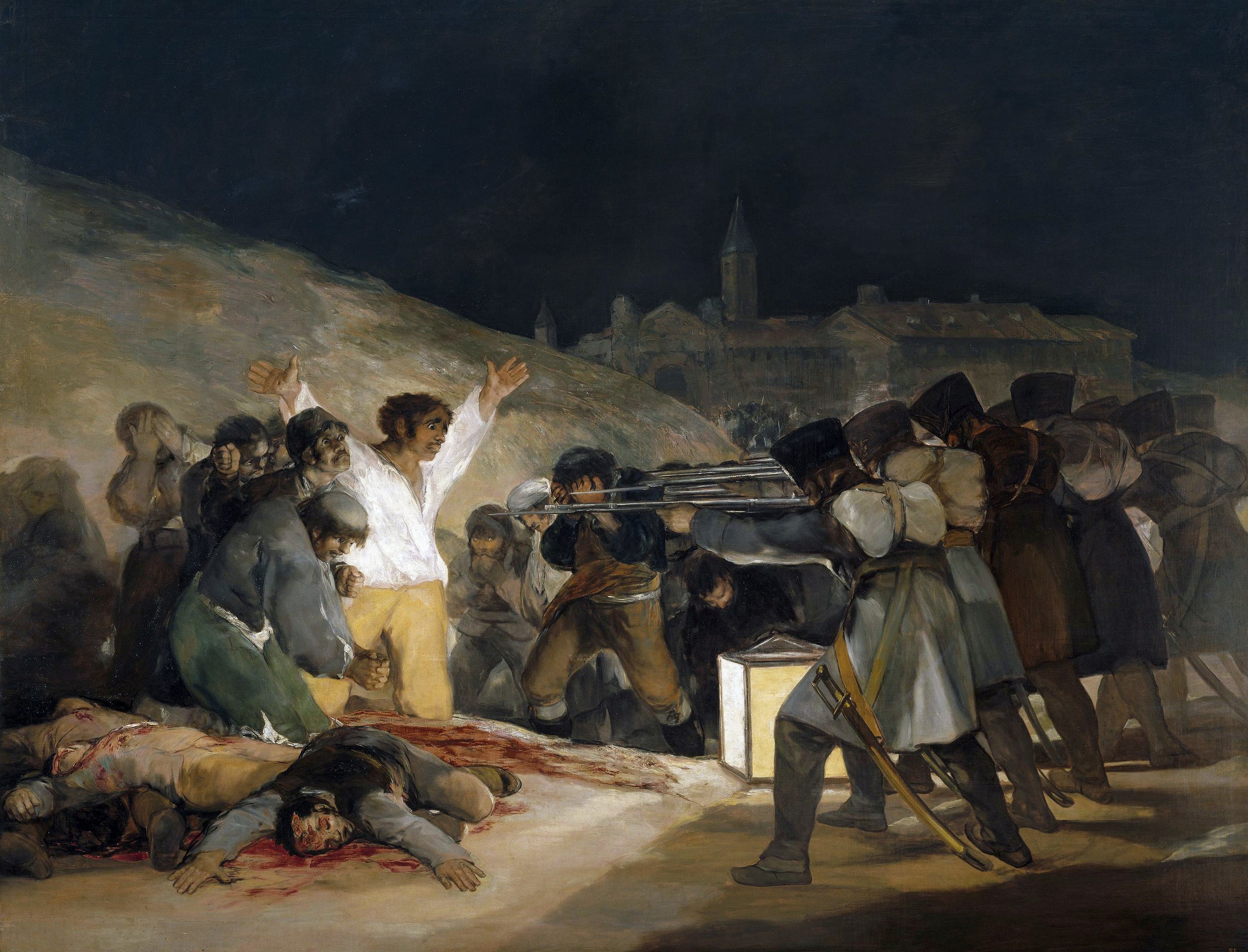
About this work
The Third of May 1808 in Madrid (commonly known as The Third of May 1808) and also known, in Spanish, as El tres de mayo de 1808 en Madrid or Los fusilamientos de la montaña del Príncipe Pío, or Los fusilamientos del tres de mayo, is a painting completed in 1814 by the Spanish painter Francisco Goya. In the work, Goya sought to commemorate Spanish resistance to Napoleon's armies during the occupation of Madrid in 1808 at the start of the Peninsular War. Along with its companion piece of the same size, The Second of May 1808 (or The Charge of the Mamelukes), it was commissioned by the provisional government of Spain at Goya's own suggestion shortly after the ousting of the French occupation and the restoration of King Ferdinand VII.
About Francisco Goya
Francisco José de Goya y Lucientes was a Spanish romantic painter and printmaker. He is considered the most important Spanish artist of the late 18th and early 19th centuries. His paintings, drawings, and engravings reflected contemporary historical upheavals and influenced important 19th- and 20th-century painters. Goya is often referred to as the last of the Old Masters and the first of the moderns. He is widely regarded as one of the most influential figures in the history of Western art.
Where it hangs
The Third of May 1808 is in the collection of Museo del Prado.
More by Francisco Goya
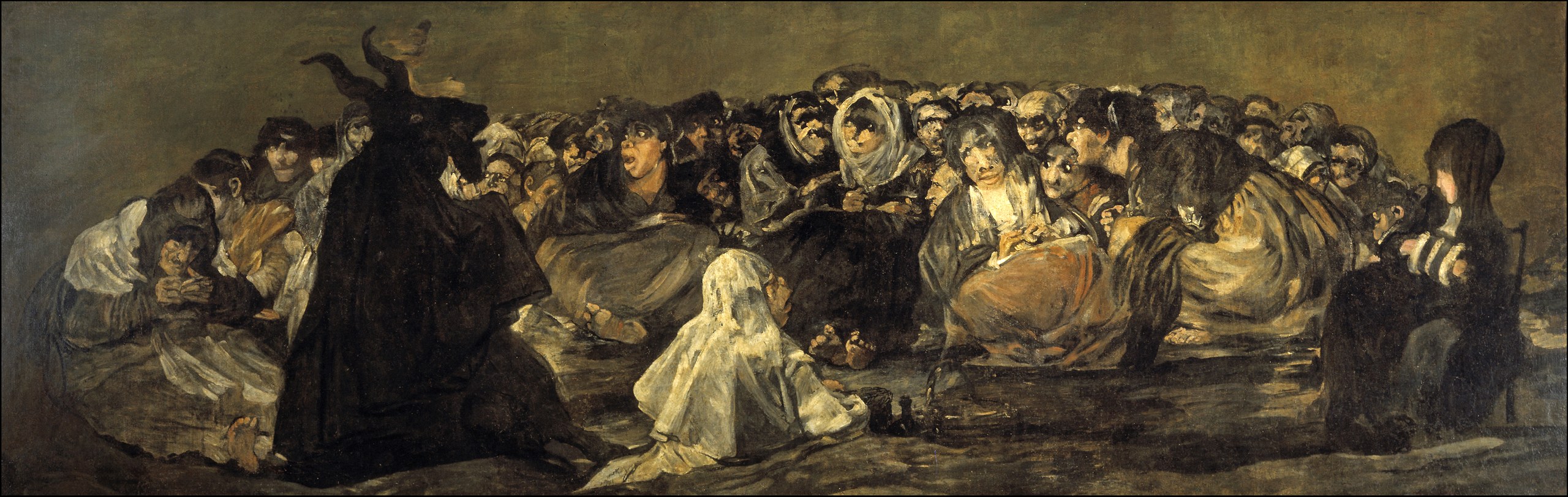
Witches' Sabbath
Francisco Goya · 1820
Museo del Prado
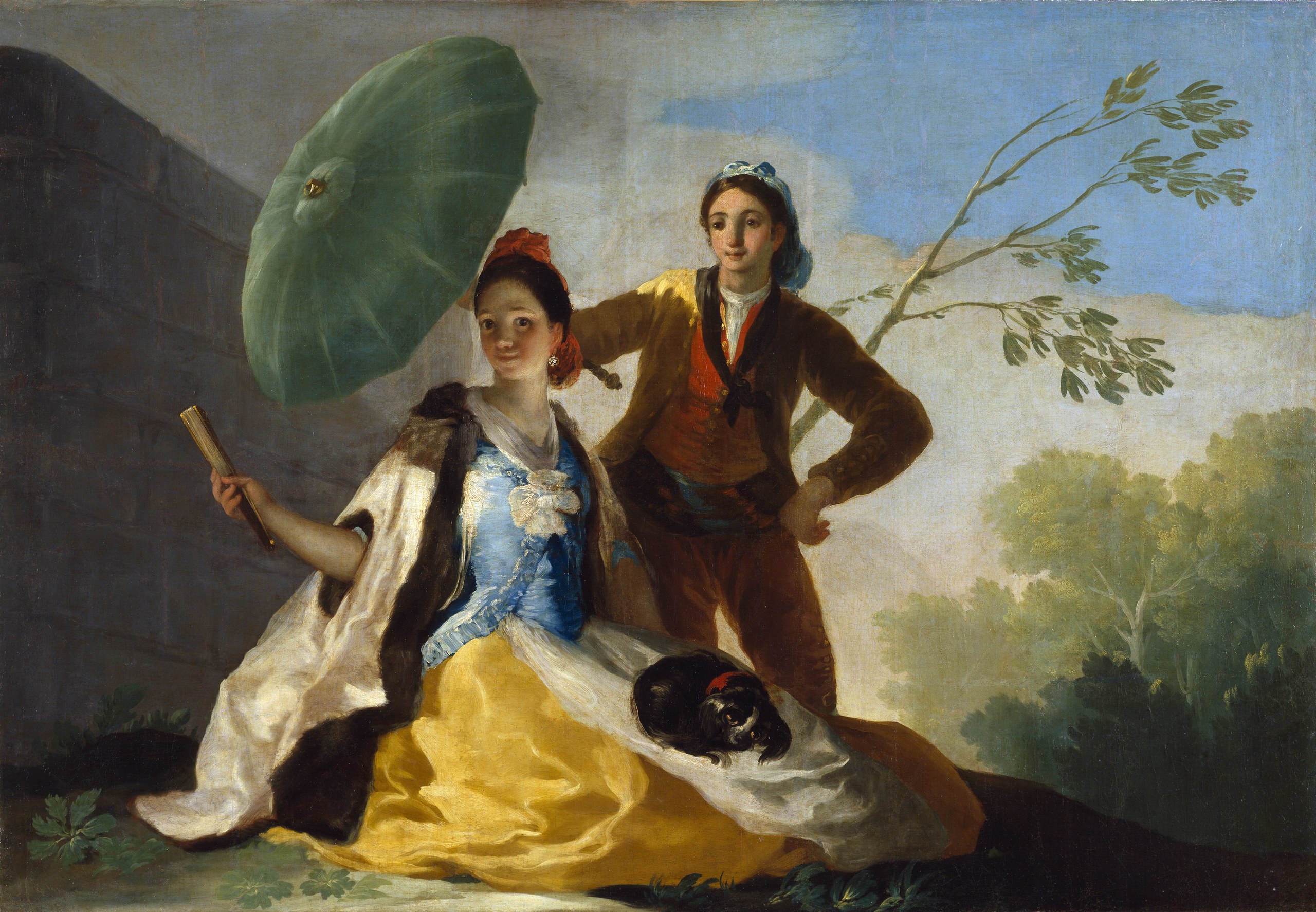
The Parasol
Francisco Goya · 1777
Museo del Prado
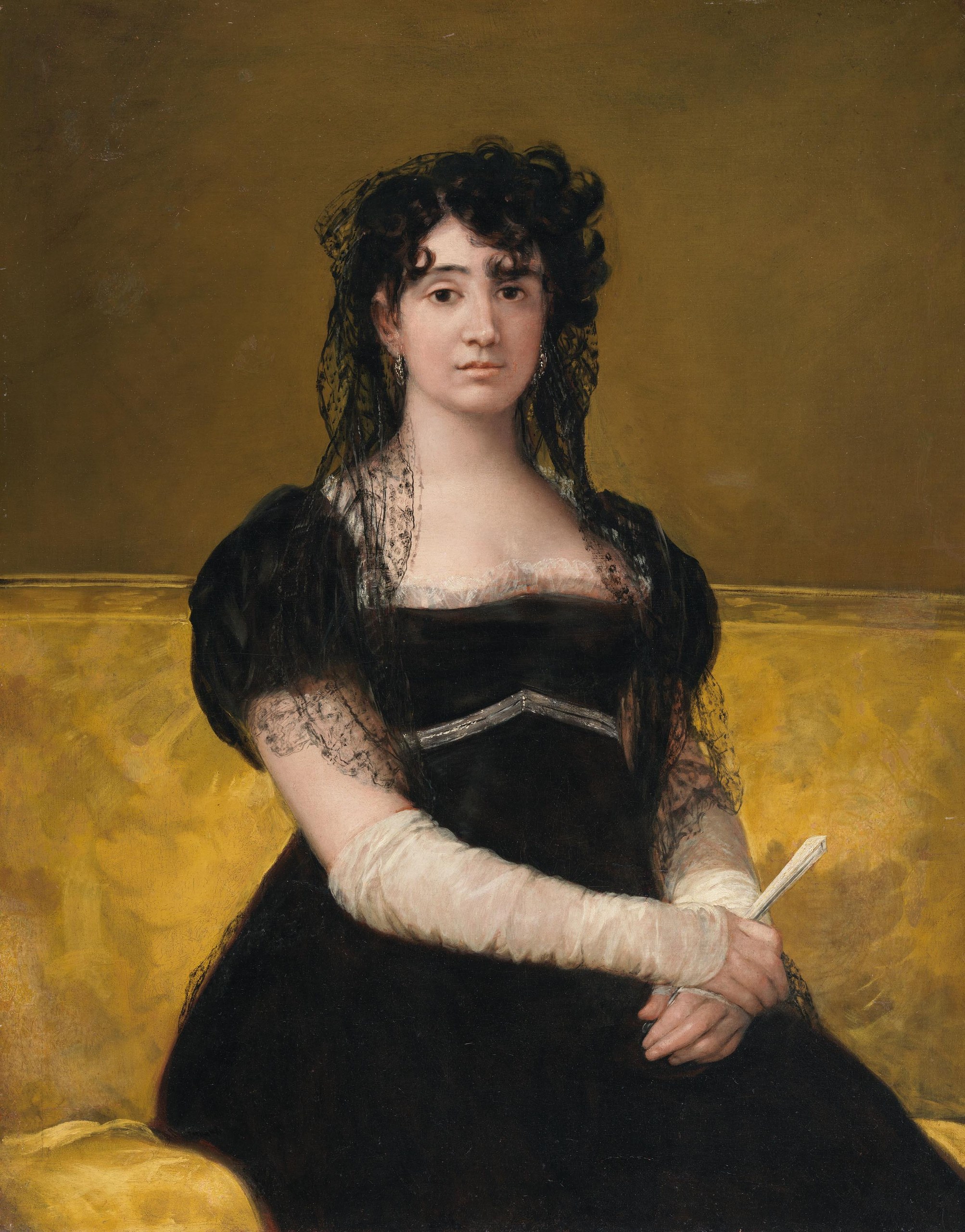
Portrait of Doña Antonia Zárate
Francisco Goya · 1805
National Gallery of Ireland
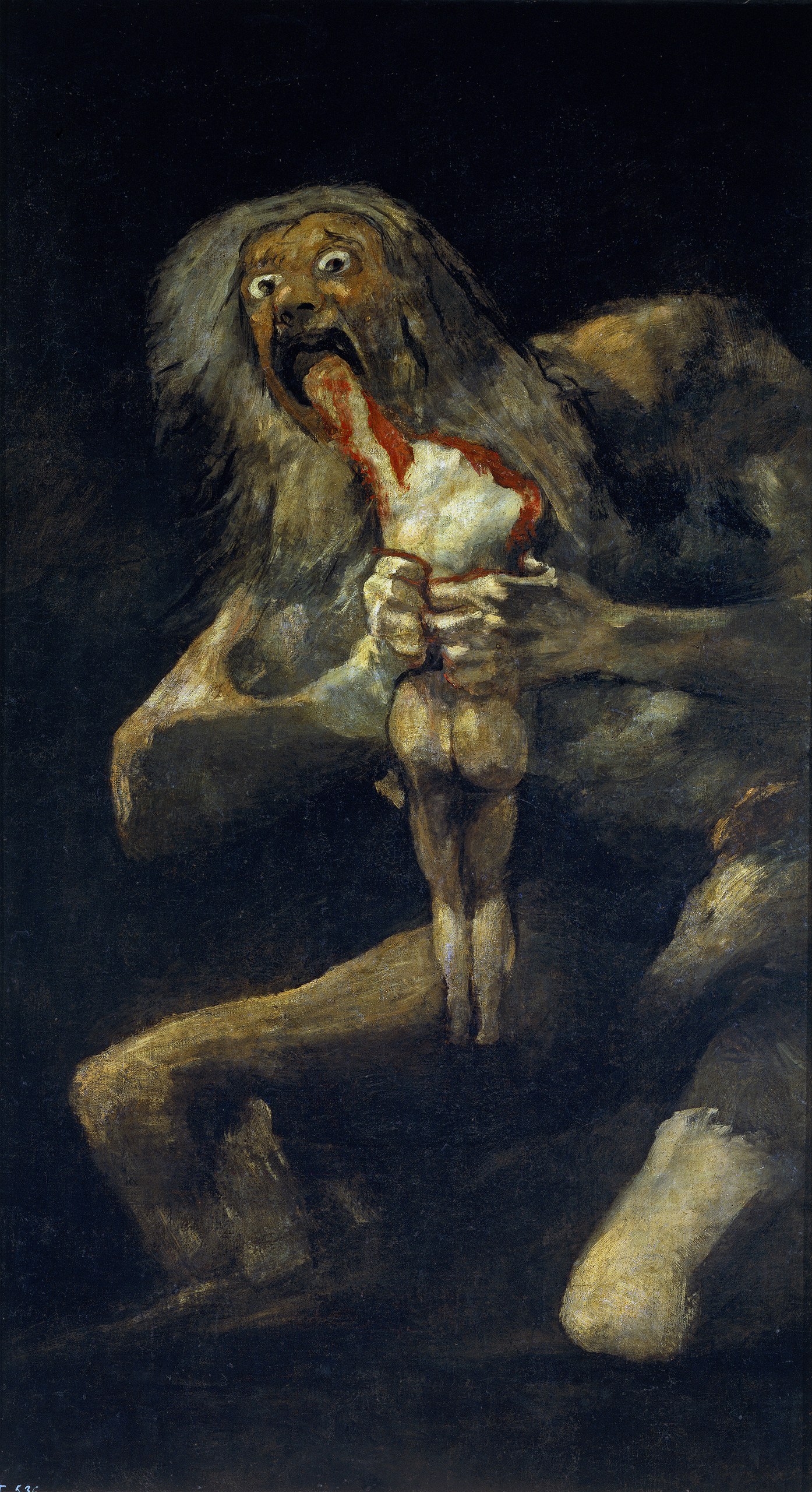
Saturn Devouring His Son
Francisco Goya · 1820
Museo del Prado
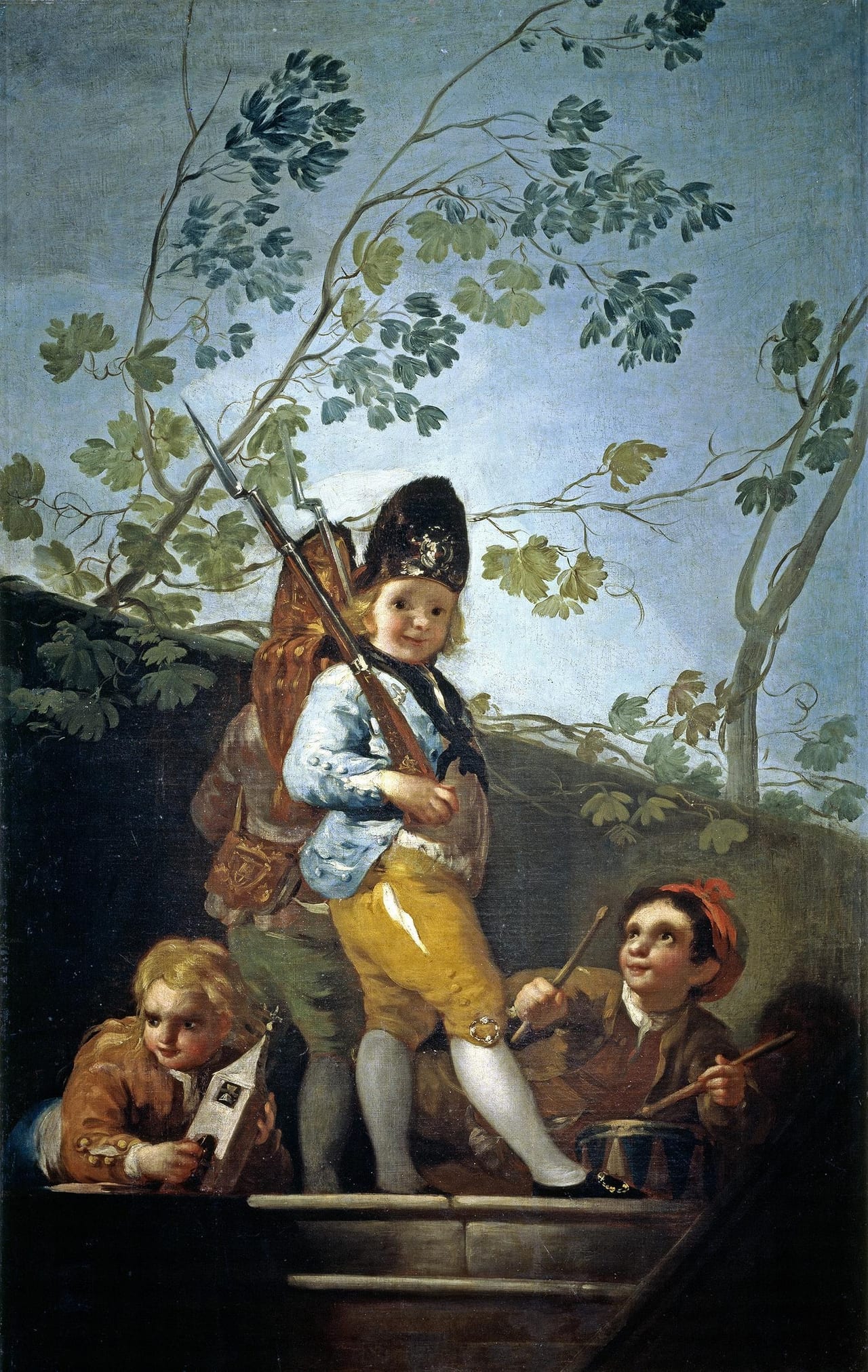
Boys playing soldiers
Francisco Goya · 1778
Museo del Prado
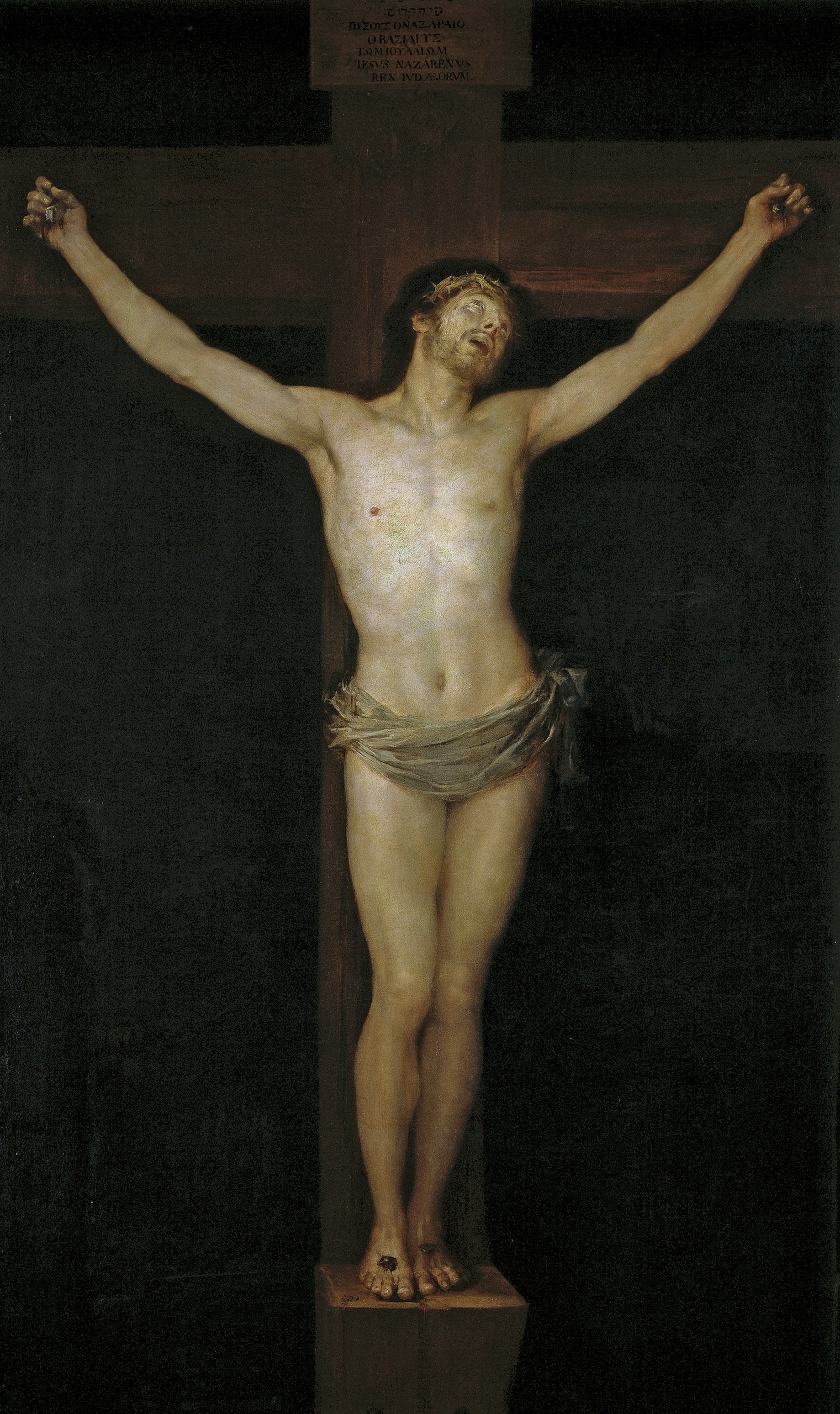
Christ Crucified
Francisco Goya · 1780
Museo del Prado