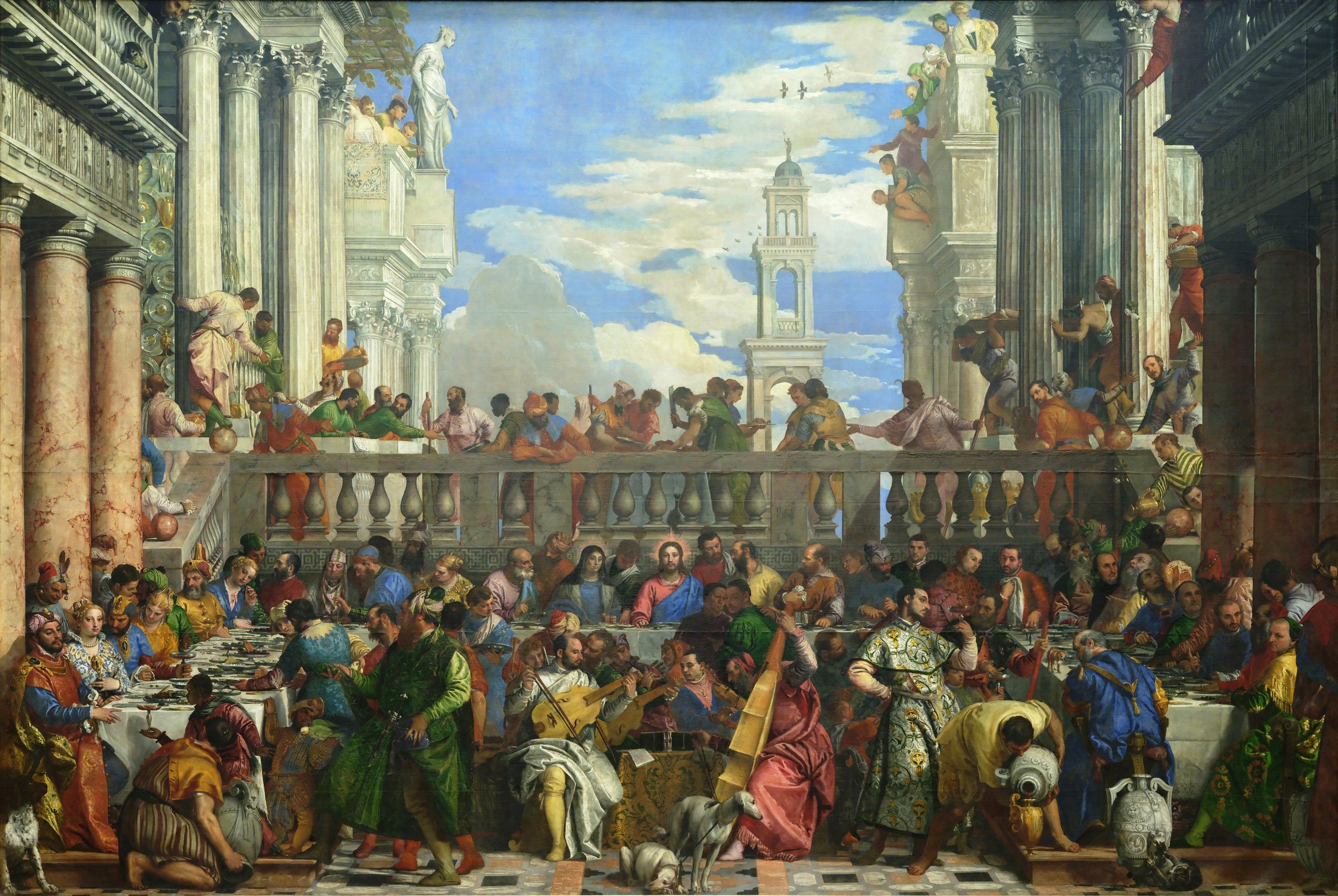
About this work
The Wedding at Cana, by Paolo Veronese, is a representational painting that depicts the biblical story of the Wedding at Cana, at which Jesus miraculously converts water into red wine (John 2:1, 11). Executed in the Mannerist style (1520 to 1600) of the late Renaissance, the large-format (6.77 m × 9.94 m or 22 ft 3 in × 32 ft 7 in) oil painting comprehends the stylistic ideal of compositional harmony, as practised by the artists Leonardo, Raphael, and Michelangelo. The art of the High Renaissance (1490 to 1527) emphasised human figures of ideal proportions, balanced composition, and beauty, whereas Mannerism exaggerated the Renaissance ideals, of figure, light, and colour, with asymmetric and unnaturally elegant arrangements achieved by flattening the pictorial space and distorting the human figure as an ideal preconception of the subject, rather than as a realistic representation.
About Paolo Veronese
Paolo Caliari, known as Paolo Veronese, was an Italian Renaissance painter based in Venice, known for extremely large history paintings of religion and mythology, such as The Wedding at Cana (1563) and The Feast in the House of Levi (1573). Included with Titian, a generation older, and Tintoretto, a decade senior, Veronese is one of the "great trio that dominated Venetian painting of the cinquecento" and the Late Renaissance in the 16th century. Known as a supreme colorist, and after an early period with Mannerism, Paolo Veronese developed a naturalist style of painting, influenced by Titian.
Where it hangs
The Wedding at Cana is in the collection of Louvre.
More by Paolo Veronese
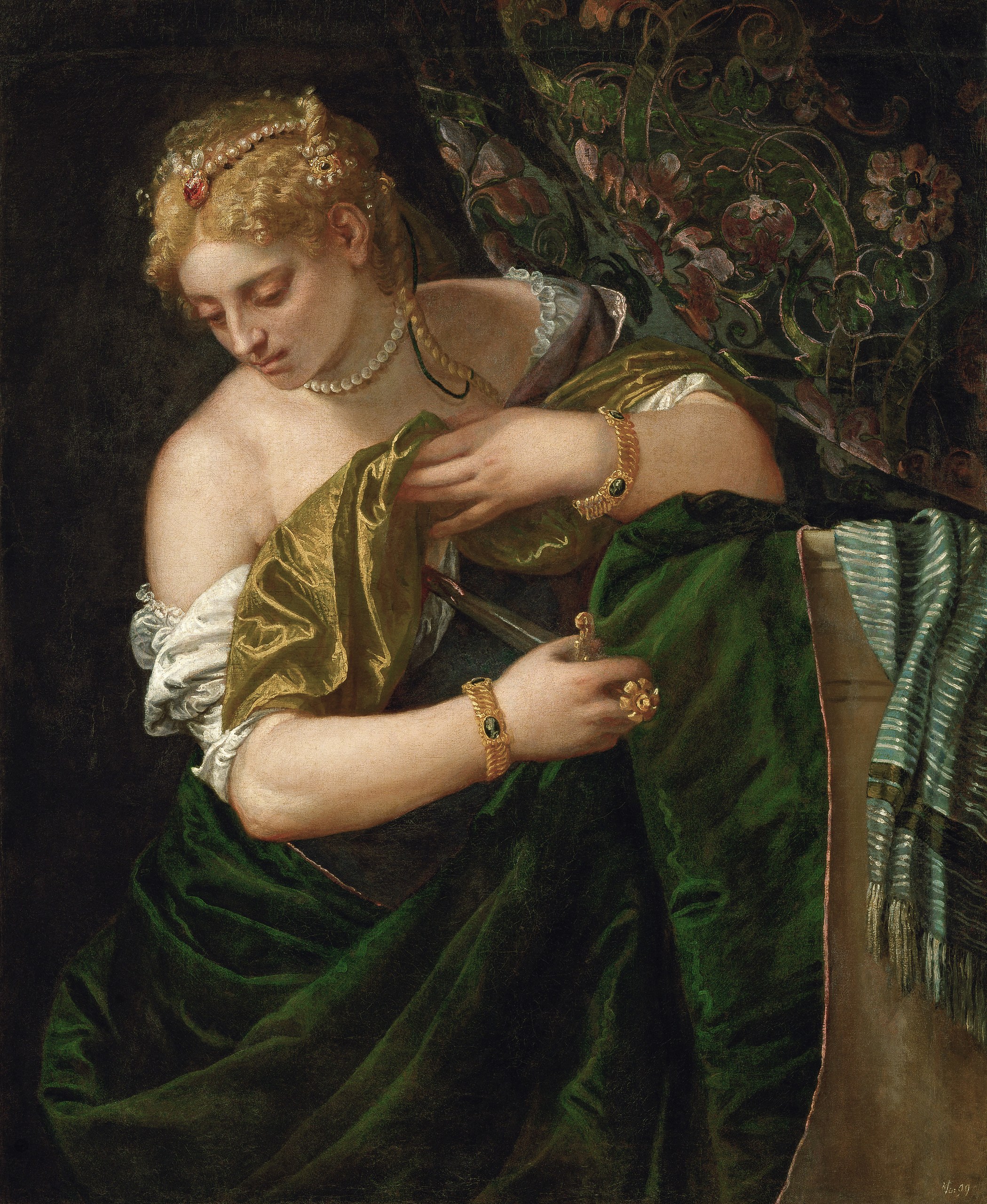
Lucretia
Paolo Veronese · 1580
Kunsthistorisches Museum
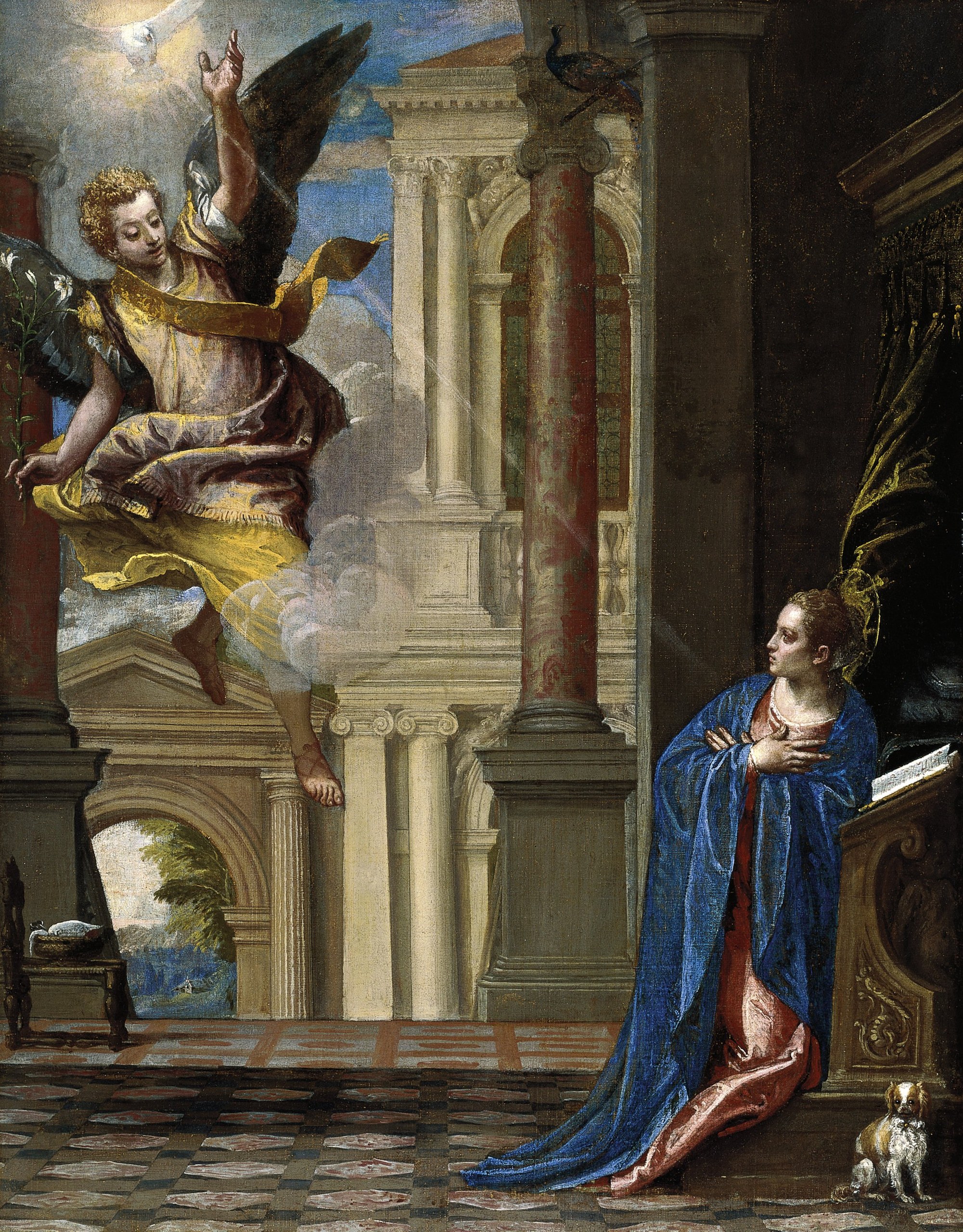
The Annunciation
Paolo Veronese · 1560
Thyssen-Bornemisza Museum
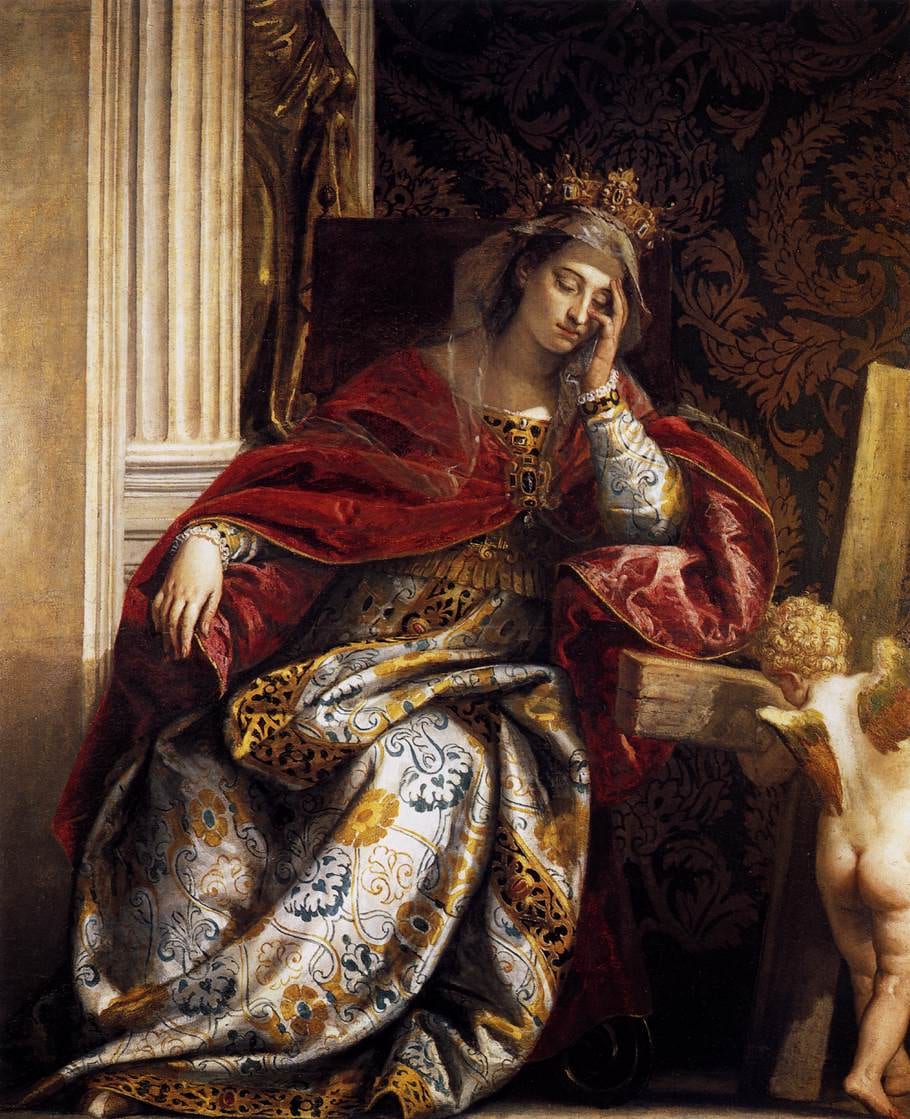
The Vision of St. Helena
Paolo Veronese · 1580
Vatican Museums
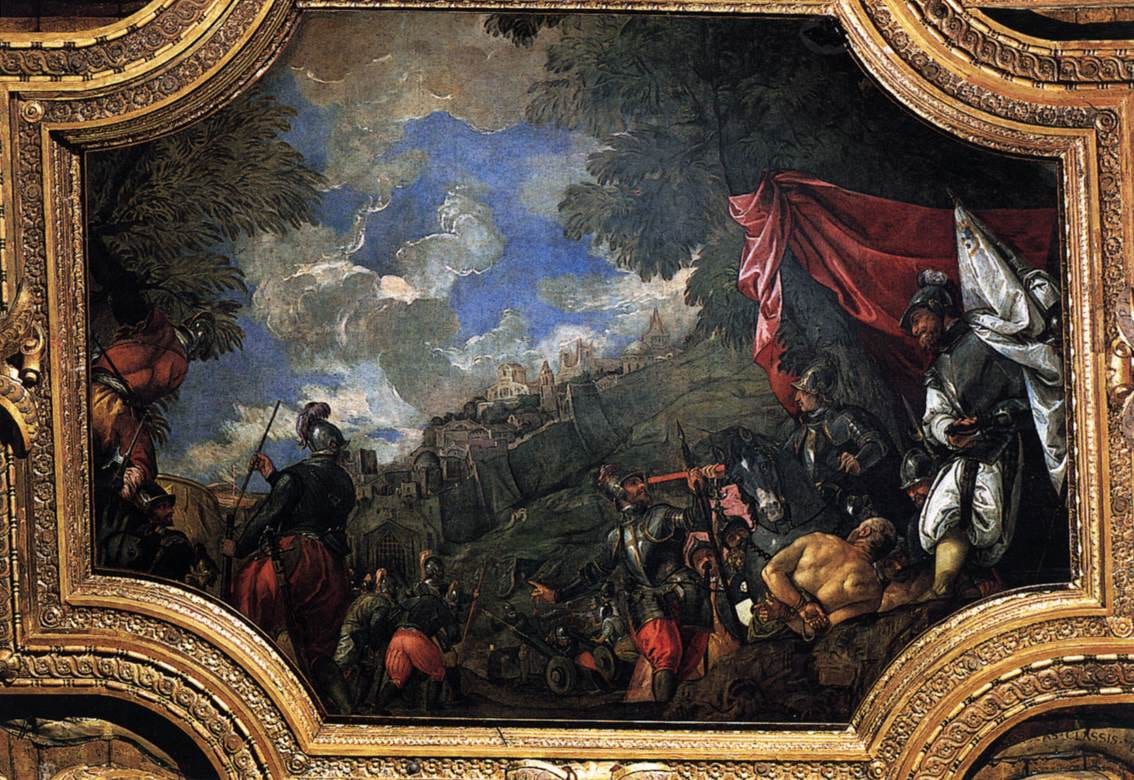
Conquest of Smyrna
Paolo Veronese · 1585
Doge's Palace
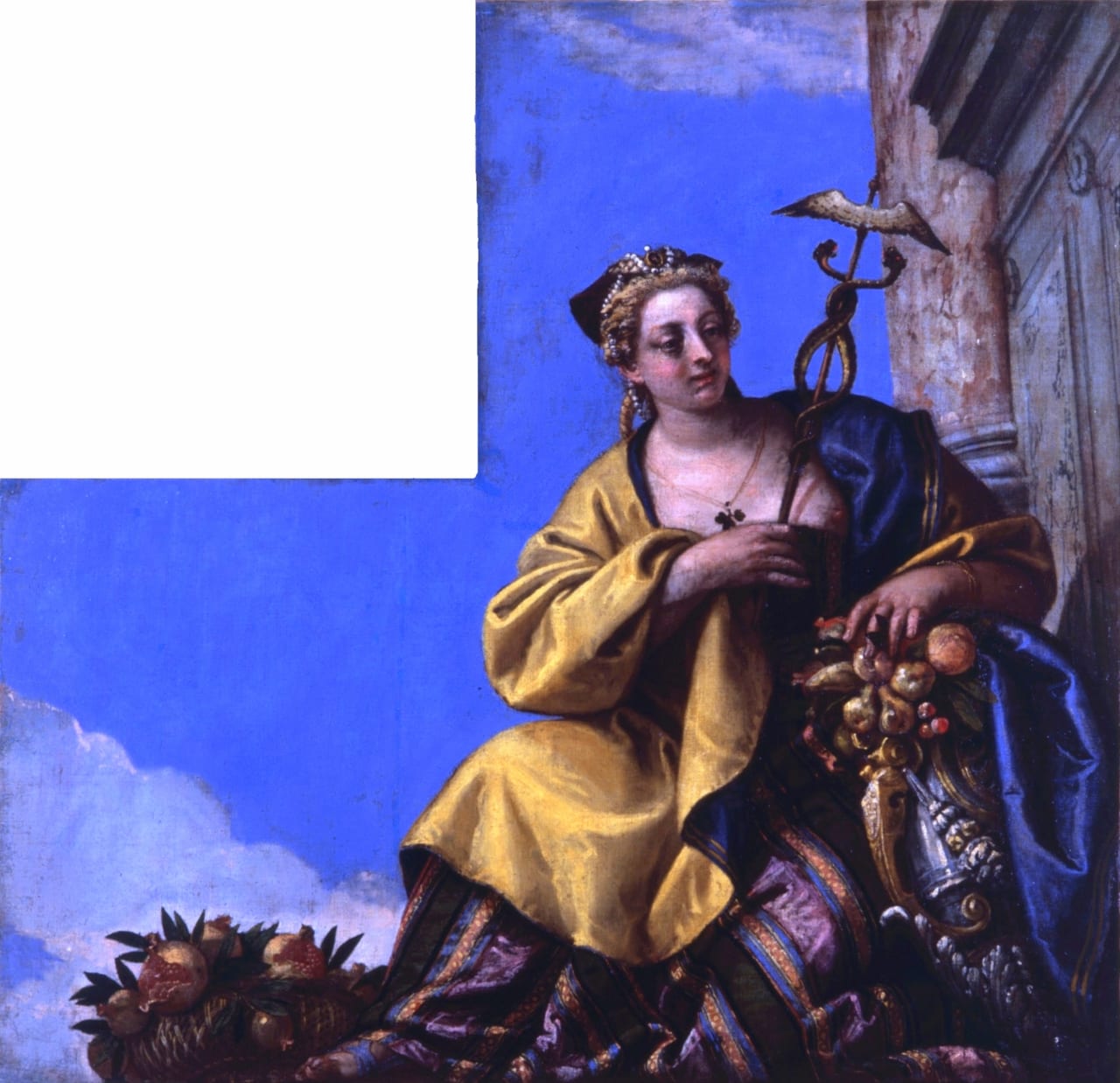
Prosperity
Paolo Veronese
Doge's Palace
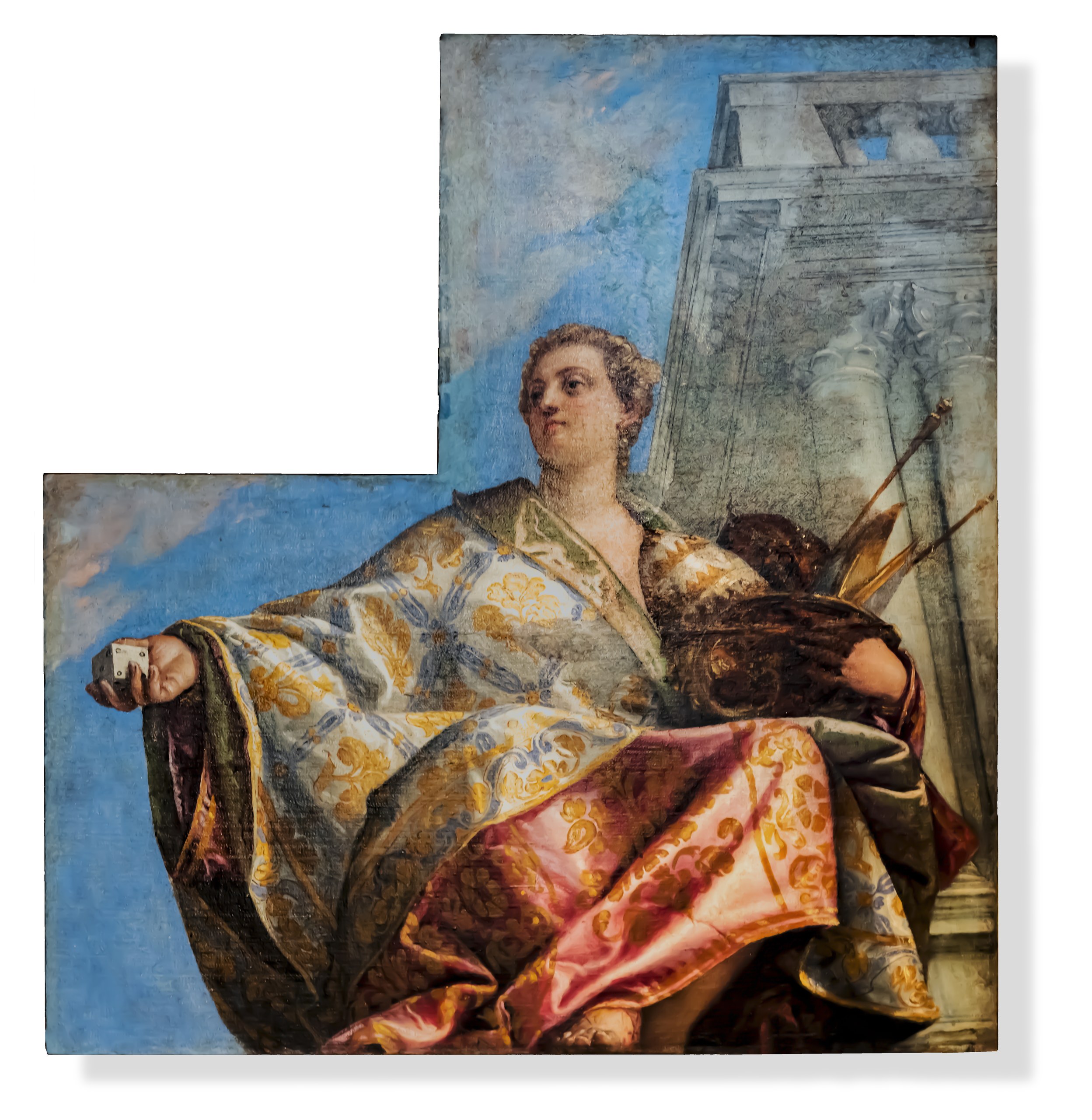
Reward
Paolo Veronese · 1575
Doge's Palace