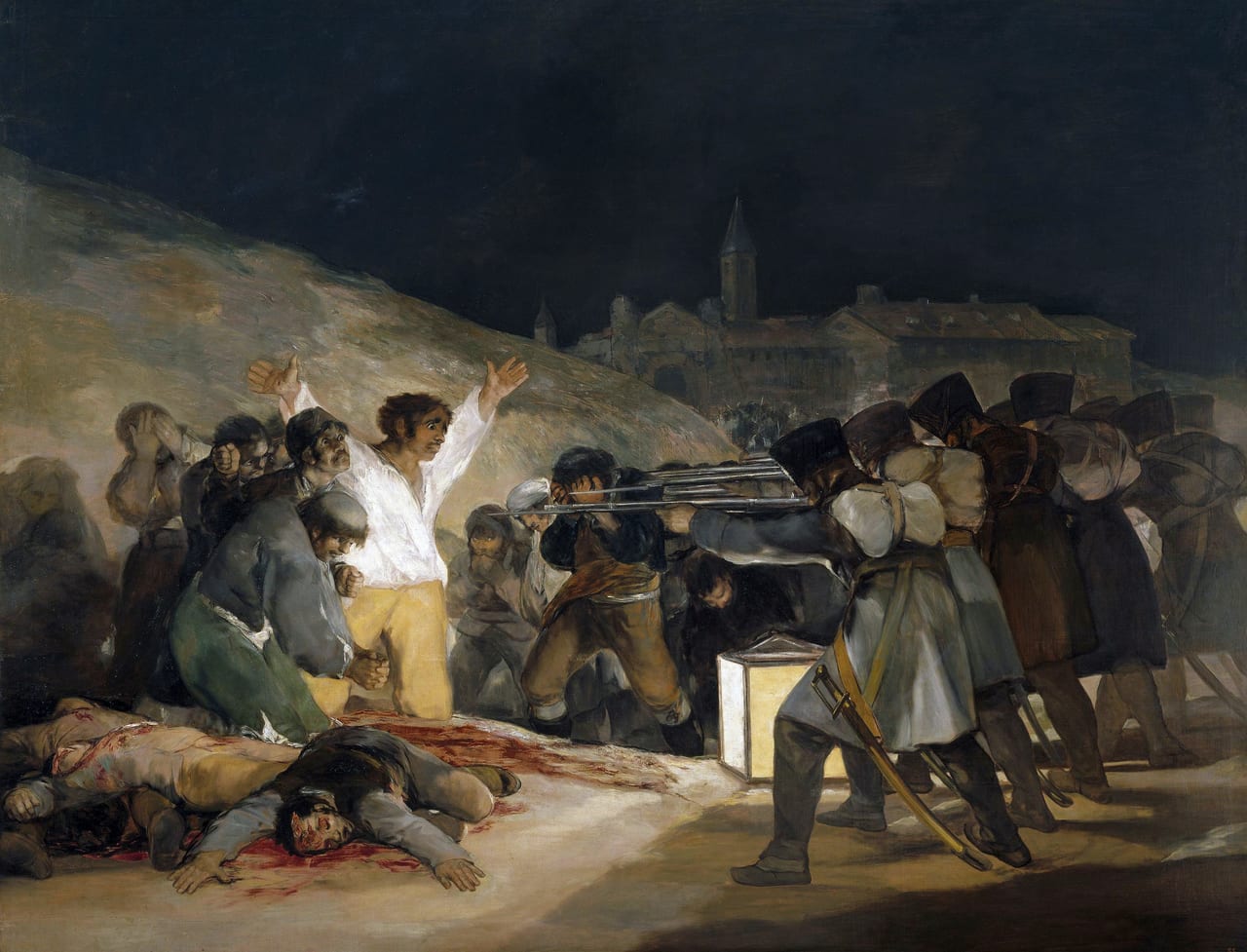
The Third of May 1808
Francisco Goya · 1814

Romanticism
Feeling set loose against reason's fence: between roughly 1780 and 1830, painters and poets across Europe made emotion, wild nature and the troubled self the proper business of art.
Play 9 works from this collection on your TV, phone or tablet with Momentable Art TV.
Play CollectionA new emotionalism
Romanticism named a change that swept art and literature together: a fresh attention to psychology, to the expression of personal feeling, and to the natural world. It set itself against the classical tradition that had ruled taste for two centuries, and the change was at its strongest from about 1780 to 1830.
What held it together was not a style but a temperature: emotion preferred to restraint, the singular to the rule. The movement was never only French or only painterly. Goya worked alone in Spain, Friedrich in Germany, and the novels the era produced belong to it as firmly as the canvases.
Nature and the sublime
In Britain the new feeling entered through landscape: Constable and Turner each answered nature in a way no painter had before, one patient and particular, the other dissolving form into weather. In Germany, Friedrich painted figures from behind, set against fog, ice and evening, so that the view itself becomes a state of mind.
History painting changed with it. Delacroix led the Romantic school in French painting, and Géricault's shipwreck made modern disaster a subject for grand art. The Gothic and the night had their painters too: Fuseli's dreams and Wright of Derby's candlelit experiments gave shadow a seriousness it had not carried before.
Artists
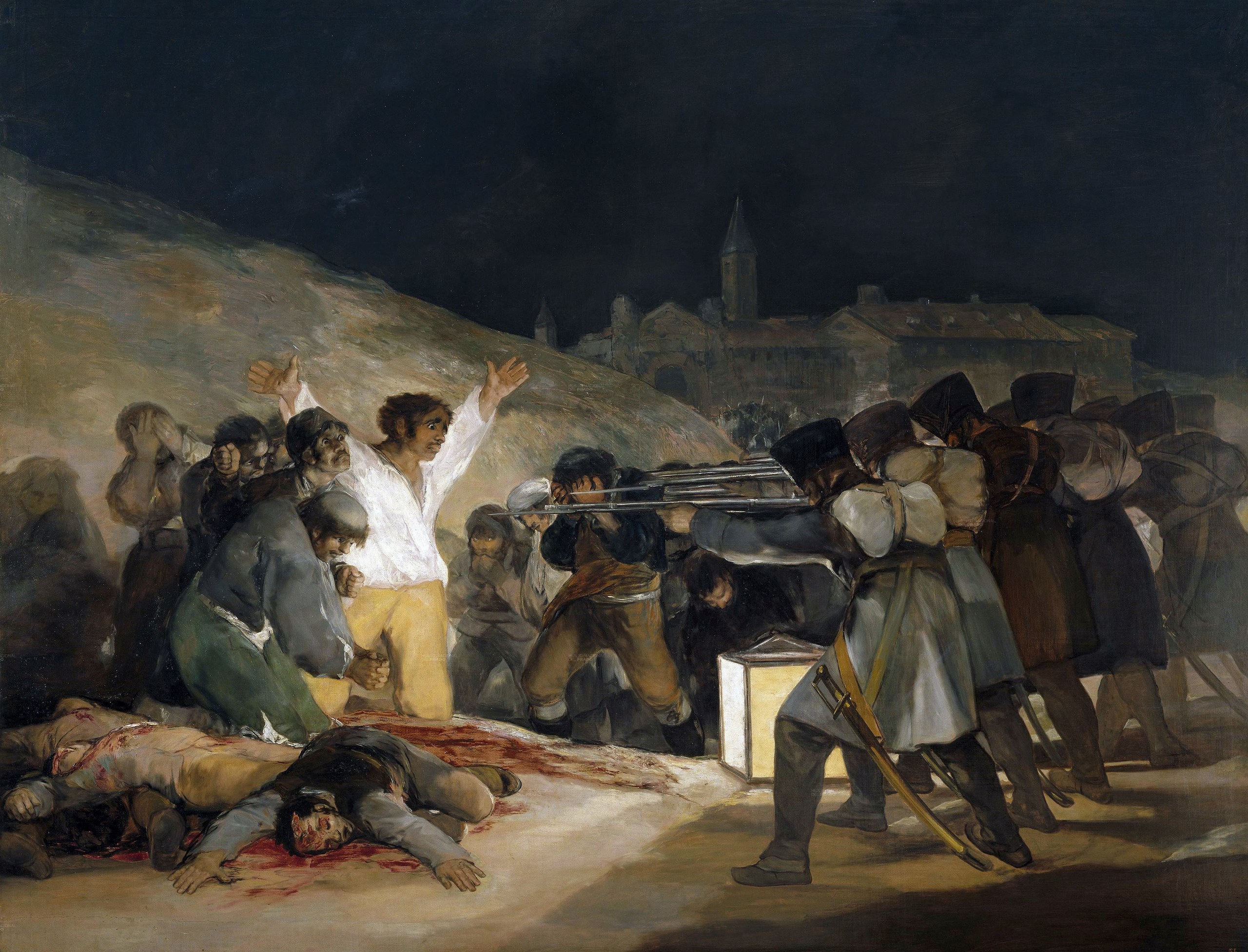
The leading Spanish painter and etcher of his age, serving three kings while etching the war that gutted his country; his late black paintings were made on the walls of his own house.
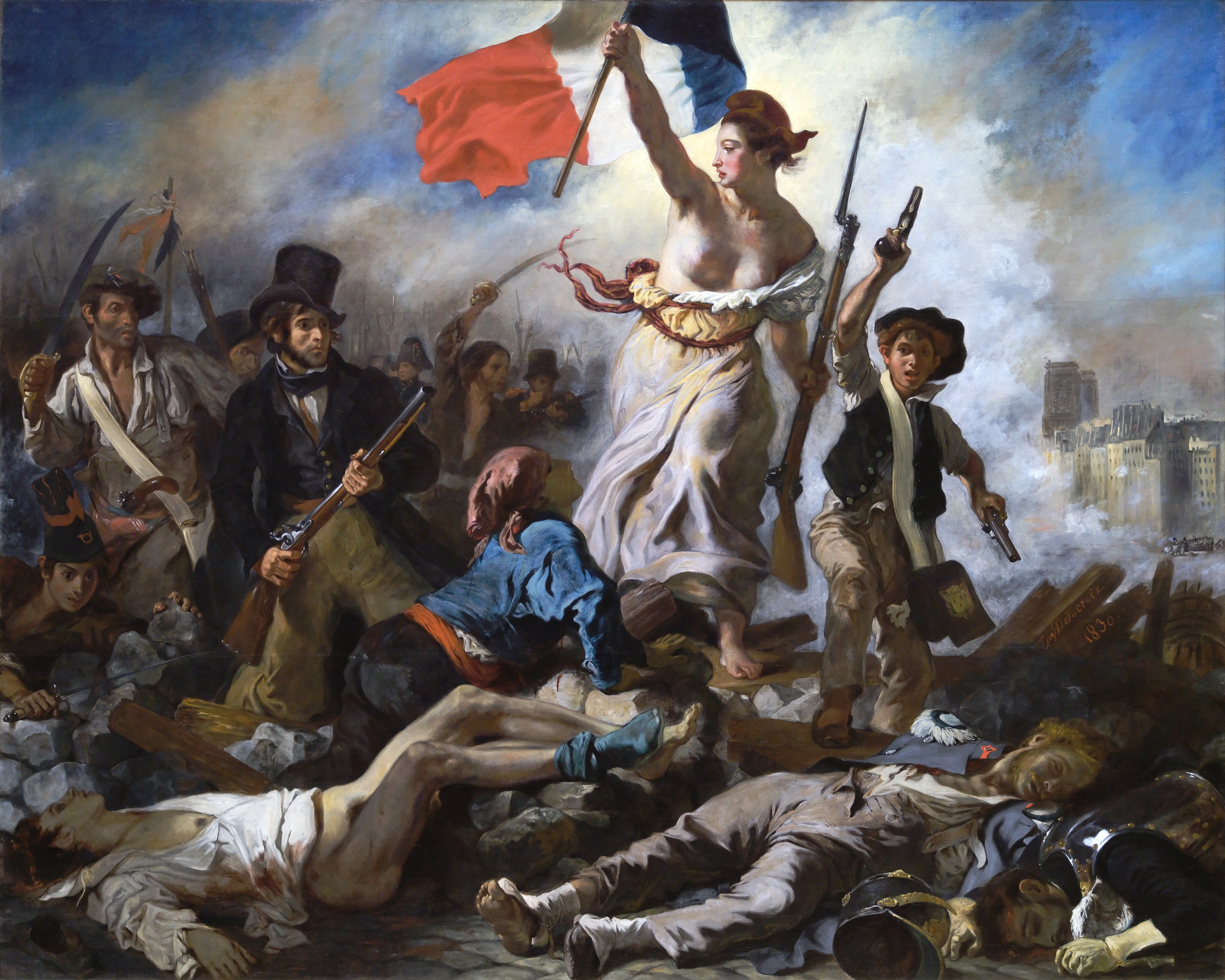
The driving force of Romanticism in French painting, who put freely brushed colour where the academy demanded precise drawing.
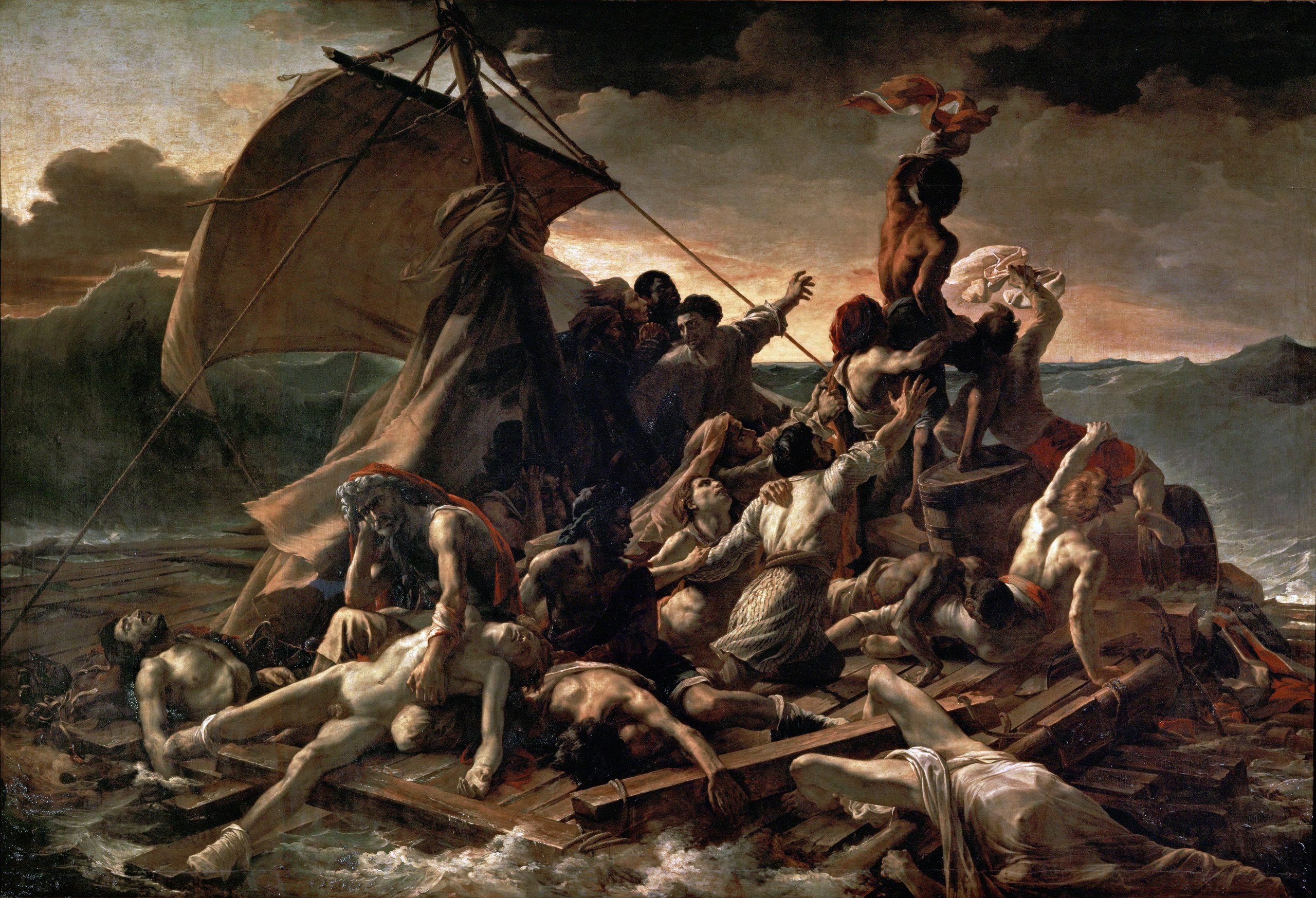
His name fixed by one vast shipwreck picture painted at 27, held up ever since as an icon of the movement.
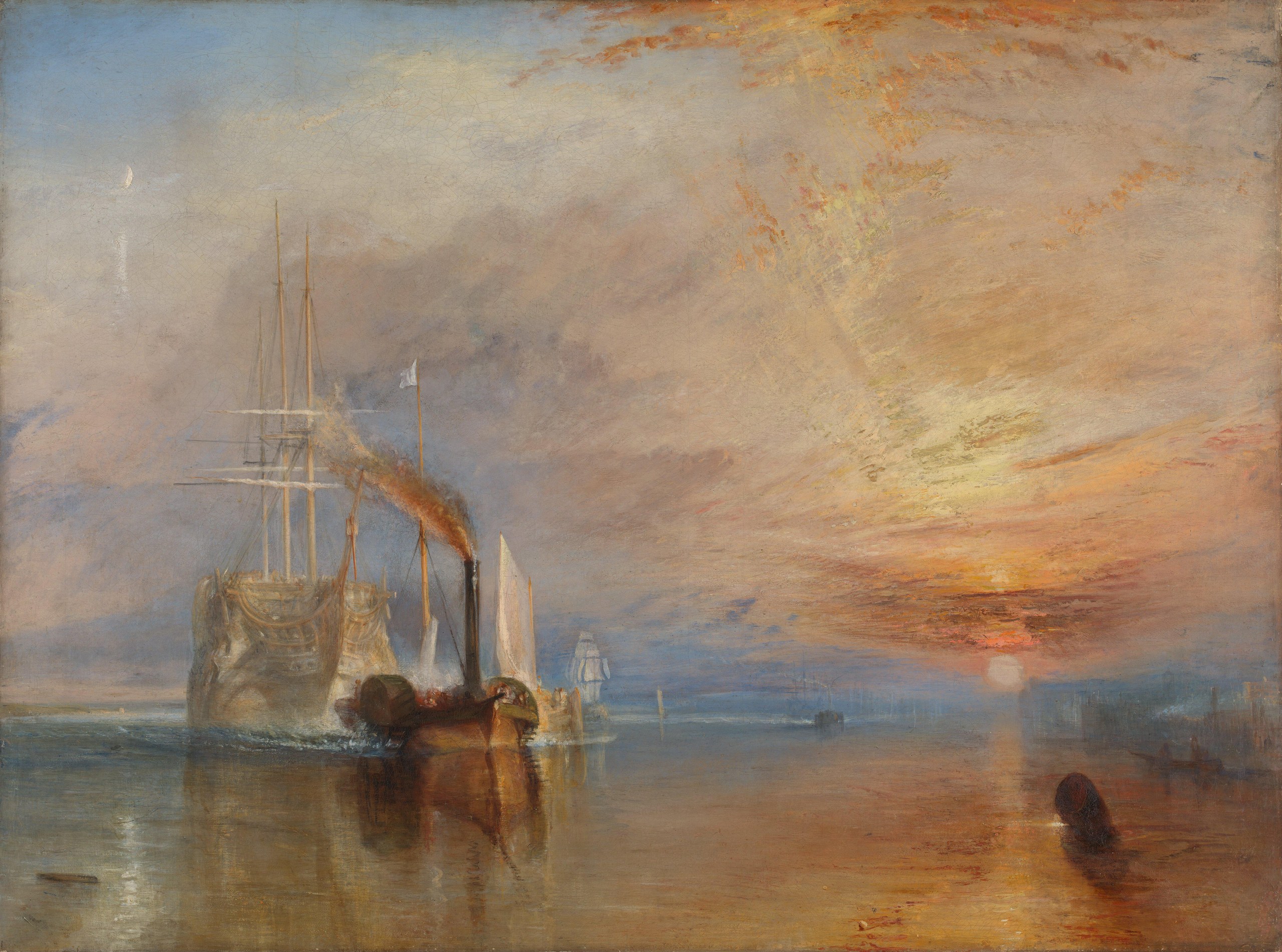
A Londoner from Covent Garden, trained at the Royal Academy Schools from 1789, who turned landscape into light, steam and weather.
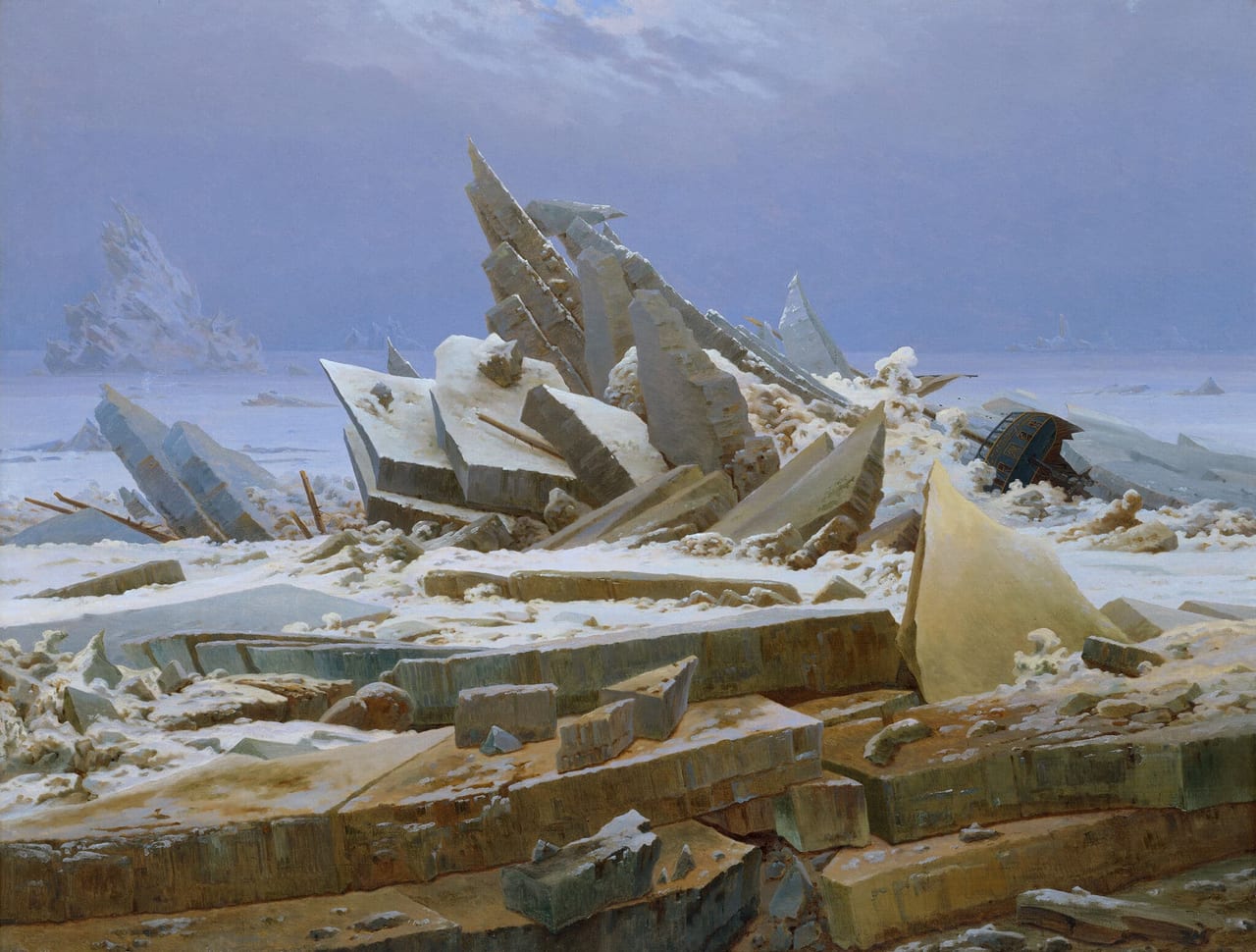
Born in Swedish Pomerania and settled in Dresden among the movement's poets and scholars; his still figures, seen from behind, face ice, fog and moonrise.
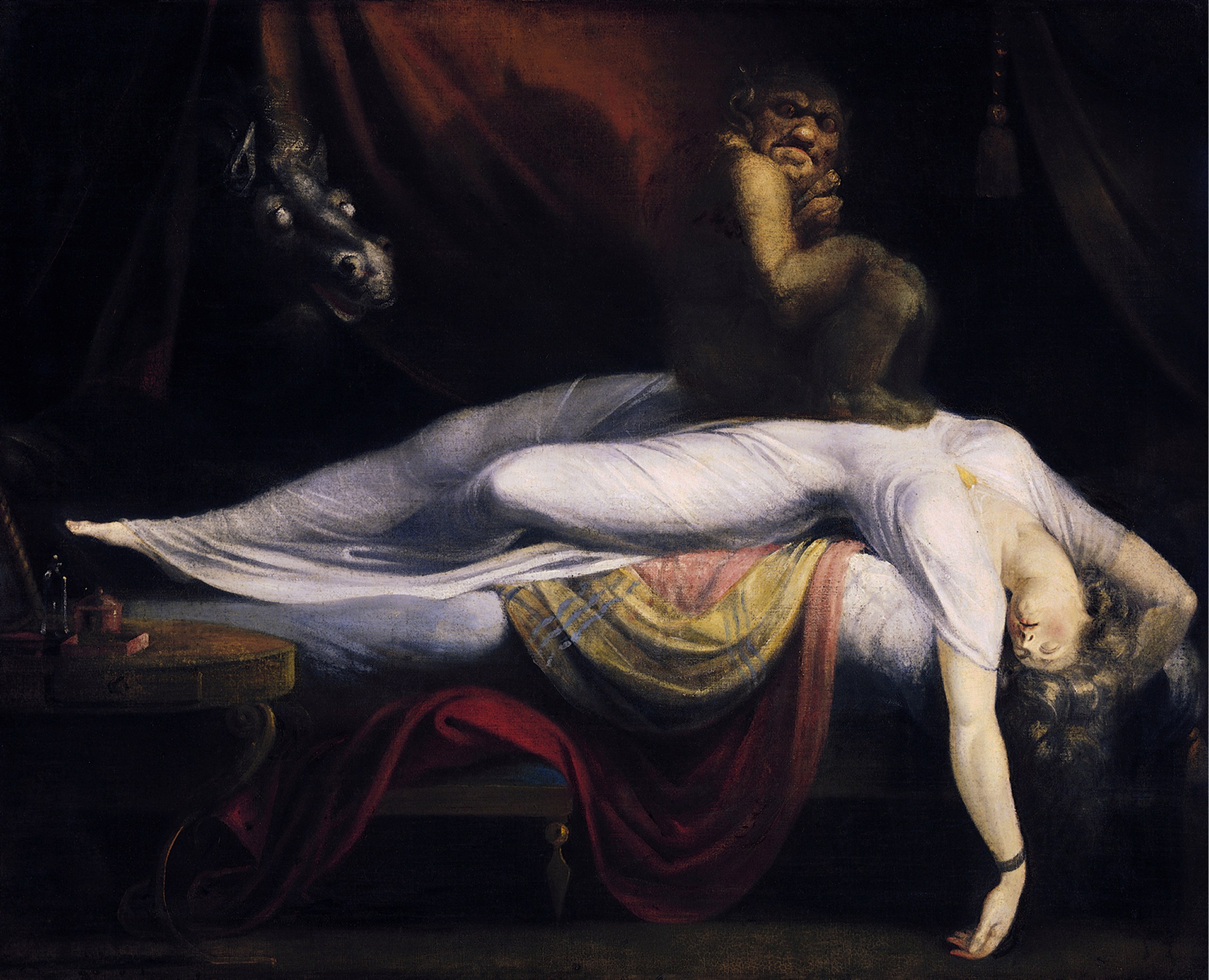
Named among the significant British painters of history subjects in the Romantic age; his dreams and demons fed the Gothic imagination of the century.
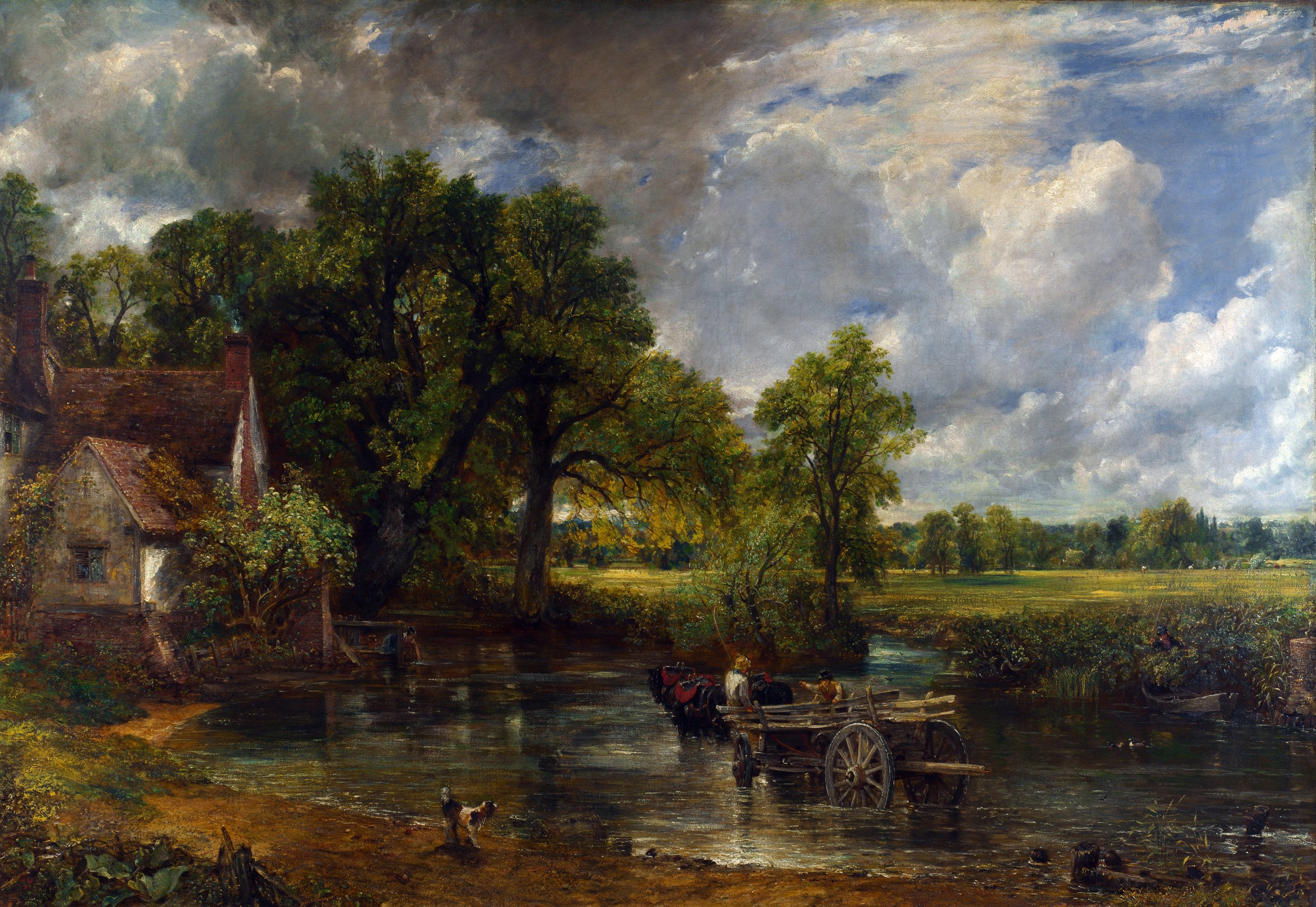
Painted the Suffolk countryside of his birth, working from open-air sketches built into large exhibition pictures.
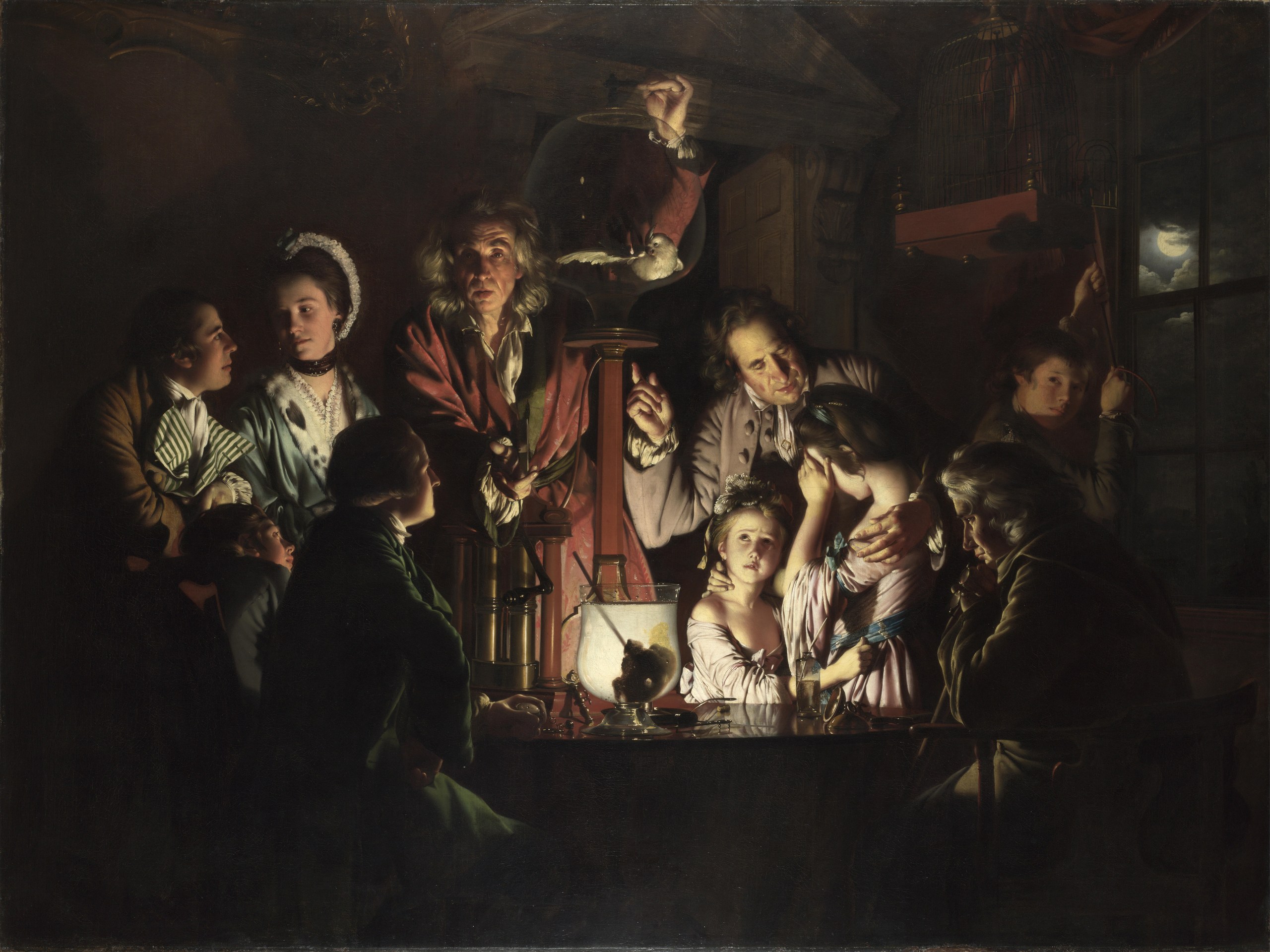
A candlelit painter whose interest was the drama of light and shade; his scientific scenes, given the gravity of history painting, stand at the movement's edge and door.
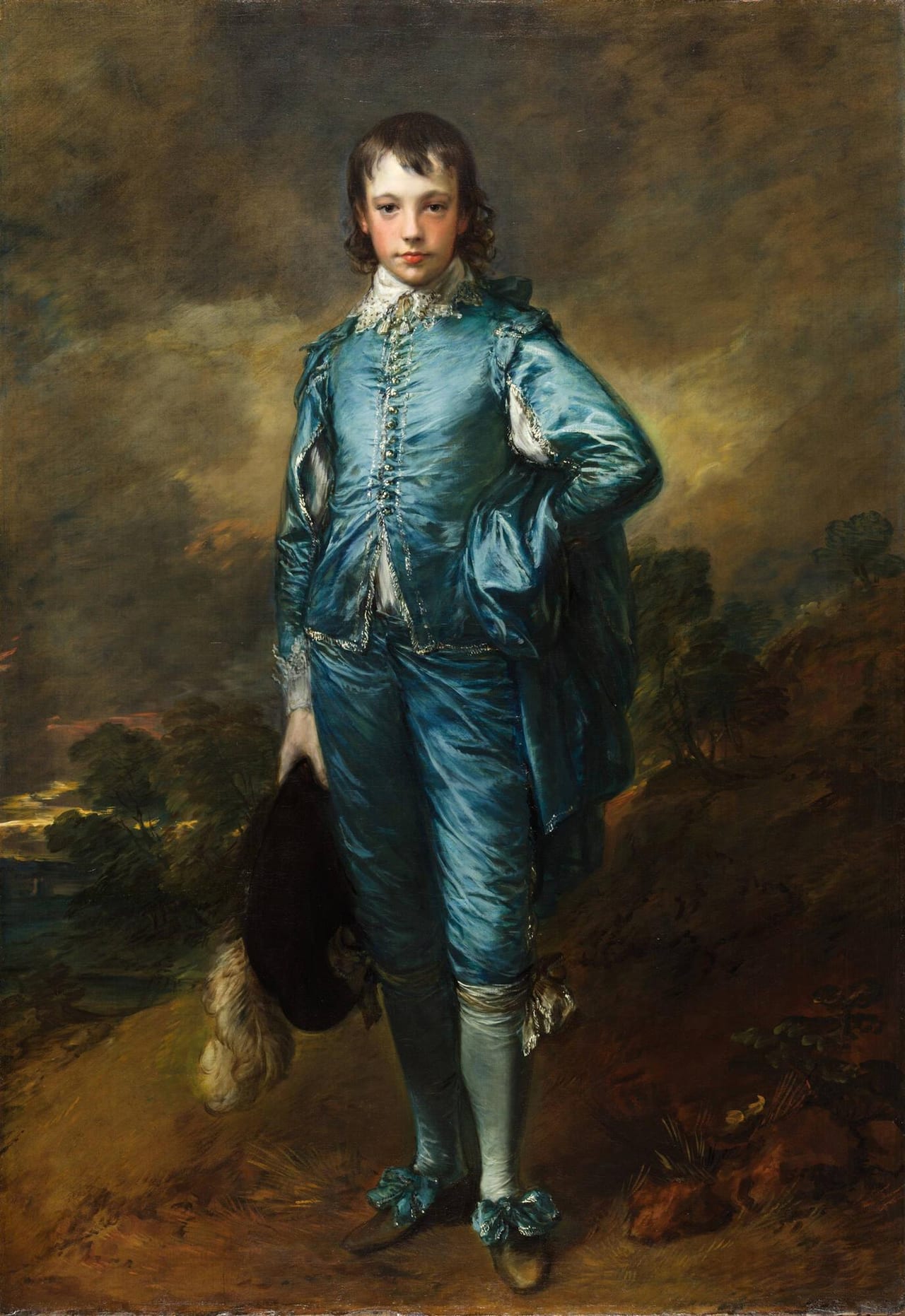
A precursor rather than a member: an English portraitist of the generation before the movement, whose full-length Blue Boy of about 1770 was long told as a painted contradiction of Reynolds's academic rules, the individual temper the Romantics later made their own.
Artworks
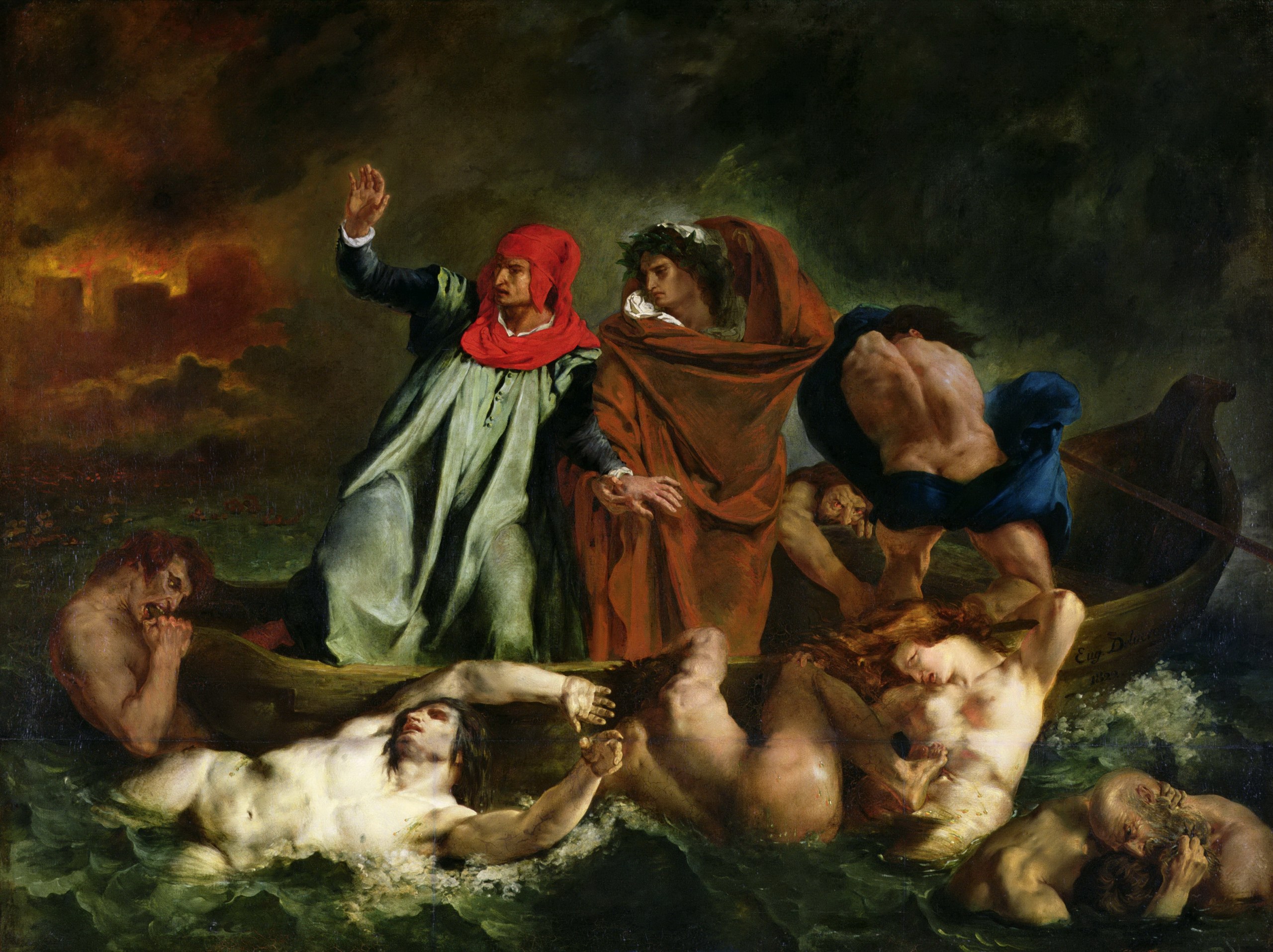
The Barque of Dante
Eugène Delacroix · 1822
The Barque of Dante. Dante and Virgil ferried across a boiling Styx while the damned claw at their boat. An 1822 canvas, Delacroix's first publicly exhibited picture and first entry to the Paris Salon; it hangs in the Louvre now.
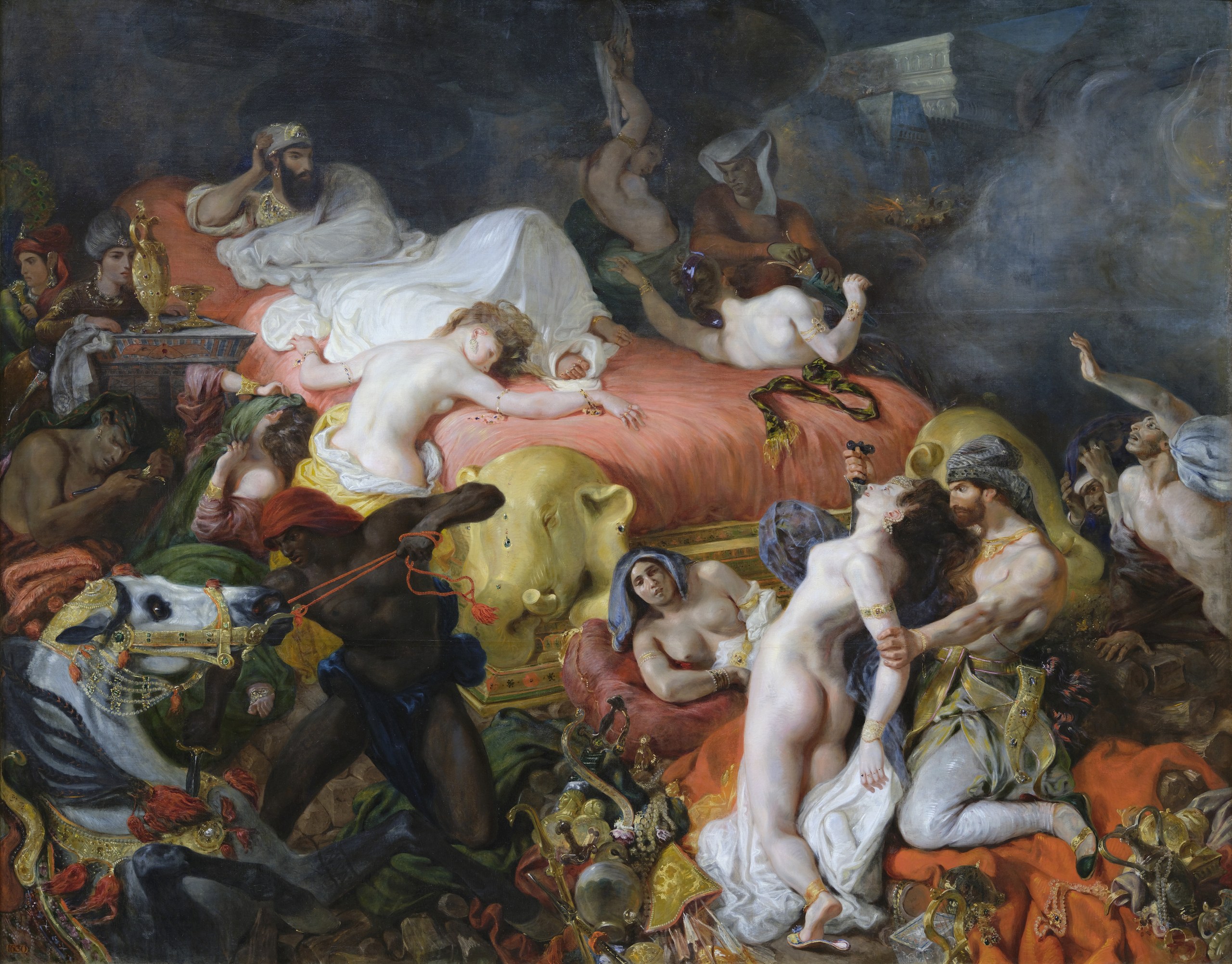
Death of Sardanapalus
Eugène Delacroix · 1827
Death of Sardanapalus. An Assyrian king, losing everything, orders everything destroyed: servants, horses, women, heaped across a great red bed. Byron's tragedy of the king suggested the subject; the colour burns.
La maja desnuda
Francisco Goya · 1795
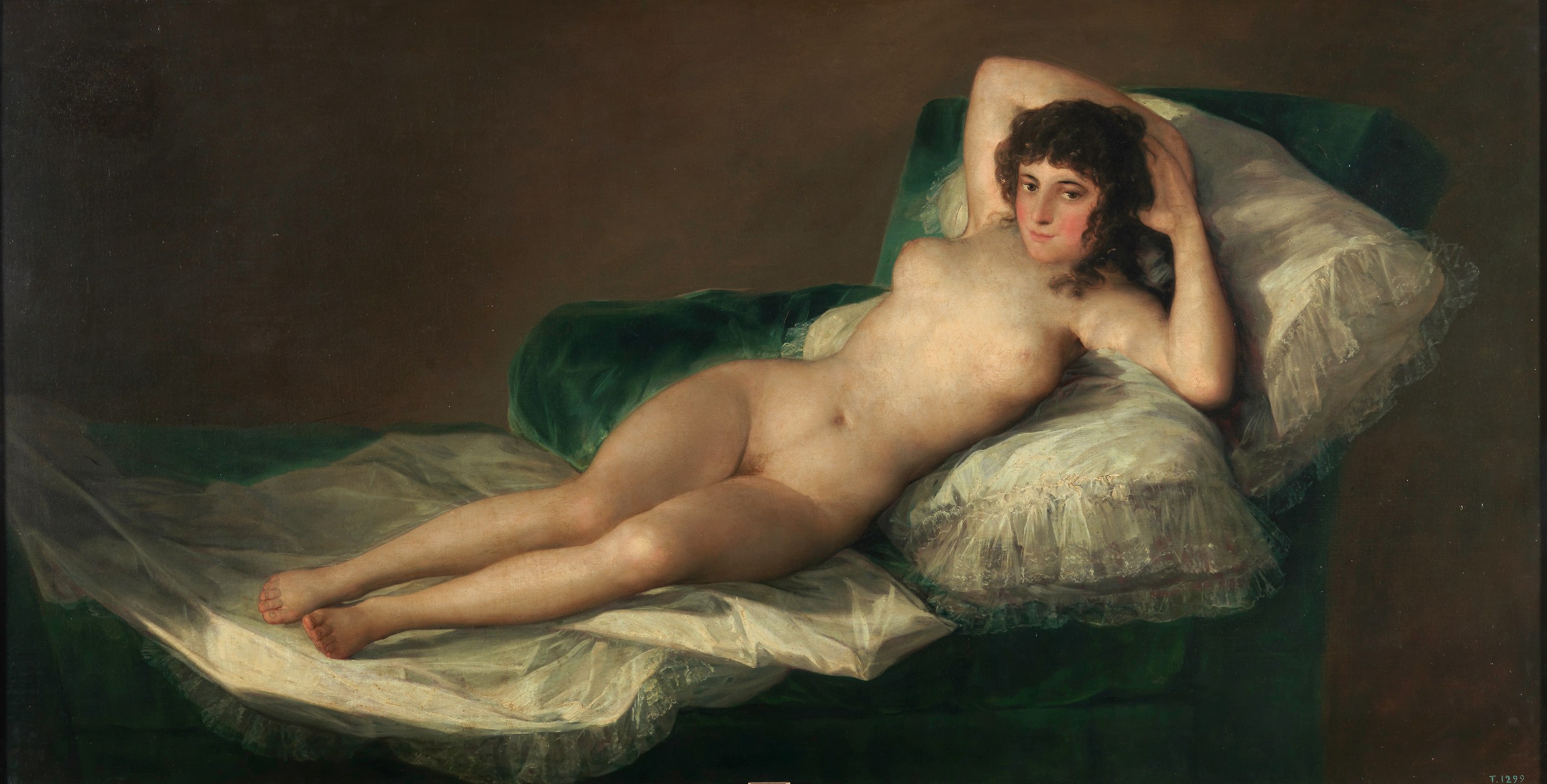
La maja desnuda. A woman lying naked on pillows, looking straight out at us with no mythological excuse, mortal and unbothered. Goya painted her around the turn of the century, probably for a private cabinet; the Prado has held her since 1901.
Charles IV of Spain and His Family
Francisco Goya · 1800
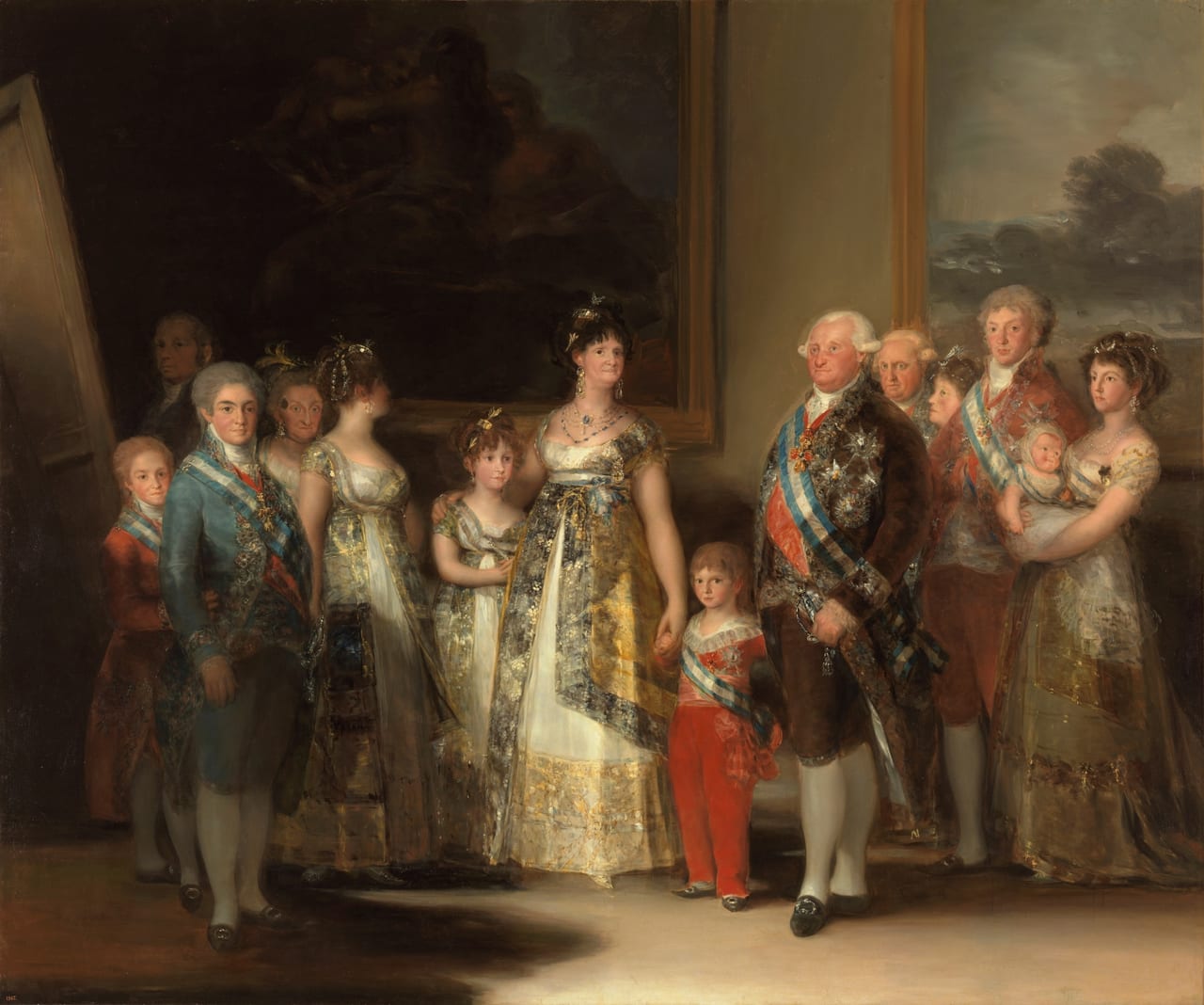
Charles IV of Spain and His Family. The royal family in a glittering line, from the king and queen to the smallest infante, with Goya himself in the grey at the left edge. Begun in 1800, the year he was made First Chamber Painter.
The Disasters of War
Francisco Goya · 1810
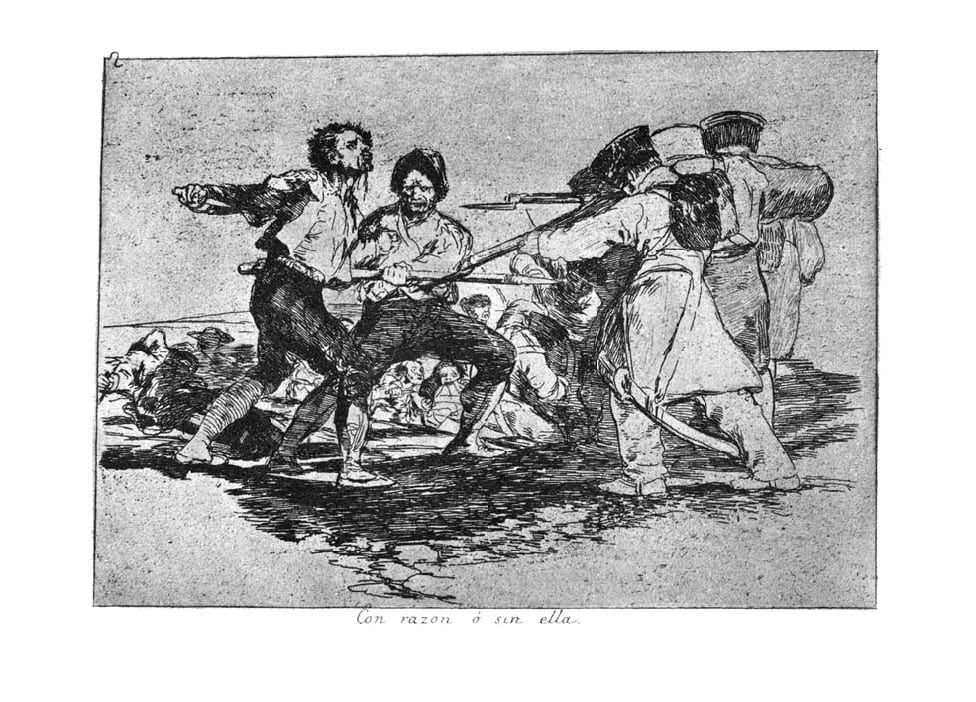
The Disasters of War. Goya's print sequence of the Peninsular War: famine, executions, cruelty without glory on either side. Made between 1810 and 1820, held back and published only long after his death.
Caprichos
Francisco Goya · 1799
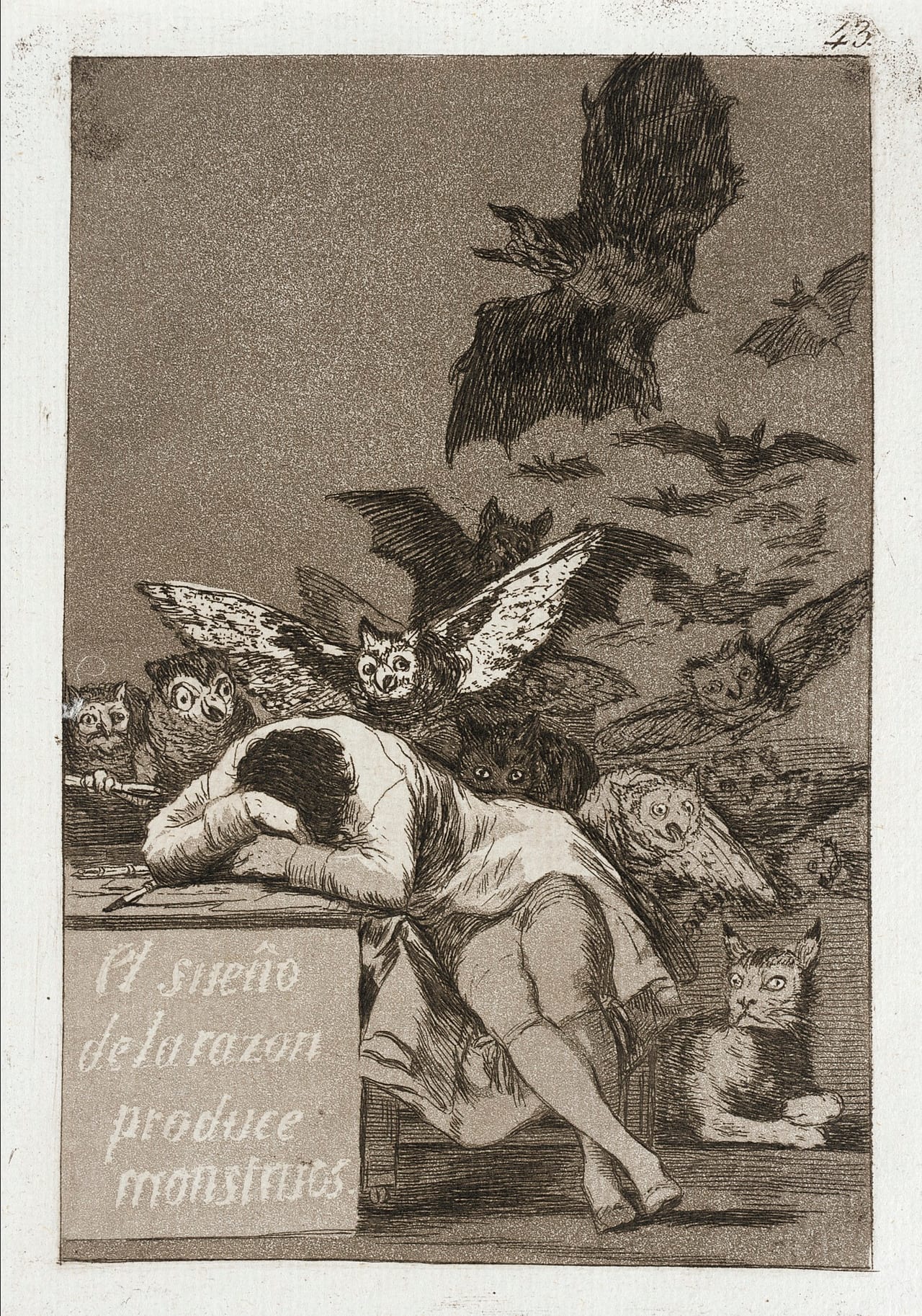
Caprichos. Eighty plates of aquatint and etching in which Goya mocks the Spain of his day, nobility and clergy first of all: witches, fools, bad marriages, sleepy reason. He kept the labels vague on purpose, knowing the risk.
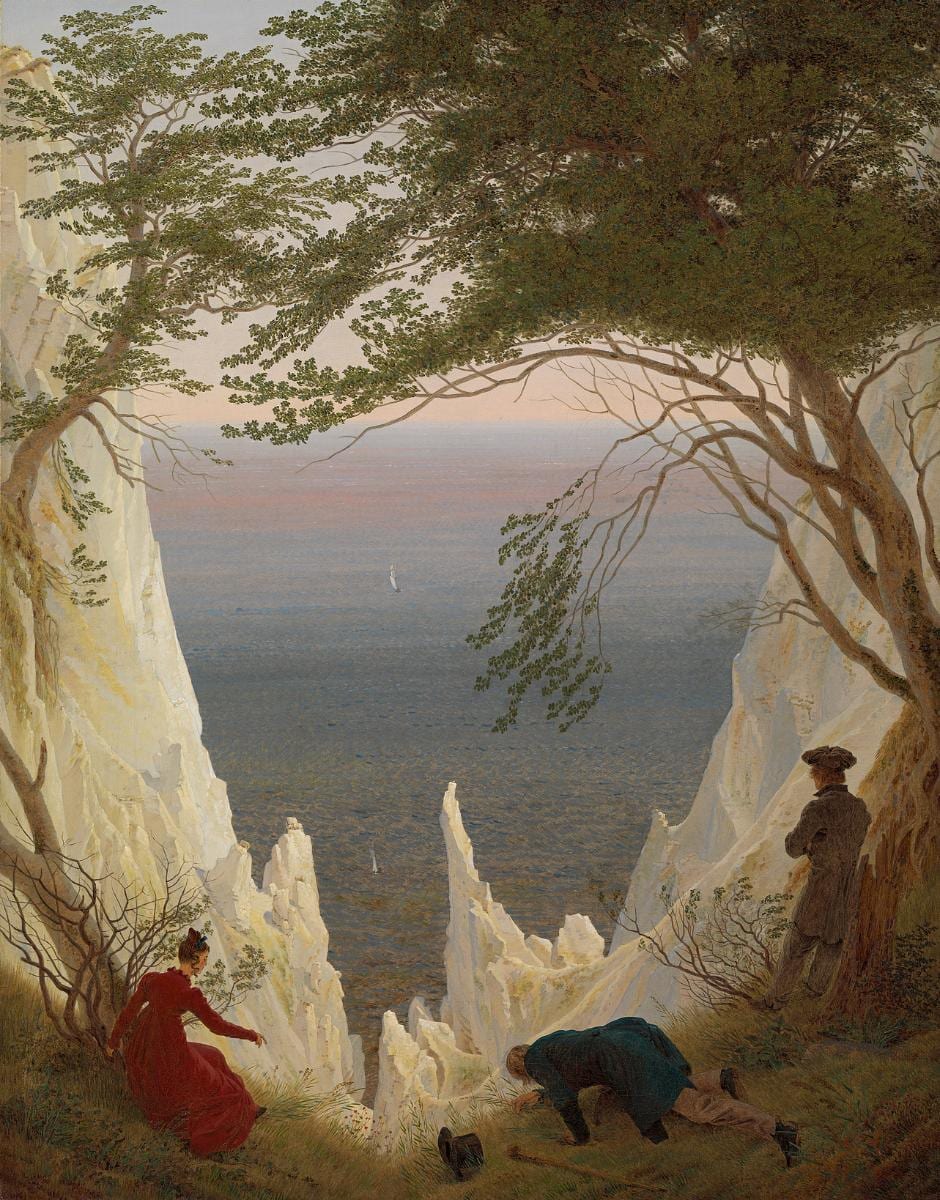
Chalk Cliffs at Ruegen
Caspar David Friedrich · 1818
Chalk Cliffs at Ruegen. Three figures at the top of white cliffs, the Baltic far below and a strip of sea beyond. Friedrich painted it shortly after his marriage in 1818, and it reads as a celebration of the couple.
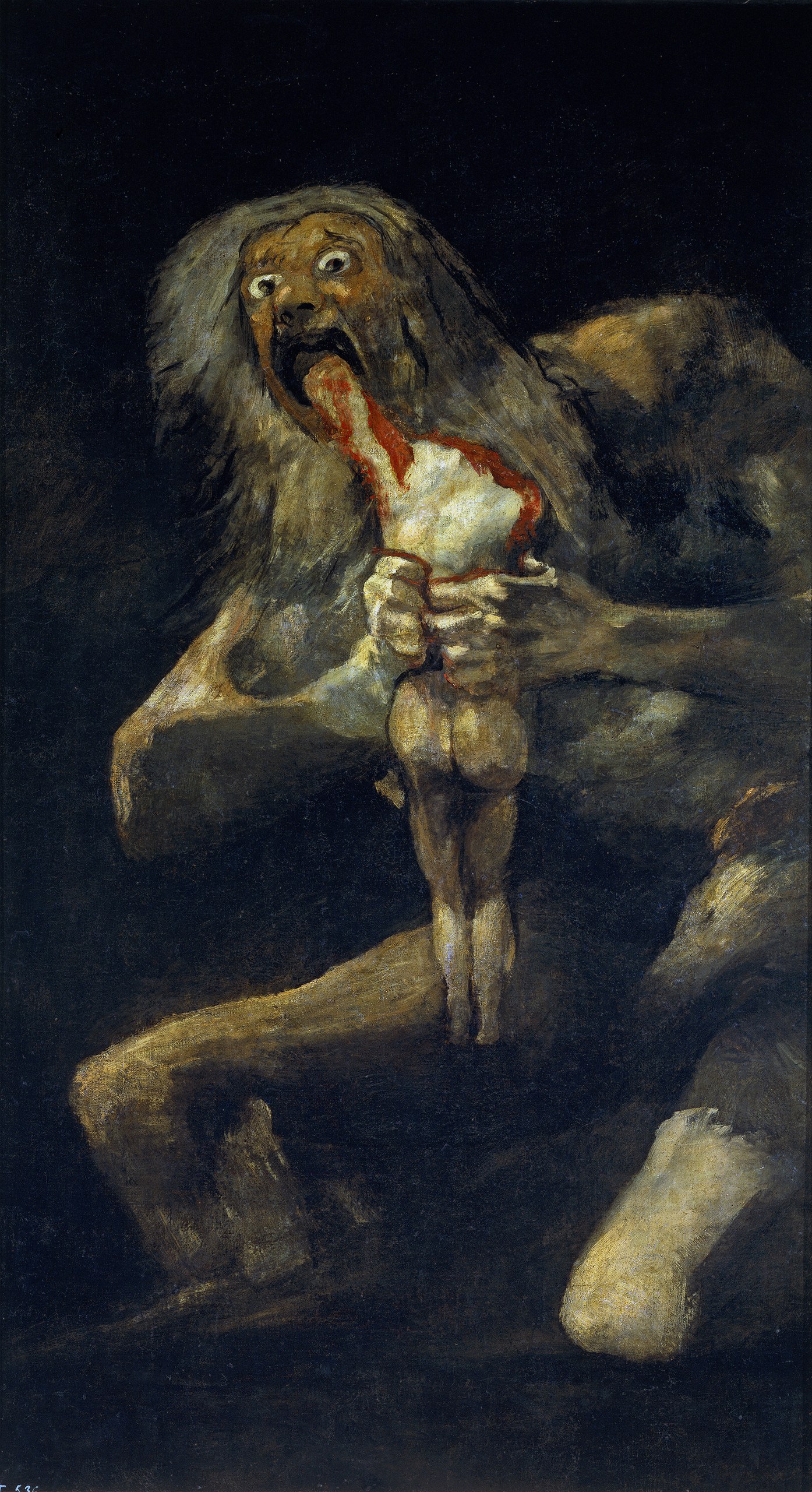
Saturn Devouring His Son
Francisco Goya · 1820
Saturn Devouring His Son. The Titan hunched over the body of a child, one of the fourteen Black Paintings Goya painted straight onto the walls of his house between 1820 and 1823; moved to canvas after his death, and now in the Prado.
Sources
- Tate, “Romanticism”
- National Gallery, London, “Eugène Delacroix”
- National Gallery, London, “Francisco de Goya”
- National Gallery, London, “Joseph Mallord William Turner”
- National Gallery, London, “Caspar David Friedrich”
- National Gallery, London, “John Constable”
- National Gallery, London, “Joseph Wright of Derby”
- Wikipedia, “The Raft of the Medusa”
- Wikipedia, “The Barque of Dante”
- Wikipedia, “The Death of Sardanapalus”
- Wikipedia, “La maja desnuda”
- Wikipedia, “Charles IV of Spain and His Family”
- Wikipedia, “The Disasters of War”
- Wikipedia, “Los caprichos”
- Wikipedia, “Chalk Cliffs on Rügen”
- Wikipedia, “Saturn Devouring His Son”
- Wikipedia, “The Blue Boy”
- Wikipedia, “The Roses of Heliogabalus”
Invite Romanticism into your living room
Play 9 works from this collection on your TV, phone or tablet with Momentable Art TV.